Click & Collect or 24hr Dispatch*

Balance Confidence Through Play

Balance & Wobble Boards

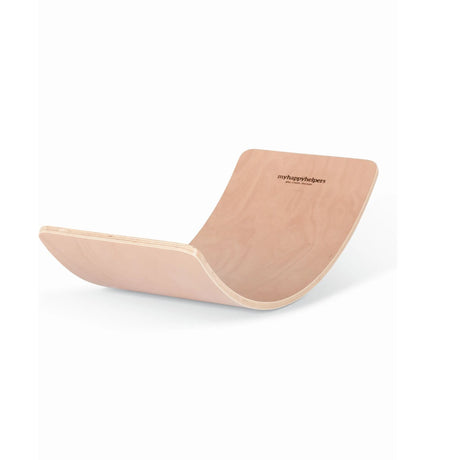
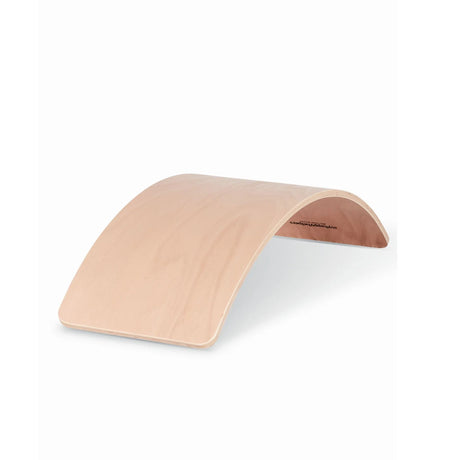
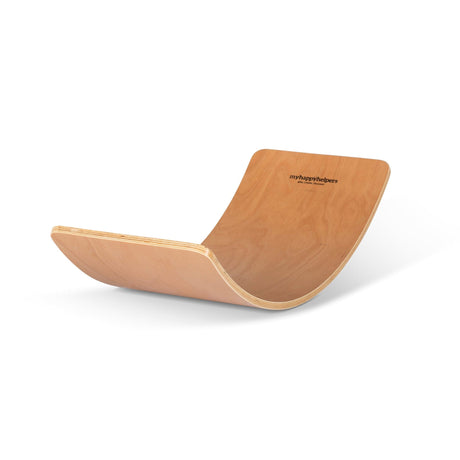
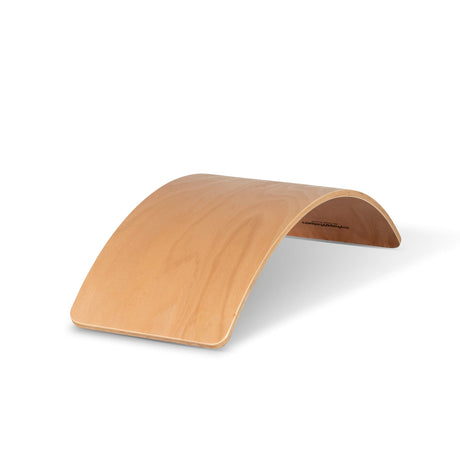
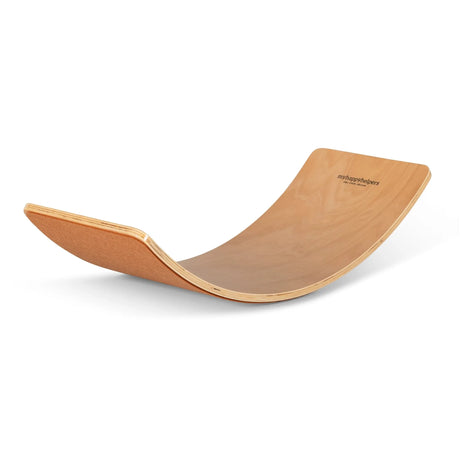
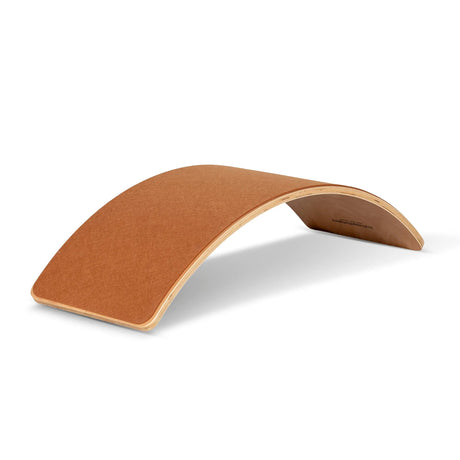
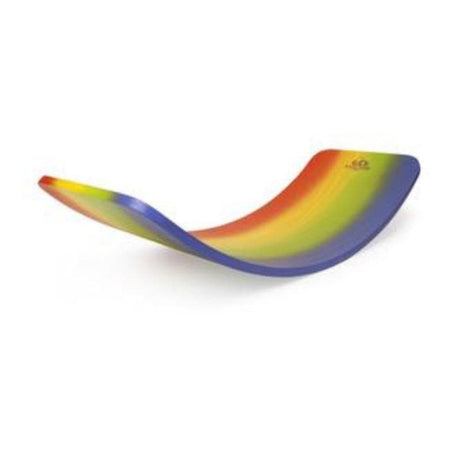
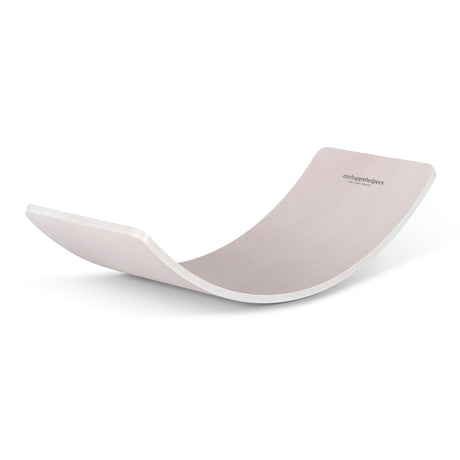
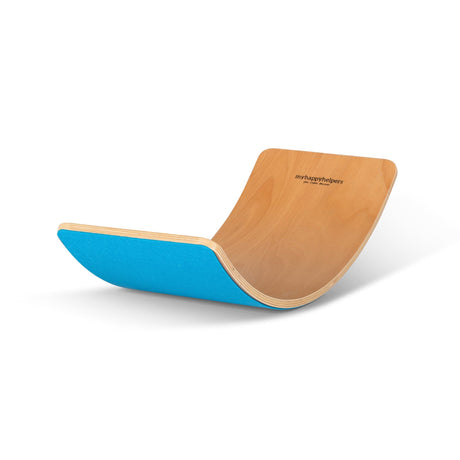
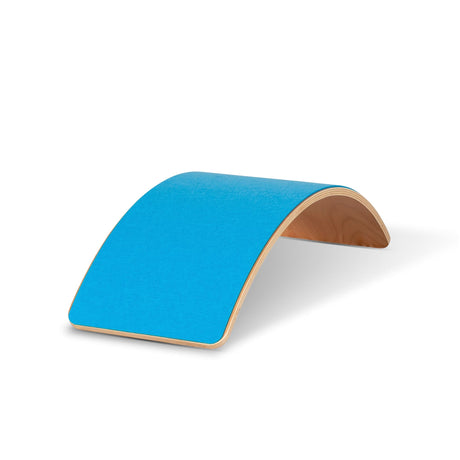
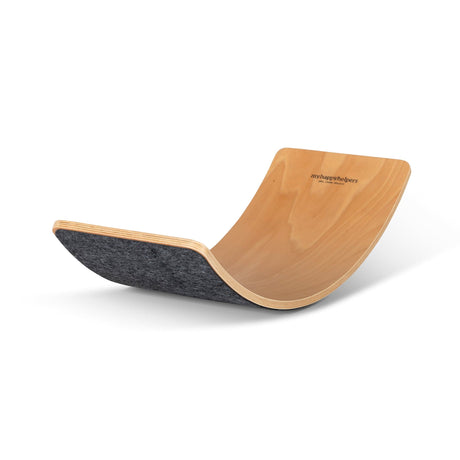
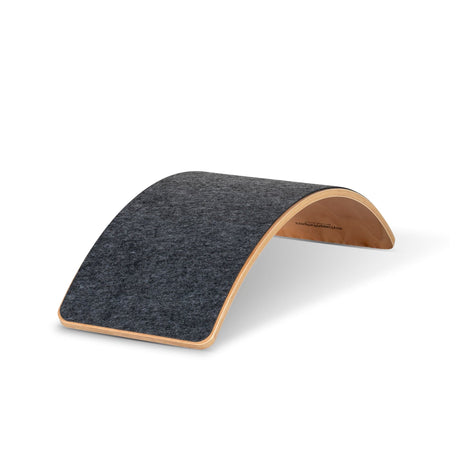
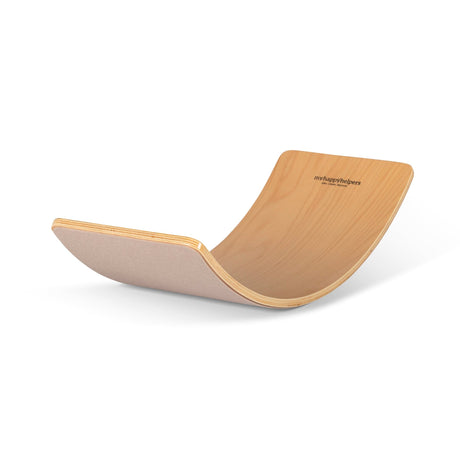
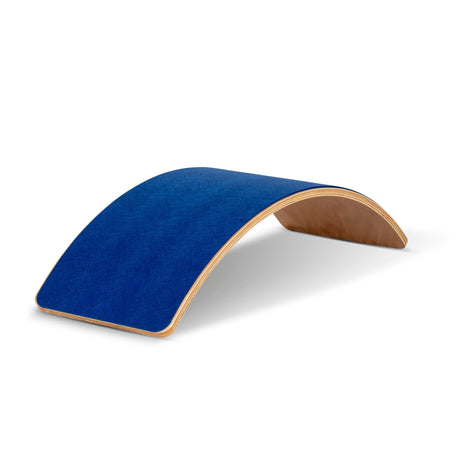
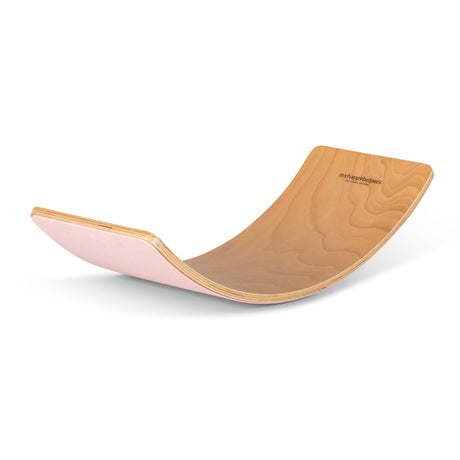
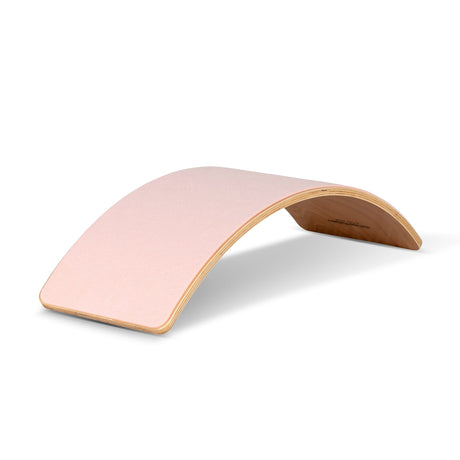
Balance boards give children a powerful way to explore movement, coordination, balance, and body awareness through active open-ended play that grows with them over time. Designed for toddlers and children who naturally love climbing, rocking, balancing, and movement exploration, our collection of wooden balance boards and wobble boards helps families create calm indoor active play opportunities that feel engaging, versatile, and genuinely useful beyond a single stage of development.

From beginner balancing practice through to imaginative movement play and sensory-friendly body regulation, these balance boards encourage children to move with confidence while supporting coordination, vestibular awareness, and active play in a way that feels natural, calming, and fun.


Balance Boards for Toddlers Learning Coordination & Body Awareness

Why Children Naturally Love Balance Play

Balancing is one of the most natural ways children explore movement, coordination, and body awareness. Whether rocking, shifting weight, climbing, standing, or wobbling, balance play challenges children to respond to movement changes while building confidence in how their body moves through space.

Balance boards for kids create opportunities for active movement indoors while still feeling calm, open-ended, and easy to integrate into everyday play. Many families choose wobble boards because they grow with children over time and can be used in multiple ways beyond balancing alone.

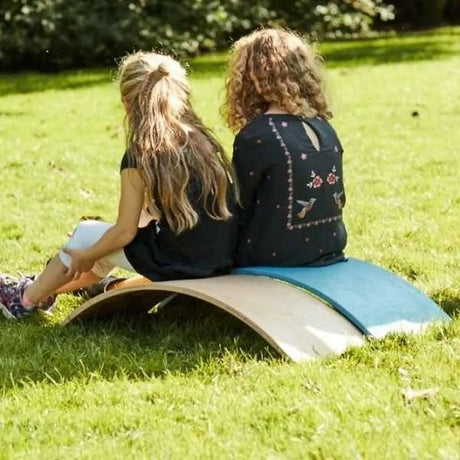
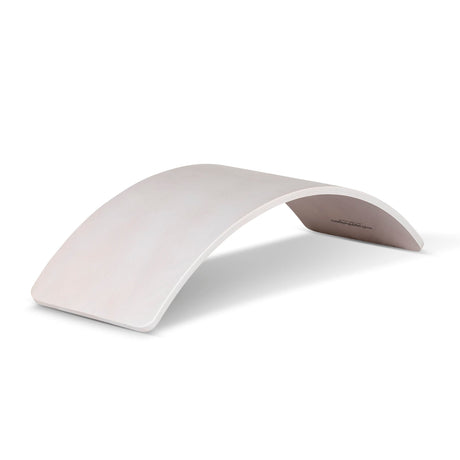
For some children, balance boards become movement toys. For others, they become bridges, ramps, stepping platforms, quiet sensory movement tools, or imaginative open-ended play pieces. This collection has been carefully selected to help parents choose safe, durable balance boards that support both active movement and long-term play value.

Balance & Coordination Indoor Active Play Sensory Movement Open-Ended Play

Builds Balance Confidence Through Active Movement

Balance boards encourage children to shift weight, stabilise their body, and respond to movement changes during play. These balancing reactions help children practise coordination, posture control, and movement confidence naturally through repetition and exploration.

Supports Body Awareness & Sensory Movement

Many children seek movement throughout the day as part of how they regulate their body and sensory input. Sensory balance boards provide controlled vestibular and proprioceptive movement opportunities that feel active, engaging, and physically satisfying without becoming overly stimulating.

Offers Long-Term Open-Ended Play Value

Unlike many toys with a single purpose, wooden balance boards are often used in multiple ways as children grow. They may become balancing tools, bridges, ramps, stepping platforms, sensory movement toys, or imaginative play props depending on the child’s age and interests.

Shop by need

Sensory Wobble Boards for Active Kids & Movement Seekers

Some children naturally seek climbing, balancing, rocking, or repetitive movement throughout the day. Sensory balance boards can help provide calming movement input while encouraging active play, body awareness, and vestibular confidence in a more structured and contained way indoors.

Natural

Balance Boards for Toddlers Learning Coordination & Body Awareness

For younger children developing movement confidence, balance boards can provide simple opportunities to practise balancing, stepping, climbing, and body positioning through active indoor play. Lower-profile wobble boards are often ideal for toddlers who are still learning coordination and controlled movement reactions.

Sensory Wobble Boards for Active Kids & Movement Seekers

Some children naturally seek climbing, balancing, rocking, or repetitive movement throughout the day. Sensory balance boards can help provide calming movement input while encouraging active play, body awareness, and vestibular confidence in a more structured and contained way indoors.

Choosing The Right Balance Board

Which Balance Board Is Best For Your Child?

The best balance board for kids depends on your child’s age, movement confidence, preferred style of play, and whether they enjoy calmer balancing or more active movement exploration.

Choose A Beginner Balance Board If Your Child:

  • Is under 3 years old Is still developing coordination Prefers slower movement play Is new to balancing activities Benefits from lower-profile movement toys

Choose A More Active Wobble Board If Your Child:

  • Constantly seeks movement Enjoys climbing and balancing Loves active indoor play Wants more movement challenge Uses toys in open-ended imaginative ways
If you are unsure where to begin, a lower curved wooden balance board is often the most versatile and beginner-friendly option for indoor movement play.

Designed For Safe, Purposeful Movement Play

Stable balancing designs suitable for indoor family environments

Supports body awareness, coordination, and movement confidence through active play

Carefully selected for durability, versatility, and long-term open-ended use

What To Look For In A Balance Board

When choosing a balance board for toddlers or older children, consider your child’s confidence with
movement, how much active play they naturally seek, and where the board will be used. Some children prefer calmer balancing experiences, while others use wobble boards for climbing, rocking, imaginative play, and sensory movement throughout the day. Stability, grip, board curvature, durability, and floor protection are all important considerations for safe everyday indoor use.

When A Balance Board May Not Be The Best Fit

Not every child enjoys balancing movement. Some children prefer seated movement, calming rocking motion, or more structured sensory input rather than open-ended balance play. If your child dislikes unstable movement surfaces or seeks stronger spinning and vestibular input, a wobble chair, rocking toy, or spinning chair may feel more comfortable and engaging.

Movement Toys That Grow With Your Child

A well-designed balance board gives children endless opportunities to explore movement, coordination, and imaginative active play in ways that evolve over time. Whether your child is building early balance confidence or seeking active sensory movement throughout the day, wobble boards provide engaging movement play that feels versatile, calming, and genuinely useful across different stages of childhood.

Frequently asked questions
Are wooden balance boards worth it?

Many families find wooden balance boards worthwhile because they tend to offer long-term versatility across different ages and stages of play. Children often use balance boards in multiple ways over time, including balancing, rocking, climbing, bridge play, ramps, stepping platforms, and imaginative movement games.

Can balance boards be used indoors?

Yes. Indoor balance boards are popular because they allow children to explore active movement play in smaller home environments without needing large climbing equipment. Many families use balance boards as part of everyday movement play, sensory regulation routines, or open-ended indoor activities.

Can balance boards help coordination?

Yes. Balance boards encourage children to shift weight, stabilise their posture, and respond to movement changes during play, all of which support coordination and body awareness. Repetitive balancing experiences help children build confidence in how their body moves and reacts.

What is the difference between a balance board and a wobble board?

The terms are often used interchangeably, but some balance boards focus more on standing and balancing activities, while wobble boards may allow additional rocking, tilting, or curved movement play. Many wooden wobble boards are intentionally designed for both balancing and imaginative open-ended use.

Are balance boards safe for toddlers?

A properly designed balance board for toddlers can be safe when used appropriately under supervision. Parents should choose age-appropriate boards with stable construction, smooth finishes, and suitable grip for indoor flooring surfaces. Starting with slower and lower balancing experiences is usually best for younger children who are still developing movement confidence.

Are wobble boards good for sensory seekers?

Yes. Sensory wobble boards can provide vestibular and proprioceptive movement input that feels calming and physically engaging for children who naturally seek movement. Many active children enjoy rocking, balancing, climbing, or shifting weight on a wobble board because it supports body awareness and movement regulation through play.

What age are balance boards suitable for?

Many balance boards for toddlers are suitable from around 18 months onward depending on the design, supervision level, and the child’s confidence with movement. Younger toddlers often start with supported climbing, rocking, or stepping play before progressing into independent balancing as their coordination develops.

What are balance boards good for?

Balance boards for kids help children practise balance reactions, coordination, body awareness, and movement confidence through active balancing play. Many children naturally enjoy balancing because it challenges their body to respond to movement changes while still feeling playful and engaging. Wooden balance boards are also popular because they support open-ended movement play beyond simple balancing activities alone.