Click & Collect or 24hr Dispatch*

Sensory Toys For 2 Year Olds Who Want To Do

Sensory Toys For 2 Year Olds

There's a stage around two where children want to do everything themselves - pour the milk, open the lid, carry the bowl, climb the chair, squeeze the tube, tip the basket, then do it all again. It can feel relentless. But it might sound odd coming from someone who sells toys to say two-year-olds aren't trying to create chaos - they're trying to understand control, in the deeply human sense: what can I make happen? What can my hands do? What happens if I try again? A baby watches the world, a one-year-old tests it, and a two-year-old wants to take part in it. That's why sensory play matters so much at this age - not because a two-year-old needs more to keep them busy, but because their whole body is asking for safe ways to practise doing. Good sensory toys for 2 year olds give that growing need for control somewhere safe to land.


Sensory Toys For 2 Year Olds Who Touch, Move & Do

A sensory toy for a two-year-old isn't really there to entertain - it's there to meet a child who no longer just wants to watch water move, but to pour it themselves; who no longer just watches the tower fall, but wants to build it, knock it down and build it again. We choose our sensory toys for 2 year olds around that need to take part: to squeeze, press, roll, carry, climb, dump, sort and pour. This page is built a little differently from a simple product list - because the most useful thing at two isn't a 'best toy', it's understanding what your particular child is reaching for. Below we look at why two-year-olds repeat everything, the different kinds of sensory input children seek at this age, why a calm child isn't always a still one, and how to choose by your child's behaviour rather than the age on the box.

Movement Seekers Pressure & Squeeze Pour & Fill Sound & Music

Why 2 Year Olds Repeat Everything With Sensory Toys

Pour, tip, fill, empty, open, close, stack, crash - again, again, again. From the outside it can look like a two-year-old is stuck doing the same thing, but the question keeps changing: what happens if I pour faster? If the cup is fuller? If I stack one more? If I use two hands? If I try without help? Repetition at two isn't a lack of imagination - it's how a child practises mastery, proving to themselves that their actions create reliable results, which is a very big discovery. The best sensory toys for this age reward that practice: they let a child pour without spilling quite so much, stack one more piece than yesterday, or finally work out the latch. Those are small moments, but they're the building blocks of confidence - so when a toy invites repetition, that's a feature, not a flaw.
Sensory Toys For 2 Year Olds Are About More Than Touch

One of the biggest misunderstandings about sensory toys is that they're only about texture. Texture matters, but for many two-year-olds sensory play is much bigger than what their hands feel. Some children seek movement - they need to climb, rock, run, jump or balance. Some seek pressure - pushing heavy things, squeezing objects, carrying baskets. Some seek sound - banging, shaking, tapping and repeating rhythms. Some seek visual feedback - watching balls roll, water pour, pieces fall. And some seek tactile play - returning again and again to sand, dough, water and textured surfaces. Seeing sensory play this way makes it far easier to read what your child is asking for: a child who climbs everything may not need another quiet tabletop toy, a child who pours every drink onto the tray may be asking for water play, and a child who throws every block may need a safer way to explore force and movement. The behaviour tells you more than the age label.

Calm Doesn't Always Mean Still

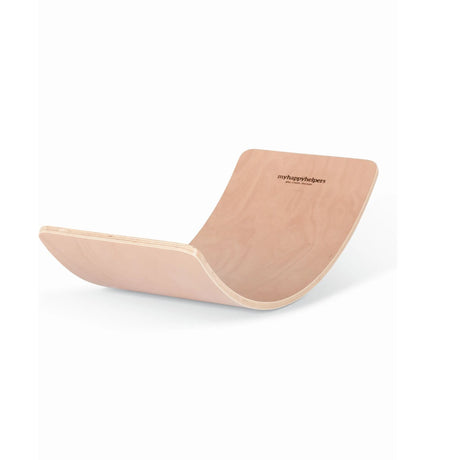
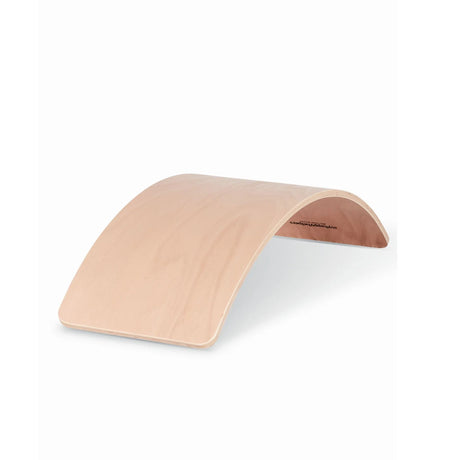
Here's something parents are rarely told: a calm two-year-old isn't always a still two-year-old. Some children calm through movement, some through pressure, some through water, some through repetition, some by doing something with their hands. So when we talk about calming sensory toys, it's a mistake to only picture quiet fidgets and soft textures. For some children a balance board, a push toy, a musical instrument or a water activity is far more regulating than anything they're expected to hold quietly. The aim was never to force stillness - it's to help a child feel organised, and those aren't always the same thing. If your two-year-old settles after big movement or heavy work, that's their nervous system doing exactly what it needs.

Choose By What Your Child Seeks

What Is Your 2 Year Old Reaching For?

At two, the best sensory toy matches what your child is seeking. Read the behaviour, then choose.

If Your Child Seeks Movement & Big Play:

Climbs, crashes, runs and jumps
Pours, tips and carries everything
Settles after moving, not after sitting
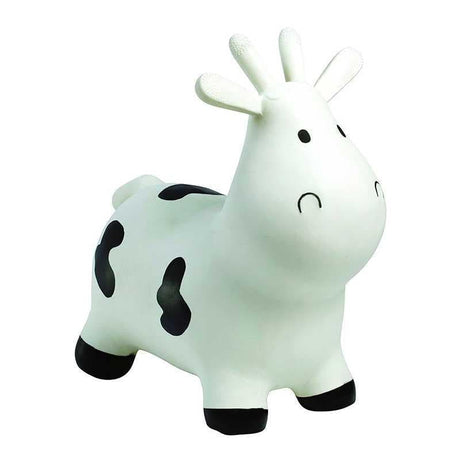
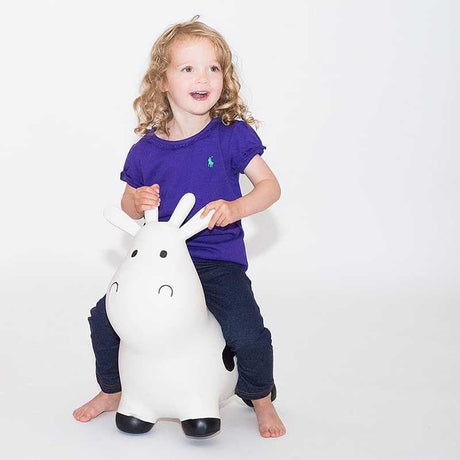
Try: balance, water and push toys

If Your Child Seeks Hands-On & Quiet Play:

Squeezes, presses and rolls
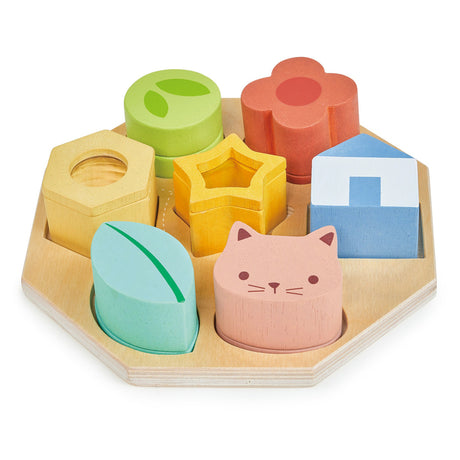
Posts, twists, opens and sorts
Calms with something in their hands
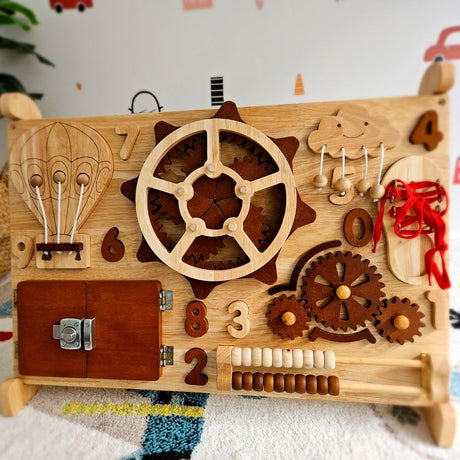
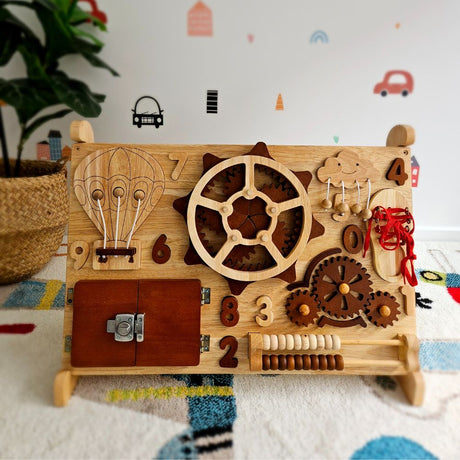
Try: play dough, busy boards, sorting toys
Most two-year-olds move between both across a day, so a few open-ended sensory toys covering movement and hands-on play suit almost every child. Match the toy to the behaviour, not the age.

Why Families Choose Our Sensory Toys For 2 Year Olds

Matched To What Your Child Seeks

Open-Ended & Built To Be Tested

Safe, Sturdy Materials For Real Two-Year-Olds

Choosing Sensory Toys For A 2 Year Old By Behaviour

At two, we find it far more useful to choose sensory toys by behaviour than by product type or the age on the box. If your child loves to pour and tip, look for filling, scooping and water play. If they love to climb and crash, look for safe movement toys that let their whole body work. If they fiddle, post, twist or open things, fine-motor toys and busy boards make sense. If they squeeze, press and roll, play dough, soft balls and tactile toys give their hands something useful to do. And if they struggle with transitions, quiet repetitive toys can help them slow down without needing to be completely still. The best sensory toy isn't the one with the most features - it's the one that matches the question your child is already trying to answer.

2 Year Old Sensory Toys: On Mess & Quality

Mess can be exhausting, but it's worth being careful not to mistake it for failure: a perfectly tidy sensory activity sometimes means a child never really got inside the experience. Two-year-olds learn by changing things - scooping, splashing, scattering, flattening, mixing - and they need to see what happens when materials move. The goal isn't spotless play; it's meaningful play a real family can still live with. That same physical, test-everything exploration is why quality matters so much at two. Children this age carry toys room to room, drop them, mouth them, bang them and use them in ways no designer imagined, so a good sensory toy needs to be safe, sturdy and simple enough to be used again and again - it shouldn't give up before the child has finished experimenting with it. We'd always choose a well-made, open-ended toy over a feature-heavy one that breaks.

Choosing Sensory Toys For A 2 Year Old: The Short Version

So much of being two is 'me do it' - a child beginning to understand themselves as someone who can act on the world, make choices, solve small problems and try again after frustration. Sensory toys help because they make that practice visible and give it somewhere safe to go. In short: read what your child is seeking - movement, pressure, sound, visual feedback or touch - and choose by that behaviour rather than the age label. Welcome the repetition, expect some mess, remember that calm doesn't always mean still, and pick quality, open-ended toys that survive real exploration. A two-year-old doesn't just want to know what the world is - they want to know what they can do with it. Meet that, and their pouring, climbing and sorting stops looking like chaos and starts looking like a child learning 'I can make something happen.'

Frequently asked questions
Are sensory toys for 2 year olds still a choking or safety risk?

They can be, so safety still matters at two - plenty of children this age still mouth toys. Choose sensory toys made from non-toxic materials, rated for your child's age, with no small parts that could come loose, and supervise water and messy play. Sturdy, well-made toys are also safer because they're less likely to break apart under the hard, physical way a two-year-old plays.

Is it normal for sensory play to be so messy at two?

Yes, and often the mess is part of the learning. Two-year-olds learn by changing things - scooping, splashing, scattering, mixing - and a perfectly tidy activity sometimes means they never really got inside it. That doesn't mean every mess is welcome; contained sensory play keeps it manageable. The goal isn't spotless play, it's meaningful play your family can live with.

How do I choose a sensory toy for a 2 year old?

Choose by behaviour. Loves to pour and tip? Filling, scooping and water play. Loves to climb and crash? Safe movement toys. Loves to fiddle, post and open? Fine-motor toys and busy boards. Loves to squeeze and roll? Play dough and tactile toys. The best sensory toy is the one that matches the question your child is already trying to answer, not the one with the most features.

My 2 year old is so active - what calms them?

For an active two-year-old, calm often doesn't look still. Some children settle through movement, pressure, water or repetition rather than by holding something quietly. A balance board, push toy, heavy-work activity or water play can be far more regulating than a quiet fidget. The aim isn't to force stillness - it's to help your child feel organised, which for a mover usually means meeting the movement first.

Are sensory toys only about texture and touch?

No - that's a common misunderstanding. For many two-year-olds, sensory play is about movement, pressure, sound or visual feedback as much as touch. Some need to climb and carry, some to squeeze and push, some to bang and shake, some to watch things roll and pour. Reading which kind of input your child seeks makes choosing a sensory toy far easier than going by texture alone.

Why does my 2 year old repeat the same thing over and over?

Because repetition is how they practise mastery. Each time a two-year-old pours, stacks or opens a latch again, the question quietly changes - faster? fuller? one more? without help? - and they prove to themselves that their actions create reliable results. It looks repetitive from outside, but it's how confidence is built, so it's worth welcoming rather than redirecting.

What are the best sensory toys for a 2 year old?

The best sensory toys for a two-year-old match what your child is seeking rather than ticking an age box. A mover needs balance, water or push toys; a squeezer needs play dough and tactile toys; a fiddler needs busy boards and posting toys. Two-year-olds want to take part - to pour, build, climb and sort - so open-ended toys that invite doing beat single-function ones every time.