Click & Collect or 24hr Dispatch*

15% Off Sitewide & Clearance*

EOFY15
Helping Children Build Confidence Through Balance, Body Awareness And Movement Challenges

Balance & Coordination


Some children naturally seek opportunities to balance, climb, wobble and test themselves physically. Others need time and confidence before tackling new movement challenges. Balance and coordination play helps children develop body awareness, movement planning and confidence by learning what their bodies can do through everyday play.

Start here

Balance challenges come in many forms. Some children build confidence on wheels, others prefer balancing in place, while some enjoy obstacle-style movement challenges that encourage planning and problem solving.

Understanding how your child approaches physical challenges can make it easier to choose balance activities that feel achievable, engaging and confidence-building.

View as

Balance Is About More Than Staying Upright

When parents hear the word balance, they often think about standing on one foot or walking along a line. In reality, balance and coordination influence many everyday activities including running, climbing, riding, navigating uneven surfaces and responding to changes in the environment.

Children develop these skills through movement experiences that encourage them to shift weight, adjust posture, plan movements and build confidence through repetition. Some children actively seek these challenges, while others benefit from opportunities to practise in ways that feel safe and manageable. Understanding how your child approaches physical challenges helps create pathways that support both confidence and capability.

Body Awareness Balance On Wheels Outdoor Adventure Climbing & Movement
Some Children Want Height Rather Than Balance

Balance Challenges And Climbing Challenges Solve Different Problems

While balance play focuses on body awareness and movement control, some children are primarily seeking opportunities to climb, scramble and navigate larger physical challenges.

Confidence Often Grows One Challenge At A Time

Balance and coordination do not develop overnight. Children build confidence gradually as they test their abilities, repeat movements and learn how their bodies respond to different challenges.

Some children eagerly seek these experiences, while others prefer to progress more cautiously. Both approaches are completely normal. What matters is providing opportunities that feel achievable while still encouraging growth and exploration.

Whether your child is balancing on wheels, navigating stepping challenges or creating obstacle courses, each experience helps build confidence, body awareness and trust in their own abilities. Often the most important outcome is not mastering a particular skill, but developing the confidence to keep trying.

Frequently asked questions

Questions parents often ask

Should I Be Worried If My Child Avoids Balance Challenges?

Not necessarily. Children approach physical challenges in very different ways. Some eagerly climb, balance and experiment with movement from an early age, while others prefer to observe before participating. A cautious approach does not automatically indicate a problem.

Many children simply need time to build familiarity and confidence. They may watch others, assess situations carefully and gradually participate once they feel comfortable. This can be a sign of thoughtful decision-making rather than a lack of ability.

Parents often feel pressure when comparing children who appear fearless with children who are more hesitant. However, confidence develops differently for every child. Some gain confidence through repeated exposure, while others need smaller, manageable challenges before tackling larger ones.

The most helpful approach is usually providing opportunities without pressure. Children often progress more confidently when they feel in control of their participation and are allowed to develop trust in their abilities at their own pace.

How Do Obstacle Courses Support Child Development?

Obstacle courses combine multiple movement skills into a single activity, making them an excellent way to support balance, coordination and movement planning. Unlike isolated activities, obstacle courses encourage children to sequence actions, adapt to changing challenges and think ahead about how they will navigate each section.

As children move through an obstacle course, they often need to balance, step, crawl, jump, change direction and adjust their body position. This creates opportunities to develop physical skills while also encouraging problem-solving and decision-making.

Obstacle courses are particularly valuable because they can grow with a child. Simple layouts may challenge younger children, while older children often enjoy creating increasingly complex routes and testing themselves against new goals. This adaptability helps maintain engagement over time.

Parents frequently notice that obstacle courses encourage persistence because children naturally want to improve, repeat challenges and achieve a sense of mastery. The focus shifts away from practising skills and towards completing an exciting challenge.

Why Does My Child Constantly Walk Along Walls, Edges And Curbs?

Many children seem unable to resist balancing opportunities when they appear. A simple curb, garden border or low wall quickly becomes a challenge to conquer. While this behaviour can sometimes make parents nervous, it often reflects a child's natural interest in testing balance and body control.

Balancing on narrow surfaces provides immediate feedback about movement, posture and body position. Children learn how to shift weight, adjust their stance and respond when they start to wobble. These experiences can feel highly rewarding because they combine physical challenge with a clear sense of achievement.

Children who seek these opportunities are often developing confidence in their movement abilities. They enjoy finding challenges, solving physical problems and seeing what their bodies are capable of doing. This does not necessarily mean they are unusually adventurous; many children naturally seek activities that help them refine balance and coordination.

For parents, recognising these behaviours as part of normal movement exploration can help make sense of why children seem drawn to every balancing opportunity they encounter.

What Are The Best Balance Activities For Toddlers?

Toddlers learn balance primarily through movement and exploration rather than structured exercise. Activities that encourage walking on uneven surfaces, stepping over obstacles, climbing small challenges and navigating different environments all contribute to balance development.

Many toddlers naturally create their own balance challenges. They walk along garden edges, step between cracks, climb over cushions or attempt to balance on low surfaces. These everyday experiences provide valuable opportunities to develop body awareness and movement control.

Purpose-designed balance activities can also support development by providing safe opportunities to practise balancing, weight shifting and movement planning. The most successful activities are usually those that feel playful rather than instructional. Toddlers are far more likely to engage when balance is part of an adventure, game or imaginative challenge.

Parents do not need to create complex programs to support balance. Consistent opportunities to move, explore and experience different types of physical challenges are often enough to encourage steady development over time.

How Do Balance Activities Help Build Confidence?

Balance activities challenge children to do something slightly difficult but achievable. Each successful attempt helps build trust in their own abilities, which is one of the reasons balance play can have such a positive impact on confidence.

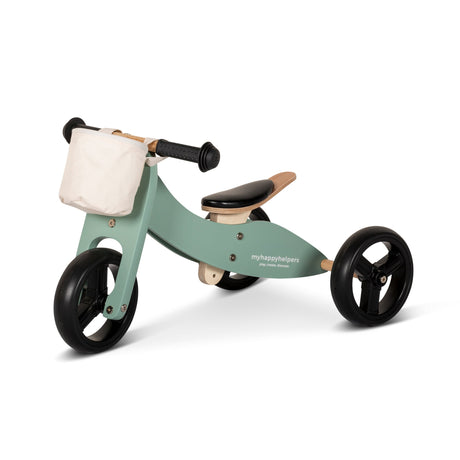
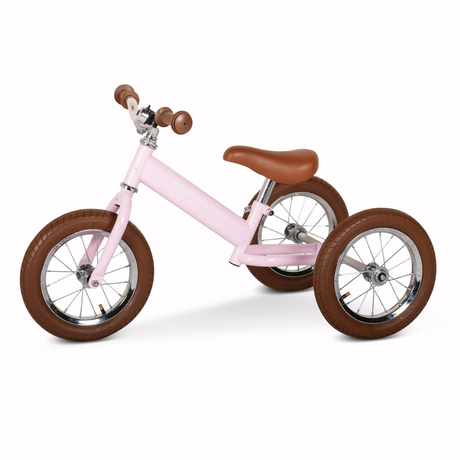
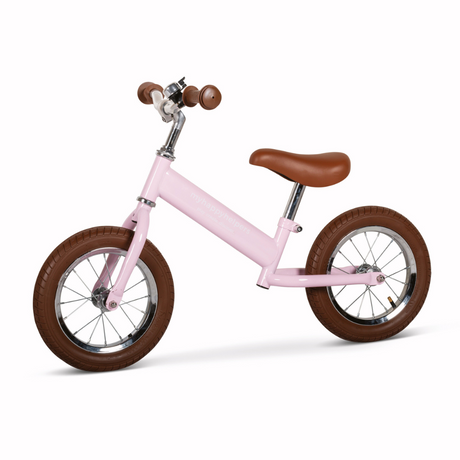
When children balance on a board, navigate stepping stones or ride a balance bike, they are constantly making small adjustments and solving movement problems. Every time they successfully manage a challenge, they receive feedback that their body is capable of adapting and responding.

Importantly, confidence does not come from avoiding challenges. It develops through experiencing manageable risks and discovering that they can handle them. Balance activities naturally create opportunities for children to test themselves, recover from mistakes and try again.

Parents often notice that physical confidence begins carrying over into other areas of life. As children become more comfortable attempting new movement challenges, they frequently become more willing to try unfamiliar activities and trust their own decision-making abilities.

At What Age Should Children Learn To Ride A Balance Bike?

There is no perfect age that applies to every child because readiness depends on confidence, physical development and individual interest. Some children show enthusiasm for balance bikes early, while others prefer different movement experiences before becoming interested in riding.

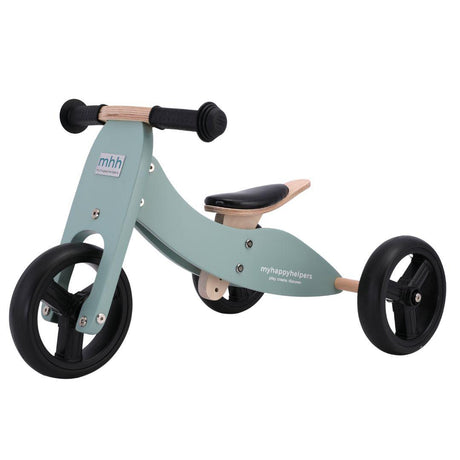
Many parents focus heavily on age, but confidence is often the more important factor. Children who enjoy moving independently, navigating spaces and testing physical challenges are often naturally drawn to riding activities. Balance bikes allow children to control speed, direction and movement while gradually building balance through real-world experience.

One reason balance bikes have become so popular is that they allow children to focus on balancing before introducing pedals. This often creates a more intuitive learning process because children can progress at their own pace without needing to master multiple skills simultaneously.

Following a child's interest usually leads to the best experience. When children feel ready and motivated, they often gain confidence much more quickly than when they feel pressured to participate.

Why Does My Child Seem Clumsier Than Other Children?

Many parents become concerned when their child trips frequently, struggles with balance challenges or appears less coordinated than their peers. While it is natural to compare children, physical development rarely follows an identical timeline.

Children develop balance, coordination, body awareness and movement confidence at different rates. Some children eagerly seek physical challenges from an early age, while others are more cautious and gain experience gradually. A child who appears clumsy may simply need more opportunities to practise navigating different environments and movement challenges.

Growth spurts can also temporarily affect coordination. As children's bodies change, they often need time to adjust to new proportions, movement patterns and physical abilities. What appears to be clumsiness may simply be part of this adjustment process.

Rather than focusing on comparisons, it can be more helpful to observe whether your child is becoming more confident and capable over time. Most children build balance and coordination through repetition, practice and opportunities to move their bodies in different ways.

What Is The Difference Between Balance And Coordination?

Parents often hear the terms balance and coordination used together and assume they mean the same thing. While they are closely connected, they describe different aspects of physical development.

Balance refers to a child's ability to control their body position and remain stable while standing still or moving. It helps children stay upright when walking, running, climbing, riding and navigating uneven surfaces. Coordination, on the other hand, is the ability to organise different body movements so they work together efficiently. This includes timing, sequencing and controlling movements to achieve a goal.

For example, riding a balance bike requires both skills. A child needs balance to stay upright and coordination to steer, push, stop and adjust their movements. Similarly, navigating stepping stones requires balance to remain stable and coordination to plan where the body moves next.

Children develop both skills gradually through movement experiences and active play. Understanding the difference helps parents recognise that confidence, balance and coordination often grow together rather than as completely separate abilities.