
Click & Collect or 24hr Dispatch*

15% Off Sitewide & Clearance*

EOFY15
Fine Motor Foundations

Posting Toys


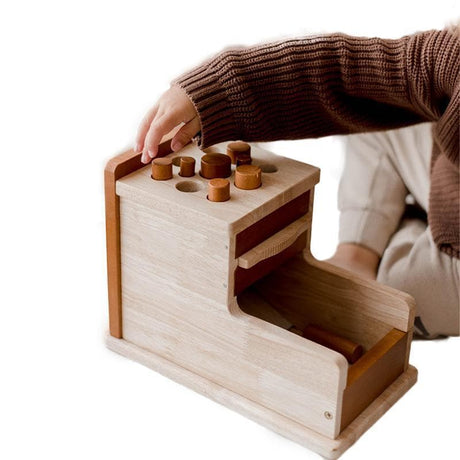
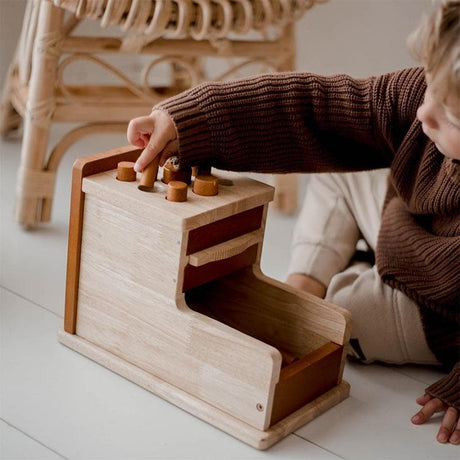
Posting toys may look simple, but they help little ones practise one of the most important early fine motor skills: picking up, controlling and intentionally releasing objects. Explore posting toys, posting box toys and Montessori-inspired posting activities designed to build hand-eye coordination, concentration and confidence through satisfying, hands-on play.


Posting Toys For Toddlers Learning Controlled Release

Why Posting Toys Are One Of The Best First Fine Motor Activities

Many toddlers go through a stage where they love placing objects into containers, dropping items into baskets or repeatedly moving objects from one place to another. While it may seem simple, this behaviour is an important developmental milestone. Posting toys harness this natural interest by encouraging children to practise grasping, controlling and releasing objects with increasing accuracy.

Unlike more complex fine motor toys, posting activities focus on a single skill at a time. This allows children to experience success quickly while building confidence through repetition. Whether using a posting box toy, ball posting toy or Montessori-inspired posting activity, children develop greater hand control, concentration and coordination through purposeful play.

Posting toys are often one of the first fine motor resources children can master independently. As confidence grows, these skills naturally support progression into peg boards, lacing activities, busy boards and other precision-based fine motor challenges.

Hand-Eye Coordination Controlled Release Concentration Fine Motor Skills

Develop Precise Hand Control

Posting activities encourage children to grasp, position and release objects with increasing accuracy. These repeated movements help strengthen the foundations of fine motor development.

Build Concentration Through Repetition

Many toddlers naturally enjoy repeating the same activity over and over. Posting toys provide a satisfying challenge that encourages focus, persistence and independent exploration.

Create Strong Foundations For Future Skills


The hand control developed through posting activities often supports later fine motor challenges such as peg boards, lacing toys, threading activities and early writing readiness.

Start Simple. Then Add Challenge.

Start with One — Then Add Complexity

Choosing too many shapes too early is the fastest way to lose engagement. Start simple and build from there.

If your child is just starting

  • Choose single-shape posting toys Look for large openings and easy placement Focus on repetition and success

If your child is ready for more challenge

  • Choose multi-shape sorting toys Look for matching and orientation challenges Focus on accuracy and thinking
Once your child can place pieces easily, it’s time to increase the challenge.

Sized for small hands and developing coordination

Openings designed for achievable accuracy

Durable materials for repeated use

What Should Parents Look For In A High Quality Posting Toy?

The best posting toys focus on simplicity rather than complexity. While many parents are drawn towards toys with multiple features, posting activities are most effective when they isolate a single developmental skill. Children benefit from clear, achievable challenges that allow them to practise grasping, positioning and releasing objects successfully.

Look for posting toys with appropriately sized pieces, smooth movement and obvious cause-and-effect outcomes. Wooden posting toys and Montessori-inspired posting boxes often work particularly well because they encourage repetition without overwhelming children with unnecessary distractions. A well-designed posting activity should feel satisfying to repeat while gradually improving hand control, concentration and confidence.

When Posting Toys May Not Be The Right Next Step

If your child already demonstrates strong fine motor control and quickly masters simple object placement activities, posting toys may feel too easy. Children who enjoy more complex problem solving often benefit from progressing towards peg boards, lacing toys or busy boards that require additional planning and precision.

Similarly, if your child is primarily interested in imaginative role play rather than skill-building activities, a posting toy may not hold their attention for extended periods. Posting activities are most successful when children enjoy repetition, exploration and mastering a specific physical skill through practice and independent discovery.

The Simple Activity That Builds Lifelong Fine Motor Skills
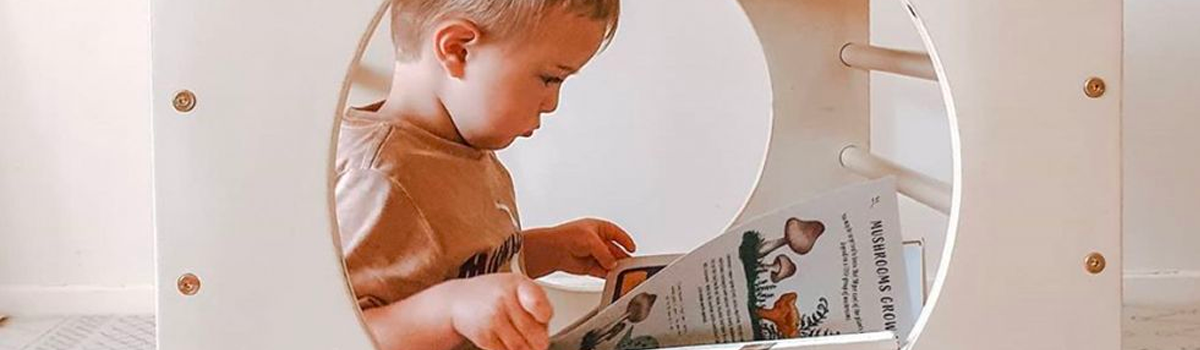
Posting toys often appear remarkably simple, yet they support some of the most important foundations of early childhood development. Every successful grasp, placement and release helps children strengthen the coordination, control and confidence needed for future fine motor learning.

Whether your child is exploring a posting box toy, a ball posting activity or a Montessori-inspired object permanence resource, these experiences provide meaningful opportunities to practise precision, concentration and independent problem solving. Through repetition and mastery, children learn that their actions have predictable outcomes, encouraging both confidence and persistence.

For many little ones, posting activities become the bridge between early exploratory play and more advanced fine motor challenges. By mastering this first stage, children often build the skills and self-belief needed to tackle increasingly complex activities with enthusiasm and success.

Frequently asked questions

Questions Parents Ask About Posting Toys

Are posting toys still valuable if my child already enjoys peg boards or lacing toys?

Yes, although the role of posting toys often changes as children become more confident with fine motor skills. For younger toddlers, posting activities are usually a primary learning tool that helps develop controlled release, hand-eye coordination and concentration. As children grow and begin enjoying peg boards, lacing toys and other precision-based activities, posting toys often become a confidence-building resource that supports mastery and independent success.

Many children naturally move between different fine motor challenges depending on their mood and developmental needs. A child who enjoys the complexity of a lacing toy may still return to a favourite posting box activity because it feels satisfying, familiar and achievable. This repetition continues strengthening motor patterns while providing opportunities for independent play.

Rather than viewing posting toys and advanced fine motor activities as competing options, it can be helpful to see them as part of the same developmental pathway. Posting toys build foundational skills, while peg boards and lacing toys expand upon them. Together, they create a progression that supports increasingly precise hand control, coordination and confidence throughout early childhood.

What should parents look for when choosing a posting toy for toddlers?

The best posting toys balance simplicity, safety and developmental value. Look for resources that are easy for little hands to manipulate while still providing enough challenge to encourage concentration and problem solving. Large pieces, smooth edges and clearly defined openings often make posting activities more accessible for younger toddlers.

It is also worth considering the child's current stage of development. Children who are new to posting activities often benefit from larger openings and simple object placement tasks. As confidence grows, toys that require greater precision can help maintain engagement and continue supporting fine motor development.

High-quality wooden posting toys and Montessori-inspired posting boxes are often popular because they encourage focused play without unnecessary distractions. A well-designed posting toy should invite repetition, support independent exploration and provide opportunities for children to experience success through their own effort and persistence.

How can parents tell when a child is ready to move beyond posting toys?

Children often show clear signs when they are ready for more advanced fine motor challenges. A child who quickly completes posting activities, shows little interest in repetition or actively seeks more complex tasks may be ready to progress towards peg boards, lacing toys, threading activities or busy boards.

Another indicator is increasing precision. Once a child can confidently place objects into openings with little effort, they may benefit from activities requiring greater accuracy, planning and coordination. Peg boards, for example, require more precise placement, while lacing toys introduce bilateral coordination and sequencing skills.

This does not necessarily mean posting toys should disappear entirely. Many children continue enjoying them alongside more advanced activities. The key is ensuring there is enough challenge to maintain engagement. Fine motor development is a progression, and posting toys often provide the important foundation that makes later skills easier to master.

Why do children repeat posting activities over and over again?

Repetition is one of the primary ways young children learn. When a toddler repeatedly places an object into a posting box, they are not simply repeating an action for entertainment. They are refining movement patterns, improving coordination and gaining confidence through successful experiences. Every repetition helps strengthen neural pathways associated with motor control and problem solving.

Many adults become bored with repetitive activities because they have already mastered the skill. For children, however, repetition provides an opportunity to practise until a movement becomes automatic. This process helps build both competence and confidence. Posting toys are particularly effective because they offer immediate feedback. Children can clearly see whether their action was successful, which motivates them to continue exploring and improving.

This deep focus is often one reason posting activities hold a child's attention longer than more complicated toys. By repeating a simple challenge many times, children can achieve mastery while strengthening concentration, persistence and independent learning behaviours.

Why do Montessori classrooms often use posting activities?

Montessori environments frequently use posting activities because they isolate and strengthen a single developmental skill without unnecessary distractions. Rather than overwhelming children with lights, sounds or multiple challenges at once, Montessori posting toys encourage focused repetition and purposeful movement. This allows children to fully concentrate on refining hand control and coordination.

One of the core principles of Montessori education is providing activities that match a child's developmental readiness. Posting toys align perfectly with this approach because many toddlers naturally show interest in placing objects into containers and repeating actions that produce predictable outcomes. The activity feels meaningful to the child because it builds on existing interests and abilities.

Montessori posting activities also encourage independence. Children can often complete the task without adult assistance, helping them build confidence through mastery. The simple design of many wooden posting toys allows little ones to focus on movement, concentration and repetition, creating valuable opportunities for deep engagement and self-directed learning.

What is an object permanence box and how is it different from other posting toys?

An object permanence box is a specific type of Montessori-inspired posting toy designed to help children understand that objects continue to exist even when they can no longer see them. This concept, known as object permanence, is an important developmental milestone that usually emerges during infancy and toddlerhood.

Unlike many posting toys that focus purely on placing objects into a container, object permanence boxes often allow children to follow the movement of a ball or object as it travels through the box before reappearing. This creates a powerful connection between action and outcome while encouraging visual tracking, concentration and problem solving.

Many children become deeply engaged with object permanence boxes because they combine movement, repetition and discovery. Alongside supporting cognitive development, these activities also strengthen hand-eye coordination, controlled release and fine motor skills. For families following Montessori principles, object permanence boxes are often considered one of the most valuable early learning resources because they encourage independent exploration while supporting both physical and cognitive development.

What is the difference between a posting toy and a shape sorter?

Although they may appear similar, posting toys and shape sorters serve different developmental purposes. Posting toys focus primarily on the physical skill of grasping, positioning and releasing an object into a target. The challenge is usually straightforward, allowing children to concentrate on developing hand control and coordination.

Shape sorters introduce an additional layer of problem solving. Children must identify shapes, match them correctly and determine which opening each piece belongs in before completing the task. This requires greater cognitive processing alongside the physical movement.

Because posting toys isolate a single fine motor skill, they are often introduced earlier than shape sorters. Many children find posting activities easier to master, which helps build confidence and encourages repetition. Once controlled release and object placement become more established, shape sorters can provide an effective next step by combining fine motor development with early problem-solving skills.

At what age are posting toys appropriate?

Posting toys are often introduced between 12 and 24 months, although readiness depends more on developmental stage than age alone. Children who can intentionally pick up objects, transfer them between hands and place items into containers often show signs that they are ready for simple posting activities.

Many toddlers naturally demonstrate readiness by repeatedly dropping toys into baskets, placing objects into boxes or attempting to fit items through openings. These behaviours indicate growing hand control and curiosity about cause-and-effect relationships. A posting toy provides a structured opportunity to practise these skills while encouraging greater accuracy and coordination.

As children become more confident, they often progress from large opening posting boxes to activities requiring greater precision. This gradual increase in challenge helps maintain engagement while supporting ongoing fine motor development. Choosing a posting toy that matches a child's current abilities often leads to greater confidence, concentration and long-term enjoyment.

What fine motor skills do posting toys help children practise?

Posting toys primarily help children develop controlled release, hand-eye coordination and object placement accuracy. While these skills may seem simple, they form the foundation for many later fine motor abilities. Every time a child grasps an object, aligns it with an opening and intentionally releases it, they are practising important coordination and control skills.

Posting activities also encourage bilateral coordination, which is the ability to use both hands together. Children may hold a box with one hand while manipulating an object with the other, gradually developing greater coordination between both sides of the body. These skills later contribute to activities such as drawing, cutting, dressing independently and using utensils.

Many posting toys also encourage concentration and persistence because children must repeat the same movement successfully multiple times. This combination of physical skill development and focused attention makes posting activities one of the most effective early fine motor resources available for toddlers.

Why do toddlers love posting toys so much?

Many toddlers are naturally drawn to posting activities because they combine movement, repetition and predictable outcomes. During the second year of life, children often become fascinated with putting objects into containers, dropping items into baskets and moving objects from one place to another. These actions help them explore cause and effect while developing greater control over their movements.

Posting toys tap directly into this developmental stage. Every successful placement gives children immediate feedback, helping them understand that their actions produce a result. Unlike more complex toys that require multiple skills at once, posting activities focus on a single achievable challenge. This allows children to experience success repeatedly, which often encourages longer periods of concentration and independent play.

Many parents are surprised by how often little ones return to posting toys. What appears repetitive to adults is often a valuable opportunity for children to refine hand-eye coordination, strengthen motor control and build confidence through mastery of a skill they can successfully repeat.