
Click & Collect or 24hr Dispatch*

15% Off Sitewide & Clearance*

EOFY15
Calm Movement & Mindful Play

Kids Yoga

Discover kids yoga cards, mindful movement games, and calming sensory activities designed to help children build body awareness, confidence, focus, and emotional regulation through gentle movement play. From yoga for toddlers to movement breaks for preschoolers, these activities support calm transitions, sensory regulation, and screen-free connection at home, in classrooms, or during quiet time routines.


Calming Movement Activities for Toddlers Who Struggle to Sit Still

Why Kids Yoga Activities Feel Different to Traditional Active Play

Kids yoga is not about perfect poses or structured exercise routines. For young children, yoga activities are a playful way to explore movement, breathing, stretching, balance, and emotional regulation in a calm, low-pressure environment.

Many parents discover yoga activities while searching for calming sensory activities, movement breaks for children, or screen-free ways to help energetic children regulate throughout the day. Gentle movement activities can support body awareness, focus, confidence, and emotional control without overwhelming children who struggle with stillness, transitions, or overstimulation.

For toddlers and preschoolers, yoga often works best when it feels playful and achievable. Visual yoga cards, animal-inspired movements, breathing games, and simple stretching prompts help children join in naturally without needing prior experience or long attention spans.

These activities are especially popular for:

  • calm down corners
  • bedtime wind-down routines
  • classroom movement breaks
  • sensory regulation support
  • anxious or highly active children
  • mindfulness routines for preschoolers

The goal is not performance. The goal is helping children feel calmer, more connected to their bodies, and more confident exploring movement at their own pace.

Yoga Cards for Kids Mindfulness Activities Movement Break Games Calming Sensory Activities

Supports Body Awareness Through Gentle Movement

Yoga activities encourage children to notice how their bodies move, stretch, balance, and respond to pressure. This helps build proprioceptive awareness, coordination, and confidence while supporting calmer movement patterns. Many children who seek movement or struggle to regulate benefit from slow, predictable movement activities that feel safe and achievable.

Creates Calm Movement Opportunities Throughout the Day

Many children need movement before they can focus, transition, or settle. Kids yoga activities provide a calmer alternative to high-energy play by combining stretching, breathing, balancing, and mindful movement into short, manageable activities. Parents and educators often use yoga cards for movement breaks, quiet time routines, or emotional regulation support.

Easy for Toddlers, Preschoolers, and Beginners

Children do not need flexibility, coordination, or prior experience to enjoy yoga activities. Visual prompts, playful poses, and animal-themed movements make yoga approachable even for children who normally avoid structured activities. Beginner-friendly yoga cards and movement games allow children to participate at their own pace without pressure to “perform.”

Shop by need

Yoga Activities for Preschoolers and Classroom Movement Breaks


Short yoga prompts and movement cards are popular in classrooms, therapy spaces, and homes because they are easy to introduce without preparation or equipment. Preschool yoga activities can support focus, body awareness, group participation, and emotional regulation while giving children a healthy movement outlet during long periods of sitting or indoor play.

Calming Movement Activities for Toddlers Who Struggle to Sit Still


Many toddlers and preschoolers regulate best through movement rather than sitting quietly for long periods. Gentle yoga activities give children a safe, structured way to stretch, balance, breathe, and release energy without becoming overstimulated. Calm movement routines can work particularly well before meals, bedtime, learning activities, or transitions where children need help slowing their bodies down gradually.

Yoga Activities for Preschoolers and Classroom Movement Breaks


Short yoga prompts and movement cards are popular in classrooms, therapy spaces, and homes because they are easy to introduce without preparation or equipment. Preschool yoga activities can support focus, body awareness, group participation, and emotional regulation while giving children a healthy movement outlet during long periods of sitting or indoor play.

Choosing the Right Starting Point

What Type of Kids Yoga Activity Is Best?

The best starting point depends on how your child prefers to move, learn, and regulate.

Choose Yoga Cards If Your Child…

  • learns best visually enjoys copying movements benefits from predictable routines struggles with long instructions prefers independent activities enjoys calm, screen-free play

Choose Movement Games If Your Child…

  • seeks constant movement struggles with transitions enjoys group participation benefits from active regulation loses interest quickly needs movement breaks during the day
Many families begin with simple yoga cards and gradually introduce breathing activities or movement games as children become more confident and engaged.

Why Families Choose My Happy Helpers for Calm Movement Activities

Screen-free movement activities designed for real family routines

Gentle, sensory-friendly activities suitable for home or classroom use

Beginner-friendly options for toddlers, preschoolers, and neurodivergent children

What Makes Kids Yoga Activities Easier for Young Children?

The most successful yoga activities for toddlers and preschoolers feel playful, visual, and low-pressure. Children often engage more easily with:
animal-themed poses
short movement prompts
visual yoga cards
breathing games
simple balance activities
movement breaks under 5 minutes
Parents should not expect long yoga sessions or perfect participation. The goal is creating positive movement experiences that help children regulate and reconnect with their bodies naturally over time.

When Kids Yoga May Not Be the Best Fit

Some children strongly prefer fast-paced movement, outdoor running games, climbing activities, or sensory-heavy play. If a child becomes frustrated by slower movement or guided prompts, active vestibular play or gross motor toys may feel more engaging initially. Yoga activities work best when introduced gently without pressure, expectations, or forced participation.

Helping Children Build Calm, Confidence, and Body Awareness Through Movement
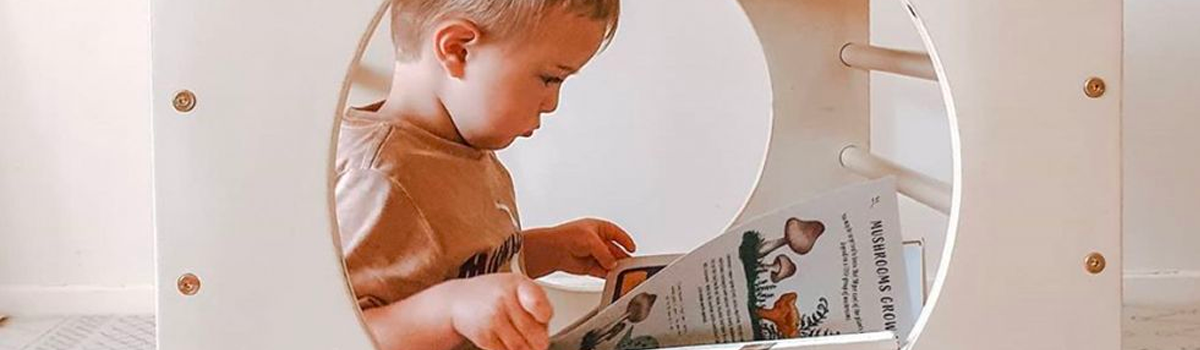
Kids yoga activities create opportunities for children to move, stretch, breathe, and regulate in ways that feel achievable and calming rather than overwhelming. Whether you are introducing movement breaks, supporting sensory regulation, or simply looking for screen-free calm activities, yoga and mindful movement can become a valuable part of everyday routines for toddlers, preschoolers, and growing children.

Frequently asked questions
What type of yoga activities work best for active toddlers?

Highly active toddlers often respond best to movement-focused yoga activities rather than quiet mindfulness exercises. Animal walks, balance poses, stretching games, movement cards, and short movement breaks usually feel more engaging than longer guided routines. Activities that allow children to move frequently while still slowing their bodies gradually tend to work best.

Can yoga help children focus in the classroom?

Many educators use yoga activities and movement breaks to help children reset attention, regulate energy, and transition more calmly between learning tasks. Short stretching routines, breathing exercises, and guided movement activities can provide a gentle sensory reset during long periods of sitting or concentrated learning.

How do you introduce yoga to toddlers?

The best way to introduce yoga to toddlers is through playful movement rather than formal instruction. Start with short activities like animal poses, stretching games, breathing exercises, or visual yoga cards. Toddlers usually engage best when yoga feels fun, interactive, and pressure-free. Sessions should remain very short and flexible, allowing children to move in and out of activities naturally.

Are yoga cards suitable for autistic children?

Many autistic children enjoy yoga cards because they provide visual structure, predictable movements, and low-pressure participation. Visual prompts can reduce processing demands while helping children follow movement activities independently. Some children enjoy calming stretches and breathing routines, while others prefer more active movement-based yoga games. The key is allowing children to engage at their own pace without forcing participation.

What are the benefits of yoga for preschoolers?

Yoga for preschoolers can support body awareness, balance, coordination, flexibility, focus, emotional regulation, confidence, and calm transitions. Preschool yoga activities also encourage listening skills, movement imitation, breathing awareness, and self-regulation in ways that feel playful rather than instructional. Many children benefit from short yoga movement breaks during busy or overstimulating days.

Is yoga good for sensory seekers?

Many sensory seekers respond positively to yoga because it combines movement, pressure, stretching, balance, and body awareness in a calming way. Proprioceptive input from stretching, pushing, balancing, and holding positions can feel grounding for children who constantly seek movement or struggle to regulate their energy levels. Yoga activities are often used alongside other sensory movement tools and calm-down strategies.

Can yoga help children with emotional regulation?

Yoga activities can help many children practise calming strategies through movement, breathing, stretching, and predictable routines. Gentle movement helps children release tension physically while building awareness of how their bodies feel during stress, excitement, or overwhelm. Many families use yoga as part of calm-down routines, bedtime transitions, sensory regulation support, or movement breaks throughout the day.

What age can children start yoga activities?

Most children can begin simple yoga activities from around 2–3 years old when movement is presented through playful prompts, visual cards, or imitation games. Toddler yoga should focus on short, achievable movements rather than structured sessions. Animal poses, stretching games, and breathing activities are often the easiest introduction for young children. Preschool yoga activities usually become more engaging around 4–5 years old as children develop stronger body awareness, coordination, and attention spans.