
Click & Collect or 24hr Dispatch*

A Place That's Theirs, Not Just Another Toy

Waldorf Playstands

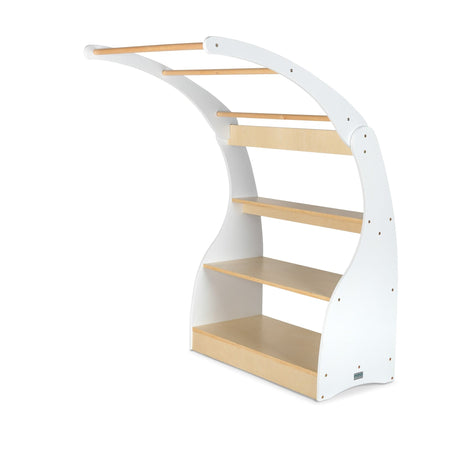
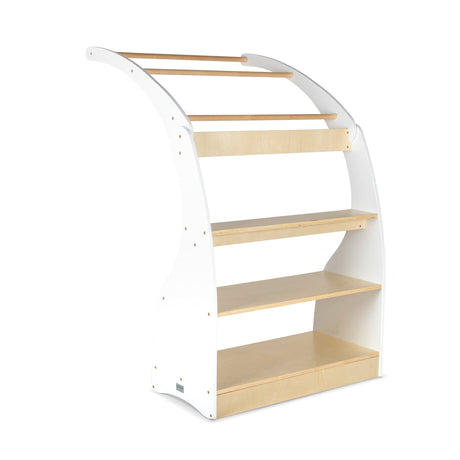
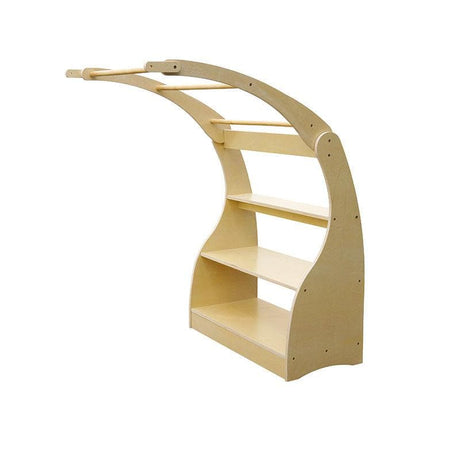
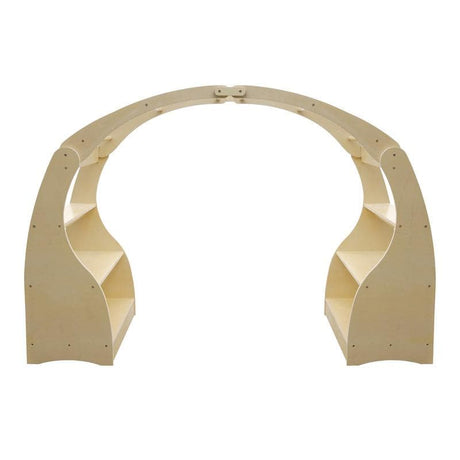
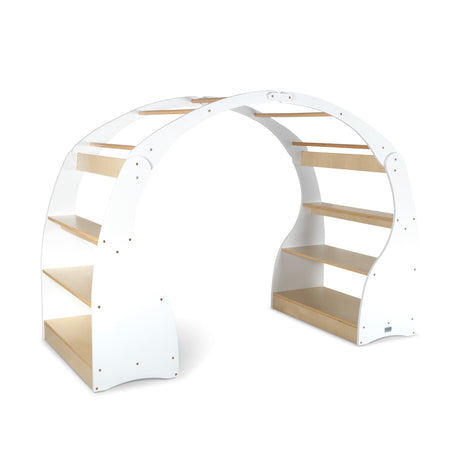
A Waldorf playstand is a simple wooden frame, but in our experience that's not why children love it. After years of helping families create play spaces, we've noticed something much simpler: children love having a place that's theirs. Not their bedroom, not the family lounge - their own little corner of the world. That's what a Waldorf playstand really gives them, and it's why we'd suggest thinking of it less as a toy and more as a place.


What A Waldorf Playstand Really Gives A Child

Most families come to a Waldorf playstand expecting beautiful timber and the words 'open-ended play', and both are true. But the reason a playstand earns its place isn't the material or the label - it's that it gives a child somewhere that feels like their own. Instead of pulling cushions off the couch every afternoon to build a cubby, they already have a permanent spot that's theirs to turn into whatever they're imagining. Our Waldorf playstands are solid wood, built to be draped, leaned on and reinvented daily, and they pair naturally with a set of play silks to change the scene in seconds. If you'd like the wider thinking first, our guide on Montessori versus Waldorf is a good place to start.

A Place That's Theirs Solid Wood Pairs With Play Silks Grows With Your Child

A Waldorf Playstand Rarely Stays The Same Two Days Running

One of our favourite things about a Waldorf playstand is that it never seems to have one purpose. We've seen them become cafes, supermarkets, castles, puppet theatres, doll houses, reading corners and animal hospitals - and a couple of play silks change everything. Yesterday it was a cubby, today it's a bakery, tomorrow it's a pirate ship. The playstand quietly disappears into whatever story your child is creating, which is something very few toys can actually do. That shape-shifting is the whole point of an open-ended play stand: the play comes from the child, not the toy.

A Playstand Gives Imagination Somewhere To Live

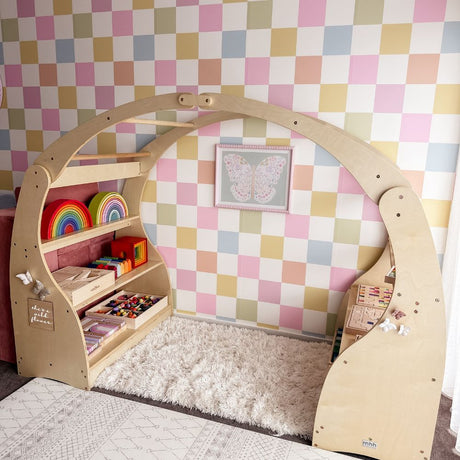
This might sound strange, but in our experience a Waldorf playstand doesn't create imagination - it gives it a home. The children who thrive most with a playstand are the ones already building cubbies from blankets, hiding under tables and turning cardboard boxes into spaceships. A playstand simply gives them a permanent place to keep doing it. Instead of dismantling the couch every afternoon, they have somewhere that already feels like their own, ready for whatever they dream up next. If your child loves making dens, a wooden play stand is less a new idea than a proper home for one they already have.

Why A Waldorf Playstand Becomes The Heart Of The Playroom

Over the years we've noticed the playstand becomes the place children naturally return to - not because they're told to, but because that's where everything happens. Books get read there, tea parties are hosted there, soft toys sleep there, friends squeeze inside together. Sometimes children don't even seem to need a reason; they just like sitting in it. We think that's because young children naturally love spaces that feel cosy and enclosed, and a Waldorf playstand gives them a sense of comfort and ownership that's hard to explain until you've watched it happen in your own home.

Why Families Choose Our Waldorf Playstands

Becomes A Cubby, Cafe, Castle Or Theatre

Solid Wood That Suits The Living Room

Grows With Your Child For Years

What To Look For In A Waldorf Playstand

A few things separate a Waldorf playstand a child lives in from one that gets ignored. Solid timber comes first - a playstand is draped, leaned on and climbed near every day, so a sturdy wooden frame matters far more than decorative detail. Open, simple shaping is next: the less a playstand tells a child what it is, the more freely it becomes a cafe, a castle or a cubby, so look for an open frame rather than a fixed shopfront or kitchen. Height and stability matter too - a play stand a child can reach into and around safely, steady enough not to tip when they lean on it. And finally, look for one that pairs well with play silks and a few cushions, because that's how a single frame turns into a different world each day.

The One Thing We'd Say About A Waldorf Playstand

If we could give one piece of advice, it's this: don't think of a Waldorf playstand as another toy - think of it as giving your child a place. A place to imagine, a place to read, a place to hide, a place to invite a sibling in, a place to sit quietly when they need a little space. That reframe is why families still tell us years later that the playstand was one of the best additions they made to their playroom - not because of what the playstand was, but because of everything it became. A wooden play stand is one of the rare purchases parents tell us they'd happily make again.

A Waldorf Playstand That Becomes A Place Of Their Own
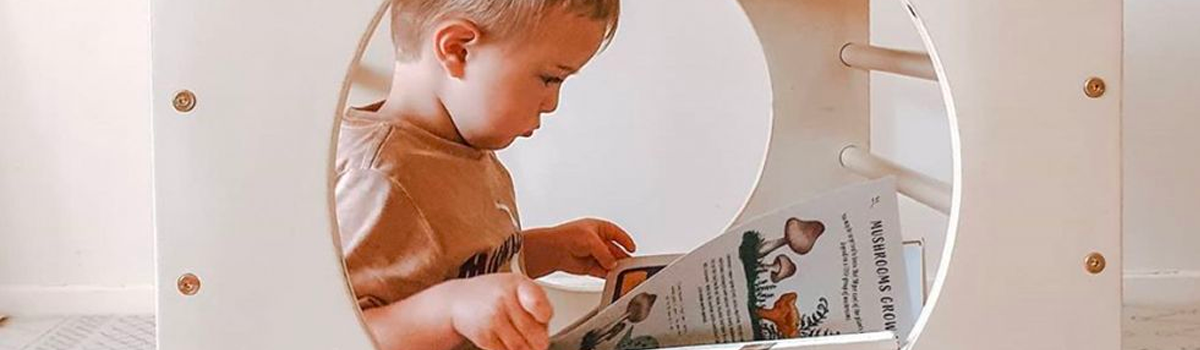
A Waldorf playstand earns its place quietly: it gives a child somewhere that's theirs, ready to become whatever they imagine, and it keeps doing it as they grow. Choose a solid timber play stand with an open, simple frame, pair it with a few play silks and cushions, and it becomes the corner of the room a child returns to for years. Explore the range above, and if you're weighing the wider approach, our guide on Montessori versus Waldorf goes deeper.

Frequently asked questions
Is a Waldorf playstand worth it?

In our experience, it's one of the purchases families most often say they'd make again. It lasts across several ages as the play evolves, it suits a living room as much as a playroom, and it becomes the heart of a child's space rather than another toy that's outgrown in a season. We'd suggest thinking of a playstand as giving your child a place, not buying another toy - that's why it tends to be remembered as one of the best additions to a playroom.

Why do children keep coming back to the playstand?

Because it becomes the place everything happens. Books get read there, tea parties are hosted there, soft toys sleep there, and friends squeeze inside together. Young children naturally love cosy, enclosed spaces, and a Waldorf playstand gives them a sense of comfort and ownership - a corner of the room that's theirs. Often they don't even need a reason; they just like being in it.

Does a Waldorf playstand actually encourage imagination?

It encourages it, but in our experience it doesn't create it from nothing - it gives imagination a permanent home. The children who thrive most with a playstand are the ones already building cubbies from blankets and turning boxes into spaceships. A Waldorf playstand simply gives them somewhere that's already theirs to keep creating, instead of rebuilding a den from couch cushions every afternoon.

Do I need play silks with a Waldorf playstand?

Not essential, but they make a real difference. A couple of play silks draped over the frame turn a playstand from a cubby into a castle, a cafe awning or a puppet-theatre curtain in seconds, which is a big part of how one frame becomes a different world each day. Many families pair a playstand with a small set of silks for exactly this reason.

Are your Waldorf playstands solid wood?

Yes. We stock Waldorf playstands in solid timber rather than lightweight board, because a playstand is draped, leaned on and built around every day. Solid wood construction is also what lets it look at home in a living room as well as a playroom, and what allows it to last from the toddler pretend-play years into older imaginative play.

What age is a Waldorf playstand for?

A Waldorf playstand suits children from toddlerhood through the early primary years, because it grows with them. A two-year-old uses it as a little cubby, a four-year-old as a cafe, a six-year-old as a puppet theatre, and later as a quiet reading nook. The frame stays the same while the play evolves, which is what makes a playstand one of the few toys that lasts across several ages.

What can you use a Waldorf playstand for?

Almost anything a child can imagine. We've seen playstands become cafes, supermarkets, castles, puppet theatres, doll houses, reading corners and animal hospitals. Paired with play silks, cushions or a few props, the same play stand supports shop play, puppet shows, dress-up, tea parties and quiet dens. Its value is that it's never one thing, so it keeps being used as a child's play changes.

What is a Waldorf playstand?

A Waldorf playstand is a simple open wooden frame designed for open-ended play. With nothing fixed about its purpose, a child turns the playstand into a cafe, a castle, a puppet theatre, a shop or a cubby, often changing what it is from one day to the next. Draping play silks over it transforms the scene in seconds. The open frame is the point - the play comes from the child.