
Click & Collect or 24hr Dispatch*

15% Off Sitewide & Clearance*

EOFY15
Helping Children Who Seek Pressure, Resistance And Body Awareness Through Sensory Play

Heavy Work Toys

Some children are constantly carrying, pushing, pulling, crashing into cushions or wrapping themselves tightly in blankets. Others seem calmer after physical effort or naturally seek activities that provide pressure and resistance. Proprioceptive play focuses on the body awareness experiences that help many children feel organised, grounded and comfortable in their environment.

Start here

Not all children seek body-based sensory input in the same way. Some seek resistance and effort, while others benefit from pressure, calming routines or activities that help them reconnect with their bodies.

Understanding the type of body awareness experiences your child naturally seeks can help reduce overwhelm and make it easier to identify what may support them most effectively.

View as

Why Some Children Seek Pressure, Resistance & Heavy Body Input

Some children regulate best when their body receives strong, clear sensory feedback. This may look like crashing into furniture, pushing against walls, squeezing objects, asking for tight hugs, climbing over people, stomping, jumping, or using too much force during everyday play.

This type of sensory seeking is often connected to proprioception, which is the body’s sense of where it is and how much force it is using. For parents, it is often easier to think of it as body awareness, pressure, resistance, or heavy work input.

Not every child needs the same kind of body input. Some need active resistance through pushing, pulling, or stretching. Some need calming pressure through weighted toys. Others need slow body-based routines like yoga, stretching, and breathing to help them feel more grounded.

Body Awareness Deep Pressure Heavy Work Input Calm Body Routines
Sometimes The Need Is Movement Rather Than Pressure

Many Parents Confuse Movement Seeking And Pressure Seeking

While proprioceptive play focuses on pressure, resistance and body awareness, some children are primarily seeking movement through spinning, balancing, rocking and motion-based sensory experiences.

Helping Children Feel More Grounded In Their Body

Proprioceptive sensory needs can look confusing at home because they often show up as rough play, crashing, squeezing, leaning, or constant body pressure seeking. Once you understand whether your child needs resistance, deep pressure, or slower body awareness routines, it becomes much easier to choose sensory support that feels calm, practical, and genuinely helpful.

Frequently asked questions

Questions parents often ask

How can proprioceptive sensory activities help children calm down after school?

Many children hold their body together all day at school, childcare, or kinder while managing noise, social interaction, focus demands, transitions, and sensory overwhelm. Once they arrive home, their nervous system may suddenly seek stronger body input through crashing, rough play, squeezing, jumping, stomping, or emotional outbursts because they are trying to regulate accumulated sensory stress.

Proprioceptive sensory activities can help children feel more grounded after school by giving the body stronger physical feedback through resistance, pressure, stretching, carrying, pushing, pulling, weighted comfort, or slow body-awareness routines. For many families, calmer after-school regulation routines work best when they provide purposeful body input before expecting children to sit still, focus on homework, or transition into quieter evening activities.

What is the difference between weighted toys, resistance toys, and vestibular movement toys?

Weighted toys, resistance toys, and vestibular sensory toys all provide different types of sensory input, which is why children often respond very differently to each category. Weighted toys focus on deep pressure and grounding sensory feedback that can feel calming and emotionally regulating for children who seek steady body pressure.

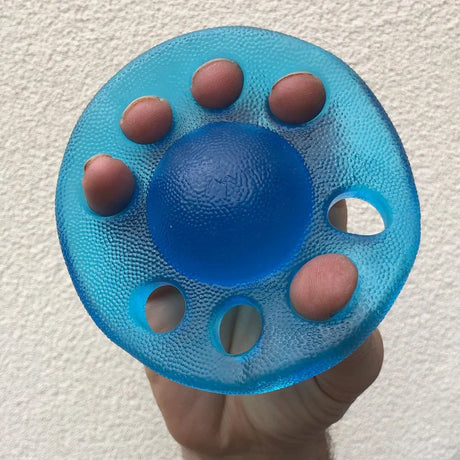
Resistance toys focus more on active heavy work input through pushing, pulling, stretching, squeezing, or force-based body engagement. These toys are often better suited to children who constantly crash, stomp, climb, push furniture, or seek stronger physical feedback through movement and resistance.

Vestibular movement toys are different again because they focus on spinning, rocking, balancing, wobbling, and motion-based sensory input rather than pressure or resistance. Understanding whether your child seeks movement, pressure, or resistance makes it much easier to choose sensory toys that genuinely support regulation.

What are the best proprioceptive sensory toys for body awareness and calming?

The best proprioceptive sensory toys depend on the type of body input your child naturally seeks most often. Children who constantly push, pull, crash, squeeze, or use excessive force may benefit from resistance toys that provide active heavy work input through stretching, pulling, and pressure-based play.

Children who calm down through firm hugs, blankets, pressure, or steady body feedback may respond better to weighted toys that provide grounding deep pressure input during rest, transitions, or emotional overwhelm. Some children benefit most from slower body-awareness activities like yoga, stretching, breathing routines, and controlled movement that help organise the body more gently.

Choosing proprioceptive sensory toys based on how your child regulates their body is usually far more effective than simply choosing a generic sensory product.

What is the difference between weighted toys, resistance toys, and vestibular movement toys?

Weighted toys, resistance toys, and vestibular sensory toys all provide different types of sensory input, which is why children often respond very differently to each category. Weighted toys focus on deep pressure and grounding sensory feedback that can feel calming and emotionally regulating for children who seek steady body pressure.

Resistance toys focus more on active heavy work input through pushing, pulling, stretching, squeezing, or force-based body engagement. These toys are often better suited to children who constantly crash, stomp, climb, push furniture, or seek stronger physical feedback through movement and resistance.

Vestibular movement toys are different again because they focus on spinning, rocking, balancing, wobbling, and motion-based sensory input rather than pressure or resistance. Understanding whether your child seeks movement, pressure, or resistance makes it much easier to choose sensory toys that genuinely support regulation.