
Click & Collect or 24hr Dispatch*

Helping Children Participate in Real Life

Montessori Practical Life

Practical Life play is where everyday moments become meaningful.
Instead of toys that distract, these are tools that invite your child to take part — pouring, preparing, carrying, helping.

This isn’t about keeping them busy.
It’s about helping them feel capable, included, and confident in the world around them.

Start here

Support your child in learning the real skills they see every day — from preparing food and pouring drinks to cleaning, organising and caring for their space. Practical life play isn’t about pretending. It’s about doing. These are the moments where children build independence, confidence and a true sense of capability — through simple, hands-on experiences that feel meaningful to them.

Start with the everyday tasks your child is naturally drawn to, then choose tools that let them safely take part — building independence, coordination and confidence in ways that carry beyond play.

View as

Practical Life Is About Participation, Not Entertainment

Children are naturally drawn to the real work happening around them. They watch adults prepare meals, tidy spaces, use tools and complete everyday tasks, then often insist on helping. Practical Life activities provide safe, age-appropriate ways for children to participate in these routines rather than simply observing from the sidelines. Through meaningful involvement, children gradually develop confidence, responsibility and independence while building a stronger sense of belonging within the family.

Growing Confidence Real Responsibilities Family Participation Everyday Independence
Independence Starts With Small Movements

Many Practical Life Skills Begin With Hand Control And Coordination

Pouring, cutting, carrying and preparing all rely on the development of fine motor control. Understanding how children build these foundational skills can help support greater independence in everyday tasks.

Children Learn Confidence By Contributing

Many parents feel pressure to constantly create activities for their children, yet young children are often most motivated by the opportunity to participate in real life. Helping prepare food, carrying responsibilities and contributing to family routines can be just as meaningful as any structured learning experience.

Practical Life is not about expecting children to do everything independently. It is about gradually creating opportunities for participation that match their abilities and confidence. Small responsibilities often become the foundation for larger skills over time.

By allowing children to contribute in ways that feel genuine and purposeful, families often discover that independence grows naturally through everyday experiences rather than formal lessons.

Frequently asked questions

Questions parents often ask

What Is The Goal Of Practical Life In Montessori Education?

The goal of Practical Life is not simply to teach children practical skills. While children certainly learn how to complete everyday tasks, the deeper purpose is to help them become independent, capable and confident participants in their environment.

Practical Life activities provide opportunities for children to develop concentration, coordination, responsibility and self-confidence through meaningful experiences. By participating in real tasks, children gain a sense of purpose and belonging while learning how their actions contribute to the world around them.

Montessori education places significant importance on these experiences because they align closely with children's natural desire to imitate adults and participate in everyday life. Rather than separating learning from real experiences, Practical Life integrates learning into daily routines and responsibilities.

Ultimately, Practical Life helps children move from dependence towards increasing independence. Through participation, repetition and meaningful contribution, children develop skills that support not only practical competence but also confidence, responsibility and lifelong learning.

How Do Practical Life Activities Build Confidence?

Confidence often develops through competence. When children are given opportunities to participate in meaningful tasks and experience success through their own efforts, they gradually build trust in their abilities. Practical Life activities provide countless opportunities for this process to occur naturally.

Unlike activities designed purely for entertainment, Practical Life tasks have visible outcomes. Children can see the results of their actions when they prepare food, carry items, contribute to routines or complete responsibilities. These experiences help reinforce the idea that their efforts matter and that they are capable of contributing.

Confidence also grows through repetition. Children become more comfortable and capable when they are allowed to revisit familiar tasks and gradually improve over time. Small successes accumulate, creating a stronger sense of independence and self-belief.

Rather than relying solely on praise, Practical Life encourages children to gain confidence through genuine accomplishment. This often creates a more durable form of confidence because it is built on experience rather than external validation alone.

What Everyday Tasks Can Young Children Learn Safely?

Young children are capable of far more than many adults initially expect. While safety and supervision remain important, children can often participate in a wide range of practical activities when tasks are matched appropriately to their age and abilities.

Simple responsibilities such as carrying items, pouring water, helping prepare food, setting the table, tidying materials and assisting with household routines are often accessible long before children can complete more complex tasks independently. The goal is not perfection but participation.

Practical Life activities are most effective when they allow children to contribute meaningfully without becoming overwhelmed. Small responsibilities that feel achievable help build confidence while encouraging persistence and independence. As children gain experience, these opportunities can gradually expand.

Importantly, Practical Life is not about expecting children to behave like adults. It is about recognising their desire to participate and creating safe ways for them to practise real skills through everyday experiences. These opportunities often become valuable foundations for future confidence and responsibility.

Why Is Real Participation Different From Pretend Play?

Both pretend play and Practical Life have value, but they serve very different purposes. Pretend play allows children to imagine, create stories and explore ideas through role play. Practical Life, however, involves participation in real activities that contribute to everyday family life.

A child pretending to cook is engaging imagination and creativity. A child helping prepare ingredients for a real meal is participating in Practical Life. While the activities may appear similar from a distance, the underlying experience is very different.

Many young children are naturally motivated by real work. They often want to use the tools adults use, contribute to family routines and take part in meaningful tasks. Practical Life provides opportunities for this participation while supporting independence and responsibility.

Importantly, Practical Life does not replace pretend play. Instead, it complements it by recognising that children often gain confidence and satisfaction from contributing to real experiences. Providing opportunities for both imaginative exploration and meaningful participation can help create a balanced and engaging environment for young children.

How Does Practical Life Support Independence?

Independence rarely develops through instruction alone. Children become independent by participating, practising and gradually taking ownership of tasks they can manage for themselves. Practical Life activities create opportunities for this process to occur naturally through everyday experiences.

Many young children want to do more than adults expect. They want to pour their own drink, prepare part of a meal, carry items, tidy spaces and contribute to family routines. Practical Life provides safe and manageable ways for children to take on these responsibilities while building confidence in their abilities.

The value of Practical Life is not simply that children learn individual tasks. Through repeated opportunities to participate, children begin seeing themselves as capable contributors. They develop persistence when things do not go perfectly, learn how to solve small problems and gain confidence through experience rather than praise alone.

Over time, these experiences often influence far more than practical skills. They contribute to resilience, responsibility and a growing belief that children are capable of participating meaningfully in the world around them.

Why Do Toddlers Always Want To Help Adults?

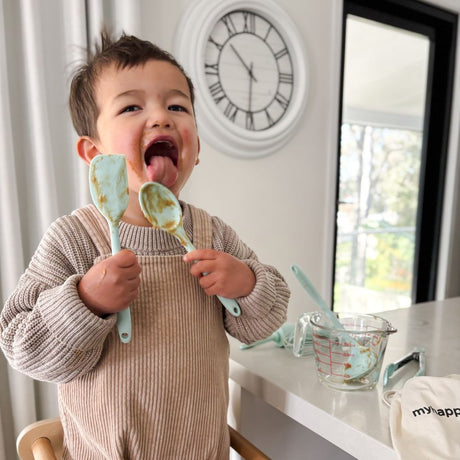
Many parents notice that toddlers constantly want to participate in whatever adults are doing. Whether it is cooking, cleaning, gardening or preparing meals, children often show far greater interest in real activities than many adults expect. While this behaviour can sometimes feel inconvenient, it reflects an important stage of development.

Young children are naturally drawn to meaningful work. They observe the people around them and become curious about how everyday tasks are completed. Participation allows them to feel included while helping them understand how the world functions. Unlike adults, children are often less concerned with efficiency and more interested in the process itself.

Helping also provides opportunities for independence. Toddlers are developing a growing sense of self and frequently seek chances to demonstrate capability. Even small tasks can feel significant because they allow children to contribute rather than simply observe.

Rather than viewing this desire to help as a phase to manage, many Montessori educators see it as an important opportunity. Supporting participation can help children build confidence while encouraging responsibility, coordination and a sense of belonging within family life.

What Are Practical Life Activities In Montessori?

Practical Life activities are one of the foundational areas of Montessori education. Rather than focusing on academic learning or structured lessons, Practical Life centres on helping children participate meaningfully in the everyday activities that occur around them. These experiences often include preparing food, pouring, carrying, cleaning, dressing, setting tables and contributing to family routines.

The purpose is not simply to teach children how to complete tasks. Practical Life activities help children develop independence, coordination, concentration and confidence through real experiences. Unlike many traditional children's activities, the goal is not entertainment. Instead, children are given opportunities to contribute in ways that feel purposeful and relevant to their daily lives.

Many young children naturally show a strong desire to help adults. Practical Life recognises this instinct and provides safe, age-appropriate ways for children to participate. Through repeated opportunities to practise meaningful tasks, children gradually build skills while developing a stronger sense of responsibility and capability.

In Montessori philosophy, Practical Life is often viewed as the bridge between dependence and independence, helping children become increasingly confident participants in the world around them.