Click & Collect or 24hr Dispatch*

Creative Experiences For Children Who Learn Through Touch, Texture And Experimentation

Sensory Art & Messy Play


Some children care less about what they create and more about what they can feel, squish, mix, roll, stretch and experiment with along the way. Sensory art and messy play focuses on the creative process itself, giving children opportunities to interact with textures, materials and hands-on experiences without worrying about producing a finished result.

Start here

Not all messy play looks the same. Some children seek hands-on sensory experiences through dough and slime, while others want to paint with their fingers or connect creativity with the natural world.

Understanding how your child naturally engages with sensory experiences can help you identify the type of creative play they are most likely to return to independently.

View as

Sometimes The Process Matters More Than The Picture

Parents often assume creative activities are about producing artwork, but many children are far more interested in the experience itself. They mix colours just to see what happens, roll dough repeatedly, stretch slime, paint with their hands or spend long periods interacting with materials rather than focusing on a finished result.

Sensory art and messy play creates opportunities for children to engage with creativity through touch, movement and experimentation. Rather than worrying about staying inside the lines or following instructions, children are free to interact with materials, textures and sensory experiences in ways that feel meaningful to them. For many children, this process is where the real learning, engagement and enjoyment takes place.

Messy Play Sensory Creativity Hands-On Learning Process Art
Sometimes The Sensory Experience Becomes The Focus

Touch And Texture Can Be Just As Important As Creativity

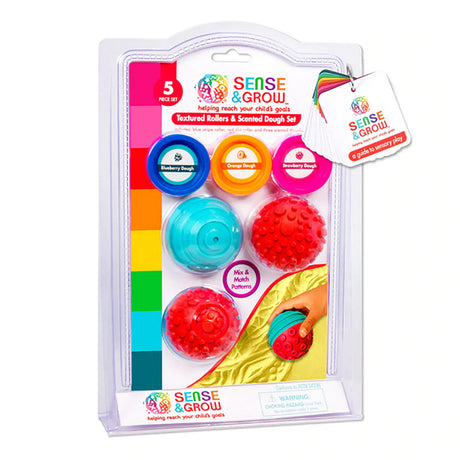
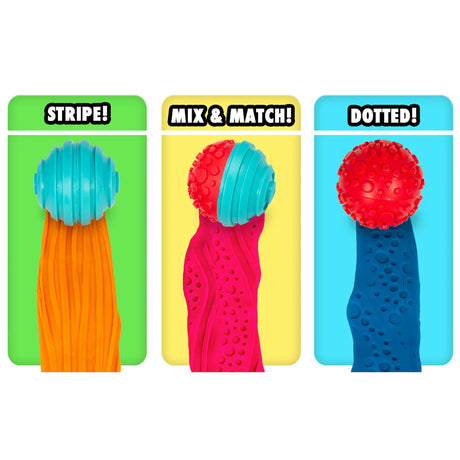
Some children are drawn to sensory art because they love interacting with textures, materials and hands-on experiences. Understanding tactile sensory play can help explain why certain creative activities feel particularly engaging.

Messy Play Is Often Meaningful Play

Not every creative activity needs to result in a masterpiece. For many children, the value lies in the squeezing, stretching, mixing, painting and experimenting that happens along the way. These experiences allow children to engage with materials, ideas and sensory experiences in ways that feel natural and rewarding.

If your child seems more interested in the process than the outcome, that is perfectly okay. Creative confidence often develops through freedom to experiment rather than pressure to produce something specific.

The goal is not perfection. It is providing opportunities for children to interact with the world through curiosity, creativity and hands-on exploration.

Frequently asked questions

Questions parents often ask

Why Does My Child Keep Returning To The Same Sensory Activities?

Parents are often surprised when children choose the same sensory activity repeatedly. Whether it is play dough, slime, finger painting or water play, some children seem content doing the same thing over and over again. While adults may seek novelty, repetition often serves an important purpose for children.

Each time a child returns to a familiar sensory activity, they notice new details, test new ideas and build greater confidence interacting with the material. What appears repetitive on the surface is often a process of refinement and deeper understanding. Children are constantly experimenting, even when the activity itself looks familiar.

Repeated sensory play also provides predictability. Children know what to expect and can focus their attention on exploring new possibilities within a familiar experience. This often leads to longer periods of engagement and more meaningful exploration.

Rather than worrying that a child is stuck in a rut, it can be helpful to recognise repetition as a sign that the activity continues to provide value, challenge and satisfaction.

How Can I Encourage Sensory Play Without Creating A Huge Mess?

One of the most common concerns parents have is balancing the benefits of sensory play with the realities of everyday family life. While some sensory activities can be messy, sensory play does not need to involve paint-covered walls or hours of cleaning.

The key is choosing sensory experiences that fit your comfort level and available time. Play dough, water painting, nature collections, sensory trays and contained sensory materials can all provide valuable sensory experiences while remaining relatively manageable. Setting clear boundaries around where sensory play happens can also make cleanup much easier.

Many parents find that having a dedicated sensory space, using washable materials or taking activities outdoors significantly reduces stress. It is also worth remembering that not every sensory experience needs to be elaborate. Simple activities often capture children's attention just as effectively as more complex setups.

The goal is not to create the perfect sensory invitation every day. It is to provide opportunities for hands-on exploration that feel realistic and sustainable within your family's routine.

What Are The Benefits Of Nature-Based Sensory Play?

Nature sensory play combines sensory exploration with the constantly changing experiences found outdoors. Leaves, sticks, flowers, bark, mud, sand, stones and water all provide unique textures and opportunities for hands-on discovery that cannot easily be replicated indoors.

Many children are naturally drawn to collecting and investigating natural materials. They fill pockets with treasures, build small collections and spend time comparing textures, shapes and colours. These activities often emerge spontaneously because nature provides endless opportunities for curiosity and experimentation.

Unlike many manufactured materials, natural objects are unpredictable. No two leaves feel exactly the same. Every stick has a different shape. Water behaves differently depending on the environment. These variations encourage children to observe, compare and explore.

Nature sensory play can also feel less structured than indoor activities, allowing children to follow their interests and investigate the world around them at their own pace. For many families, this creates opportunities for sensory exploration without needing extensive preparation or specialised materials.

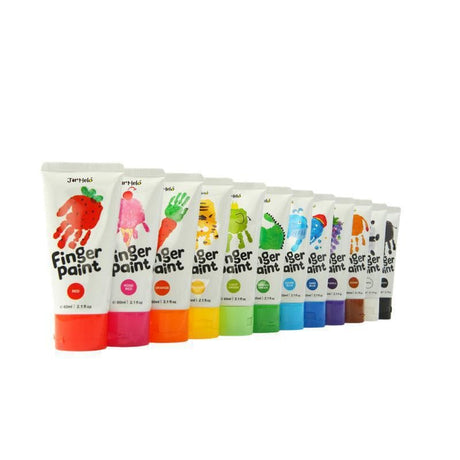
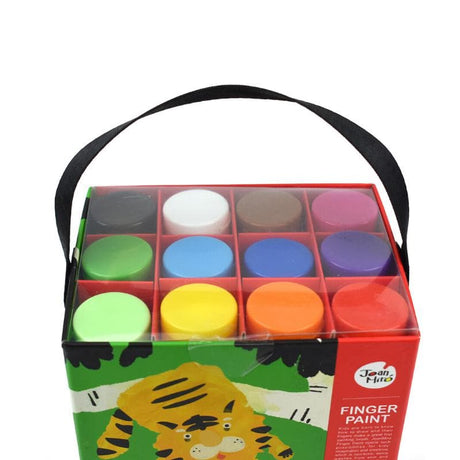
Why Does My Child Prefer Finger Painting Over Using A Paintbrush?

Many parents introduce paintbrushes expecting children to use them immediately, only to watch little hands dive straight into the paint. While this can be frustrating, it is actually very common. For many children, finger painting provides a far richer sensory experience than painting with a tool.

When children use their hands directly, they can feel the temperature, texture, thickness and movement of the paint. They experience every swirl, smear and colour change in real time. The sensory feedback becomes part of the creative process rather than something separate from it.

Finger painting also gives children greater control over how they interact with the material. Instead of working through a brush, they can manipulate the paint directly using their fingers, palms and hands. This often feels more immediate and engaging, particularly for younger children.

For many children, finger painting is not a rejection of painting tools. It is simply a more immersive way of experiencing creativity through touch, movement and sensory exploration.

Is Messy Play Important For Toddlers?

Messy play is often one of the most natural forms of learning during the toddler years. Toddlers are curious, hands-on learners who gain information by touching, squeezing, pouring, mixing and exploring the world around them. Activities that allow them to interact directly with materials often capture their attention far more effectively than activities that rely on observation alone.

Through messy play, toddlers learn about textures, cause and effect, volume, movement and problem-solving. They begin noticing how materials behave when mixed together, how water changes sand, how paint colours combine and how different textures feel against their skin. These observations help build understanding through direct experience rather than instruction.

Parents sometimes avoid messy activities because they worry about the cleanup or feel pressure to keep play tidy. However, messy play does not need to be elaborate to be valuable. Even simple sensory experiences can provide meaningful opportunities for exploration.

What matters most is allowing toddlers the freedom to investigate materials and satisfy their natural curiosity in ways that feel engaging and manageable for both child and parent.

Why Does My Child Love Messy Play So Much?

If your child is constantly drawn to mud, paint, slime, water, sand, play dough or any activity that creates a mess, you are certainly not alone. Many children are naturally fascinated by sensory experiences because they provide opportunities to experiment, observe and interact with materials in ways that feel highly engaging.

Messy play offers something many traditional activities do not. It allows children to test ideas without worrying about making mistakes. They can mix colours, change textures, squeeze materials, add water, remove water and observe how things respond. Every action creates a new result, which keeps curiosity alive.

Parents sometimes feel frustrated because messy play can look chaotic or purposeless. However, children are often conducting their own experiments, learning through observation and developing an understanding of how different materials behave. The attraction is rarely the mess itself. It is the opportunity to interact directly with changing textures, materials and sensory experiences.

For many children, messy play feels exciting because there is always something new to discover.

What Is The Difference Between Sensory Play And Arts And Crafts?

Many parents use the terms sensory play, art and crafts interchangeably, but they often serve very different purposes. Traditional arts and crafts activities usually focus on creating something. There may be a finished picture, a completed project or a specific outcome the child is working towards. Sensory play, on the other hand, focuses on the experience itself.

A child engaged in sensory play is often more interested in touching, squeezing, mixing, pouring, stretching and experimenting than producing a final result. For example, a child may spend twenty minutes mixing paint colours with their hands without ever creating a recognisable picture. From an adult perspective, this can look unproductive, but for the child the sensory experience is the entire point.

Many children naturally move between both styles of creativity. Some prefer open-ended art, while others are drawn to messy, tactile experiences that allow them to interact directly with materials. Understanding the difference helps parents choose activities that align with how their child naturally learns, creates and engages with the world around them.