


Click & Collect or 24hr Dispatch*

25% Off Euca

EUCA25

Building toys, sorted by the build

Building and Construction Toys

Start with the kind of building your child already loves — then explore a different way to stack, connect, invent or make something work.

Building toys come in all shapes and sizes, but the way children build with them can be very different. Some are stacked and balanced, some connect, some become part of an imaginary world, and others need to be built in just the right way to work.

Explore the pathways


Introduction

Building toys can look very similar from the outside, but they do not all ask the same thing of a child. A wooden block has to be placed carefully enough to stay up. A magnetic piece can hold to another piece and change what is possible. A board, arch, cloth or loose part may become part of a world the child is making. A run or system adds another demand: something has to move, travel or work.

That is why the best starting point is not the biggest box, the longest benefits list or the age printed on the front. It is the build already happening on your floor. Is your child running out of pieces? Trying to make walls that connect? Turning every structure into a zoo or garage? Building tracks, ramps or routes? Or are they perfectly happy with what they already have?

This page helps you sort building and construction toys by the experience they create, so you can choose more of what is already useful, add a genuinely different kind of building, or feel reassured that nothing new is needed yet.

Why It Matters

Building matters because the child’s idea has to meet the material in front of them. They may want a tower to go higher, a bridge to cross a gap, a wall to close properly or a ball to reach the end. The build gives them something clear to respond to: it stands, falls, separates, sags, stops or works.

Different materials make different parts of that problem more obvious. Blocks put the focus on placement and balance. Magnetic construction adds the question of what can connect and how shapes meet. Open ended materials invite children to combine, arrange and reinterpret pieces. Building systems add routes, movement, mechanisms or a working result.

We think that is a more useful way to talk about construction play than promising what a toy will do for a child. The value is in the actual building problem: what the child is trying, what the material allows, and what they decide to change next.

Learning Themes

Instructions and inventing can both belong

Open ended building and instruction-led building are not enemies. Sometimes the child sets the whole problem: what to build, which pieces to use, when to stop and whether to change direction halfway through. Sometimes a picture, card or model sets part of the problem, and the child works out how to copy, adjust or complete it.

Repeating the same build is also legitimate. A child may copy the same structure several times because the process makes sense to them. Another child may follow the picture once, then pull it apart and make something entirely different. Both can sit comfortably inside construction play.

A different way of building can add more than more of the same

If a child already loves building, the next useful toy is not always a larger version of what they own. Sometimes more of the same helps because they are genuinely running out. Other times, a different material changes the build in a better way.

A child who has plenty of connecting pieces may enjoy the wobble and balance of blocks. A child who builds sturdy towers may be ready for a route or system that has to work. A child who makes houses for animals may need materials that help the build become a bigger world. The question is not which toy is better. It is what kind of building problem would add something new.

More pieces are not always the answer

Piece count matters only when the current pieces are actually limiting the build. If your child is using everything available, leaving walls unfinished or taking one section apart to complete another, more of the same may solve a real problem.

If they already have enough to do what they want, a different building experience may be more useful than a larger set. And if the current toys are being used happily, nothing new may be needed. Building does not need to keep expanding just because another box exists.
A thoughtful place to begin

Look for the thing getting in the way

A helpful buying clue is not only what your child likes building. It is what keeps stopping the build.

If the tower keeps falling and they seem fascinated by that, balance may be the point. If they are frustrated because pieces will not stay together, a connecting system may change the experience. If every build turns into a house, paddock, road or cave, they may be asking for materials that help the structure become a world. If they keep adding ramps, balls or movement, they may be looking for a system that has to work.

And if nothing is getting in the way? That is useful too. Sometimes the current basket of blocks, tiles, boxes or boards is already doing exactly what it needs to do.

Parent Guidance

Building at home does not need to look impressive. Children repeat the same tower, copy the same picture, line pieces across the floor, leave a successful build untouched for days, or knock everything down before you have moved your hand away. All of that can belong.

You also do not need a perfect construction area. Children build with blocks, boxes, cushions, cups, containers, cardboard and whatever can reasonably be positioned or combined. Commercial building toys can make certain kinds of construction easier or more varied, but they are not the only way building happens.

Adult help is useful when it opens the door without taking over. You might start the first wall, hold a piece steady, offer a photo, find the missing shape or sit beside them while they try. But you do not need to turn every build into a lesson. If they are absorbed, let the build be the play.

It is also fine to protect a finished build for a while, take a photo before packing it away, or use one big tub because that is what works in your house. Building toys are meant to be used in real homes, not arranged perfectly every afternoon.

Choosing Guidance

Start with what your child already likes doing. Not what a toy promises, and not what children of a certain age are supposed to have moved on to.

If they stack, balance, knock down or keep trying to go higher, ask whether they need more pieces, a different shape or size to build with, or simply more room and time to repeat it. If they are always trying to join pieces, make walls or close shapes, ask whether connection is the part they enjoy. If they combine materials into houses, roads, shops, caves or animal spaces, ask whether the build needs more things to become. If they want balls, tracks, ramps, drops or moving parts, ask whether they are ready for a build that has to work.

Then ask the quieter question: do we need anything at all? More pieces make sense when your child is genuinely running out. A different system makes sense when it adds a new kind of building problem. If the current toys are still being used well, it is perfectly reasonable to wait.

Frequently asked questions

Questions parents often ask

What are building and construction toys?
Building and construction toys are materials children use to make, change or test a structure, object, arrangement or working system. They may stack, balance, join, fit, arrange, dismantle and rebuild. The finished build does not need to look like a real object, and it does not need to stay standing forever.
What’s the difference between blocks and magnetic building toys?
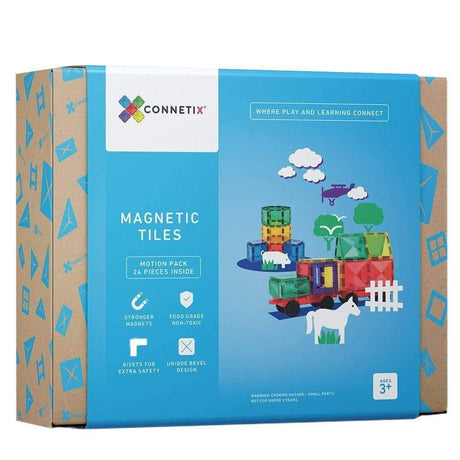
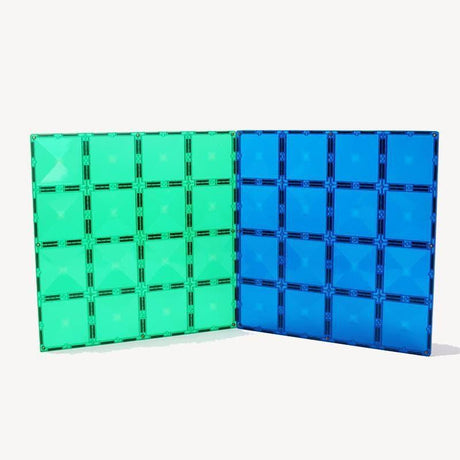
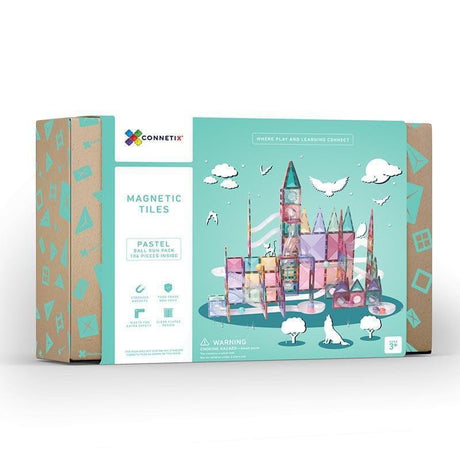
Blocks usually rely on placement, balance, surface contact and gravity. If a piece is poorly placed, the structure may shift or fall. Magnetic building toys use magnetic attraction to help pieces connect, so the child can build walls, corners, roofs and shapes in a different way. One is not automatically better than the other; they create different building problems.
Are open-ended toys better than building kits with instructions?
Not automatically. Open ended toys let the child decide more of the build, while kits or instruction cards can give a model, sequence or challenge to work from. Copying a design is still a real construction problem. Many children move between following instructions and inventing their own builds, sometimes with the same set.
Does my child need more blocks, or a different type of building toy?
Buy more of the same when your child is genuinely running out of the pieces they need for the builds they are trying to make. Choose a different type when it adds a new building experience, such as connection, balance, world-building or a working route. If the current toys are still being used happily and not limiting the play, you may not need anything new yet.
Can different magnetic tile brands be used together?
My Happy Helpers does not assume different magnetic brands work together. Pieces can look visually similar and still differ in size, magnet placement, strength, shape or connection behaviour. Always check the guidance from the relevant brands or manufacturers rather than relying on appearance.
What age are building toys suitable for?
There is no single age for all building toys. Some construction play begins very simply, with carrying, stacking, arranging and knocking down. Other systems include small parts, magnets, marbles, connectors or more complex pieces that need closer supervision or are not suitable for younger children. Always follow the manufacturer’s age guidance and consider the child, the parts and how the toy will be used at home.