
Click & Collect or 24hr Dispatch*

15% Off Sitewide & Clearance*

EOFY15
Helping Children Create Stories, Characters And Imaginary Worlds Through Play

Small World Play

Some children naturally create stories wherever they go. A handful of animals becomes a farm. A doll house becomes a family home. A collection of figures becomes an adventure that unfolds over days or even weeks. Small world play gives children opportunities to create miniature worlds they can control, revisit and expand through imagination. This guide helps parents understand the different ways children build stories through play and where to begin.

Start here

Small world play is not one type of play. Some children focus on characters, others become immersed in creating worlds, while many are most interested in expanding stories and adventures.

Understanding what captures your child's imagination can help you identify the type of storytelling play they are most likely to return to again and again.

View as

Every Story Needs Characters, Places And Possibilities

Small world play allows children to recreate the stories they see, imagine and experience. Some children begin with characters and creatures. Others start by creating a world where stories can unfold. Many become fascinated by adding magical elements, adventures and unexpected twists that expand their imagination. These different approaches all support the same goal: creating stories that children can control, revisit and develop over time.

Storytelling Play Character Play World Building Imaginative Adventures
Stories Often Begin With Pretending To Be Someone Else

Many Children Move Between Small World Play And Dress Up

Some children enjoy creating stories with characters and miniature worlds, while others prefer stepping directly into the story themselves through role play and imagination.

Small World Play Gives Children A Place To Grow Their Ideas

Not every child tells stories in the same way. Some focus on characters and relationships. Others become absorbed in building worlds and environments. Many enjoy creating adventures that evolve over time and grow more detailed with each play session.

Small world play provides opportunities for children to organise ideas, revisit favourite stories and build new ones at their own pace. There is no right way to engage with storytelling play. The most valuable experiences are often the ones that allow children to follow their imagination wherever it leads.

Whether your child begins with a creature, a world or an adventure, small world play gives them a space to create stories that feel entirely their own.

Frequently asked questions

Questions parents often ask

Why Do Some Children Prefer Small World Play To Role Play?

Children engage with imagination in different ways. Some enjoy becoming characters themselves through dress up and role play. Others prefer creating stories from a distance by controlling characters, creatures and environments within a miniature world.

Small world play often appeals to children who enjoy organising ideas, creating detailed stories and building connections between characters. It allows them to control every aspect of the narrative without needing to step into a role themselves.

Many children also appreciate the flexibility of small world play. Stories can pause, continue the next day and evolve gradually over time. This creates opportunities for deeper storytelling and world-building that may not occur as easily through active role play.

Neither approach is better than the other. They simply reflect different ways children choose to express imagination and creativity.

At What Age Do Children Start Small World Play?

Many children begin experimenting with simple forms of small world play between two and three years of age, although the complexity of their stories develops gradually over time. Early play often involves simple actions such as moving animals around a space or creating basic interactions between characters.

As children grow, their stories typically become more detailed. They begin creating relationships, inventing adventures and building environments that support longer and more complex narratives. By preschool age, many children are capable of creating elaborate small worlds that evolve over multiple play sessions.

There is no single age when small world play begins because every child develops differently. Some children are naturally drawn to storytelling from an early age, while others develop an interest later as their imagination and communication skills grow.

The most important factor is not age but the child's desire to create stories and worlds of their own.

How Does Small World Play Support Storytelling?

Storytelling is at the heart of small world play. Every character, creature and environment becomes part of a larger narrative created by the child. Whether the story involves a family, a group of animals or a magical adventure, children are constantly making decisions about what happens next.

As stories develop, children create relationships between characters, establish settings and solve problems within the narrative. They often draw inspiration from books, experiences and observations while adding their own ideas and imagination.

Unlike structured stories with fixed outcomes, small world play allows narratives to change freely. New characters can appear, locations can evolve and adventures can continue for as long as the child wishes.

This flexibility makes small world play one of the richest forms of imaginative storytelling available during early childhood.

Why Do Children Return To The Same Stories Repeatedly?

Many children find comfort and satisfaction in revisiting familiar stories. Repetition allows them to strengthen ideas, expand details and experiment with different outcomes while remaining within a world they already understand.

A child may return to the same doll house family, animal habitat or fantasy adventure for weeks because the story continues evolving over time. Each play session introduces new characters, challenges or locations while maintaining the familiarity of the existing world.

Adults sometimes assume repetition means a child is lacking imagination. In reality, the opposite is often true. Returning to a story allows children to develop greater complexity and depth within their play.

Small world play provides an ideal environment for this process because worlds can remain intact and continue growing over multiple sessions.

What Is The Difference Between Small World Play And Pretend Play?

Small world play is actually a type of pretend play, but the two are not exactly the same. Traditional pretend play usually involves children stepping directly into a role. They become the chef, firefighter, doctor or parent within the story.

Small world play places the child in a different position. Instead of becoming the character, they create and control the characters. They decide what happens to the animals, where the family lives or how an adventure unfolds.

Many children move naturally between these forms of play. They may spend time creating stories with miniature figures before acting out similar stories through dress up or role play. Both approaches encourage imagination, but they provide different ways for children to engage with storytelling.

Understanding this distinction can help parents recognise why some children prefer building worlds while others prefer becoming part of the story themselves.

Why Do Children Enjoy Creating Small Worlds?

Children are naturally curious about how stories work. They observe relationships, routines and adventures around them every day and often recreate these experiences through play. Small world play allows them to organise those ideas into stories they can control and revisit.

Unlike some forms of pretend play, small world play gives children the opportunity to become both the creator and narrator of the story. They decide what happens next, how characters behave and how different parts of the world connect together.

Many children also appreciate the predictability of miniature worlds. They can return to the same story repeatedly, make small changes and gradually expand their ideas over time. This sense of continuity often makes small world play highly engaging.

The appeal is rarely the individual toy. It is the opportunity to build a world where imagination can unfold without limits.

What Is Small World Play?

Small world play is a type of imaginative play where children create stories using miniature characters, creatures, environments and objects. Rather than acting out the story themselves, children become the storyteller, deciding what happens, who is involved and how the world works.

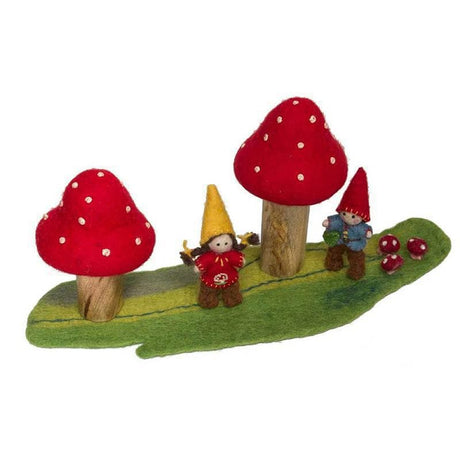
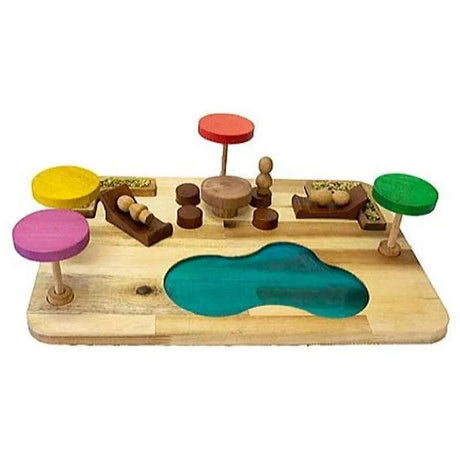
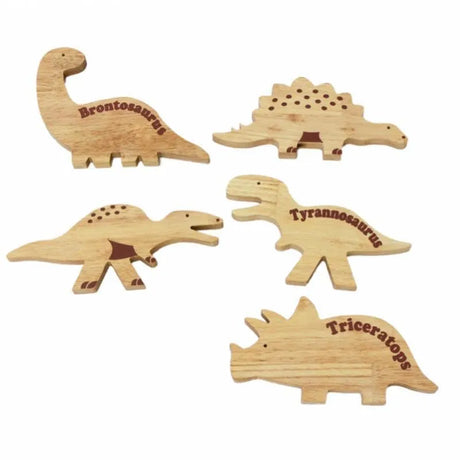
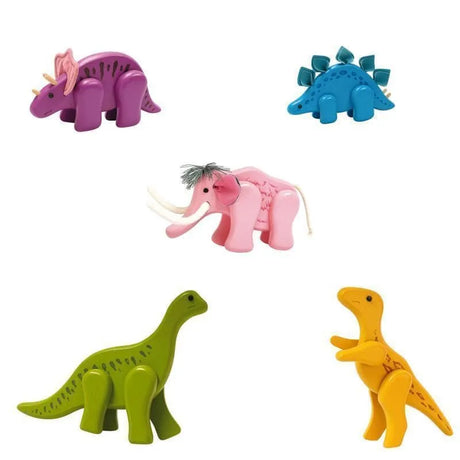
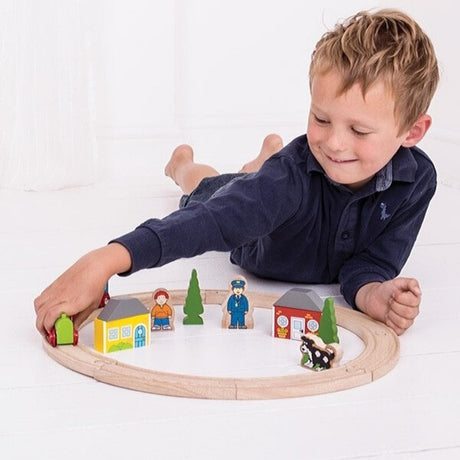
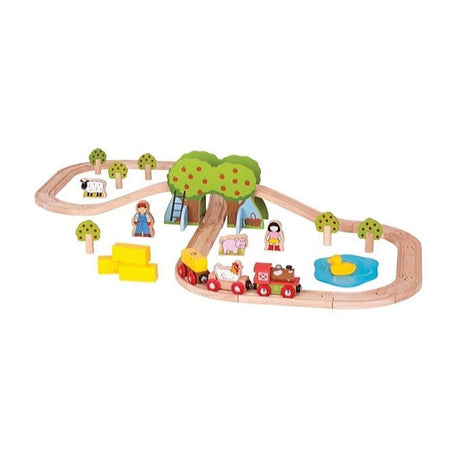
A small world setup might include animals living on a farm, a family inside a doll house, dinosaurs exploring a landscape or characters travelling through a fantasy adventure. The scale of the play is often smaller than traditional role play, allowing children to build detailed stories within contained spaces.

Many children return to small world play because it gives them complete control over the story. They decide the rules, create relationships between characters and develop adventures that can continue over multiple days.

Small world play is ultimately about storytelling. The characters, creatures and environments simply provide tools that help children bring their ideas to life.