
Click & Collect or 24hr Dispatch*

15% Off Sitewide & Clearance*

EOFY15
Early Measurement Through Play

Size Comparison Toys & Early Measurement Activities


Before children learn centimetres, rulers and formal measurement, they first learn to compare the world around them. Bigger and smaller. Taller and shorter. Heavier and lighter. Explore size comparison toys and early measurement activities designed to help little ones build mathematical thinking through hands-on discovery, sorting and everyday problem solving.


Big And Small Toys For Children Learning Comparison Skills

Why Comparison Skills Are An Important Early Maths Foundation

Many parents focus on counting and number recognition, but comparison skills are often where mathematical thinking truly begins. Long before children measure objects with rulers or calculate distances, they learn to observe differences, compare objects and describe relationships. Understanding concepts such as bigger, smaller, longer, shorter, heavier and lighter helps children make sense of the world while developing important reasoning skills.

Size comparison toys encourage children to notice patterns, sort objects and solve simple problems through hands-on play. Whether comparing lengths, matching sizes or exploring weight and balance, these activities help little ones build confidence with early maths concepts in a practical and meaningful way. By making abstract ideas visible and interactive, comparison toys create strong foundations for future measurement learning.

Big & Small Tall & Short Heavy & Light Early Measurement

Build Mathematical Thinking

Comparison activities teach children to observe, analyse and describe differences between objects. These early reasoning skills become important foundations for future maths learning.

Develop Everyday Problem Solving

Children naturally compare objects throughout the day. Size comparison toys help strengthen these observations while encouraging logical thinking and decision-making.

Prepare For Future Measurement Skills

Before children use rulers or measuring tools, they need to understand concepts such as length, height, weight and quantity. Comparison play introduces these ideas in an age-appropriate way.

Choosing The Right Comparison Activity

Is Your Child Learning To Notice Differences Or Explain Them?

Children move through comparison skills in stages. Some are simply learning to spot obvious differences between objects, while others are ready to explain, sort and compare using mathematical language. Choosing the right type of size comparison toy helps keep learning engaging without becoming frustrating.

Choose Simple Comparison Toys If Your Child

  • Is learning big and small concepts Enjoys sorting objects by size Notices differences but struggles to explain them Is beginning to use comparison words Learns best through visual exploration Is new to early maths concepts

Choose Advanced Measurement Activities If Your Child

  • Confidently compares object sizes Understands taller, shorter, longer and wider Enjoys classification and sorting challenges Asks questions about weight and length Is preparing for school-based measurement learning Enjoys solving comparison problems independently
The best size comparison toys meet children at their current stage. Early learners benefit from clear visual differences, while older preschoolers often enjoy more complex activities involving reasoning, explanation and problem solving.

Encourages mathematical thinking beyond counting

Encourages observation, reasoning and discussion

Builds everyday problem-solving skills

What Should Parents Look For In A Comparison Toy?

The most effective comparison toys encourage children to actively explore relationships between objects rather than simply identify correct answers. Look for resources that allow children to sort, compare, arrange and discuss differences using mathematical language. Toys that explore concepts such as bigger and smaller, taller and shorter or heavier and lighter help children develop flexible thinking that extends beyond the activity itself.

Quality comparison toys should also allow multiple levels of engagement. Younger children may begin by noticing obvious differences, while older children can progress towards reasoning, prediction and explanation. This flexibility helps maximise long-term value while supporting a child's natural progression through early mathematical concepts.

When Comparison Toys May Not Be The Right Next Step

If your child is still developing very early foundational skills such as object matching, shape recognition or basic sorting, dedicated comparison activities may feel overwhelming. Similarly, children who are focused on counting or number recognition may benefit more from resources that strengthen those skills before moving into comparison and measurement concepts.

Comparison toys are most effective when children already show curiosity about differences between objects. If your child frequently notices which object is bigger, taller, heavier or longer, this collection is likely to feel engaging and rewarding. Matching activities to a child's readiness level often leads to stronger confidence and greater learning success.

Helping Children Make Sense Of The World Through Comparison
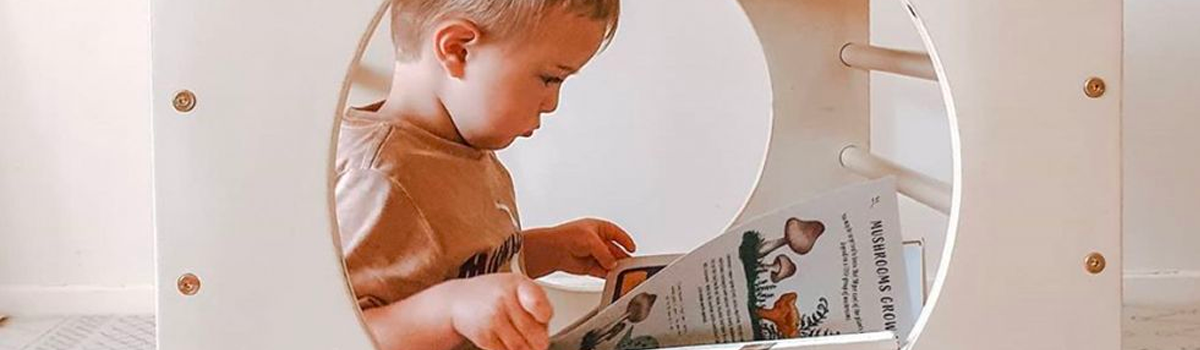
Children naturally compare the world around them every day. They notice which tower is taller, which stick is longer and which container holds more. Comparison and measurement toys help transform these observations into meaningful learning experiences by encouraging children to think, question and explore relationships between objects.

Through hands-on activities, little ones begin developing the language and reasoning skills that form the foundation of future measurement learning. Whether exploring big and small concepts, comparing lengths or investigating weight and balance, these experiences help children build confidence while making early maths feel engaging and relevant.

By introducing comparison skills through play, families can support deeper mathematical understanding while encouraging curiosity, independence and problem solving that extends well beyond the toy itself.

Frequently asked questions
What are the best size comparison toys for preschoolers?

The best size comparison toys for preschoolers are those that allow children to actively explore relationships between objects rather than simply identify correct answers. Resources that encourage sorting, stacking, sequencing, balancing and comparing often provide the richest learning opportunities because they support multiple stages of development.

Look for toys that introduce concepts such as bigger and smaller, taller and shorter, heavier and lighter through hands-on play. Open-ended resources are particularly valuable because they can be adapted as a child's understanding grows. Younger children may focus on obvious visual differences, while older preschoolers can begin discussing, explaining and reasoning about what they observe.

Quality comparison toys should be engaging, durable and flexible enough to support repeated exploration. When children enjoy using a resource regularly, they are more likely to develop confidence with comparison skills and build strong foundations for future measurement learning.

How do comparison activities support problem-solving skills?

Comparison activities encourage children to think critically about the relationships between objects. When children compare sizes, weights, lengths or capacities, they must observe carefully, analyse information and make decisions based on evidence. These are all important problem-solving skills that extend far beyond mathematics.

For example, a child comparing two objects may need to decide which is longer, explain why one tower is taller or predict which container can hold more. These situations encourage reasoning and logical thinking while helping children develop confidence in their own observations. Educational comparison toys provide repeated opportunities to practise these skills through play.

As children gain experience, they often become more comfortable making predictions, testing ideas and explaining their thinking. These habits support learning across many areas while helping children approach new challenges with curiosity and confidence.

Can comparison toys help children who are not interested in numbers?

Yes. Comparison toys can be an excellent option for children who show little interest in traditional counting or number-based activities. Many children enjoy sorting, building, comparing and problem solving long before they become interested in numerical concepts. Comparison activities allow them to engage with mathematical thinking in a way that feels natural and enjoyable.

Rather than focusing on counting or calculations, comparison toys encourage children to notice patterns, identify differences and explore relationships between objects. This helps develop important reasoning skills without relying heavily on numbers. For some children, these experiences provide an accessible pathway into mathematics that feels less intimidating and more engaging.

Because comparison activities are often hands-on and open-ended, they can also support longer periods of independent play. Children are free to experiment, investigate and discover at their own pace while building important foundations for future learning. This makes comparison toys a valuable addition to many early learning environments.

Why are tall and short activities important for preschoolers?

Tall and short activities help preschoolers develop spatial awareness and comparison skills that support future mathematical learning. When children compare heights, lengths and sizes, they begin recognising relationships between objects and using language to describe what they observe. These early experiences form part of the foundation for later measurement concepts taught in school.

Activities involving towers, blocks, stacking resources and comparison toys provide practical opportunities to explore these ideas. Children can build, compare and adjust their creations while discussing which structures are taller, shorter, wider or narrower. These conversations encourage mathematical vocabulary while strengthening reasoning and communication skills.

Understanding tall and short concepts also supports problem solving. Children learn to observe carefully, evaluate differences and make decisions based on what they see. Through play-based learning, these skills become meaningful and engaging while helping children build confidence with comparison and measurement concepts.

How do children learn concepts such as heavy and light?

Children learn heavy and light concepts through direct experience rather than memorisation. By lifting, carrying, pushing and comparing objects, children gradually develop an understanding of weight and how different objects relate to one another. These experiences help children build important comparison skills while encouraging observation and problem solving.

Many children are naturally curious about weight. They may notice that one bucket feels heavier than another or that some toys require more effort to move. Educational comparison toys create opportunities to explore these observations in a safe and engaging way. Through repeated hands-on experiences, children begin developing the vocabulary and reasoning skills needed to describe and compare what they discover.

Learning about heavy and light also supports broader mathematical thinking. Children learn to make predictions, test ideas and explain outcomes. These skills contribute to school readiness while helping little ones develop confidence in exploring early measurement concepts through play rather than formal instruction.

What should I look for when choosing comparison toys?

The best comparison toys encourage active exploration rather than passive observation. Look for resources that allow children to sort, arrange, compare and discuss differences between objects. Toys that support multiple concepts such as size, length, height, weight or volume often provide greater long-term value because they can be used in many different ways as children grow.

It is also helpful to choose resources that match your child's current developmental stage. Younger children may benefit from activities with obvious visual differences, while older preschoolers often enjoy more complex comparison challenges that require reasoning and explanation. Flexible, open-ended resources tend to remain engaging for longer because children can continually discover new ways to use them.

Durability, safety and ease of use are equally important considerations. Well-designed comparison toys should encourage curiosity while providing opportunities for repeated hands-on learning and exploration over many years.

How do comparison toys support school readiness?

Many early school maths programs introduce concepts such as sorting, classifying, comparing and measuring before focusing heavily on formal calculations. Comparison toys help prepare children for these learning experiences by developing important observation, reasoning and problem-solving skills. Through hands-on exploration, children learn to identify patterns, describe relationships and explain their thinking using mathematical language.

These skills often extend beyond mathematics. Children who regularly compare objects may also strengthen vocabulary, communication skills and logical reasoning. Being able to explain why one object is bigger, heavier or longer than another encourages children to think critically and articulate their observations clearly.

Educational comparison toys provide a practical way to build these abilities before children encounter more formal classroom learning. By introducing comparison concepts through play, families can help children approach school-based maths with greater confidence and familiarity.

What is the difference between comparison skills and measurement skills?

Comparison skills and measurement skills are closely connected, but they are not the same thing. Comparison skills develop first and involve identifying differences between objects. Children learn concepts such as bigger and smaller, longer and shorter, heavier and lighter by observing and comparing what they see around them. These early observations help children understand relationships without needing numbers or measuring tools.

Measurement skills build on this foundation. Once children understand how objects differ, they can begin learning how to measure those differences using rulers, scales, units and numerical values. In other words, comparison helps children understand that one object is longer, while measurement helps them determine exactly how much longer it is.

Size comparison toys focus on building the early understanding needed before formal measurement begins. By encouraging hands-on exploration and mathematical language, these resources help children develop confidence with comparison concepts that will later support more advanced mathematical learning.

How can I teach bigger and smaller concepts through play?

Teaching bigger and smaller concepts does not require formal lessons or worksheets. In fact, many children learn comparison skills most effectively through everyday play experiences. Activities such as stacking blocks, sorting toys by size, comparing stuffed animals or building towers naturally introduce children to mathematical language and comparison thinking.

Size comparison toys provide additional opportunities for children to explore these ideas in a structured yet engaging way. By physically arranging objects from smallest to largest or comparing items side by side, children begin developing a deeper understanding of relationships between objects. These experiences encourage observation, reasoning and problem solving while making learning feel playful and enjoyable.

Parents can support learning by using comparison language regularly throughout the day. Simple questions such as "Which one is taller?" or "Can you find the biggest block?" help reinforce concepts naturally. Over time, repeated exposure to comparison activities helps children build confidence while creating strong foundations for future measurement learning.

At what age should children start learning about measurement?

Children begin learning measurement concepts much earlier than many parents realise. While formal measurement using rulers and units is usually introduced later in school, young children often start exploring comparison and measurement ideas during the preschool years. Concepts such as bigger and smaller, taller and shorter, heavier and lighter can be introduced through everyday play and observation.

Most children between three and six years of age are ready to begin exploring these ideas through hands-on activities. At this stage, the focus should be on comparison rather than accuracy. Children do not need to measure exact lengths or weights. Instead, they learn to observe differences, compare objects and describe what they see using mathematical language.

Size comparison toys help make these concepts easier to understand by providing visual and physical experiences. Through repeated exploration, children gradually build the confidence and understanding needed to progress towards more formal measurement learning in later years.

Why are comparison skills important for early maths?

Comparison skills are often one of the earliest forms of mathematical thinking children develop. Long before they understand measurement units or complete maths worksheets, children begin noticing differences between objects. They recognise that one tower is taller, one toy is bigger or one container holds more than another. These observations help children understand relationships and patterns that support future learning.

Comparison activities encourage children to observe carefully, think critically and make decisions based on evidence. These are important skills not only for mathematics but also for problem solving across many areas of learning. Children who regularly compare, sort and classify objects often develop stronger reasoning skills because they are learning to identify similarities, differences and relationships.

Educational comparison toys provide structured opportunities to practise these concepts through play. By exploring size, length, weight and volume in a hands-on way, children build confidence with mathematical language while developing the thinking skills needed for future measurement and mathematical problem solving.

What are size comparison toys?

Size comparison toys are educational resources designed to help children understand how objects relate to one another. Rather than focusing on counting or number recognition, these toys encourage children to compare, sort and describe differences between objects. Children may explore concepts such as bigger and smaller, taller and shorter, longer and shorter, or heavier and lighter through hands-on play.

These early comparison skills form an important part of mathematical thinking. Before children learn formal measurement using rulers, scales or measuring tools, they first need to understand that objects can be compared and described. Size comparison toys make these concepts visible and meaningful through practical experiences.

Many comparison activities also support language development because children learn to explain what they observe. By discussing differences between objects and using mathematical vocabulary during play, children gradually build the foundations needed for more advanced measurement concepts later in school. For many families, comparison toys provide an engaging introduction to early maths that feels natural, enjoyable and relevant to everyday life.