-

-
-
-
-
 10% off
 -
10% off
-
11% off
Solid Wood Learning Tower Step Stool 3:1 Combo
$249.95$279.95Unit price /Unavailable -
Evo 3.0 - Black **Pre Order - Early November 2026
$184.95Unit price /Unavailable -
11% off
-
-
-
![FISSO 2.0 – Supervised kitchen participation at a workable height]()
![FISSO 2.0 – Supervised kitchen participation at a workable height]()
 Up to 6% off
 -
MHH Learning Tower & Step Stool - White
$184.95Unit price /Unavailable -
![Lux Vegan Leather Front Toddler Guard]()
![Lux Vegan Leather Front Toddler Guard]()
![Lux Vegan Leather Front Toddler Guard]()
![Lux Vegan Leather Front Toddler Guard]()
![Lux Vegan Leather Front Toddler Guard]()
Lux Vegan Leather Front Toddler Guard
$29.95Unit price /Unavailable -
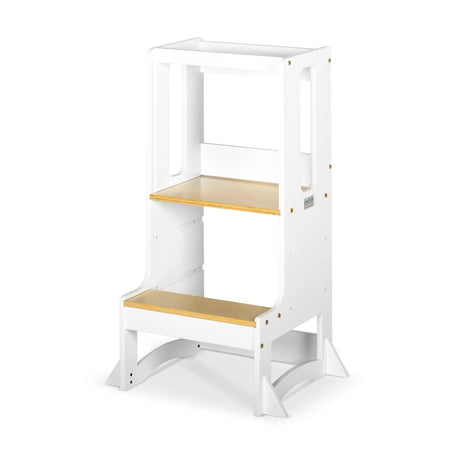
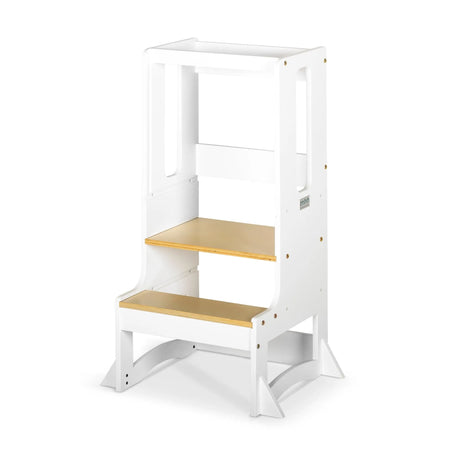
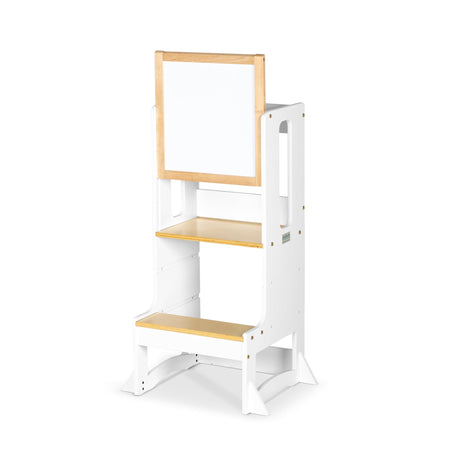
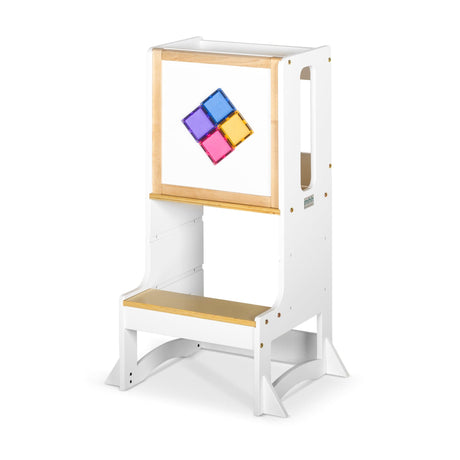
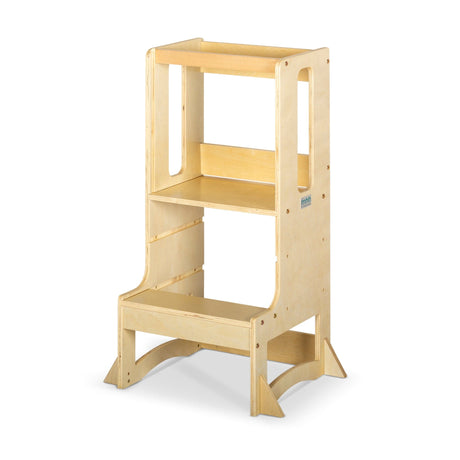
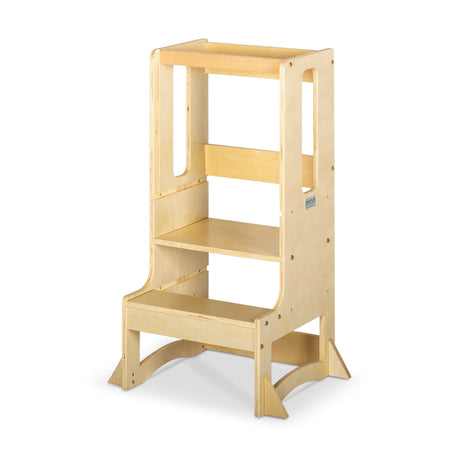
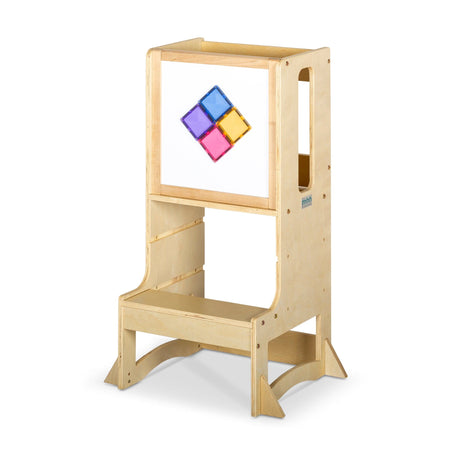
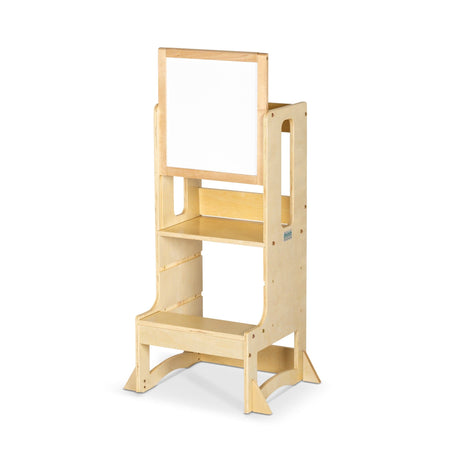


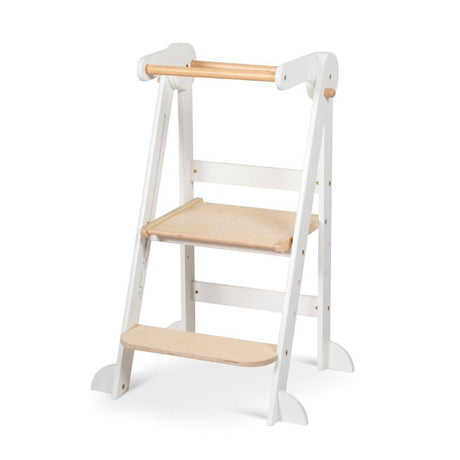
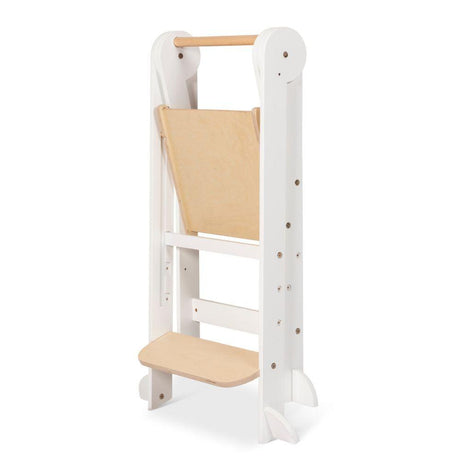


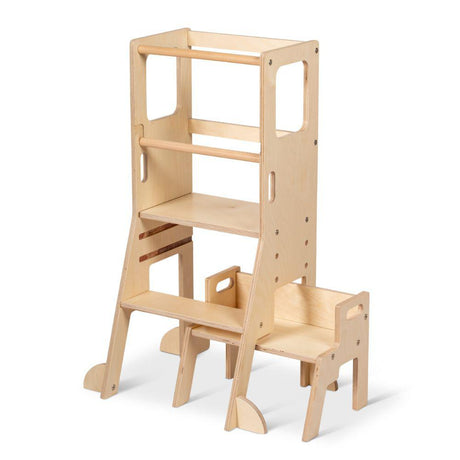
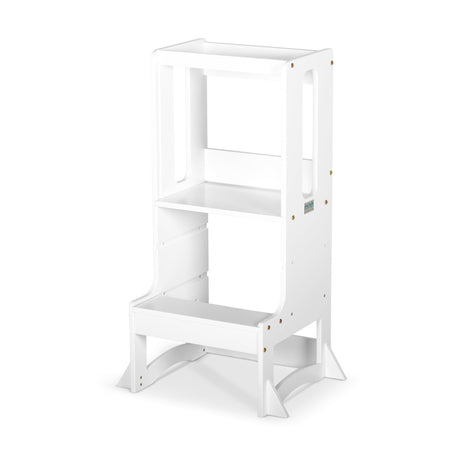
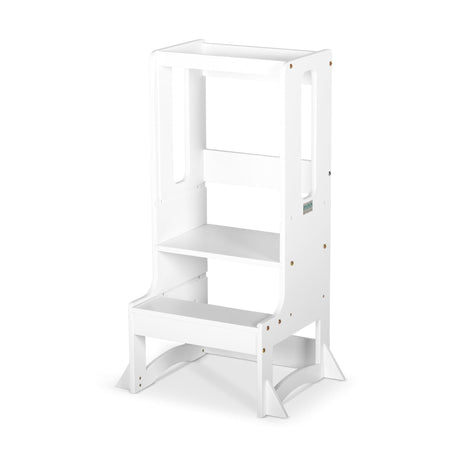
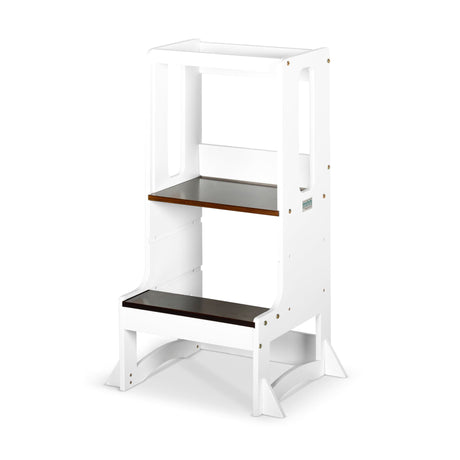
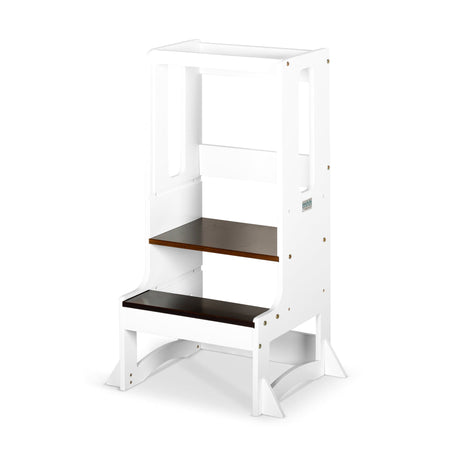
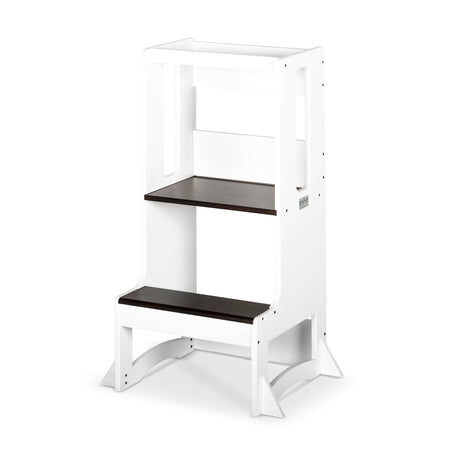

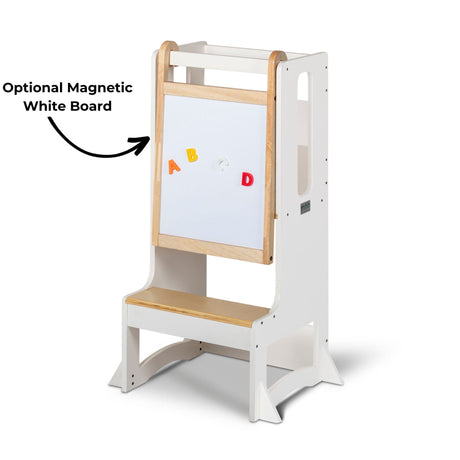
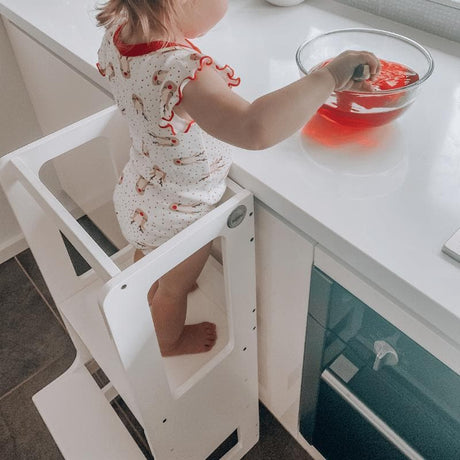
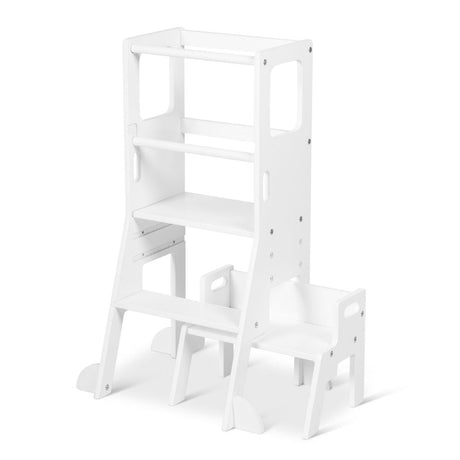


Understanding Learning Towers, Toddler Towers And Everyday Participation
Growing IndependenceEveryday ParticipationFamily ConnectionPractical Life Skills

Customer observation
What are you noticing?
Growing Independence
My Child Is Outgrowing Their Learning Tower
Kids Step Stools
Multiple Children
I Need A Learning Tower For Twins
Twin Learning Towers
Multi Use
I Want More Than A Single-Purpose Tower
Convertible Learning Towers
Limited Space
I Need A Learning Tower That Can Be Packed Away
Folding Learning Towers
Learning Tower Safety
Understanding Learning Tower Safety Before You Choose
MHH · What we've learnt
Why Learning Towers Have Become A Favourite Among Families
Frequently asked questions
Questions parents often ask
How Do Learning Towers Support Independence?
When Should A Child Move From A Learning Tower To A Step Stool?
Why Do Montessori Families Use Learning Towers?
Are Learning Towers Worth It?
Are Toddler Towers Safe?
What Age Should A Child Start Using A Learning Tower?
What Is The Difference Between A Learning Tower And A Toddler Tower?
What Is A Toddler Tower?