Learning To Tell The Time
Learning Clocks & Telling Time Toys For Kids
Explore all Early Math Concepts
Swipe to explore collections →
-
 $44.95Unit price /Unavailable
 -

-
$39.95Unit price /Unavailable
-
$44.95Unit price /Unavailable
-
$34.95Unit price /Unavailable
-
$44.95Unit price /Unavailable
-
$44.95Unit price /Unavailable
-
$44.95Unit price /Unavailable
-
$44.95Unit price /Unavailable
-
Sold out$39.95Unit price /Unavailable
-
Sold out$34.95Unit price /Unavailable



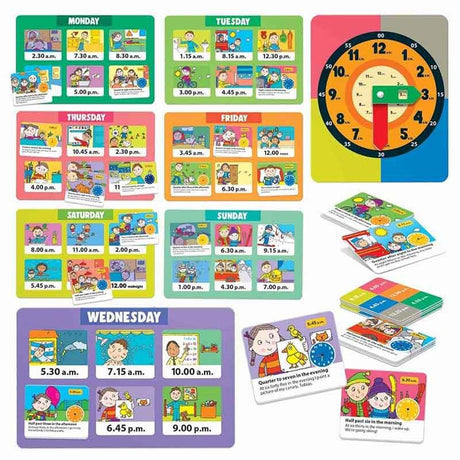


Why Learning To Tell The Time Feels So Challenging For Children
Learning Clocks
Daily Routines
School Readiness
Telling Time
Time Becomes Visible
Build Real-World Independence
Develop Skills Beyond Maths

How To Teach Telling Time Through Everyday Routines

Why Some Children Struggle To Read Analogue Clocks
Choosing The Right Time Learning Resource
Is Your Child Learning About Time Or Learning To Read A Clock?
Choose Beginner Learning Clocks If Your Child
Understands routines but cannot read a clock
Is learning the difference between morning and afternoon
Recognises numbers but struggles to apply them to time
Has never used a teaching clock before
Is beginning to ask questions about time
Needs a simple introduction to clocks and clock hands
Is learning the difference between morning and afternoon
Recognises numbers but struggles to apply them to time
Has never used a teaching clock before
Is beginning to ask questions about time
Needs a simple introduction to clocks and clock hands
Choose Advanced Time Learning Resources If Your Child
Understands o'clock times consistently
Can identify clock numbers confidently
Is ready to learn half past and quarter past
Wants to tell the time independently
Is preparing for school-based time activities
Understands how routines connect to specific times
Can identify clock numbers confidently
Is ready to learn half past and quarter past
Wants to tell the time independently
Is preparing for school-based time activities
Understands how routines connect to specific times
Why Families Choose Learning Clocks
✓
Encourages problem solving and logical thinking
✓
Makes abstract time concepts easier to understand
✓
Encourages school readiness through hands-on learning
What Should Parents Look For In A Learning Clock?
When A Learning Clock May Not Be The Right Next Step
Helping Little Ones Understand Time With Confidence