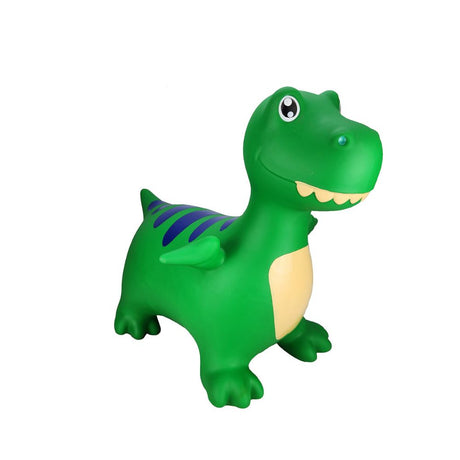
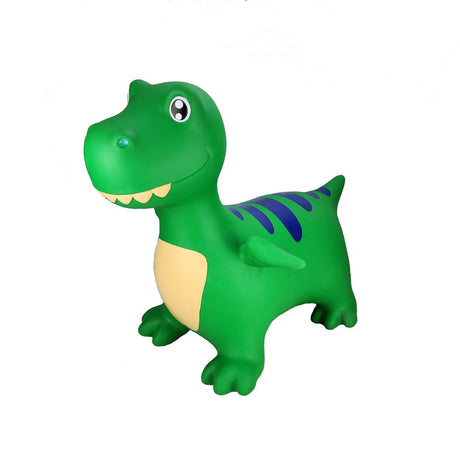
Click & Collect or 24hr Dispatch*


Movement Toys, Sensory Seating & Indoor Active Play For Kids

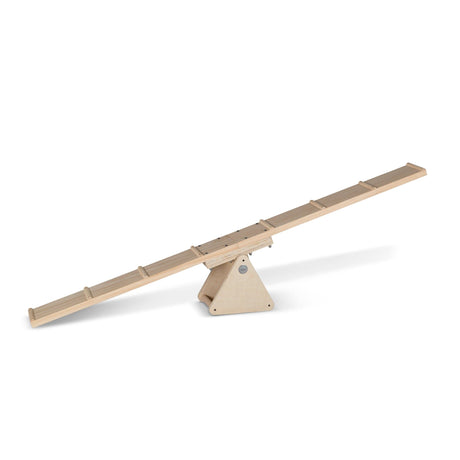
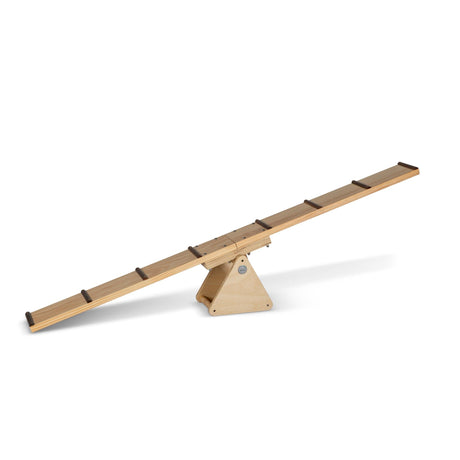
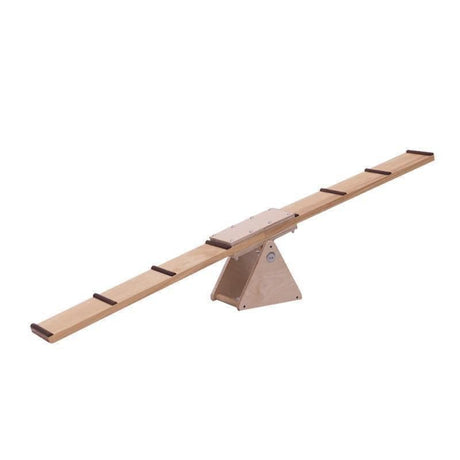
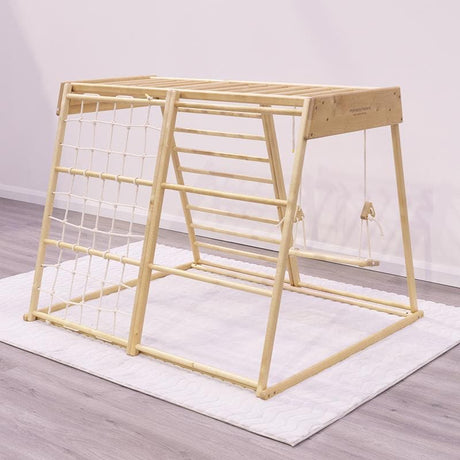
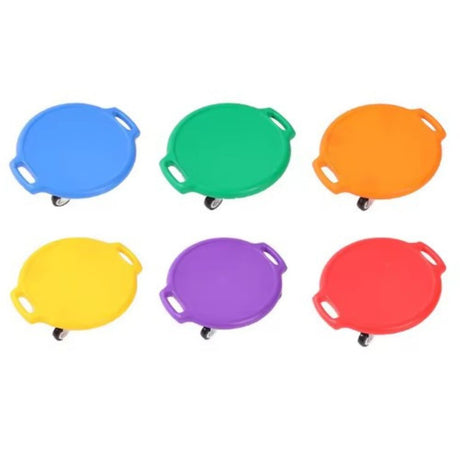
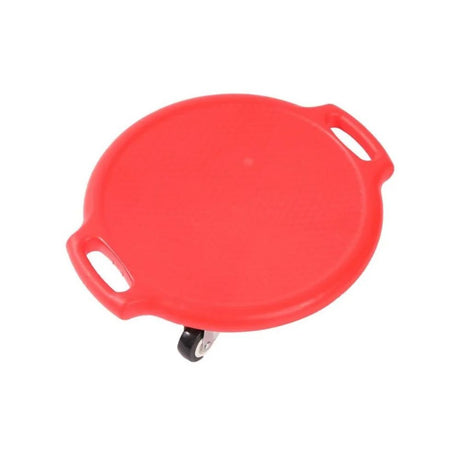
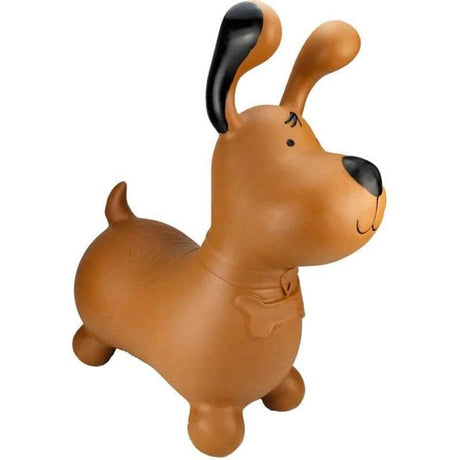
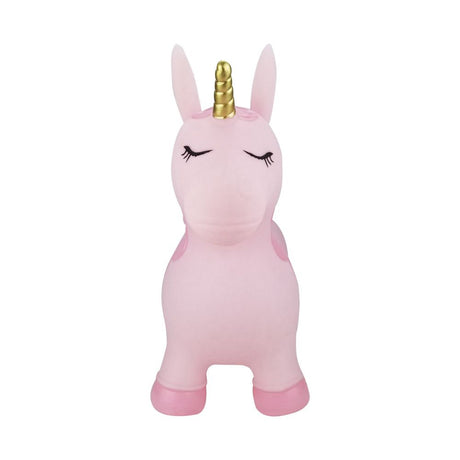
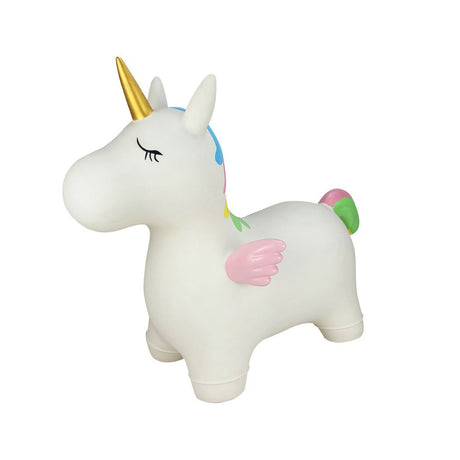
A good movement toy doesn't keep a child busy - it gives a child who's already seeking movement somewhere appropriate for it to go. Children move in completely different ways, though, so the right movement toy depends entirely on the child in front of you. Some children need somewhere to climb and balance; for them a balance board offers active, open-ended movement. Some seek spinning and rotation; a sensory spinning chair gives that input in a contained, indoor way. Some need to move while they stay seated and focus; a wobble chair lets them shift and rock at a table. And some, especially babies and younger toddlers, are settled by gentle rocking. Most movement-seeking children enjoy more than one - and the rest of this page helps you read your own child's movement so you can choose the type that actually fits.

Movement Toys Indoor Active Play Sensory Movement Gross Motor Play

Which Kind Of Movement Does Your Child Seek?

This is the question worth answering first, because movement toys aren't one thing - they're a handful of very different answers to the same question a child's body keeps asking: "where can I move today?" As a general guide, watch how your child already moves. The child who's always balancing on curbs and building obstacle courses is asking for a balance board. The child who spins in circles, rolls down hills and turns every office chair into a merry-go-round is asking for a spinning chair. The child who can't stay still at the table - rocking back, swinging a foot, standing up mid-meal - is asking for a wobble chair. And the baby or young toddler soothed by rhythm is asking for something to rock. None of these is more right than another; they're simply different ways children explore movement, and the best place to start is by watching the child rather than picking the most popular toy.
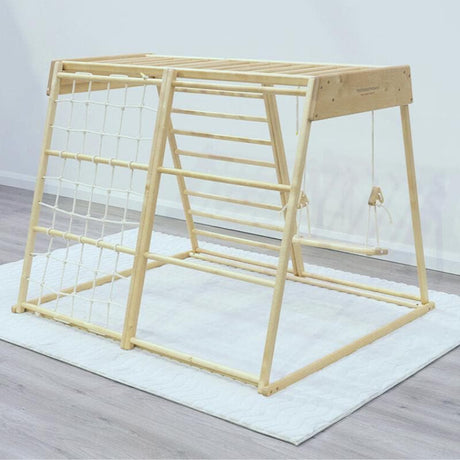
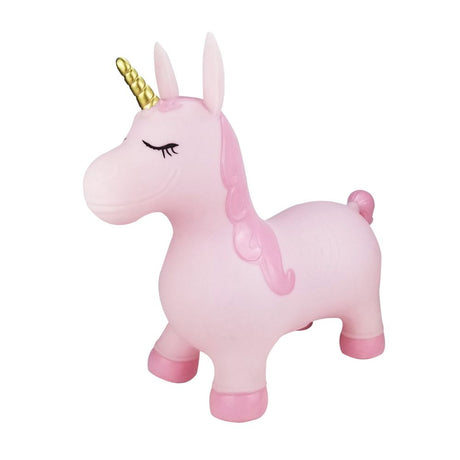
Give Movement Somewhere To Go

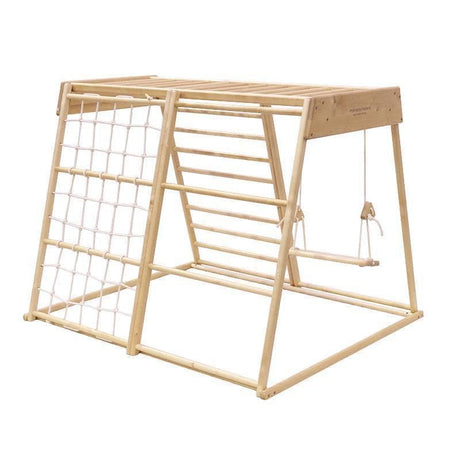
Here's the shift that changes how movement toys make sense: most parents don't actually want their child to stop climbing - they just don't want them climbing the kitchen bench. They don't mind jumping, only not off the dining table. They don't mind balancing, only not on the back of the couch. The challenge was never movement itself; it's finding places where movement becomes a confident "yes" instead of another "no." That's what indoor movement toys really do - they give a child's natural need to move somewhere appropriate to happen, so a child who's been hearing "get down" all day finally has somewhere they're allowed to climb, balance, rock or spin. Once a child has that, the whole conversation at home tends to change.
Movement Toys Are More Than Gross Motor Skills

Movement toys are usually described as good for gross motor skills, and they are - but that's only part of it. Every time a child judges whether they can reach the next stepping stone, they're making a decision. Every time they climb a little higher than last week, they're building confidence. Every time they lose their balance and recover, they're learning that a wobble isn't something to fear. For movement-seeking children - including many autistic children and children with sensory needs - that kind of self-directed movement can also be genuinely regulating, a way to feel settled and connected to their own body. Movement isn't only physical; it's emotional, cognitive and social too, and it's one of the quiet ways a child builds trust in themselves.

Indoor Movement Toys For Toddlers & Preschoolers

For younger children, indoor movement toys turn a living room into a safe place to do what they're already trying everywhere else - climbing, balancing, rocking and crawling. As a general guide, younger children do best with low, stable equipment and supervision while they build confidence, and with the freedom to set their own pace rather than being pushed. A toddler exploring a low balance board, a gentle rocker or a simple climbing piece is doing real developmental work, even when it looks like nothing more than play. The play looks effortless, but a child is learning their own limits the whole time.

Sensory Movement Toys & Seating For Active Kids

For older or highly active children, movement toys and sensory seating become a way to get the input their bodies are looking for without taking over the whole house. A child who seeks intense movement can spin, rock or balance to the point of feeling settled, then move on to something quieter - which is why so many families keep a movement toy in a calm-down corner, not just the playroom. Indoors or out, the aim is the same: give a moving child somewhere their body is welcome. That balance of moving hard then settling is exactly what these pieces are for.

Find The Right Movement Toy

What Kind Of Movement Does Your Child Enjoy?

Movement toys aren't one thing - the best choice depends on how your child moves. Here's the quick way to point yourself in the right direction.

Start Gentler / Younger If Your Child:

Is a baby or young toddler
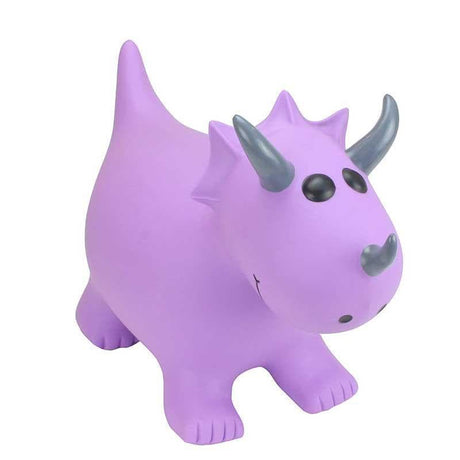
Is soothed by gentle rocking
Is new to active play and building confidence
Needs low, stable equipment with supervision

Choose More Active Movement If Your Child:

Constantly climbs, spins or can't sit still
Seeks strong movement to feel settled
Is older, confident and highly active
Wants movement built into everyday play
Still unsure? Follow the movement your child already seeks - balancing points to a balance board, spinning to a spinning chair, fidgeting to a wobble chair, soothing to a rocker. Start from the child, and the right piece becomes clear.

Why Families Choose Our Movement Toys

A Range For Every Way A Child Moves

Stable, Well-Made Indoor Active Play

Helps You Match The Toy To The Child

How To Choose Movement Toys For Your Child

When you're choosing movement toys, the most useful thing isn't a product ranking - it's watching your own child, and it's what we'd start with before recommending anything. Do they naturally climb? Are they always balancing on curbs? Do they build obstacle courses out of couch cushions, or love crawling under furniture, or seem happiest when they're moving? Those answers point to the type of movement toy that will actually get used. Beyond the type, look for the same things across any movement product: real stability so a child can move with confidence rather than worrying about falling, build quality that survives daily energetic use, and a size that suits your child now. Match the toy to how your child already moves, choose something well made, and it becomes part of everyday life rather than a toy in the corner.

Not Sure Which Movement Toy You Need?

If you know your child needs to move but you're not sure which toy fits, that's completely normal - it's exactly what this collection is here for. The simplest approach is to follow the movement your child already seeks: balancing and climbing point to a balance board; spinning points to a spinning chair; fidgeting at the table points to a wobble chair; a baby soothed by rhythm points to a rocker. It's also fine for a child to enjoy several, since most movement-seekers do. And if your child doesn't particularly seek movement, that's worth knowing too - not every child needs dedicated movement toys, and there's no need to create a need that isn't there. Start from the child, and the right piece usually becomes obvious.

Choosing Movement Toys: The Short Version
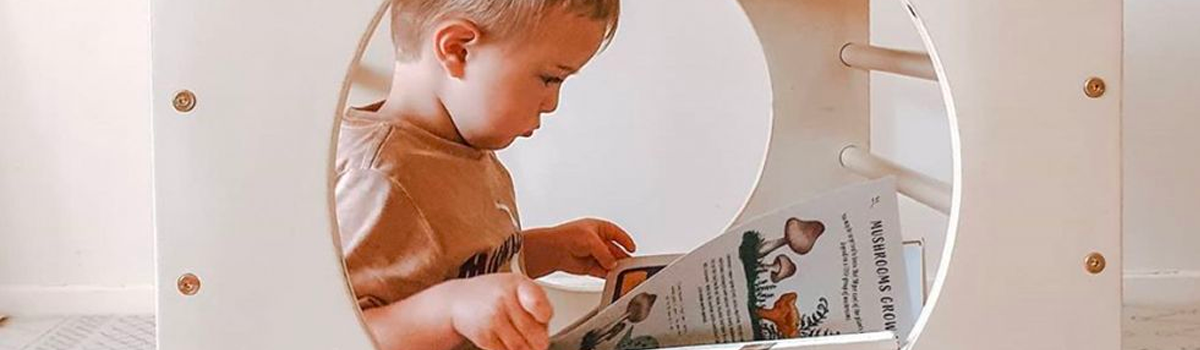
In short: movement toys give a child who's already on the move somewhere their body is welcome - and the right one comes down to how your child moves. Balancing and climbing point to a balance board, spinning to a spinning chair, fidgeting while seated to a wobble chair, and gentle soothing to a rocker. Start by watching your child rather than chasing the most popular toy, choose something stable and well made, and let them lead. Movement was never something children needed to finish before they could settle and learn - it's one of the ways they learn, and the right movement toy simply gives childhood permission to do what it does best.

Frequently asked questions
Are movement toys worth it?

For a movement-seeking child, usually yes - the right one becomes part of daily life rather than an occasional toy, and a well-made piece lasts for years across changing ages. The value comes down to the child: if yours is constantly climbing, spinning or unable to sit still, a movement toy meets a real need; if they don't seek movement, the money is better spent elsewhere.

What is the difference between movement toys and regular toys?

Most toys give a child something to do with their hands; movement toys give their whole body somewhere to go. Rather than a single activity, they support the constant balancing, climbing, spinning and rocking children do naturally - which is why they tend to become part of everyday life rather than something brought out occasionally.

Can movement toys help a child who climbs on everything?

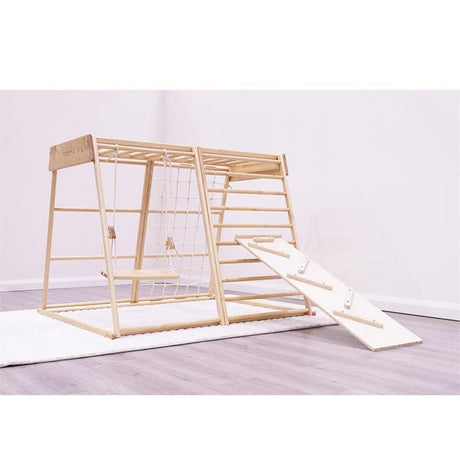
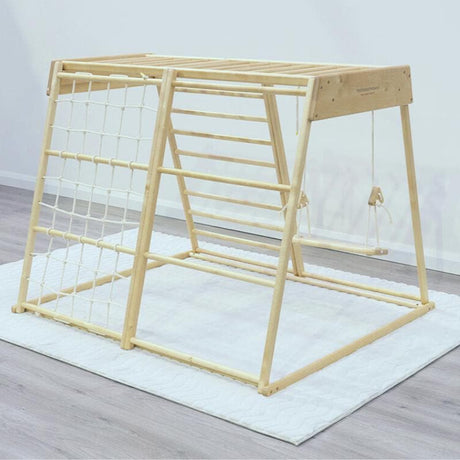
Often, yes - and that's a large part of the point. A child who climbs the furniture usually isn't misbehaving; they're seeking movement the room doesn't otherwise allow. A movement toy gives that need somewhere appropriate to go, so the answer becomes "climb here" instead of "get down." A balance board or climbing piece often suits the climber especially well.

What are the best movement toys for rainy days and small spaces?

Indoor movement toys exist precisely because children don't stop needing movement when it's raining. Balance boards, spinning chairs and wobble chairs all work in a clear patch of floor and need far less space than a climbing frame or trampoline, which makes them ideal for apartments and smaller homes. Choose based on the movement your child seeks rather than the largest piece that fits.

Are movement toys good for children with autism or ADHD?

For some children, yes. Movement toys are often used to give autistic children and children with ADHD a way to get the movement input they seek, which can help with regulation and focus. It's individual rather than guaranteed, so it's most useful to start from your child's behaviour - how they actually move and what settles them - rather than from a diagnosis.

Are movement toys good for sensory seekers?

Yes - for a child who actively seeks movement, the right movement toy provides input that's both satisfying and often regulating. Spinning, rocking and balancing give the kind of vestibular movement many sensory seekers are looking for, in a contained, indoor way. As always it's individual, so it's best to match the type of movement to what your particular child seeks out.

How do I know which movement toy my child needs?

Watch how your child already moves. A child who balances on curbs and builds obstacle courses suits a balance board; a child who spins and rolls down hills suits a spinning chair; a child who can't sit still at the table suits a wobble chair; a baby soothed by rhythm suits a rocker. Following the movement your child naturally seeks tells you far more than any product description.

What are movement toys for kids?

Movement toys are pieces that give a child somewhere to climb, balance, spin, rock or shift - indoor active play for children whose bodies are always looking for movement. They range from balance boards and spinning chairs to wobble chairs and rockers, each suiting a different kind of mover. The common thread is that they meet a need a child already has, rather than creating one.