Click & Collect or 24hr Dispatch*

Calming Tactile Resistance & Sensory Play

Sensory Slime & Putty for Kids

Some children naturally seek stronger tactile sensory input through stretching, squeezing, pulling, kneading, rolling, or manipulating objects with their hands. Sensory slime and therapy putty provide resistance-based sensory play that can feel calming, regulating, and physically satisfying for children who benefit from deeper tactile engagement during stressful, restless, or overwhelming moments.

Our collection of sensory slime and putty for kids has been carefully selected to help families choose tactile sensory tools that feel purposeful, safe, durable, and genuinely useful beyond messy novelty play. From calming therapy putty for focus and emotional regulation through to sensory slime designed for tactile exploration and sensory seekers, these products support hands-on sensory engagement in ways that feel calming, engaging, and easy to integrate into everyday routines.


Therapy Putty for Focus, Restless Hands & Sensory Regulation

Why Children Seek Stretching, Pulling & Resistance-Based Sensory Play

Many children naturally seek tactile resistance through squeezing, stretching, twisting, pulling, or repetitive hand manipulation throughout the day. For some children, stronger tactile input helps calm restless hands, support focus, reduce stress, or provide sensory feedback that feels physically regulating and emotionally grounding.

Unlike soft squishy toys that focus on gentle pressure input or fidget tools designed for quiet repetitive movement, sensory slime and therapy putty provide deeper tactile resistance that encourages active sensory manipulation through the hands and fingers. Many families use therapy putty and sensory slime during transitions, homework, calm-down routines, waiting periods, travel, emotional overwhelm, or sensory regulation breaks because the resistance-based tactile input helps children stay physically engaged while calming the nervous system through repetitive sensory play.

This collection focuses specifically on purposeful sensory slime and therapy putty rather than arts-and-crafts slime, novelty compounds, or messy trend products. The goal is to help parents choose tactile sensory tools that feel calming, practical, durable, and genuinely supportive for sensory regulation and hands-on sensory play.

Hands-On Regulation Therapy Putty & Slime Calming Sensory Input Tactile Resistance Play

Provides Stronger Tactile Sensory Feedback

Sensory slime and therapy putty create resistance-based tactile input through stretching, kneading, pulling, rolling, and squeezing movements. Many children find this type of sensory feedback more physically satisfying and regulating than lighter tactile toys because it actively engages the hands, fingers, and muscles during sensory play.

Supports Emotional Regulation Through Repetitive Sensory Play

Some children calm their body through repetitive tactile activities during moments of stress, overwhelm, frustration, or restlessness. Therapy putty and sensory slime provide predictable sensory interaction that can help redirect nervous energy into slower, more controlled sensory engagement through the hands.

Encourages Hand Strength & Fine Motor Engagement

Resistance-based sensory tools naturally encourage squeezing, pinching, rolling, stretching, and finger isolation movements that support hand strength and fine motor coordination during sensory play. Many therapy putty products are commonly used for both sensory exploration and hand-strength activities.

Shop by need

Sensory Slime for Tactile Exploration & Calm-Down Sensory Play

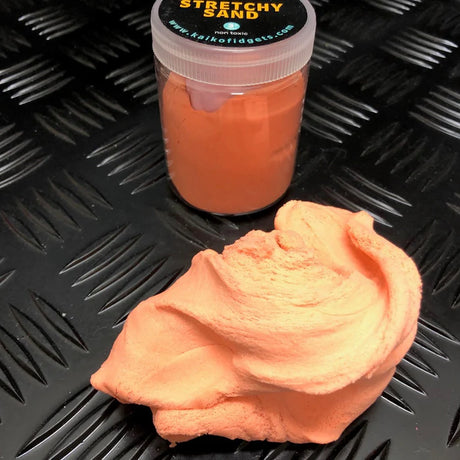
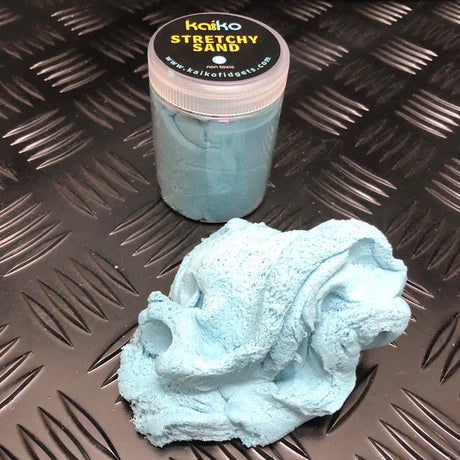
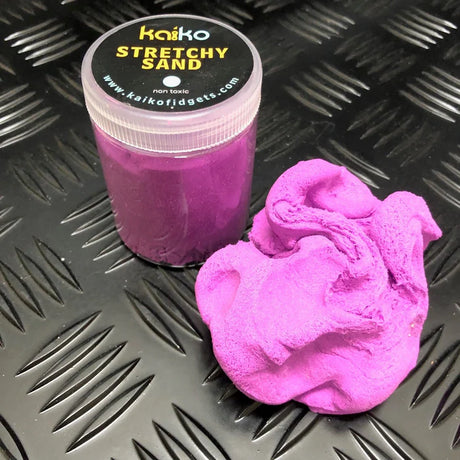
For children who enjoy stretching, pulling, rolling, or manipulating textures through their hands, sensory slime can provide highly engaging tactile sensory play that feels calming and physically satisfying. Sensory slime for tactile sensory seekers is often used during calm-down routines, sensory breaks, travel, waiting periods, or emotional regulation activities where children benefit from stronger hands-on sensory input.

Mixed Emotions | Hide Inside!® Thinking Putty

Therapy Putty for Focus, Restless Hands & Sensory Regulation

Children who constantly pick at clothing, crack knuckles, tap surfaces, chew objects, or struggle to keep their hands occupied may benefit from therapy putty that provides stronger tactile resistance and repetitive sensory feedback. Therapy putty for focus and sensory regulation can help redirect restless hand behaviours into calmer sensory engagement during homework, quiet time, transitions, or seated activities.

Get Ready with Me | Thinking Putty®

Sensory Slime for Tactile Exploration & Calm-Down Sensory Play

For children who enjoy stretching, pulling, rolling, or manipulating textures through their hands, sensory slime can provide highly engaging tactile sensory play that feels calming and physically satisfying. Sensory slime for tactile sensory seekers is often used during calm-down routines, sensory breaks, travel, waiting periods, or emotional regulation activities where children benefit from stronger hands-on sensory input.

Choosing The Right Sensory Slime Or Putty

What Type Of Tactile Sensory Input Does Your Child Prefer?

The best sensory slime or therapy putty depends on how much tactile resistance your child seeks, whether the goal is calming sensory regulation or stronger sensory feedback, and where the product will be used most often.

Choose Softer Sensory Slime If Your Child:

  • Enjoys stretching and pulling textures Prefers softer tactile feedback Likes messy sensory exploration in controlled settings Benefits from calming repetitive sensory play Enjoys slower tactile sensory engagement

Choose Therapy Putty If Your Child:

  • Seeks stronger tactile resistance Constantly squeezes or manipulates objects Benefits from hand-strength activities Needs sensory support during seated tasks Responds well to repetitive resistance-based sensory input
If you are unsure where to begin, medium-resistance therapy putty is often the easiest starting point because it provides tactile sensory feedback without becoming overly messy or overstimulating.

Purposeful Tactile Sensory Play Designed For Everyday Regulation

Selected for calming tactile sensory engagement and resistance-based sensory input

Supports sensory regulation, focus, hand strength, and repetitive tactile exploration

Carefully chosen for durability, safety, portability, and purposeful sensory play value

What To Look For In Sensory Slime & Therapy Putty

When choosing sensory slime or therapy putty for kids, consider how your child naturally seeks tactile sensory input and how the product will be used. Some children prefer softer stretchy slime for sensory exploration and calming repetitive play, while others seek firmer resistance and stronger tactile feedback through therapy putty. Resistance level, texture, durability, mess level, portability, and ease of cleaning all matter, especially if the product will be used regularly for sensory regulation, focus support, travel, school breaks, or calm-down routines.

When Sensory Slime & Putty May Not Be The Best Fit

Sensory slime and therapy putty may not suit children who dislike sticky textures, avoid tactile sensory play, or seek movement-based sensory input instead of hand-based sensory engagement. Some children respond better to squishy toys, fidget tools, oral sensory supports, or movement toys depending on how they regulate sensory needs and emotional energy throughout the day.

Hands-On Sensory Play That Feels Calming, Engaging & Purposeful

The right sensory slime or therapy putty can give children a calming and physically satisfying way to engage their hands during moments of stress, overwhelm, sensory seeking, or restless energy. Whether your child prefers softer tactile exploration through sensory slime or stronger resistance-based feedback through therapy putty, these tactile sensory tools help create more purposeful and manageable sensory experiences through hands-on play.

Frequently asked questions
What is the difference between therapy putty and fidget toys?

Therapy putty focuses on resistance-based tactile sensory manipulation through squeezing, kneading, stretching, and pulling, while fidget toys are usually designed for smaller repetitive hand movements such as twisting, clicking, rolling, or tapping during seated tasks. Therapy putty generally provides deeper tactile sensory feedback and stronger hand engagement than most fidget tools.

Is therapy putty good for hand strength?

Yes. Therapy putty naturally encourages squeezing, pinching, pulling, stretching, and finger-isolation movements that help support hand strength and fine motor engagement during sensory play. Many therapy putty products are commonly used for both sensory regulation and fine motor strengthening activities for children.

What are the best sensory putties for restless hands?

Children who constantly pick, tap, crack knuckles, chew objects, or manipulate nearby items often benefit from therapy putty with medium or firm resistance because it provides stronger tactile sensory feedback through the hands and fingers. Resistance-based sensory putty can help redirect restless hand movement into calmer and more purposeful tactile engagement during homework, quiet activities, or transitions.

Is sensory slime messy?

Some sensory slime products are messier than others depending on the texture, moisture content, and ingredients used. High-quality sensory slime designed for tactile sensory play is usually less sticky and easier to manage than novelty craft slime. Many families prefer therapy putty when they want a cleaner, more portable sensory tool with less risk of residue on surfaces or clothing.

What age is therapy putty suitable for?

Therapy putty for kids is generally best suited to children aged 4 years and older depending on supervision needs, mouthing behaviours, and the child’s ability to use the product safely. Younger children may require closer supervision, particularly with softer sensory compounds that could tear or become a choking risk if used inappropriately.

Can sensory slime help children with anxiety?

For some children, sensory slime can help support emotional regulation and calming sensory routines because repetitive tactile manipulation may feel soothing and grounding during stressful situations. Children who naturally seek tactile sensory input often enjoy stretching, rolling, and pulling sensory slime during transitions, waiting periods, travel, calm-down routines, or emotionally overwhelming moments.

Is therapy putty good for sensory regulation?

Yes. Therapy putty for sensory regulation provides resistance-based tactile input that many children find calming and physically satisfying during moments of overwhelm, stress, emotional dysregulation, or restless hand behaviours. The repetitive stretching, squeezing, and kneading actions can help redirect nervous energy into slower and more purposeful sensory engagement through the hands.

What is the difference between sensory slime and therapy putty?

Sensory slime is usually softer, stretchier, and more fluid in texture, making it popular for tactile sensory exploration through pulling, stretching, rolling, and repetitive manipulation. Therapy putty is typically firmer and provides stronger resistance through squeezing, pinching, twisting, and kneading movements. Many children who seek stronger tactile feedback or hand resistance prefer therapy putty, while children who enjoy softer textures and flowing sensory play may prefer sensory slime.