Click & Collect or 24hr Dispatch*

15% Off Sitewide & Clearance*

EOFY15
They don’t follow instructions — they build their own way

Open-Ended Building Play

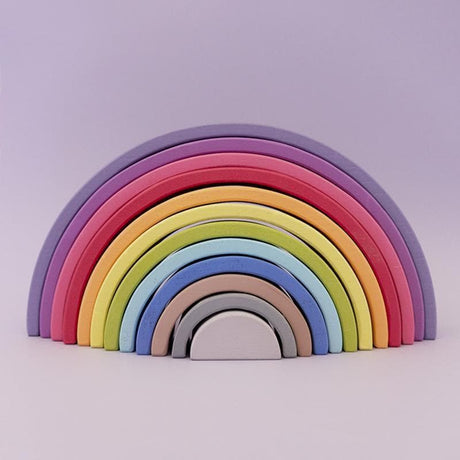
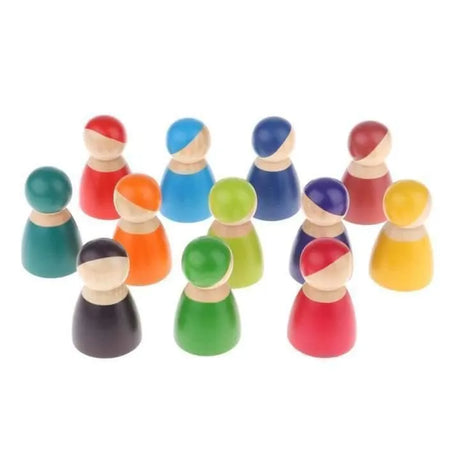
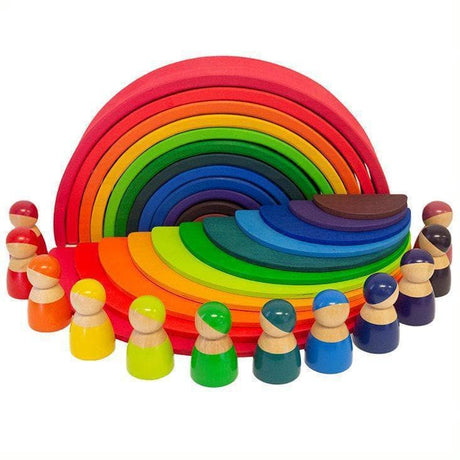
Some children build towers. Others build entire worlds. Open-ended building play is for children who rarely use materials the way adults expect. A rainbow becomes a bridge. A silk becomes an ocean. Peg dolls become adventurers. These materials support children who naturally combine building, storytelling and imagination into one seamless style of play.

Start here

Not every child wants instructions, rules or a finished outcome. Some children prefer materials they can transform, combine and reinvent as their ideas evolve. Understanding this difference can make choosing building resources much easier.

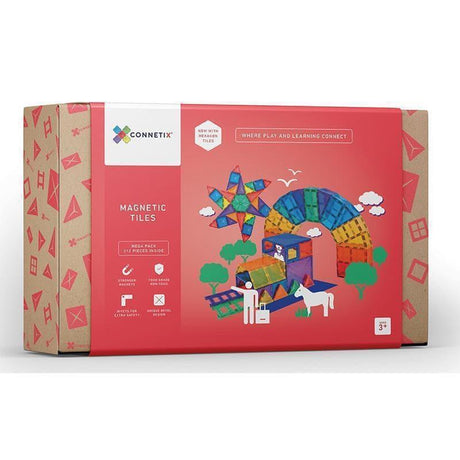
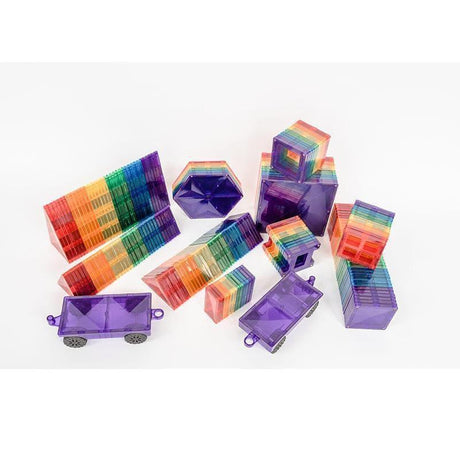
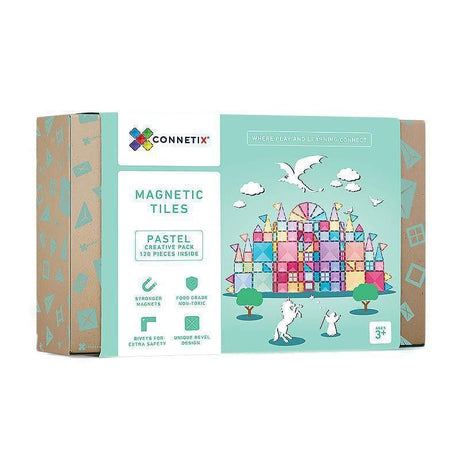
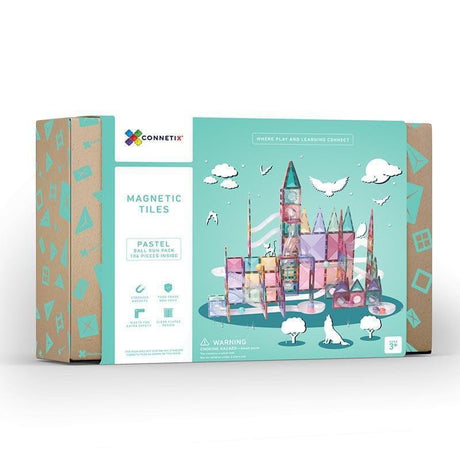
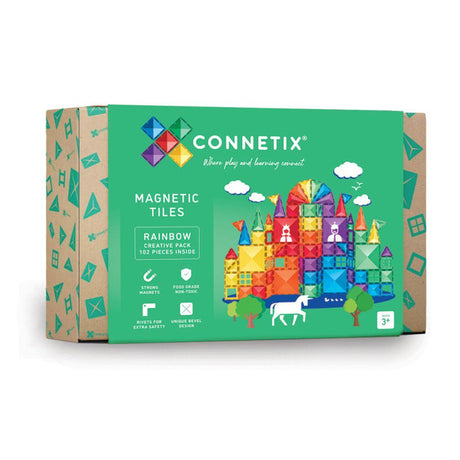
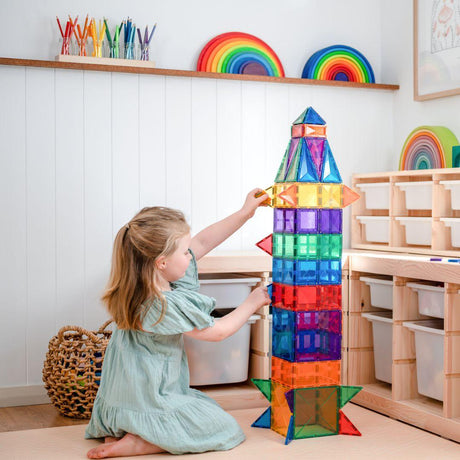
If your child is focused on creating stable structures, connected construction systems or engineering-style builds, Magnetic Building Toys may be a better fit.

View as

Creating Worlds Instead Of Following Instructions

Open-ended building play sits somewhere between construction and imagination. Children are not simply building structures. They are creating stories, landscapes, characters and entire worlds. The same materials may become a castle one day, a racetrack the next and a magical forest by the weekend. The goal is not building something correctly. It is providing versatile materials that adapt to the child's ideas rather than forcing play in a particular direction.

Less structure, more focus Play that lasts longer Materials that adapt No “right way” to use it
When Imagination Wants Stronger Structures

Some Children Eventually Want Their Ideas To Stay Connected


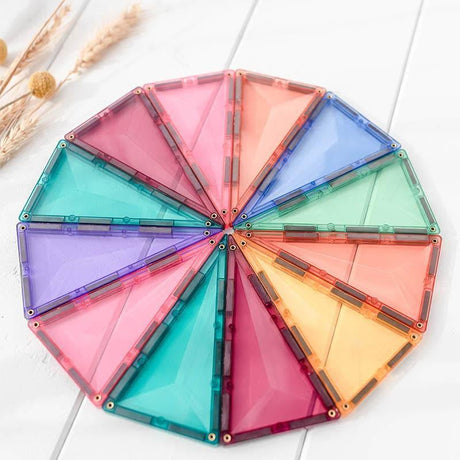
As children grow, some begin creating larger and more complex structures that require connected building systems. If your child loves building worlds but is becoming increasingly interested in permanent structures, magnetic construction may be a natural next step.

There Is No Correct Way To Play

One child may build a castle. Another may turn the same materials into a dragon cave, a space station or a farm. Open-ended building play works because it adapts to the child rather than asking the child to adapt to the toy. When children are free to create, combine and reinterpret materials in their own way, their ideas often become the most important part of the play experience.

Frequently asked questions

Questions parents often ask

How do I choose the right open-ended building materials for my child?

The best place to start is by observing how your child already plays. Some children are naturally drawn to creating landscapes and environments. Others focus on storytelling and characters. Some enjoy building pathways, roads and bridges, while others constantly collect and arrange smaller objects.

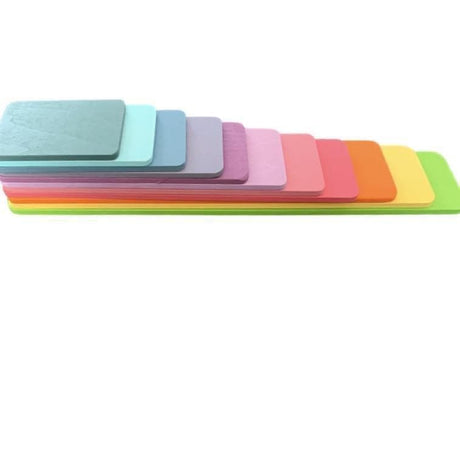
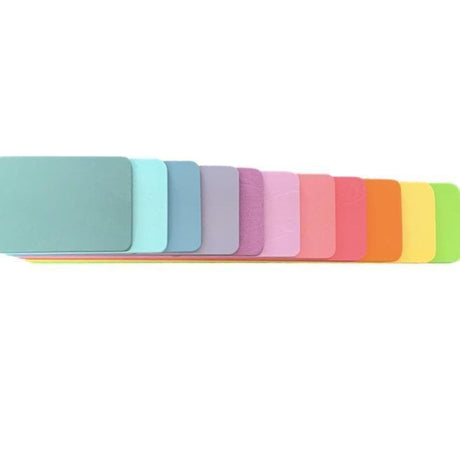
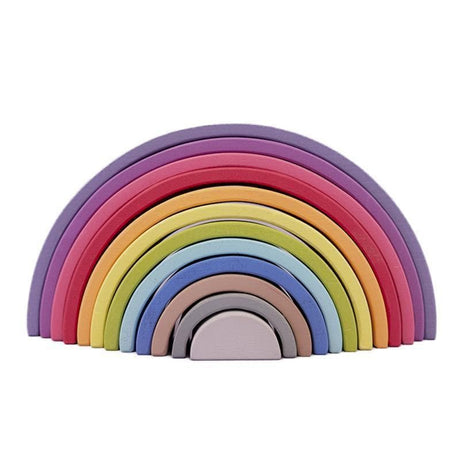
Understanding these patterns often makes choosing open-ended building materials much easier. Children who create elaborate worlds may benefit from building boards and wooden rainbows. Children who focus on characters and storytelling may gravitate towards peg dolls. Those who constantly gather, sort and repurpose objects often respond well to loose parts.

Rather than asking which open-ended toy is best, it can be more useful to ask what your child already spends time creating. Open-ended building play works best when the materials complement the child's natural interests rather than directing them towards a predetermined outcome. The goal is not to teach a specific way to play, but to provide tools that support the ideas they already have.

Why do open-ended building toys often stay relevant for longer?

One of the most common frustrations parents experience is purchasing toys that are used intensely for a few weeks before being forgotten. Open-ended building materials often remain relevant for much longer because the child continuously creates new ways to use them.

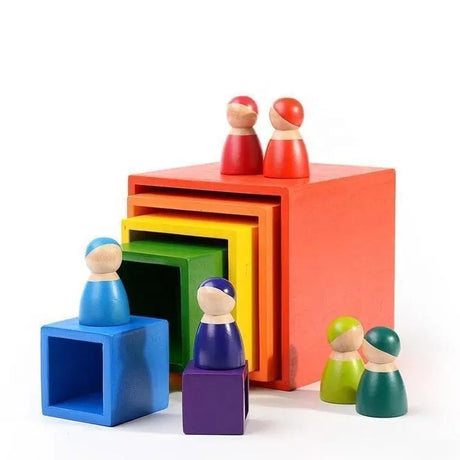
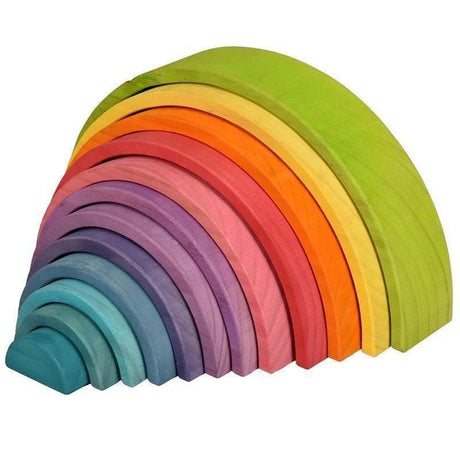
The materials themselves do not change, but the child's ideas do. As children develop new interests, stories and skills, they naturally reinterpret the same resources. A rainbow stacker used for balancing at age two may become part of a fantasy world at age five. Building boards that once supported simple structures may later become roads, bridges and stages for elaborate imaginative play.

Because there is no final level to complete or specific objective to achieve, children can revisit open-ended materials indefinitely. Many parents searching for long-lasting toys for imaginative children are ultimately looking for resources that support evolving play rather than providing a short-term activity.

This adaptability is one of the defining strengths of open-ended building play.

What are loose parts and how do they support open-ended building play?

Loose parts are versatile materials that can be moved, combined, stacked, arranged and transformed in countless ways. Unlike toys with a single purpose, loose parts invite children to decide how they will be used. Common examples include wooden discs, rings, bowls, pebbles, gems and other open-ended building components.

Within open-ended building play, loose parts often become the details that bring a child's creation to life. They may represent food in a pretend shop, treasure in a pirate cave, trees in a forest or stepping stones across an imaginary river. Because the materials can constantly change purpose, children remain engaged in creative thinking rather than following fixed play patterns.

Parents interested in Montessori-inspired play, loose parts play or open-ended construction often appreciate how a small collection of versatile materials can support hundreds of different play scenarios. Rather than requiring a new toy for every interest, loose parts allow children to adapt existing materials to suit their current ideas and imaginative projects.

Are open-ended building toys suitable for independent play?

Many families searching for toys that encourage independent play eventually discover open-ended building materials because they place control firmly in the child's hands. There are no instructions to follow, no levels to complete and no predetermined outcome that requires adult guidance.

Children decide what to build, how to build it and when to change direction. This freedom often supports longer periods of self-directed engagement because the play is driven by the child's interests rather than external rules. A child can revisit the same materials repeatedly while creating completely different outcomes each time.

Independent play does not mean children should be left entirely alone. Instead, it means they can direct the activity themselves without needing constant input. Open-ended building resources are particularly effective because they provide enough flexibility for children to solve problems, test ideas and follow their imagination independently.

Many parents looking for toys that encourage creativity and independent thinking find that open-ended building materials become some of the most frequently used resources in the playroom.

Why do children use open-ended building materials in unexpected ways?

Many parents are surprised when a child completely ignores the intended purpose of a toy. A silk becomes a river. Building boards become roads. Loose parts become treasure. Peg dolls become explorers. In reality, this is often exactly what open-ended play is designed to encourage.

Children naturally experiment with symbolism as their imagination develops. They begin using one object to represent something entirely different. This allows them to create stories, imaginary worlds and complex scenarios without needing a separate toy for every idea.

Parents sometimes worry their child is using the materials incorrectly because the final result looks nothing like the product photographs. Open-ended building play works differently. The value comes from flexibility rather than accuracy. The materials become tools for creativity rather than objects with a single purpose.

For many children, the ability to reinterpret materials is what keeps them engaging over time. The toy changes as their ideas change, creating new opportunities for imaginative play every day.

What age is best for open-ended building toys?

Open-ended building toys often appeal to a much wider age range than many parents expect. While some children begin experimenting with simple open-ended materials around two years of age, many continue using them well into primary school and beyond. The materials stay the same, but the complexity of play changes dramatically over time.

A younger child may use a rainbow stacker to create simple tunnels or bridges. A preschooler might use the same pieces to build roads, castles or animal habitats. Older children often incorporate storytelling, role play and detailed world-building into their creations. Because there is no fixed outcome, the toys continue adapting to the child's imagination and developmental stage.

Parents looking for toys that grow with their child are often drawn to open-ended building resources because they rarely become "too easy." Instead, children simply find new ways to use them. This flexibility makes open-ended construction materials particularly valuable for families wanting fewer toys with longer-term play potential.

How is open-ended building play different from traditional construction toys?

Traditional construction toys often focus on creating a specific structure, following a building system or assembling pieces into a finished design. Open-ended building play takes a different approach. The goal is not necessarily to complete a structure. Instead, children use materials as tools for imagination, storytelling and world-building.

For example, a child using open-ended building materials may start by creating a bridge, then decide it becomes a dragon cave, and later transform it into part of a pirate island. The materials remain the same, but the purpose constantly changes. This flexibility is one of the reasons many children return to open-ended building resources repeatedly.

Parents researching the difference between construction toys and open-ended building play often notice that imaginative children rarely follow instructions for long. Open-ended materials allow those children to use their ideas without worrying whether they are using the toy correctly. The focus shifts away from building a specific object and towards creating experiences, stories and imaginative environments that evolve over time.

What is open-ended building play and why do parents choose it?

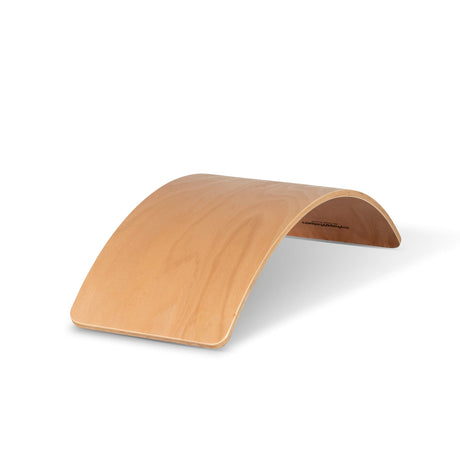
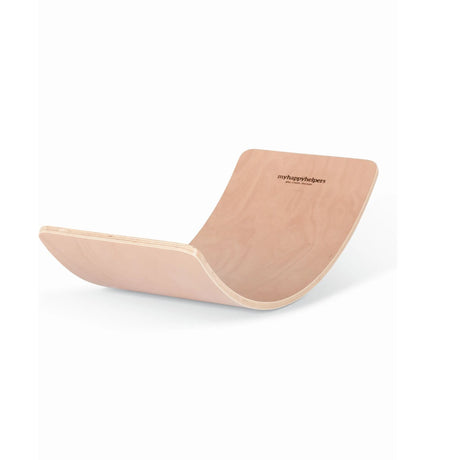
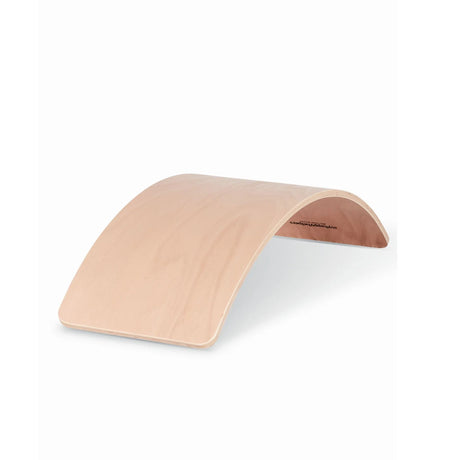
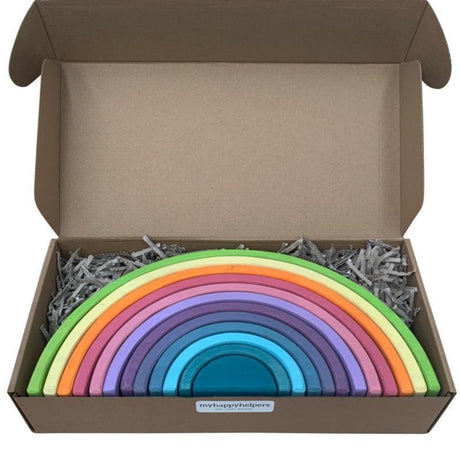
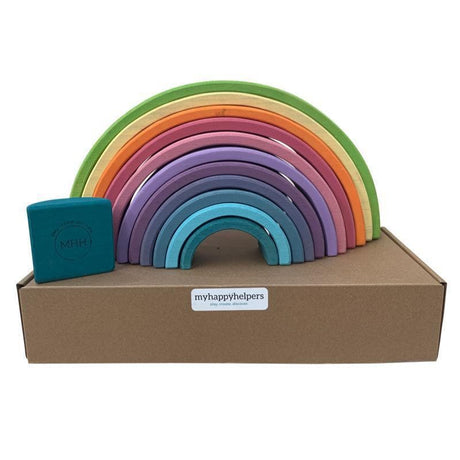
Open-ended building play refers to building materials that do not have a fixed purpose, single outcome or correct way to use them. Unlike toys designed to create one specific object, open-ended building resources can become whatever the child imagines. A wooden rainbow might become a bridge, a tunnel, a mountain range or part of a small world landscape. Building boards may become roads, platforms, ramps or stages. The possibilities change every time the child plays.

Many parents are drawn to open-ended building toys because they often remain relevant for years rather than weeks. Instead of children following instructions or copying examples, they create their own ideas and adapt materials to suit those ideas. This often leads to longer periods of engagement, more independent play and greater flexibility as children grow.

Parents searching for open-ended building play for toddlers or creative construction toys for preschoolers are often looking for toys that support imagination without relying on batteries, screens or fixed play patterns. The value comes from the child bringing the ideas, not the toy providing them.