Click & Collect or 24hr Dispatch*

15% Off Sitewide & Clearance*

EOFY15
Creative Projects With A Finished Outcome

Craft Kits

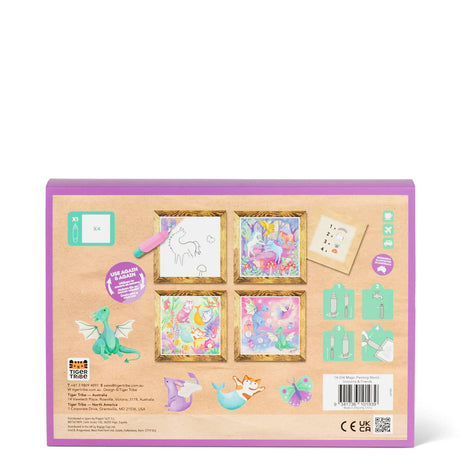
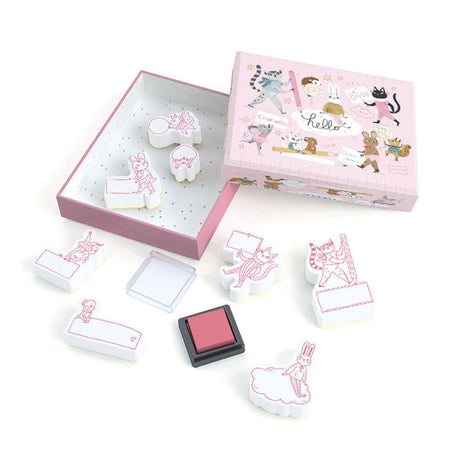
Some children love creating, but not every child wants a blank page and unlimited possibilities. Craft kits and making activities provide a clear starting point, a creative process to follow and something meaningful to show for their effort at the end. Whether they are making jewellery, building paper creations or completing guided activity kits, this category helps parents find creative projects that match the way their child likes to create.

Start here

Some children prefer wearable creations, others enjoy following creative steps, while some simply need a structured activity that keeps their hands busy and their mind focused. Understanding how your child approaches creative play can make choosing the right activity much easier.

If your child prefers open-ended drawing, painting or artistic experimentation rather than guided projects, Arts & Creative Expression may be a better fit.

View as

Choosing Creative Activities That Match How Your Child Likes To Make

Not all creative children engage in the same way. Some love following instructions and completing a project from start to finish. Others enjoy making something they can wear, keep or proudly give as a gift. Craft kits and making activities provide structure without removing creativity, helping children stay engaged while working towards a finished result. Understanding what motivates your child can help you choose activities that feel rewarding rather than frustrating.

Finished Projects Independent Activities Creative Confidence Screen-Free Engagement
Looking For More Creative Freedom?

Some Children Prefer Open-Ended Creative Expression

Not every child enjoys guided projects. If your child prefers experimenting with colours, drawing, painting and creating without instructions, open-ended art activities may provide a better fit. These experiences focus on the creative process rather than a finished outcome.

There Is No Right Way To Be Creative
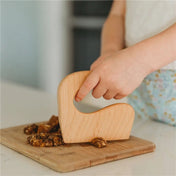
Some children love structured projects. Others prefer experimenting, decorating, building or making things entirely their own way. Choosing activities that match how your child naturally approaches creativity often leads to longer engagement, less frustration and more confidence. The goal is not to create something perfect, but to give children opportunities to make, create and express themselves in ways that feel meaningful to them.

Frequently asked questions

Questions parents often ask

Can craft kits help reduce screen time for children?

Many parents begin searching for craft kits when they are looking for screen-free activities that can hold their child's attention for longer than a few minutes. While no activity guarantees a child will forget about screens entirely, creative projects often provide something many digital experiences don't: a sense of ownership and accomplishment.

Children are naturally motivated when they can see progress and create something tangible. Completing a bracelet, finishing a paper project or revealing a scratch art design provides a satisfying sense of achievement that encourages continued engagement. Unlike passive entertainment, making activities require children to participate, make decisions and work towards a finished outcome.

For many families, craft kits become particularly useful during school holidays, rainy afternoons and quiet time at home because they offer a purposeful activity without requiring constant parental involvement or screen-based stimulation.

How do I know if my child would prefer jewellery making, paper crafts or activity kits?

The easiest way to choose is to look at what your child already does during everyday play.

Children who collect treasures, enjoy accessories or love giving handmade gifts often gravitate towards jewellery making sets. Children who are constantly folding paper, cutting shapes, building creations from cardboard or decorating homemade projects frequently enjoy paper craft activities. Children who prefer clear instructions, organised activities and step-by-step projects often respond well to activity kits.

Rather than choosing based on what looks most impressive, look for clues in your child's existing behaviour. The activities they naturally return to at home often provide the strongest indication of which creative projects will hold their attention. The goal isn't finding the most educational craft activity. It's finding the type of making activity your child genuinely wants to complete.

Are craft kits better than open-ended art activities?

This is one of the most common questions parents ask, particularly when trying to decide between craft kits, colouring activities, painting or general art supplies.

The truth is that neither option is universally better. They simply support different types of children and different styles of creative play. Craft kits provide structure, guidance and a finished outcome. They often suit children who enjoy following steps, completing projects and seeing tangible results. Open-ended art activities provide more freedom and flexibility but can feel overwhelming for children who prefer clear instructions.

Many families find that both have a place in their home. A child might spend one afternoon completing a jewellery making project and another experimenting freely with paints and markers. Understanding how your child naturally approaches creativity can help you choose activities that feel engaging rather than frustrating.

What age should children start craft kits and making activities?

Many parents search for craft kits for 3 year olds, 4 year olds or 5 year olds, but age is only one piece of the puzzle. A child's attention span, fine motor skills and confidence often matter more than the age printed on the box.

Some younger children enjoy simple paper crafts, sticker activities and beginner making kits with adult support, while older children may be ready for more detailed jewellery making or multi-step creative projects. Rather than focusing purely on age recommendations, consider how your child approaches activities at home. Do they enjoy sitting and concentrating on a task? Can they follow simple instructions? Do they enjoy creating things and showing them to others afterwards?

Choosing an activity that matches your child's developmental stage rather than simply their age usually leads to greater success, less frustration and a much more enjoyable creative experience for both parent and child.

What are the best craft kits for kids who lose interest quickly?

One of the biggest frustrations parents face is spending money on activities that capture attention for five minutes before being abandoned. If your child tends to move rapidly between toys and activities, look for craft kits with a clear goal, visible progress and a finished result. Many children stay engaged for longer when they can see their creation taking shape rather than working towards an outcome that feels too far away.

Foil art, scratch art and guided activity kits are often popular with children who enjoy immediate feedback because each step reveals something new. Jewellery making can also work well for children who like collecting, wearing or gifting their creations. The key is matching the activity to your child's natural interests rather than choosing the most complicated project available. Children who enjoy following steps often remain engaged for much longer than when presented with completely open-ended materials and asked to invent their own project from scratch.