Click & Collect or 24hr Dispatch*

15% Off Sitewide & Clearance*

EOFY15
Bath Toys For Toddlers Who Love To Splash, Pour & Play

Bath Toys

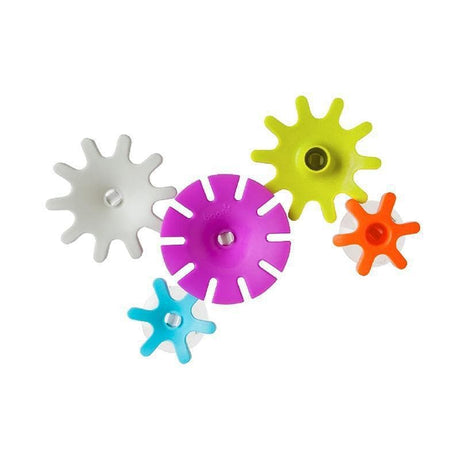
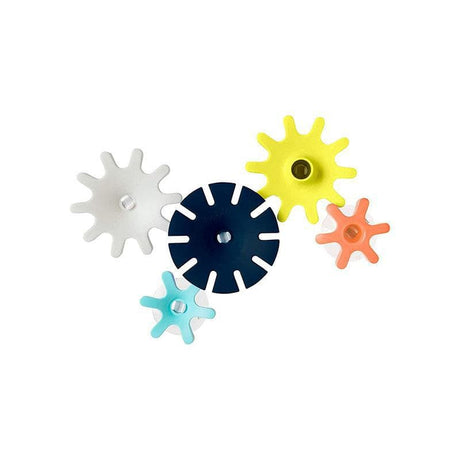
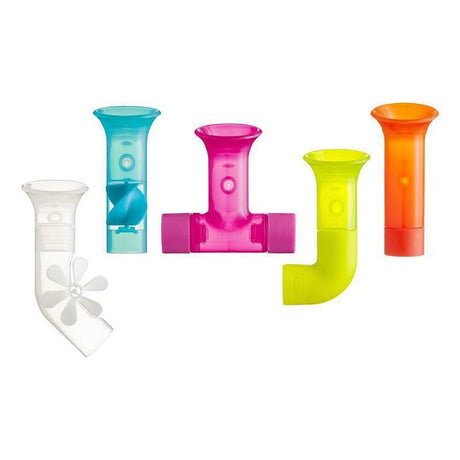
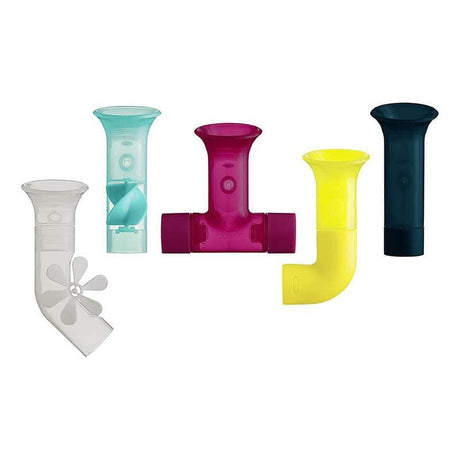
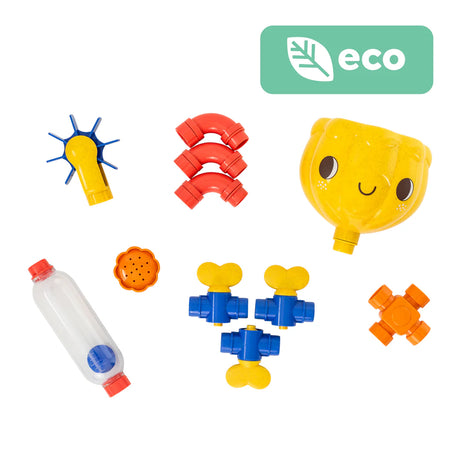
The best bath toys give children something meaningful to do while they're in the water. Whether your toddler enjoys pouring, scooping, floating or imaginative play, the right bath toys can help turn bath time into a routine they actively look forward to. Designed for children who are already comfortable in the bath, these toys encourage curiosity, independent play and longer engagement without relying on screens or overstimulating features.


Bath Toys For Toddlers Who Love Pouring, Scooping & Repeating Actions

The Right Bath Toys Keep Children Engaged For Longer

Many toddlers reach a stage where splashing alone is no longer enough. They want to pour, experiment, repeat actions and create their own games. The best bath toys give children opportunities to stay engaged in the water while supporting the natural curiosity that appears during the toddler years. Whether your child enjoys filling and emptying containers, watching cause and effect in action or creating imaginative bath-time adventures, choosing toys that match how they naturally play can make bath time easier and more enjoyable for everyone.

Independent Play Water Exploration Imaginative Play Cause & Effect

They Give Children Something Meaningful To Do

Toddlers are naturally drawn to repetition. Pouring water from one container to another, watching objects float or experimenting with movement in the bath provides a sense of purpose that keeps them engaged. Rather than passively sitting in the water, children become active participants in their own play.

They Turn Bath Time Into A Positive Routine

When children associate bath time with exploration and play, routines often become easier. Engaging bath toys can help shift focus away from washing and towards participation, making the overall experience feel more enjoyable for both children and parents.

They Grow With Your Child's Interests

The most versatile bath toys can be used in different ways as children grow. Simple pouring activities may later become imaginative games, role play scenarios or more complex water experiments, helping toys remain relevant beyond a single stage.

Shop by need

The Best Bath Toys For Children Who Get Bored During Bath Time

Some children happily enter the bath but quickly run out of things to do. Others become restless halfway through washing and start looking for ways to leave. Choosing bath toys that encourage interaction, movement and imaginative play can help maintain engagement throughout the routine. Cause-and-effect toys, floating activities and open-ended bath play often work well because they give children new ways to interact with the water rather than simply observing it. Matching bath toys to the way your child naturally plays can make bath time feel easier and more enjoyable for everyone involved.

Bath Toys For Toddlers Who Love Pouring, Scooping & Repeating Actions

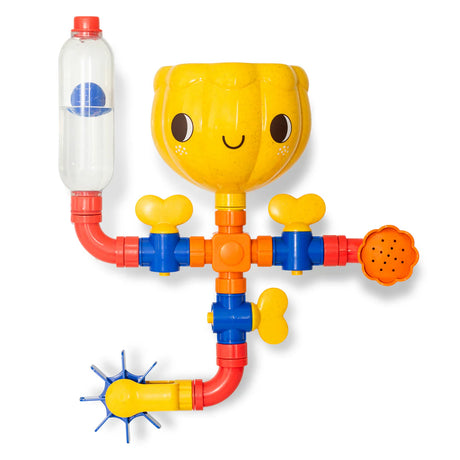
Many toddlers are naturally drawn to activities they can repeat over and over again. Filling containers, pouring water, emptying cups and watching water move through different pathways creates a sense of control that children find deeply satisfying. Bath toys designed for pouring and scooping play often hold attention for longer because there is no single correct way to use them. For children who enjoy experimenting, testing ideas and repeating favourite actions, these styles of bath toys can become part of a bath-time routine they return to again and again.

The Best Bath Toys For Children Who Get Bored During Bath Time

Some children happily enter the bath but quickly run out of things to do. Others become restless halfway through washing and start looking for ways to leave. Choosing bath toys that encourage interaction, movement and imaginative play can help maintain engagement throughout the routine. Cause-and-effect toys, floating activities and open-ended bath play often work well because they give children new ways to interact with the water rather than simply observing it. Matching bath toys to the way your child naturally plays can make bath time feel easier and more enjoyable for everyone involved.

Choosing The Right Bath Toys

Start With How Your Child Naturally Plays

Most bath toys fall into one of two categories. The easiest way to choose is to think about how your child already interacts with water during bath time.

Choose Pouring & Water Exploration Toys If They...

  • Love filling and emptying containers Repeat the same actions over and over Enjoy watching water move Prefer simple, hands-on play Are building confidence with independent play

Choose Interactive & Open-Ended Bath Toys If They...

  • Get bored quickly Need more variety during bath time Enjoy imaginative games Like experimenting and testing ideas Stay engaged through role play and storytelling
There is no single best bath toy. The right choice depends on what keeps your child engaged and interested in the bath for longer.

Why Families Choose Quality Bath Toys

Designed for toddlers who are already confident in the bath

Supports longer engagement during bath-time routines

Durable materials suitable for repeated water play

What To Consider Before Choosing Bath Toys

The most successful bath toys are rarely the ones with the most features. Instead, they match the way a child naturally plays. Some toddlers prefer simple pouring and scooping activities they can repeat for long periods, while others seek more interaction, movement or imaginative opportunities. Consider how long your child currently spends in the bath, what captures their attention and whether they enjoy independent play before choosing. Toys that align with existing interests are far more likely to become part of a successful bath-time routine.

Bath Toys May Not Be The Right Choice If...


Bath toys are designed for children who are already comfortable spending time in the bath and are looking for more engaging ways to play. If your child is still becoming familiar with bath time, hesitant around water or experiencing their first bath experiences, Baby Bath Toys may be a better fit. Likewise, if your goal is creating a calmer transition into bedtime rather than increasing engagement in the bath itself, products such as Hooded Towels may better support your routine.

Bath Time Doesn't Need To Be A Battle

For many families, the challenge isn't getting children into the bath — it's keeping them engaged once they're there. The right bath toys give children a reason to stay curious, explore water in new ways and become active participants in their own routine. Whether your child enjoys pouring, experimenting, imagining or repeating favourite activities, choosing toys that match how they naturally play can help create a more enjoyable bath-time experience for everyone involved.

Frequently asked questions
Are bath toys a good birthday gift for toddlers?

Bath toys can make excellent gifts because they combine everyday practicality with genuine play value. Unlike some toys that compete for space in already crowded playrooms, bath toys become part of an existing daily routine, increasing the likelihood they will be used regularly.

They are particularly well suited to toddlers who enjoy sensory exploration, water play and hands-on experimentation. Bath toys can also provide parents with an alternative to gifts that rely heavily on batteries, screens or one-time novelty appeal.

When selecting bath toys as gifts, it can be helpful to think about the child's existing interests. Some children are drawn to pouring and scooping activities, while others prefer imaginative play or interactive experiences. Choosing a bath toy that aligns with the child's natural play style often leads to longer-lasting engagement and greater enjoyment.

How many bath toys should children have in the bath?

More bath toys do not necessarily create better play. In fact, too many options can sometimes make it harder for children to engage deeply with any individual toy. A bath full of toys may initially look appealing but can quickly become overwhelming, particularly for younger children.

Many families find that a small selection of thoughtfully chosen bath toys creates the most meaningful play experiences. Rotating toys periodically can also help maintain interest without continually adding more products. Children often return to familiar toys with renewed enthusiasm when they have not been available every day.
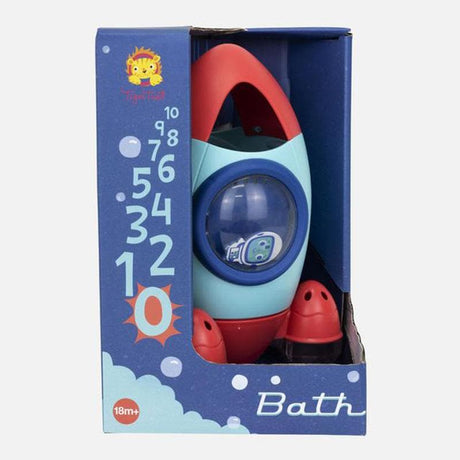
The goal is not to fill the bath with entertainment. Instead, it is to provide enough opportunities for exploration, creativity and engagement while keeping the environment manageable for both children and parents.

Can bath toys help children who resist bath time?

Sometimes. The key is understanding why a child is resisting in the first place. If a child dislikes getting water on their face, is uncomfortable with washing or experiences sensory sensitivities, a bath toy alone may not solve the underlying challenge.

However, for children who simply find bath time boring or struggle to remain engaged, introducing purposeful play can make a significant difference. Bath toys can help shift focus away from routine tasks and towards exploration, experimentation and interaction. This often creates a more positive association with bath time and reduces resistance over time.

Parents should avoid viewing bath toys as a solution to every bath-time challenge. Instead, they work best when they support an already positive environment and provide children with meaningful ways to participate in the experience.

What makes a high-quality bath toy different from cheaper alternatives?

The difference is often less about appearance and more about longevity. Many inexpensive bath toys are designed around short-term novelty. They may initially attract attention but offer limited opportunities for deeper engagement once the child understands how they work.

High-quality bath toys tend to focus on repeat play value. They allow children to experiment, create different experiences and use the toy in multiple ways as their interests develop. These toys often remain relevant for longer because they adapt to the child's growing confidence and imagination.

Parents also frequently notice differences in durability, ease of use and overall design. A thoughtfully designed bath toy feels intuitive, encourages independent play and continues supporting engagement beyond the first few uses. While quality bath toys may represent a larger initial investment, many families find they offer greater long-term value because they remain part of bath-time routines for much longer.

What bath toys encourage imaginative play?

Imaginative play begins when children start creating stories rather than simply interacting with objects. In the bath, this often appears as role play, pretend adventures, character-based games or invented scenarios that evolve over time.

The most effective bath toys for imaginative play are usually open-ended. Rather than directing children towards one outcome, they provide opportunities for children to create their own narratives. A floating object may become a boat one day and a rescue vehicle the next. Containers may become treasure chests, volcanoes or secret potion stations depending on the child's interests.

Many parents notice that imaginative bath play becomes more common as children move through the toddler years and begin experimenting with storytelling in other areas of play. Choosing toys that support creativity rather than simply demonstrating a single function can help bath time remain engaging long after novelty toys have lost their appeal.

What should parents look for in easy-to-clean bath toys?

Bath toys spend their lives in warm, wet environments, so ease of cleaning is one of the most important factors many parents overlook. A toy that is difficult to clean often ends up being used less frequently, regardless of how engaging it may be initially.

When comparing bath toys, consider how easily water can drain, whether surfaces are accessible for cleaning and whether the toy can dry effectively between uses. Simpler designs often have practical advantages because there are fewer hidden areas where moisture can remain trapped. Parents should also think about how much maintenance they are realistically willing to perform. The best bath toys are not simply fun for children; they are practical enough for parents to feel comfortable including them in everyday routines.

Choosing bath toys that balance engagement with ease of care often leads to longer-term satisfaction than selecting products based solely on appearance or novelty.

Are bath toys a good screen-free activity before bed?

For many families, bath time forms part of the evening transition between active daytime play and bedtime routines. Bath toys can support this process by providing engaging, hands-on experiences that do not rely on screens, noise or overstimulation.

The key is choosing bath toys that encourage calm interaction rather than highly stimulating play. Pouring, floating, imaginative storytelling and simple water exploration activities often fit naturally into a bedtime routine because children remain engaged without becoming overly excited. Used thoughtfully, bath toys can help create a positive end-of-day ritual that children look forward to while supporting a smoother transition into pyjamas, books and sleep.

What bath toys are best for independent play?

Independent play bath toys are typically the ones that require very little adult involvement once children understand how they work. Pouring and scooping toys, floating toys and open-ended bath play materials often perform particularly well because children can create their own challenges and games.

The best bath toys for independent play encourage curiosity rather than directing every action. Children should be able to experiment, repeat favourite activities and explore at their own pace. This type of play not only helps maintain engagement during bath time but also allows parents to focus on washing, routines and supervision without needing to constantly direct the activity.

At what age should children move from baby bath toys to bath toys for toddlers?

There is no exact age because every child develops confidence around water at a different pace. The transition usually occurs when children move beyond simply observing and exploring the bath environment and begin actively seeking ways to interact with it.

Many toddlers naturally start pouring water, moving toys around the bath, experimenting with floating objects and creating simple games. These behaviours indicate they may be ready for bath toys designed for more independent and imaginative play. If your child already enjoys spending time in the bath and seems eager to explore, they will often gain more enjoyment from toddler bath toys than products designed primarily for first bath experiences.

Why do some bath toys hold a child's attention longer than others?

The toys that tend to remain interesting over time are usually the ones that allow children to create their own play experiences. Open-ended bath toys can be used differently each day, giving children opportunities to experiment, repeat favourite actions and develop new ideas as they play.

Bath toys with a single purpose often lose appeal once a child understands exactly how they work. In contrast, pouring toys, floating toys and imaginative bath play materials adapt to different ages and stages. Children naturally revisit them because the play experience changes as their interests develop. This flexibility is one of the key reasons some bath toys remain favourites long after others have been forgotten.

What are the best bath toys for toddlers who get bored quickly?

Children who become bored during bath time often need toys that encourage active participation rather than passive observation. The most successful bath toys for toddlers typically involve pouring, scooping, spinning, floating or creating a reaction through play. These activities give children a sense of control and provide a reason to stay engaged in the bath for longer periods.

Many parents assume more features automatically create more interest, but toddlers are often drawn to toys that allow them to repeat actions and experiment independently. A simple toy that can be used in multiple ways may hold attention far longer than a toy with only one function. When choosing bath toys for toddlers who get bored quickly, focus on how much interaction the toy encourages rather than how many features it offers.