Click & Collect or 24hr Dispatch*

Baby Bath Toys For First Water Play Experiences

Baby Bath Toys

Baby bath toys help transform bath time from a daily routine into an opportunity for exploration, comfort and discovery. Designed for babies who are still learning about water, these toys encourage simple sensory experiences, gentle interaction and positive bath-time routines without overwhelming younger children with complex play.


Not All Bath Toys Are Designed For Babies

Many bath toys are created for toddlers who already understand pouring, scooping and imaginative play. Baby bath toys serve a different purpose. They introduce younger children to water through simple sensory exploration, easy-to-hold designs and predictable interactions that match early developmental stages. Whether your baby enjoys watching water move, squeezing soft toys or exploring different textures, the right bath toys can help create positive associations with bath time from the very beginning.

First Water Play Simple Sensory Exploration Easy To Hold Made For Babies

They Make Water Feel Familiar


Babies learn through repeated experiences. Bath toys help transform water from something new into something predictable, encouraging confidence through regular exposure and exploration.

They Encourage Gentle Sensory Discovery


Movement, texture, floating and simple cause-and-effect interactions provide babies with opportunities to observe and explore without requiring advanced play skills.

They Support Positive Bath-Time Routines


When babies look forward to bath time, everyday routines often feel easier for the entire family. Simple toys can help create those positive experiences from an early age.

Bath Toys For Babies Who Are New To Water

Some babies need time to become comfortable in the bath. Gentle sensory bath toys provide something familiar to focus on while helping babies gradually explore water movement, floating objects and simple interactions at their own pace.

The Best Infant Bath Toys For Curious Little Hands

As babies become more confident, they begin reaching, grasping, squeezing and investigating everything around them. Infant bath toys designed for small hands encourage these natural behaviours while remaining suitable for use in wet environments.

Choosing The Right Baby Bath Toys

Is Your Baby Watching The Water Or Interacting With It?

Babies move through different stages of bath-time play surprisingly quickly. Understanding how your child currently engages with water often makes choosing the right bath toys much easier.

Choose Sensory-Focused Bath Toys If Your Baby

Mostly watches water movement
Enjoys observing floating objects
Is new to bath-time play
Explores through touching and mouthing
Prefers simple interactions
Is still becoming comfortable in the bath

Choose Interactive Bath Toys If Your Baby

Reaches actively for toys
Enjoys squeezing and grasping
Loves making splashes
Repeats actions to see what happens
Shows curiosity about cause and effect
Is becoming more confident during bath time
The best baby bath toys match what your child is ready for today. Choosing toys that align with their current stage often leads to longer engagement and more positive bath-time experiences.

Why Parents Choose Baby Bath Toys

Designed for early bath-time exploration

Simple sensory experiences without overwhelm

Easy for small hands to grasp and hold

What To Consider Before Choosing Baby Bath Toys

The most successful baby bath toys are rarely the most complicated. Babies are often fascinated by simple movement, texture, floating objects and opportunities to explore through touch. Before choosing toys, think about how your baby currently responds to bath time. Are they still adjusting to water? Do they enjoy observing and watching? Or are they actively reaching, splashing and experimenting? Matching toys to your child's current interests often creates a more enjoyable experience than selecting products based purely on age recommendations.

Baby Bath Toys May Not Be The Right Choice If...

If your child is already creating imaginative games, pouring water independently and seeking more active bath-time play, they may be ready for Bath Toys instead. Baby Bath Toys are designed specifically for younger children who are exploring water, movement and sensory experiences for the first time. They prioritise simplicity, accessibility and comfort rather than complex play scenarios.

Small Experiences Often Create The Strongest Foundations
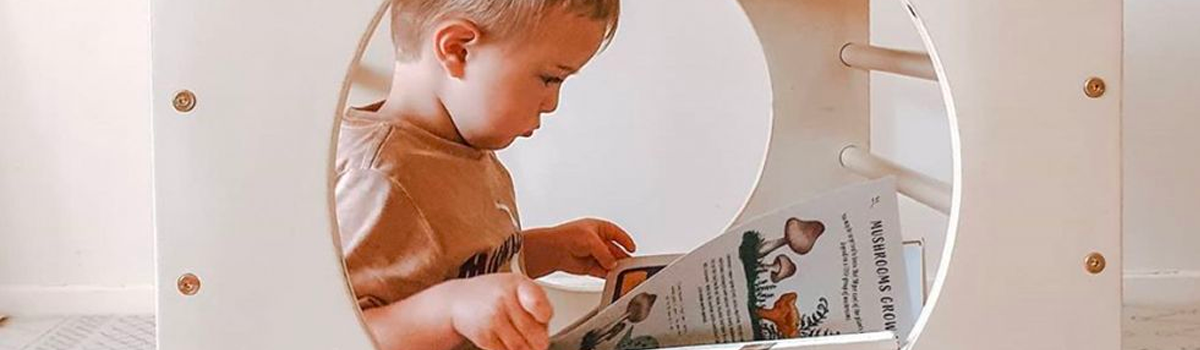
Many parents focus on making bath time easier today, but the experiences children have during these early routines often shape how they feel about water for years to come. Baby bath toys provide opportunities for curiosity, comfort and exploration while helping children build confidence through simple, positive interactions. The goal isn't to entertain endlessly. It's to help bath time feel familiar, enjoyable and something your child looks forward to each day.

Frequently asked questions
What are the best baby bath toys for a first birthday gift?

First birthday gifts are often most successful when they combine immediate enjoyment with ongoing usefulness. Baby bath toys fit this category particularly well because they support a routine most families already follow regularly.

For one-year-olds, toys that encourage sensory exploration, grasping, squeezing and simple cause-and-effect interactions often provide the greatest value. Children at this age are becoming more curious and active, making bath toys a practical gift that can be used frequently while continuing to match their changing interests. Parents also tend to appreciate gifts that integrate naturally into everyday routines rather than creating additional clutter.

Should I choose baby bath toys or bath books for my baby?

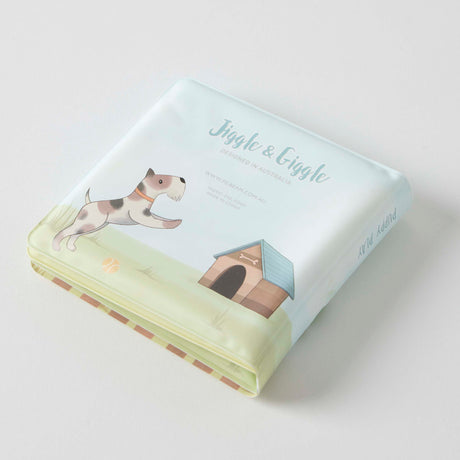
The answer depends largely on how your baby prefers to engage. Babies who enjoy touching, squeezing, splashing and exploring movement often gravitate towards bath toys. Babies who enjoy looking at pictures, pointing and sitting quietly with a parent may respond particularly well to bath books.

Many families ultimately use both because they support different types of engagement. Bath toys encourage sensory exploration and interaction with water, while bath books provide quieter opportunities for shared attention and communication. Observing how your baby naturally plays can help guide which option is likely to be used most often.

What makes a high-quality baby bath toy different from a cheap bath toy?

The difference often comes down to suitability, durability and how well the toy matches a baby's stage of development. High-quality baby bath toys are typically designed around how babies actually play rather than simply adding features for the sake of novelty.

Parents often notice that well-designed toys are easier for babies to hold, more comfortable to explore and more engaging over repeated use. Quality materials, thoughtful sizing and age-appropriate interactions generally provide a better experience than toys that are overly complicated or difficult for younger children to use independently.

Can baby bath toys help build confidence around water?

One of the most valuable roles baby bath toys can play is helping create positive associations with water. Babies who feel relaxed, curious and engaged during bath time often become more comfortable with water over time because their experiences are enjoyable and predictable.

Bath toys don't teach swimming skills, but they can help children develop familiarity with water through repeated exposure. Watching floating toys, splashing gently and interacting with objects in the bath helps children focus on exploration rather than uncertainty. Over time, these small positive experiences can contribute to greater confidence during everyday water activities.

Are sensory bath toys good for babies?

Sensory bath toys are often particularly well suited to babies because they align closely with how young children learn. Before children can engage in imaginative play or follow instructions, they learn through touching, watching, squeezing, listening and observing.

Water naturally creates a rich sensory environment, and well-designed sensory bath toys build on that experience without overwhelming babies with too many features. Floating toys, textured surfaces, soft materials and gentle movement can all encourage curiosity while helping children feel comfortable in the bath. For many babies, sensory bath toys provide a more engaging experience than toys designed primarily for older toddlers.

How can I tell if my baby is ready for more interactive bath toys?

Most babies naturally show signs when they are ready to move beyond simple sensory exploration. You may notice them reaching deliberately for toys, repeating actions to see what happens, splashing intentionally or becoming curious about how water moves around different objects.

These behaviours suggest your baby is beginning to understand cause and effect. At this stage, toys that squeeze, float, pour or move through the water can become much more interesting. Rather than focusing purely on age recommendations, watching how your child interacts with water during bath time often provides the clearest indication of what type of toy will hold their attention.

What are the best bath toys for babies who are just starting solids and exploring everything with their mouths?

Many babies explore the world by mouthing objects long before they can talk or play imaginatively. This stage is completely normal and often influences the type of bath toys parents choose. The best bath toys for younger babies are usually simple, easy to hold and designed for sensory exploration rather than complicated play.

Babies at this age often enjoy different textures, soft materials, floating objects and toys they can comfortably grasp with developing hand control. Overly complex bath toys can sometimes create frustration because they require skills babies haven't developed yet. Choosing bath toys that match how babies naturally investigate their environment often leads to longer engagement and a more positive bath-time experience.

Can baby bath toys help children who don't enjoy bath time?

For many families, yes. Babies who feel uncertain around water often benefit from having something familiar and engaging to focus on. A favourite bath toy can redirect attention away from the routine itself and towards exploration and curiosity.

It's important to remember that toys don't solve every bath-time challenge. However, they can make the environment feel more predictable and enjoyable. Children who are busy watching floating toys, squeezing soft toys or exploring textures are often more relaxed than children with nothing to engage their attention.

What's the difference between baby bath toys and toddler bath toys?

Baby bath toys are typically designed around sensory exploration, comfort and early interaction. They help babies become familiar with water through simple experiences such as touching, squeezing, floating and observing movement.

Toddler bath toys often assume a higher level of understanding and physical capability. Older children may enjoy pouring, filling containers, imaginative play and more complex cause-and-effect activities. While there is some overlap, baby bath toys generally focus on introducing water play, whereas toddler bath toys expand on skills and interests children have already begun developing.

What age are baby bath toys suitable for?

Most baby bath toys are designed for children between approximately six months and two years of age, although suitability depends more on developmental stage than a specific birthday. Babies who are beginning to sit with support, reach for objects and explore through touch often benefit most from bath toys designed for early sensory play.

The best baby bath toys focus on simple interactions rather than complicated activities. Floating toys, textured toys and easy-to-grasp designs often provide enough stimulation for younger children without creating overwhelm. As babies grow and become more confident, their interests naturally shift towards toys that encourage more active interaction and experimentation.