Click & Collect or 24hr Dispatch*

15% Off Sitewide & Clearance*

EOFY15
Helping Children Find Reasons To Get Outside, Move Their Bodies And Engage With The World Around Them

Outdoor Active Play

Some children naturally head outdoors the moment the door opens. Others need a reason to leave the lounge room behind. Outdoor active play helps children move, explore, experiment and engage with the world beyond screens and indoor routines. Whether they are riding, digging, chasing bubbles or collecting treasures from the garden, outdoor play often becomes the backdrop for some of childhood's most memorable experiences.

Start here

Not all outdoor play looks the same. Some children seek independence and movement, while others are drawn to nature, sensory experiences or activities that transform an ordinary backyard into an adventure.

Understanding what motivates your child to spend time outdoors can make it easier to choose activities they genuinely return to again and again.

View as

Getting Outside Looks Different For Every Child

Parents often know their child needs more outdoor time but feel unsure what activities will actually hold their attention. Some children crave movement and independence, while others become deeply engaged when there is a purpose behind being outdoors. A bike ride, a bubble chase, digging in the garden or collecting treasures from the beach may all achieve the same goal through completely different pathways.

Outdoor active play is not about forcing children outside. It is about finding activities that naturally encourage movement, curiosity and engagement. When outdoor experiences align with a child's interests, spending time outside often becomes something they actively seek rather than something parents constantly need to encourage.

Outdoor Exploration Active Play Movement & Curiosity Independent Adventure
Sometimes The Goal Is Physical Challenge Rather Than Outdoor Exploration

Some Children Need Bigger Movement Experiences

While outdoor active play focuses on getting children engaged with the outdoors, some children are primarily seeking climbing, balancing and whole-body movement challenges. Understanding the difference can help parents choose the most engaging pathway.

There Is No Single Way To Enjoy The Outdoors

Some children race outside the moment they wake up, while others need a meaningful reason to leave the comfort of indoor play. Both approaches are completely normal. What matters is finding outdoor experiences that connect with your child's interests, curiosity and natural way of engaging with the world.

Whether that means riding, gardening, digging, collecting, chasing bubbles or creating adventures in the backyard, outdoor play often becomes far more successful when it feels purposeful rather than forced.

You do not need elaborate setups or perfectly planned activities. Often the most valuable outdoor experiences begin with simple opportunities for children to move, explore and follow their own interests beyond the front door.

Frequently asked questions

Questions parents often ask

How Much Outdoor Play Do Young Children Really Need?

Parents frequently worry about whether their child is spending enough time outdoors, but there is no universal number that applies to every family or every child. The quality of outdoor experiences often matters far more than reaching a specific time target.

Some children naturally seek outdoor play throughout the day, while others engage in shorter but highly focused periods of exploration. What tends to matter most is whether children have regular opportunities to move, interact with their environment and experience activities that differ from indoor routines.

Outdoor play can take many forms. Riding a bike, digging in the garden, visiting the beach, chasing bubbles or simply investigating the backyard all contribute to a child's outdoor experiences. These activities help children engage with movement, curiosity and exploration in ways that feel meaningful and enjoyable.

Rather than worrying about perfect amounts of outdoor time, parents often benefit from focusing on creating regular opportunities for children to connect with the outdoors in ways that fit naturally into family life.

What Outdoor Toys Actually Hold A Child's Attention?

One of the biggest frustrations parents experience is investing in outdoor toys that generate excitement for a day or two before being forgotten. The reality is that children are often drawn to activities rather than objects. The outdoor toys that hold attention longest usually support something children already enjoy doing.

A child who seeks independence may return repeatedly to bikes and riding activities. A child fascinated by water and sand may spend hours building, digging and experimenting at the beach. Another child may become deeply engaged with gardening because they enjoy collecting, organising and caring for things.

The most successful outdoor play experiences often connect to existing interests rather than trying to create new ones. This is why one child may spend months riding a bike while another rarely uses it.

Rather than focusing on finding the perfect outdoor toy, it can be more helpful to identify the type of outdoor experiences your child naturally gravitates towards and build from there.

How Can Gardening Help Young Children Engage With Outdoor Play?

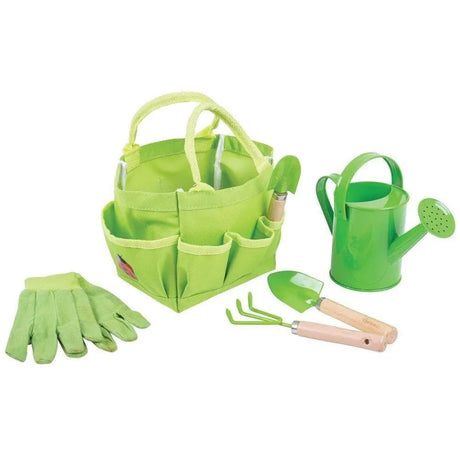
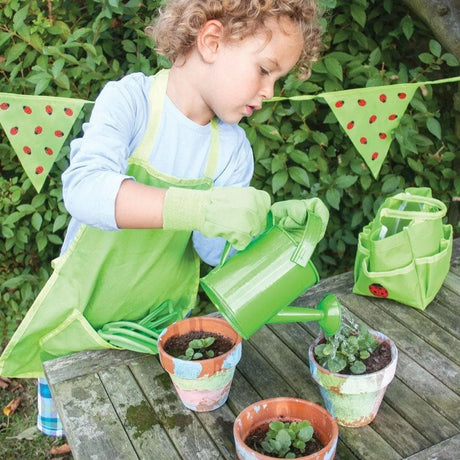
Gardening offers children something many outdoor activities do not: a genuine sense of responsibility. Rather than simply playing outdoors, children become involved in caring for living things, observing changes over time and participating in meaningful everyday tasks.

Many young children are naturally fascinated by digging, pouring water, collecting leaves and interacting with soil. Gardening provides opportunities to engage in these activities while also encouraging observation, patience and curiosity. Children often enjoy checking on plants, noticing growth and feeling involved in something that evolves over time.

Parents sometimes assume gardening is too advanced for toddlers and preschoolers, but many aspects can be adapted for young children. Watering, digging, collecting and helping with simple tasks often feel highly rewarding because children are contributing rather than simply observing.

Gardening can be particularly valuable for children who enjoy purposeful play and are more motivated by helping than by traditional outdoor games.

Why Are Bubbles So Effective At Getting Children Moving?

Parents are often amazed by how quickly bubbles can transform a reluctant child into an energetic one. A child who claims to be tired or bored may suddenly run, jump, chase and laugh for extended periods as soon as bubbles appear.

Part of the appeal lies in unpredictability. Unlike a ball or a fixed target, bubbles move differently every time. They drift, float, change direction and disappear unexpectedly. This unpredictability encourages children to react quickly, adjust movements and remain engaged because no two moments are exactly the same.

Bubbles also create movement without pressure. Children are not being asked to exercise or participate in a structured activity. Instead, movement happens naturally as part of the play experience. This often feels more enjoyable and less demanding for young children.

For many families, bubbles provide a simple way to encourage active outdoor play while maintaining a sense of fun, spontaneity and excitement.

At What Age Can Children Start Riding Bikes?

Children develop confidence, balance and coordination at different rates, which means there is no single age when every child is ready to begin riding. Some children show interest in wheels and movement very early, while others prefer different types of outdoor play before becoming interested in bikes.

Rather than focusing solely on age, parents often find it more useful to look for signs of readiness. Children who seek independence, enjoy movement and demonstrate growing confidence navigating their environment may naturally become interested in riding activities.

Bike riding is often about much more than learning a physical skill. For many children, it represents freedom, autonomy and the ability to move through the world independently. This can be particularly appealing during the toddler and preschool years when children are eager to do more things for themselves.

The most successful introductions to riding usually occur when children show genuine interest rather than feeling pressured. Following a child's enthusiasm often leads to a more positive and enjoyable experience.

What Are The Best Outdoor Activities For Children Who Get Bored Easily?

Some children seem genuinely excited about outdoor play for only a few minutes before announcing they are bored. This can be frustrating for parents, particularly when outdoor activities require preparation and supervision. Often, boredom is less about being outside and more about not finding an activity that matches a child's interests.

Children who become bored quickly are often looking for a sense of purpose. Riding a bike gives them a destination. Gardening provides a job to do. Beach play creates opportunities to build, dig and experiment. Bubble activities turn movement into a game with a constantly changing target.

Parents sometimes assume outdoor play must be physically demanding to be engaging. In reality, many children remain interested far longer when they have a task, challenge or goal rather than simply being told to play outside.

Understanding what naturally motivates your child can make a significant difference. The most successful outdoor activities are often those that align with how children already prefer to play, move and interact with the world around them.

Why Is Outdoor Play Important For Toddlers And Preschoolers?

Outdoor play provides children with opportunities to move, explore and interact with their environment in ways that are often difficult to replicate indoors. While indoor activities certainly have value, outdoor environments naturally encourage larger movements, greater freedom and a wider range of experiences.

Toddlers and preschoolers are often driven by curiosity. Outdoors, they can investigate textures, weather, plants, insects, sounds and changing environments. They can run further, climb more freely and engage in activities that may not be practical inside the home.

Outdoor play also tends to support longer periods of self-directed exploration. Children often create their own games, challenges and adventures without needing constant adult direction. This independence can be particularly valuable for building confidence and encouraging creative thinking.

Importantly, outdoor play does not need to involve organised sports or structured activities. Everyday experiences such as digging, riding, gardening or chasing bubbles can provide meaningful opportunities for movement, exploration and engagement with the world around them.

How Do I Encourage My Child To Spend More Time Playing Outside?

Many parents find themselves in a constant battle to encourage outdoor play, especially when screens, indoor toys and familiar routines feel more appealing. The key is often not getting children outside for the sake of being outside, but finding activities that give them a meaningful reason to be there.

Some children are motivated by movement and independence. Others need opportunities to dig, build, collect, chase, ride or experiment. When outdoor activities align with a child's interests, parents often notice that resistance decreases and outdoor time becomes something children actively seek rather than avoid.

It can also help to reduce expectations. Outdoor play does not need to involve elaborate activities, expensive equipment or long periods of structured engagement. Simple experiences such as gardening, bubble play, bike riding or collecting natural treasures can often hold a child's attention surprisingly well.

Rather than asking how to make your child love being outdoors, it may be more helpful to ask what naturally captures their curiosity and allows outdoor play to become a by-product of that interest.