Click & Collect or 24hr Dispatch*

15% Off Sitewide & Clearance*

EOFY15
Creating Organised Play Spaces Children Can Use Independently

Playroom Furniture

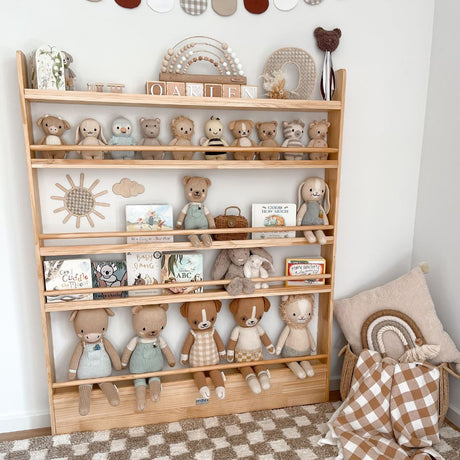
A well-designed playroom is not about having more toys. It is about creating an environment where children can easily access, use and return the activities they love. Playroom furniture helps create order, reduce overwhelm and encourage independent play by making books, toys and resources visible, accessible and inviting. This page helps families understand the different playroom furniture pathways so they can create spaces that work for both children and parents.

Start here

The most important decision is not what furniture to buy. It is understanding whether your child needs better access to books, more visible play opportunities or a simpler way to interact with the resources they already own.

The right playroom furniture often supports independence by making it easier for children to choose, use and pack away activities without constant adult assistance.

View as

Children Use What They Can See And Reach

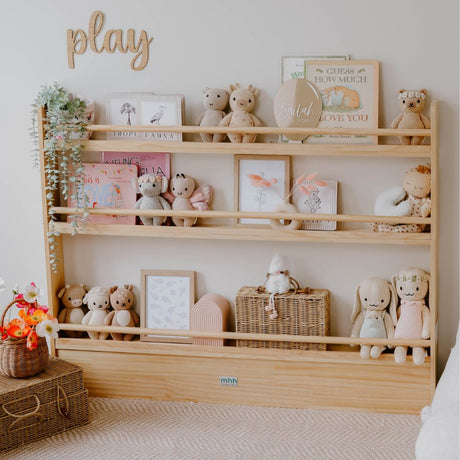
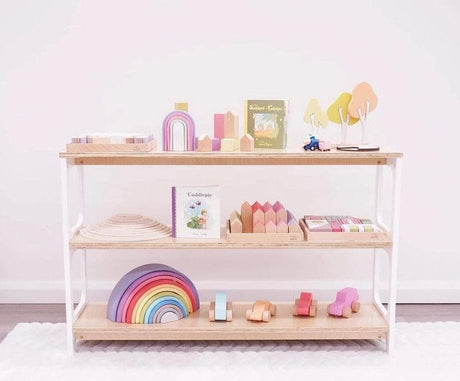
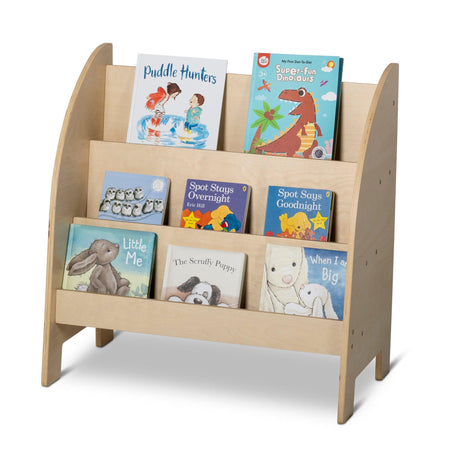
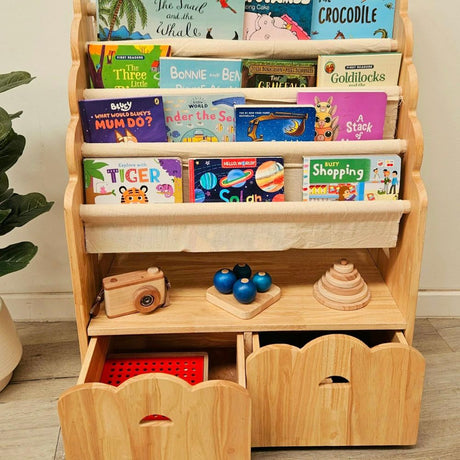
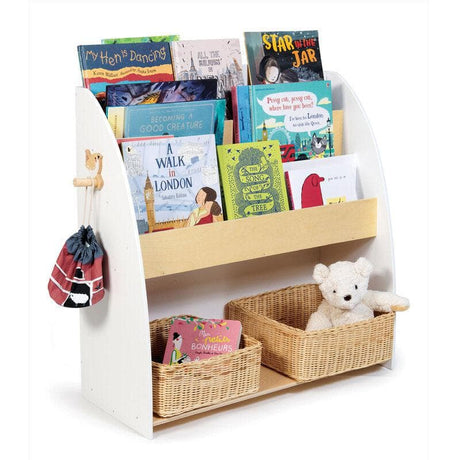
Many playroom challenges have less to do with the number of toys available and more to do with how those toys are presented. When books, activities and play resources are difficult to see, reach or return, children often rely on adults to help them navigate their environment. Thoughtfully organised play spaces can help reduce overwhelm by making choices clearer and activities more accessible. Whether the goal is encouraging independent reading, creating calmer play experiences or helping children take greater responsibility for their belongings, the right playroom furniture helps create systems that support both children and parents throughout everyday life.
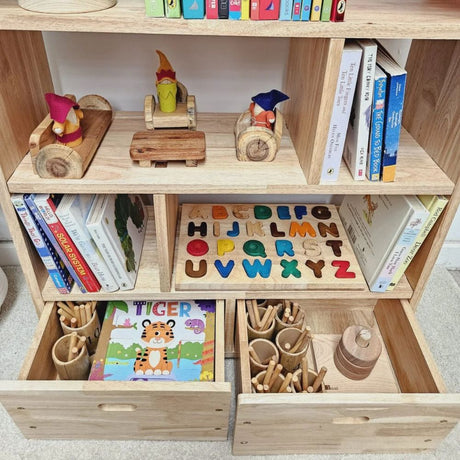
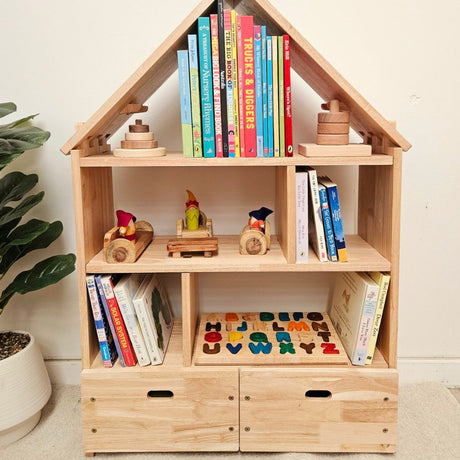
Less Clutter Visible Choices Independent Access Calmer Play Spaces
When Organisation Is Only Part Of The Puzzle

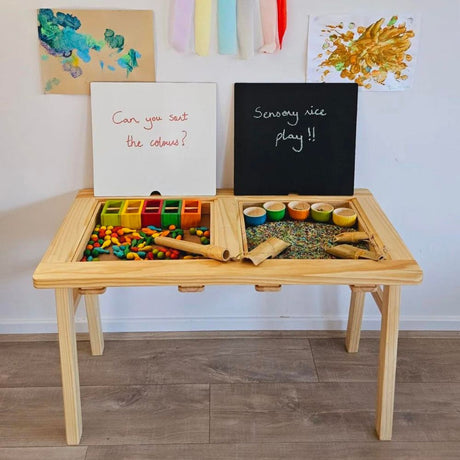
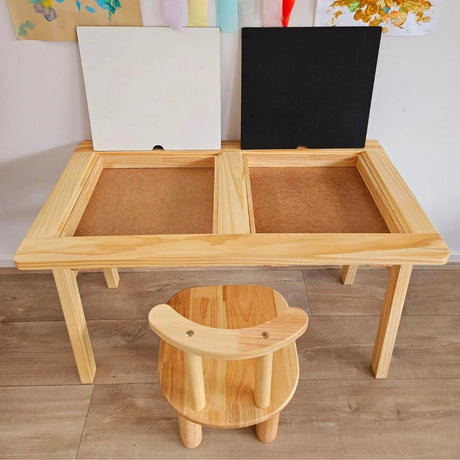
Creating Spaces For Activities And Focused Play

Once children can access their resources independently, many families begin thinking about where those activities take place. Dedicated activity spaces can help support creativity, concentration and everyday participation throughout the home.

Small Changes Can Have A Big Impact
Creating a more functional playroom does not require a complete redesign or endless storage solutions. Often the most meaningful changes come from making books, toys and activities easier for children to see, access and manage independently. By focusing on how your child naturally interacts with their environment, you can create a space that feels calmer, more organised and more supportive of everyday play.

Frequently asked questions

Questions parents often ask

How do I create a Montessori-inspired playroom?

A Montessori-inspired playroom focuses on accessibility, simplicity and independence rather than specific furniture styles or aesthetics. The goal is to create an environment that children can navigate confidently without relying heavily on adult assistance.

This often begins with making resources visible and accessible. Children are more likely to engage with books, activities and toys when they can see what is available and reach it independently. A smaller number of carefully presented choices can also help reduce overwhelm and encourage deeper engagement.

Organisation plays an important role, but Montessori-inspired spaces are not about perfection. Instead, they prioritise clear systems that help children understand where things belong and how to care for their environment. Activities are typically arranged in ways that encourage exploration while remaining manageable for the child.

Most importantly, a Montessori-inspired playroom supports independence. Whether choosing a book, selecting an activity or packing away resources afterwards, the environment should help children participate confidently in everyday routines and play experiences.

What is the difference between toy storage and playroom furniture?

Although the terms are often used interchangeably, toy storage and playroom furniture are not necessarily the same thing. Toy storage focuses primarily on containing and organising items, while playroom furniture is designed to shape how children interact with their environment.

A large storage tub may successfully hold toys, but it does not always support independent access or meaningful engagement. In contrast, thoughtfully designed playroom furniture often presents resources in ways that encourage children to notice, choose and use them independently.

Playroom furniture also contributes to the overall function of a space. It can help create dedicated reading areas, support activity selection, encourage organisation and establish systems that children can understand and maintain. The goal is not simply reducing mess. It is creating an environment that supports play, independence and ownership.

For many families, the most successful playrooms combine organisation with accessibility. The focus shifts from hiding toys away to creating spaces that help children interact more confidently and purposefully with the resources they already have.

Does accessible storage encourage independent play?

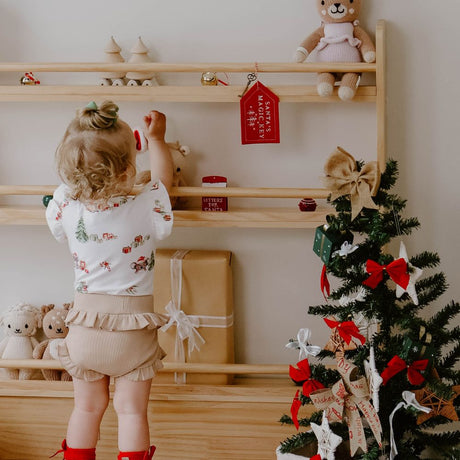
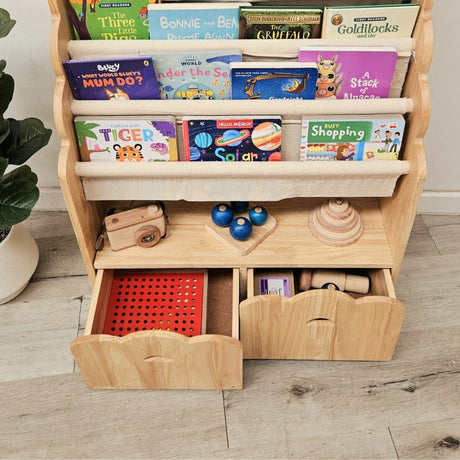
Accessible storage can play a significant role in supporting independent play because it allows children to take ownership of their environment. When toys, books and activities are stored in ways that children can see, reach and return independently, they are often more likely to initiate play without adult direction.

The goal is not simply keeping a room tidy. Accessible storage helps remove barriers between the child and the activity. Instead of needing help to locate resources, children can browse, choose and engage on their own terms. This encourages confidence and supports decision-making skills over time.

Accessible environments also help children understand responsibility. When activities have clear homes, it becomes easier for children to participate in packing away and caring for their belongings. These small moments of ownership contribute to growing independence throughout childhood.

Independent play is influenced by many factors, but the environment matters. Storage systems that make resources visible and accessible can help children feel more capable, confident and engaged while reducing the need for constant adult involvement during play.

How many toys should be available at one time?

There is no universal number that suits every child, but many families find that fewer available options often lead to better engagement. When children have access to too many toys at once, it can become difficult to choose where to start. Instead of playing deeply with one activity, they may move rapidly between resources without becoming fully engaged.

A smaller selection of accessible activities often encourages children to focus, experiment and explore more thoroughly. This does not mean getting rid of toys. Many families successfully rotate resources so that children continue to encounter variety without feeling overwhelmed by constant choice.

The ideal number depends on the child's age, personality and interests. Some children thrive with a wider range of options, while others engage more successfully when the environment feels simpler and more predictable.

Rather than counting toys, it can be helpful to observe behaviour. If activities are being ignored, dumped out indiscriminately or constantly abandoned, it may be a sign that the environment contains too many competing choices. Simplifying the space often leads to more meaningful play experiences.

Why do children play better when toys are visible?

Children often engage more deeply with resources they can see. Unlike adults, young children are less likely to remember activities that are stored out of sight, particularly during the toddler and preschool years when attention and planning skills are still developing.

When toys, books and activities are displayed visibly and within reach, children can make independent choices without relying on adults to suggest or retrieve items for them. This often leads to longer periods of engagement because children feel a greater sense of ownership over their decisions.

Visibility can also help reduce the tendency to dump out entire toy boxes in search of something interesting. When children can clearly see what is available, they are more likely to select activities intentionally rather than constantly searching for the next thing.

This does not mean every toy should be on display at once. In fact, many children benefit from fewer visible options. The goal is to create clear, inviting choices that support independent decision-making while reducing overwhelm. When children can easily see what is available, play often becomes calmer, more purposeful and more self-directed.

How do I organise a playroom without creating clutter?

Many parents assume an organised playroom requires more storage, but clutter is often caused by too many visible options rather than too few storage solutions. Children can become overwhelmed when every toy, book and activity is available at the same time, making it harder to choose, focus and engage meaningfully.

A more effective approach is to think about accessibility and visibility. Children are more likely to use resources they can see and reach independently. Creating clear homes for books, activities and play materials can help reduce decision fatigue while making it easier for children to navigate the space without constant adult assistance.

Organisation also does not need to mean perfection. The goal is not a picture-perfect playroom that stays tidy all day. Instead, it is creating a system that helps children understand where things belong and how they can access them independently. Small changes to how resources are displayed often have a much bigger impact than purchasing additional storage solutions.

The most successful playrooms tend to prioritise simplicity, visibility and ease of use rather than trying to organise everything at once.