Click & Collect or 24hr Dispatch*

Playroom Furniture

Creating Organised Play Spaces Children Can Use Independently

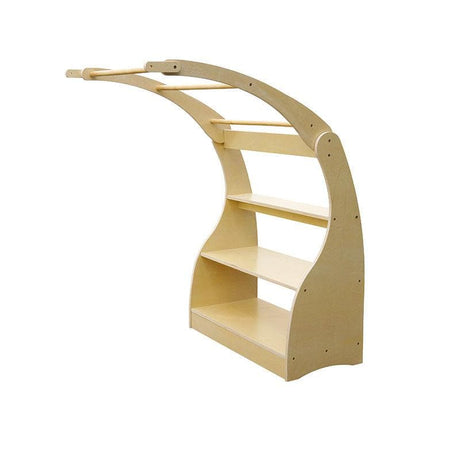
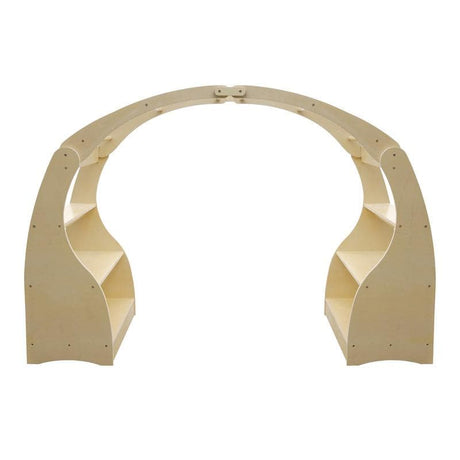
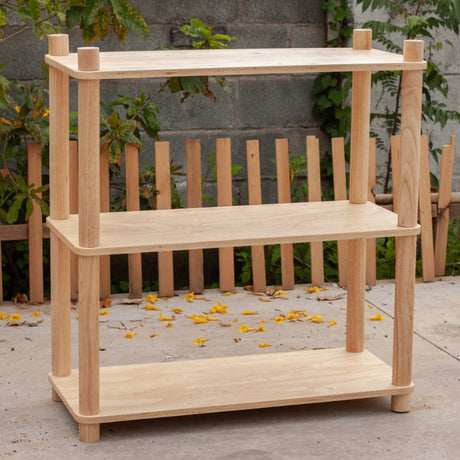
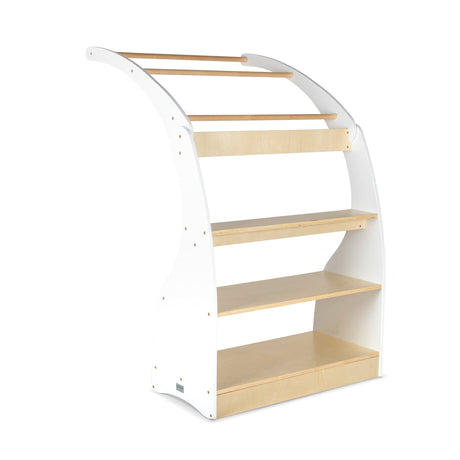
A well-designed playroom is not about having more toys. It is about creating an environment where children can easily access, use and return the activities they love. Playroom furniture helps create order, reduce overwhelm and encourage independent play by making books, toys and resources visible, accessible and inviting. This page helps families understand the different playroom furniture pathways so they can create spaces that work for both children and parents.

Start here

The most important decision is not what furniture to buy. It is understanding whether your child needs better access to books, more visible play opportunities or a simpler way to interact with the resources they already own.

The right playroom furniture often supports independence by making it easier for children to choose, use and pack away activities without constant adult assistance.

View as

Children Use What They Can See And Reach

Many playroom challenges have less to do with the number of toys available and more to do with how those toys are presented. When books, activities and play resources are difficult to see, reach or return, children often rely on adults to help them navigate their environment. Thoughtfully organised play spaces can help reduce overwhelm by making choices clearer and activities more accessible. Whether the goal is encouraging independent reading, creating calmer play experiences or helping children take greater responsibility for their belongings, the right playroom furniture helps create systems that support both children and parents throughout everyday life.
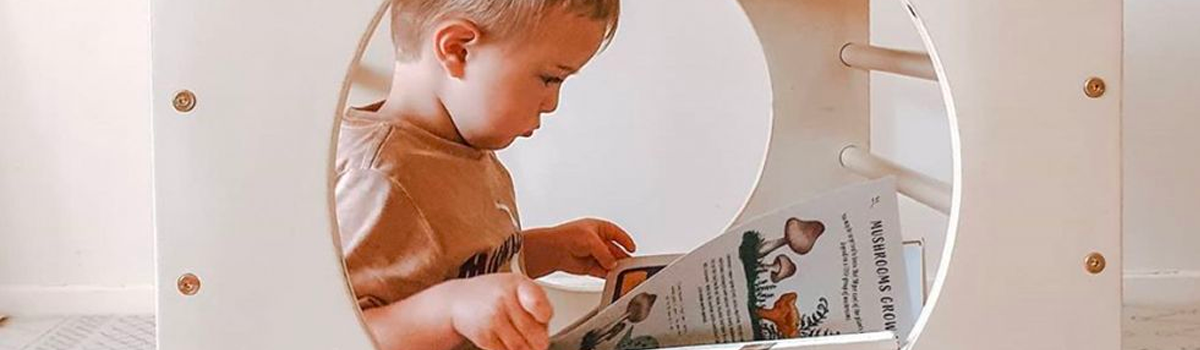
Less Clutter Visible Choices Independent Access Calmer Play Spaces
When Organisation Is Only Part Of The Puzzle

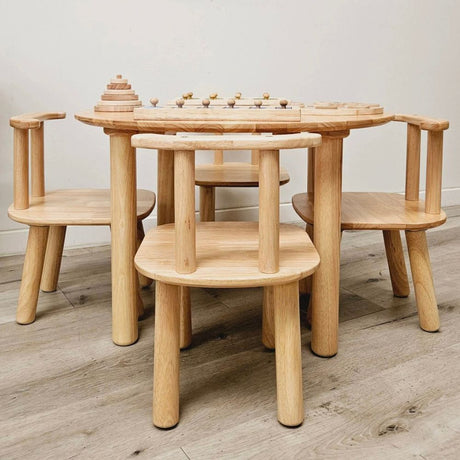
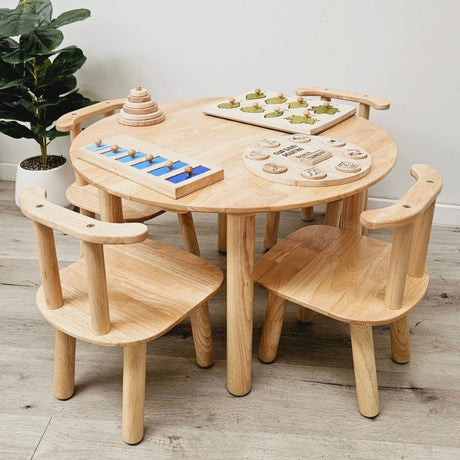
Creating Spaces For Activities And Focused Play

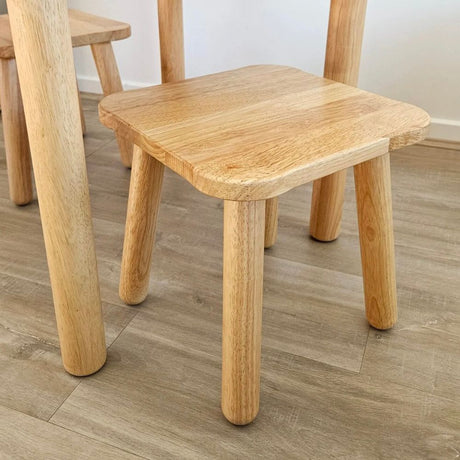
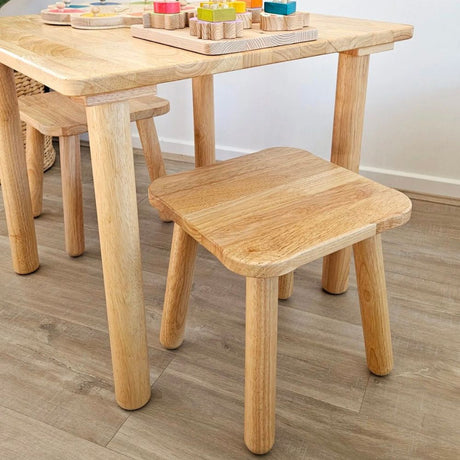
Once children can access their resources independently, many families begin thinking about where those activities take place. Dedicated activity spaces can help support creativity, concentration and everyday participation throughout the home.

Small Changes Can Have A Big Impact

Creating a more functional playroom does not require a complete redesign or endless storage solutions. Often the most meaningful changes come from making books, toys and activities easier for children to see, access and manage independently. By focusing on how your child naturally interacts with their environment, you can create a space that feels calmer, more organised and more supportive of everyday play.