Click & Collect or 24hr Dispatch*

For Children Who Climb Everything

Climbing & Pikler Play For Toddlers

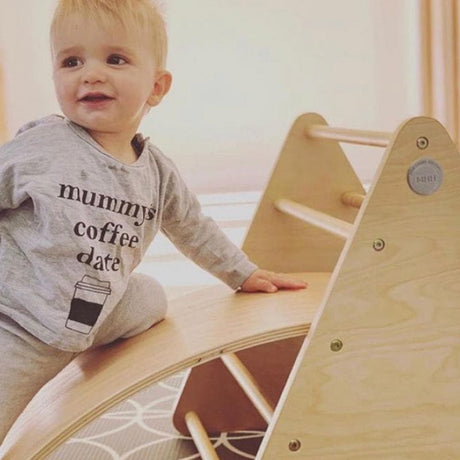
Some children seem driven to climb. They scale furniture, climb onto benches, balance on cushions and constantly look for new physical challenges. Climbing and Pikler play provides a safe way to support this natural movement drive while helping parents choose equipment that matches their child's age, confidence and available space.

Start here

Not every climbing setup serves the same purpose. Some children are taking their first steps into climbing, while others are looking for bigger challenges, obstacle courses or more opportunities to move. Understanding how your child currently climbs can help you choose the right place to start.

If your child is not yet seeking climbing challenges and is still developing confidence with movement, Soft Play & Early Movement may be a better fit.

View as

Choosing The Right Climbing Challenge For Your Child

Indoor climbing equipment is rarely about teaching a child to climb. Most parents arrive here because their child is already climbing everything available. The challenge becomes finding a safer outlet that matches their child's confidence, developmental stage and need for movement. Some families need a simple first climbing structure. Others need a complete climbing setup that continues providing challenge as their child grows. Understanding the differences between climbing options can help avoid buying equipment that feels too easy, too difficult or quickly outgrown.

Indoor Active Play Growing Confidence Safe Climbing Movement Seekers
Not Every Child Is Looking To Climb

Some Children Need Movement Confidence Before Climbing Challenges


Climbing equipment works best when children are already seeking physical challenges. If your child is still building body awareness, coordination and movement confidence, gentler active play opportunities may provide a more comfortable starting point before introducing climbing equipment.

Every Child Approaches Movement Differently

Some children seek challenge at every opportunity, while others prefer to build confidence gradually. The right climbing setup is not about choosing the biggest equipment or the most advanced option. It is about matching your child's current movement needs, giving them safe opportunities to practise new skills and supporting their growing confidence through active play.

Frequently asked questions

Questions parents often ask

How long will my child use a climbing frame or Pikler setup?

This is a common concern because climbing equipment is often viewed as a significant investment. The answer depends largely on the type of equipment chosen, the versatility of the setup and your child's ongoing interest in movement.

Some children use simple climbing structures for a relatively short period before seeking greater challenges. Others continue incorporating climbing equipment into obstacle courses, imaginative play and active games for many years.

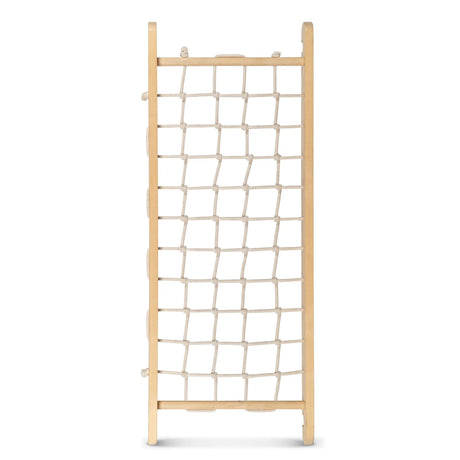
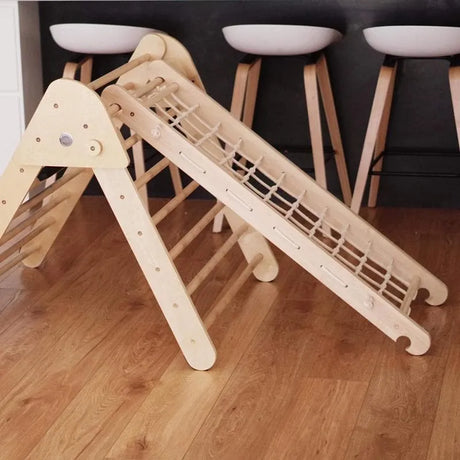
Modular climbing systems often offer the greatest longevity because they can evolve as children grow. Different configurations, ramps and accessories allow families to increase challenge levels without replacing the entire setup.

Rather than thinking about age alone, it can be more useful to consider how the equipment supports your child's movement journey. Children who love climbing rarely stop seeking physical challenges altogether. Their interests simply evolve as their confidence, coordination and abilities continue to develop.

Is indoor climbing play suitable for small homes?

One of the most common concerns parents have is whether climbing equipment will overwhelm their living space. The good news is that indoor climbing play is not limited to large playrooms or dedicated activity spaces.

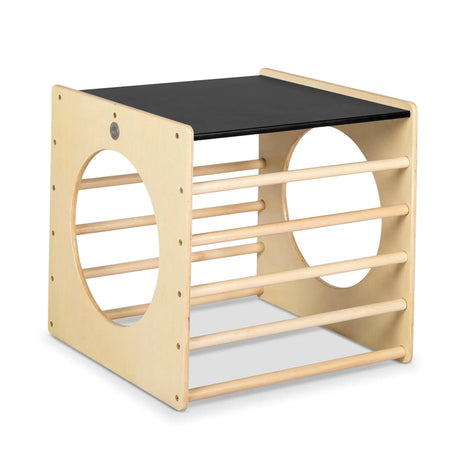
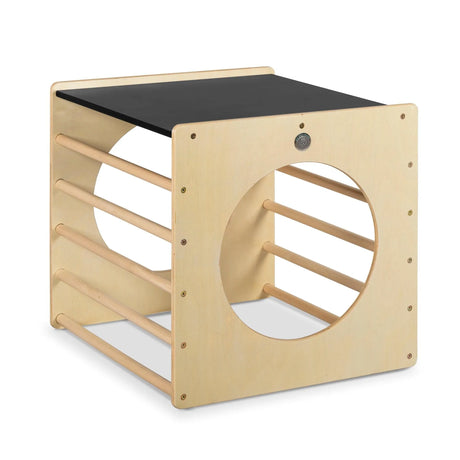
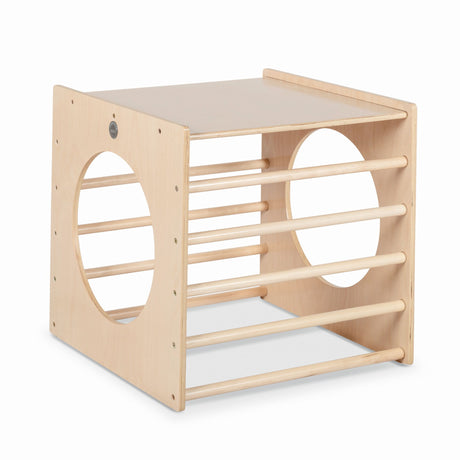
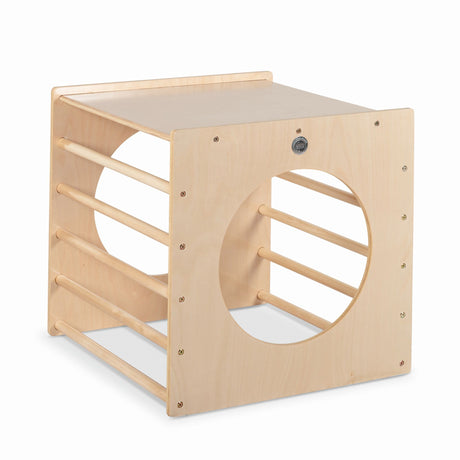
Many families successfully incorporate climbing equipment into living rooms, bedrooms, playrooms or shared family areas. Compact options such as play cubes and smaller climbing structures can provide meaningful movement opportunities without dominating the home.

When considering climbing equipment, it is often helpful to think about how your child already uses the space. If they are already climbing furniture, cushions and other household items, a dedicated climbing structure may actually create a safer and more organised movement area.

The best option depends on both your child's movement needs and the space available. Many families prioritise equipment that can support active play while still fitting comfortably within the realities of everyday family life.

What if my child seems nervous about climbing equipment?

Not every child approaches movement in the same way. Some children immediately seek physical challenges, while others prefer to observe first and build confidence gradually. A child who appears hesitant around climbing equipment is not necessarily behind or lacking confidence. They may simply have a different temperament and approach to risk.

Children who are cautious often benefit from being given time to explore equipment at their own pace. Watching siblings, friends or parents interact with the equipment can help build familiarity before they attempt it themselves. Pressure to climb before they feel ready can sometimes increase anxiety rather than confidence.

Many children begin by crawling underneath climbing structures, touching them or using them in imaginative play before gradually experimenting with climbing. This progression is completely normal.

The goal is not to encourage children to climb higher or faster than they feel comfortable. The goal is to provide opportunities for movement and challenge while allowing confidence to develop naturally through repeated exposure and positive experiences.

What are the benefits of climbing play for toddlers and preschoolers?

Climbing play supports much more than physical strength. Every time a child climbs, they are making decisions about balance, coordination, body positioning and risk. These experiences help children develop confidence in their physical abilities while learning how to assess challenges independently.

Climbing also encourages problem solving. Children constantly adjust their movements, test different approaches and learn through trial and error. This process helps build persistence and resilience as they work through physical challenges.

Many children also benefit from the sensory feedback that climbing provides. Activities that involve pulling, pushing, balancing and supporting body weight can help children develop greater awareness of their bodies and movements.

Perhaps most importantly, climbing often gives children a powerful sense of achievement. Successfully reaching a platform, navigating an obstacle or mastering a new challenge can build confidence that extends well beyond active play itself.

Can indoor climbing equipment help children who are constantly jumping on furniture?

Many parents arrive here after months of asking their child to stop climbing sofas, jumping off chairs or turning the living room into an obstacle course. While climbing equipment will not instantly stop these behaviours, it can provide a more appropriate outlet for the movement needs driving them.

Children who constantly climb, jump and seek physical challenges are often looking for opportunities to move their bodies in meaningful ways. Restricting all climbing opportunities can sometimes increase frustration because the underlying need remains unmet.

Indoor climbing equipment allows children to practise climbing, balancing, planning movements and navigating physical challenges within clearer boundaries. Over time, many families find that children naturally gravitate towards spaces where they are allowed to climb rather than constantly being redirected away from furniture.

Every child is different, but providing safe opportunities for active movement often works far more effectively than repeatedly trying to prevent children from exploring movement altogether.

How do I know if my child needs a Pikler triangle, climbing frame or full climbing set?

This is one of the biggest decisions parents face when choosing indoor climbing equipment. The answer often depends on how your child currently engages with movement and how much challenge they are seeking.

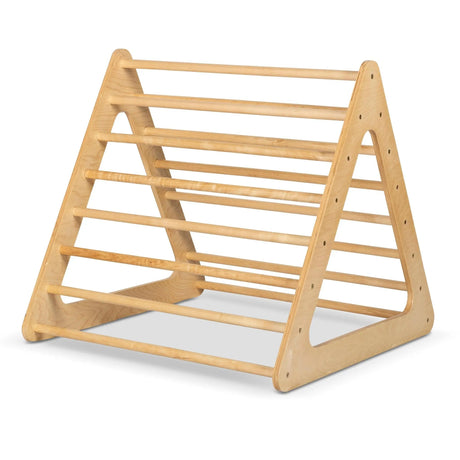
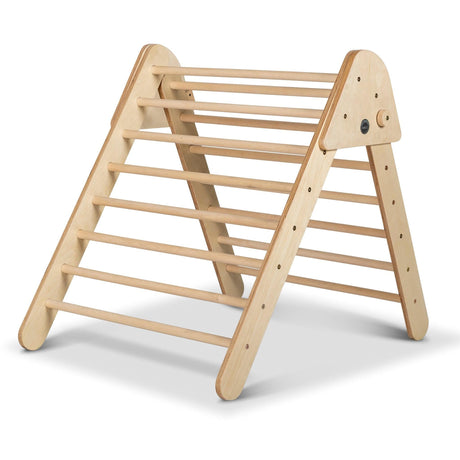
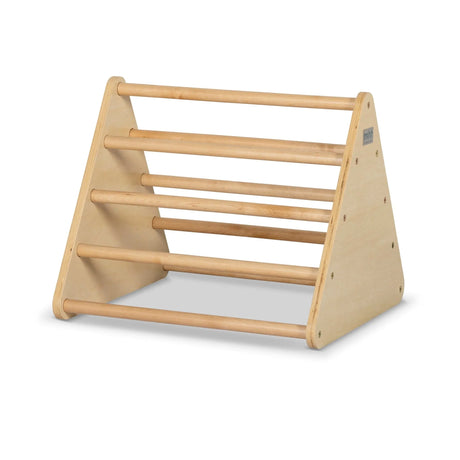
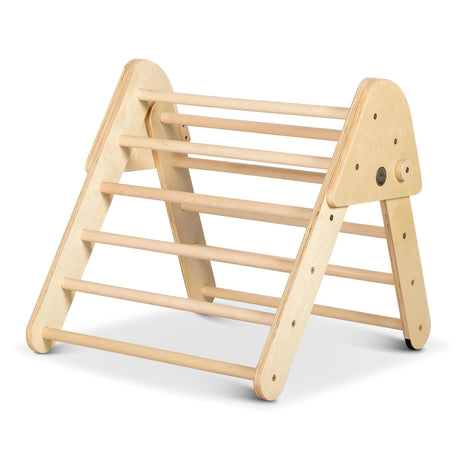
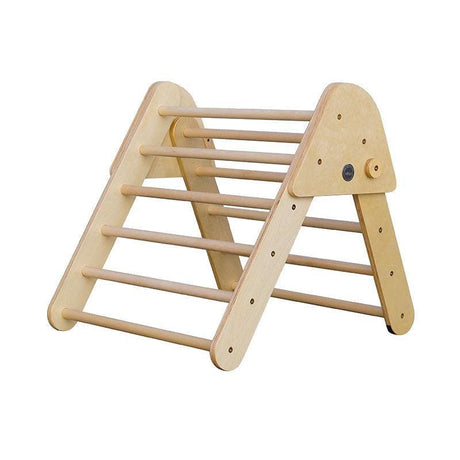
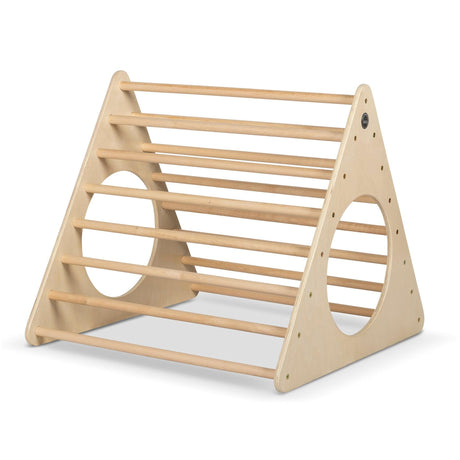
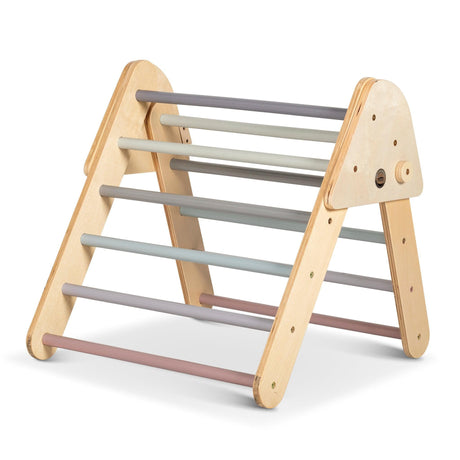
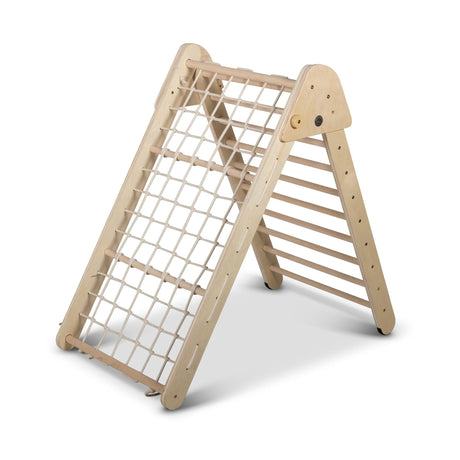
Children who are new to climbing or just beginning to climb furniture often start well with a Pikler triangle. It provides a simple and approachable climbing challenge without overwhelming younger children.

Children who have already mastered basic climbing and constantly seek new physical challenges may be better suited to larger climbing frames. These often provide more varied movement opportunities and can remain engaging for longer periods.

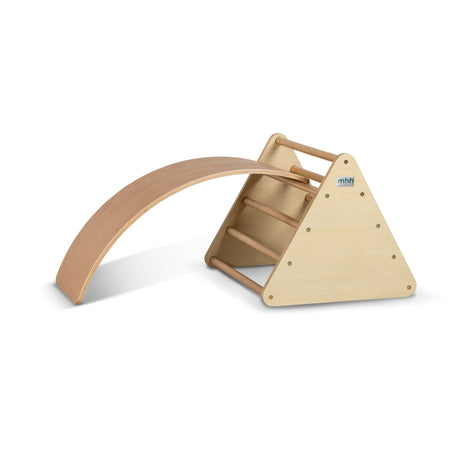
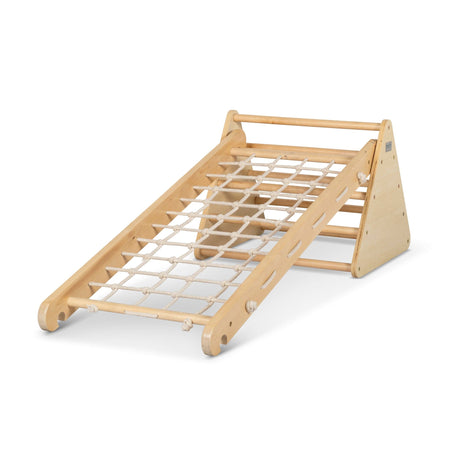
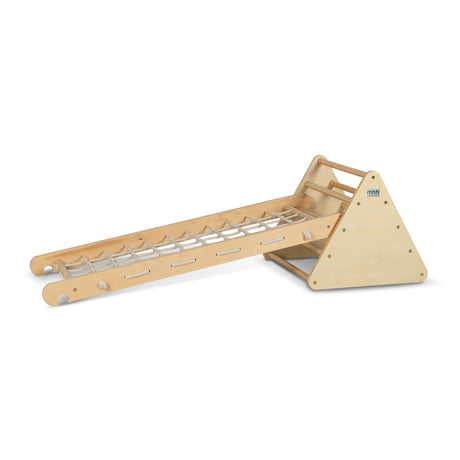
For families wanting maximum versatility, modular climbing sets can create multiple climbing configurations and evolve as children grow. These setups often appeal to families who want one solution that supports different stages of development.

Choosing the right option is less about buying the biggest equipment and more about matching the level of challenge to your child's current confidence and movement needs.

What age is best for a Pikler triangle or indoor climbing frame?

The right age depends less on a child's birthday and more on their movement confidence, coordination and natural interest in climbing. Many parents begin researching Pikler triangles when their child starts climbing onto furniture, scaling cushions or actively seeking physical challenges around the home.

Some children begin exploring simple climbing equipment from around 12 months with close supervision, while others may not show strong interest until closer to two or three years of age. More confident climbers often seek larger climbing frames or modular climbing setups as they grow.

Rather than focusing solely on age recommendations, it can be helpful to observe how your child moves. Are they constantly climbing? Do they enjoy physical challenges? Are they looking for opportunities to balance, pull themselves up or navigate obstacles? These behaviours often provide a better indication of readiness than age alone.

The goal is not to rush climbing skills but to provide a safe and appropriate outlet when children naturally begin seeking these experiences themselves.

Why does my toddler climb on everything all day?

Many parents feel like their toddler has suddenly turned every piece of furniture into a climbing frame. Coffee tables, dining chairs, sofas and bookshelves often become irresistible once children begin developing greater body awareness and confidence in their physical abilities. In many cases, climbing is not misbehaviour. It is a natural developmental drive.

Children learn about balance, coordination, body positioning, risk assessment and movement through climbing. They are constantly testing what their bodies can do and seeking opportunities to challenge themselves physically. For some children, particularly those with strong sensory seeking tendencies, climbing can also provide valuable proprioceptive input that helps them better understand where their body is in space.

While it can be frustrating and sometimes stressful for parents, persistent climbing often indicates that a child needs more opportunities for safe movement rather than less. Providing age-appropriate climbing equipment can help redirect this natural drive away from furniture and into a safer environment where children can practise these skills with greater confidence.