Click & Collect or 24hr Dispatch*

Storage For Growing Readers

Kids Bookshelves & Bookcases

Discover kids bookshelves and bookcases designed to make books easier to see, reach and enjoy. Whether you're creating a cosy reading corner, organising a busy playroom or setting up a baby's first bookshelf, the right book storage helps children interact with books more independently while creating calmer, more organised family spaces.


Creating A Nursery Bookshelf That Grows With Your Baby

The Right Bookshelf Can Change How Children Engage With Books

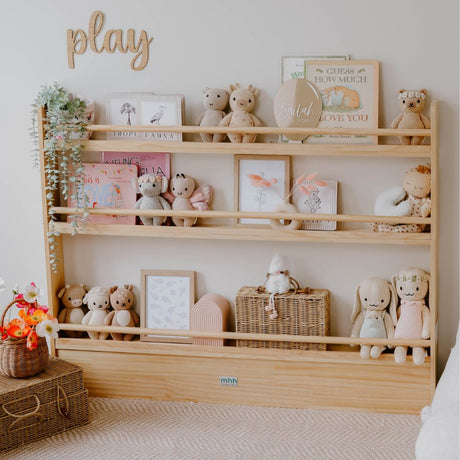
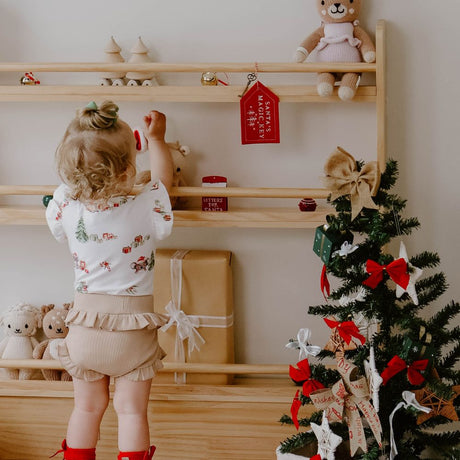
A kids bookshelf does far more than organise a room. When books are displayed at a child's height, reading becomes part of everyday life rather than something that only happens when an adult reaches for a book. Children naturally gravitate towards books they can see, touch and choose themselves.

Many families initially search for a kids bookshelf because they need more storage. What often surprises them is how much easier story time, independent reading and daily routines become once books have a dedicated place within reach. Whether you're furnishing a nursery, updating a bedroom or creating a reading corner in a playroom, the best children's bookshelves combine practical storage with child-friendly accessibility.

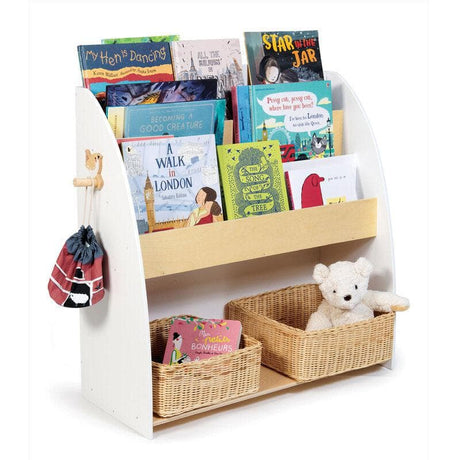
Our collection includes kids bookshelves and children's bookcases designed to suit a range of family spaces while helping books become a visible and inviting part of everyday childhood.

Encourages Independent Book Choice Perfect For Bedrooms & Playrooms Supports Reading Routines Designed For Everyday Family Life

Books Become Easier To Choose


Children are far more likely to engage with books when they can see them clearly. Accessible book storage removes barriers and allows children to browse, revisit favourites and develop reading habits naturally through everyday exposure.

Creates Calmer, More Organised Spaces


A well-designed bookshelf helps reduce clutter while creating a dedicated home for books and reading materials. This often makes bedrooms, nurseries and playrooms feel more purposeful, organised and easier for children to navigate independently.

Supports Independence From An Early Age

From toddlers choosing bedtime stories to older children organising their favourite series, a kids bookshelf encourages ownership, responsibility and confidence. Books become part of the child's environment rather than something stored out of sight.

Shop by need

How A Reading Corner Bookshelf Encourages Independent Reading

A reading corner bookshelf helps transform unused spaces into inviting areas children naturally return to. Whether placed beside a floor cushion, reading nook or quiet corner of a playroom, visible book storage encourages children to browse independently and revisit favourite stories. Many families find that creating a dedicated reading corner makes books feel more inviting and helps establish calm routines around reading, relaxation and quiet play.

Creating A Nursery Bookshelf That Grows With Your Baby

Many parents searching for a nursery bookshelf are looking for more than storage. They want a calm, welcoming environment where books become part of daily routines from the earliest months. A thoughtfully designed baby bookshelf allows board books, bedtime stories and favourite picture books to remain visible and accessible as your child grows. Rather than hiding books in drawers or baskets, nursery bookshelves help establish a reading-rich environment that can evolve naturally from newborn stage through toddlerhood and beyond.

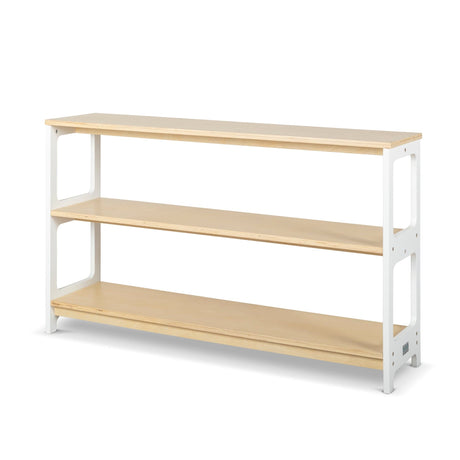
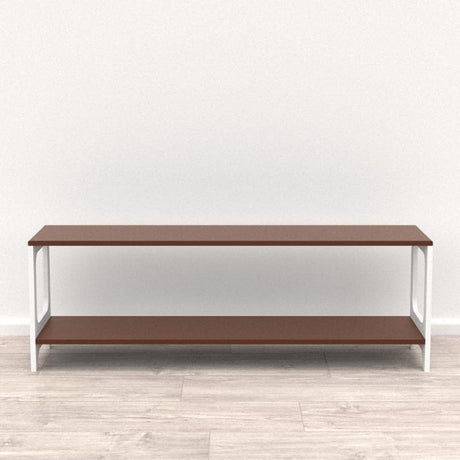
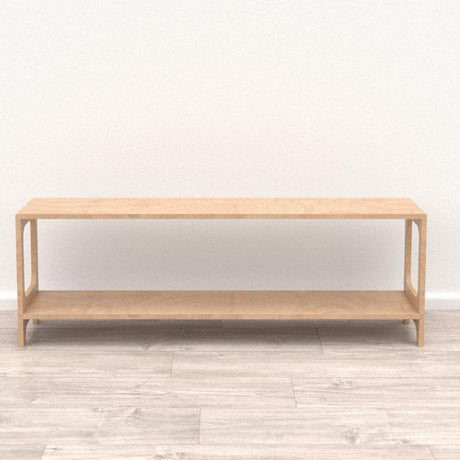
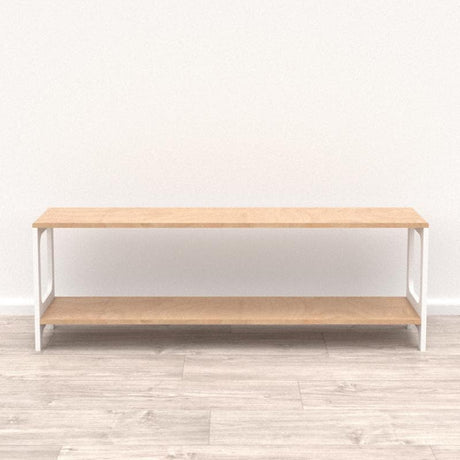
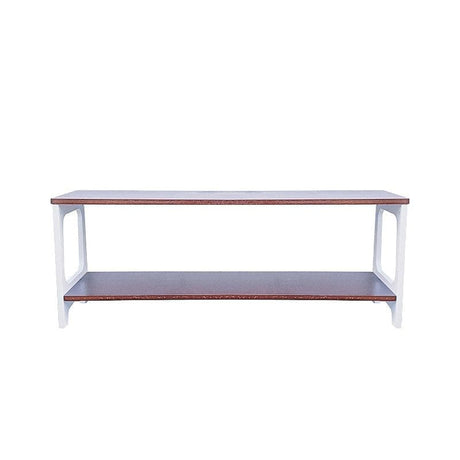
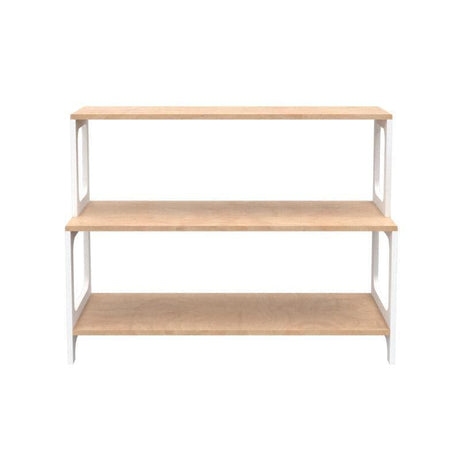
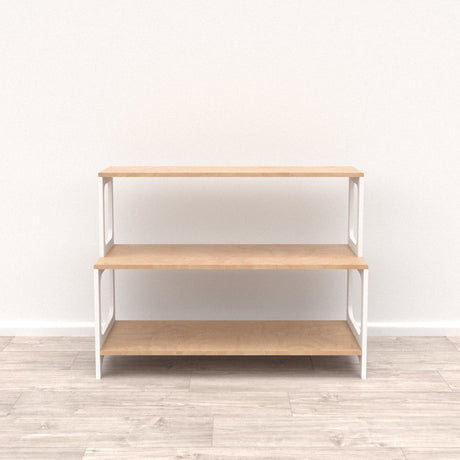
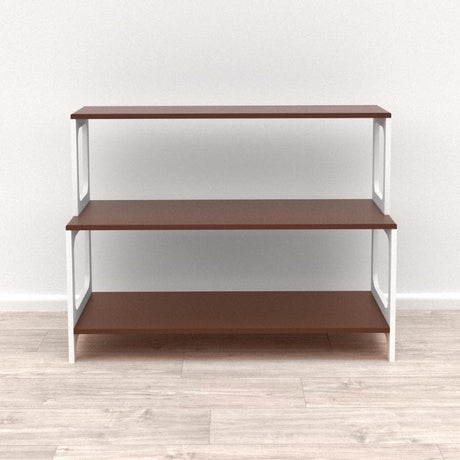
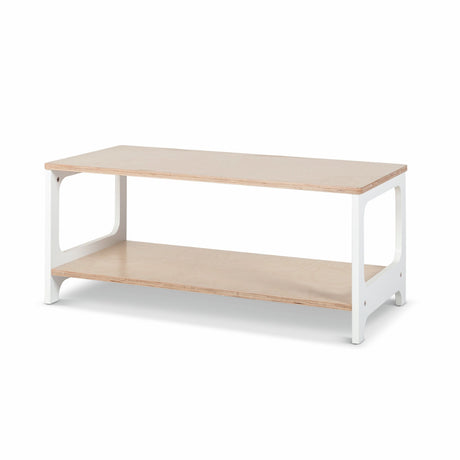
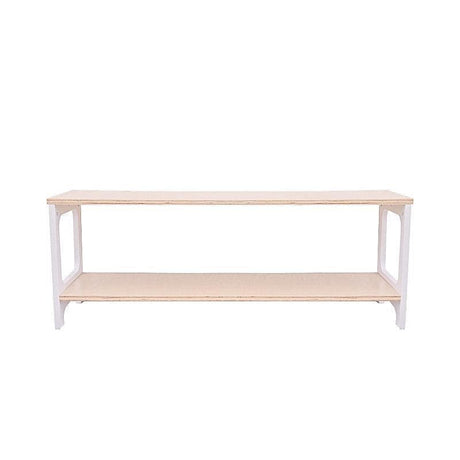
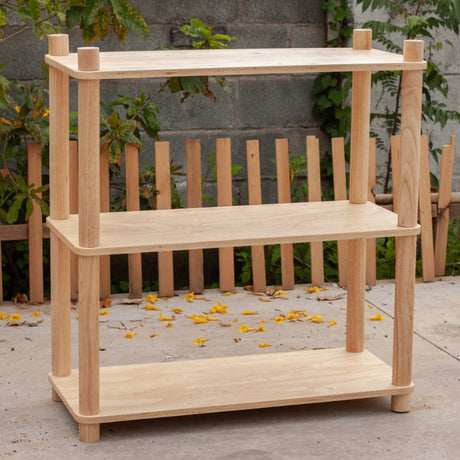
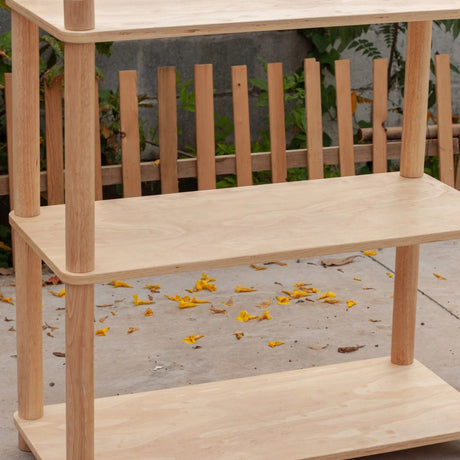
Aspire Slimline Two-Tier Bookshelf - White and Varnish

How A Reading Corner Bookshelf Encourages Independent Reading

A reading corner bookshelf helps transform unused spaces into inviting areas children naturally return to. Whether placed beside a floor cushion, reading nook or quiet corner of a playroom, visible book storage encourages children to browse independently and revisit favourite stories. Many families find that creating a dedicated reading corner makes books feel more inviting and helps establish calm routines around reading, relaxation and quiet play.

Find The Right Bookshelf

Which Kids Bookshelf Should You Choose?

The best kids bookshelf depends less on age and more on where it will be used. Think about how many books you need to store, how much floor space you have available and how independently your child will interact with the bookshelf each day.

Choose A Nursery Or Bedroom Bookshelf If:

  • You're building a baby's nursery You want books visible from an early age Bedtime stories are part of your routine You prefer a calm, organised bedroom You need accessible storage without overwhelming the room

Choose A Playroom Or Reading Corner Bookshelf If:

  • You have a larger collection of books Your child enjoys independent reading You want to create a dedicated reading space Books are used throughout the day You need storage that supports both books and everyday play
The best bookshelf is usually the one that makes books easiest to see, choose and return. When books become part of a child's everyday environment, reading often becomes a more natural part of family life.

Why Families Choose My Happy Helpers Bookshelves

Perfect For Bedrooms, Playrooms & Nurseries

Encourages Daily Reading Habits

Thoughtfully Designed For Family Spaces

What Should Parents Look For In A Kids Bookshelf?

Many parents initially focus on how many books a bookshelf can hold, but capacity is rarely the most important factor. The best kids bookshelves make books easy for children to see, choose and return independently. Accessibility often has a bigger impact on how frequently books are used than the total number of shelves.

Consider where the bookshelf will live and how your child will interact with it each day. A nursery bookshelf may prioritise displaying a smaller collection of board books for bedtime routines, while a playroom bookshelf often needs greater capacity for picture books, activity books and favourite series. In bedrooms, many families prefer children's bookshelves that create a calm visual presence without overwhelming the room.

It is also worth thinking about longevity. A well-designed kids bookcase should grow with your child, supporting changing reading interests and larger book collections over time. The most successful bookshelves are often the ones that become part of everyday family routines rather than simply acting as storage furniture.

When A Kids Bookshelf May Not Be The Right Starting Point

A kids bookshelf is designed for families who want books to be visible, accessible and part of daily life. If your primary goal is maximising storage capacity for large numbers of toys, games and household items, alternative storage furniture may be a better fit.

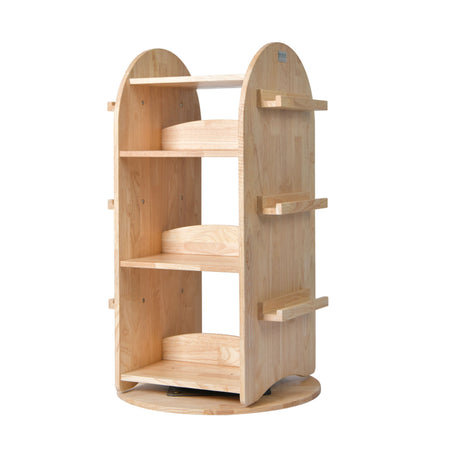
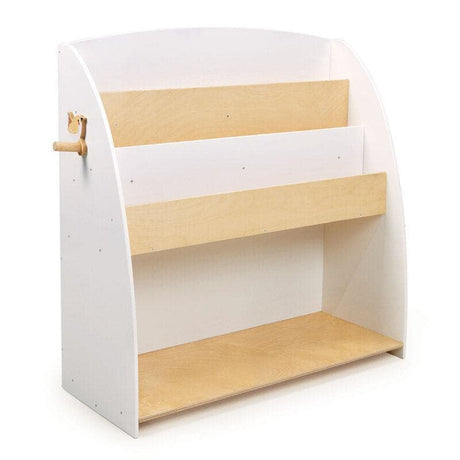
Similarly, if you already know you want a specialised bookshelf style, you may be better served by exploring a dedicated collection. Families specifically looking for front-facing book display furniture may prefer Montessori Bookshelves, while those needing maximum storage in a compact footprint may find Rotating Bookshelves more suitable.

For most families, however, a traditional children's bookshelf remains the most versatile option. It offers flexibility as reading habits evolve, adapts easily between bedrooms, playrooms and reading corners, and provides a practical foundation for creating a home environment where books are easy to access and enjoyable to revisit.

Creating Spaces Where Reading Feels Natural
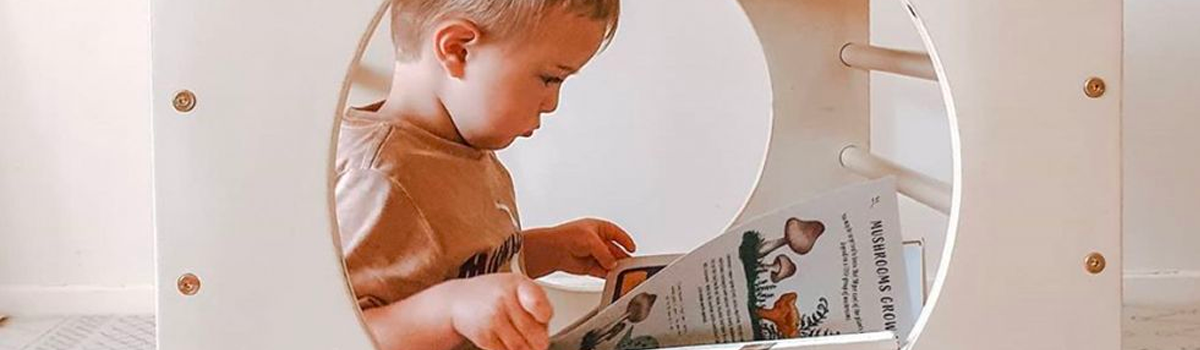
The most loved children's bookshelves rarely become the centrepiece of a room. Instead, they quietly support the routines that matter most. A favourite bedtime story within reach. A toddler choosing a book independently for the first time. A reading corner that becomes part of everyday family life.

Whether you're furnishing a nursery, updating a bedroom or creating a dedicated reading space, the right kids bookshelf helps books become more visible, more accessible and more inviting. Over time, those small daily interactions often become the foundation for a lifelong relationship with reading.

Explore our collection of kids bookshelves and children's bookcases designed to support growing readers, organised spaces and calmer family routines.

Frequently asked questions
Can a kids bookshelf help children become more interested in reading?

A kids bookshelf cannot create a love of reading on its own, but it can significantly influence how often children interact with books. Environment plays an important role in shaping habits, and books that are visible, accessible and integrated into everyday spaces are generally more likely to be used than books stored out of sight.

Children often develop reading habits through repeated exposure rather than formal instruction. Seeing books regularly, choosing favourite stories independently and incorporating reading into daily routines all contribute to building positive associations with books over time. A children's bookshelf supports these behaviours by making books part of the child's environment rather than an occasional activity introduced by adults.

Many parents notice that children revisit familiar books more frequently when they can access them independently. This repetition is valuable because it supports language development, comprehension and confidence while helping children develop emotional connections with stories.

The most successful bookshelves are often those that fit naturally into family life. Whether located in a nursery, bedroom or reading corner, accessible book storage creates more opportunities for spontaneous reading moments, which can have a lasting influence on how children perceive books and reading throughout childhood.

How do you organise a kids bookshelf without creating clutter?

One of the most effective ways to organise a kids bookshelf is to treat it as a curated collection rather than a permanent storage location for every book your child owns. Many families find that displaying fewer books at a time creates a calmer visual environment while making it easier for children to engage with the books that are available.

Book rotation is often particularly effective. By storing some books elsewhere and periodically introducing different titles, parents can maintain interest without constantly purchasing new books. This approach also helps reduce visual overwhelm, especially for younger children who may struggle to choose when presented with too many options at once.

Grouping books by theme, reading level or current interests can also make browsing easier. Bedtime stories, seasonal books, favourite series and educational titles can each have dedicated spaces within the bookshelf. Some families also combine books with a small number of meaningful decorative items to create a more inviting reading space.

A well-organised children's bookshelf should feel welcoming rather than crowded. The goal is not perfect organisation. It is creating an environment where books remain visible, accessible and appealing enough for children to return to regularly.

What size bookshelf is best for a toddler bedroom?

The best bookshelf for a toddler bedroom is usually one that balances accessibility, stability and practicality rather than simply providing maximum storage. Toddlers benefit most from furniture that allows them to interact with books independently, which often means choosing lower-profile bookshelves designed around child reach rather than adult storage needs.

Many parents make the mistake of selecting tall bookshelves intended to last for many years. While longevity is important, a bookshelf that toddlers cannot comfortably access often limits independent exploration. A child-height bookshelf encourages browsing, choosing favourite stories and learning where books belong after reading time has finished.

Room size also matters. In smaller bedrooms, a compact kids bookshelf can help maintain a calm environment without overwhelming the available floor space. Larger bedrooms may allow for more substantial children's bookcases that can support growing collections over time.

When evaluating bookshelf size, consider how many books your child actively uses rather than how many books your household owns. A thoughtfully curated collection displayed within easy reach often creates a more successful reading environment than a large bookshelf filled beyond a toddler's ability to comfortably navigate.

Should books be displayed face out or spine out on a kids bookshelf?

For younger children, displaying books face out is often one of the simplest ways to encourage greater engagement with reading. Unlike adults, who typically search for books by title or author, young children are usually drawn to visual cues such as colours, illustrations and familiar characters. Seeing book covers makes it easier for them to recognise favourites and independently choose books that interest them.

This is why many nursery bookshelves and children's bookshelves prioritise visibility over storage density. A smaller number of face-out books often generates more interaction than a larger collection stored spine out. Children can browse more easily, make independent choices and develop stronger familiarity with their personal book collection.

As children grow older and begin reading independently, many families transition towards a combination of both approaches. Favourite books may remain face out while larger collections are organised spine out to maximise storage. The ideal setup depends on age, reading habits and available space.

Ultimately, the goal of a kids bookshelf is not simply storing books efficiently. It is creating an environment where books feel accessible, inviting and easy for children to engage with regularly.

What is the difference between a kids bookshelf and a children's bookcase?

The terms kids bookshelf and children's bookcase are often used interchangeably, but they can describe slightly different approaches to book storage. In practice, the distinction is usually less important than how accessible the furniture is for the child using it.

A children's bookcase traditionally refers to a larger storage piece with multiple shelves designed to hold substantial numbers of books. A kids bookshelf may refer to a wider variety of child-focused book storage solutions, including lower-profile units, display shelves and reading corner storage designed specifically around independent use.

The most important factor is not the name but the experience it creates. Children engage more frequently with books when they can see covers clearly, access books independently and return them without frustration. Whether a product is described as a kids bookshelf or a children's bookcase, these usability features have a far greater impact on reading habits than the label itself.

For many families, the best choice depends on available space, the size of the book collection and the child's age. A nursery bookshelf may prioritise visibility and simplicity, while a larger children's bookcase can provide long-term storage as reading interests expand through the primary school years.

Are nursery bookshelves worth it for babies who cannot read yet?

Many parents wonder whether a nursery bookshelf is necessary during infancy, particularly when babies are not yet reading independently. In reality, some of the strongest benefits of a baby bookshelf occur long before a child learns to read.

Books play an important role in early language exposure, visual development and family routines. A nursery bookshelf helps make books a visible and consistent part of a baby's environment rather than something stored away in drawers or cupboards. When books are present within everyday spaces, parents are more likely to reach for them during quiet moments, bedtime routines and shared reading experiences.

As babies grow into toddlers, familiar book covers often become recognisable. Children begin choosing favourite stories, pointing to books they want to hear and developing preferences long before they can read the words themselves. A nursery bookshelf supports this gradual progression by keeping books accessible and part of daily life.

Many families also appreciate the practical side of nursery bookshelves. They provide dedicated storage for board books, bedtime favourites and keepsake titles while helping create a calm, organised nursery environment that can evolve naturally as a child's interests and reading habits develop.

How many books should children have access to on a kids bookshelf at one time?

Many parents assume that offering more books automatically encourages more reading, but this is not always the case. For younger children especially, too many choices can create visual overwhelm and make it harder for them to engage with any particular book. This is one reason educators often recommend keeping a carefully curated selection of books available on a kids bookshelf rather than displaying an entire library at once.

The ideal number depends on your child's age, interests and reading habits. Babies and toddlers may engage well with a small collection of familiar board books, while preschool and primary-aged children often benefit from a wider selection that reflects current interests and reading ability. Rotating books every few weeks can help maintain interest without constantly purchasing new titles.

A children's bookshelf works best when it feels inviting rather than crowded. Displaying fewer books allows covers to remain visible, makes browsing easier and encourages children to revisit favourites alongside new discoveries. The goal is not to showcase every book you own but to create a reading environment that feels accessible, engaging and easy for children to navigate independently.

What should parents look for when choosing a nursery bookshelf?

Choosing a nursery bookshelf involves different considerations than selecting a bookshelf for an older child's bedroom or playroom. During the early years, the goal is often less about storing large numbers of books and more about creating an environment where books feel present, accessible and woven into everyday routines.

Many parents use nursery bookshelves to display board books, bedtime stories and first picture books. Visibility matters because babies and toddlers often respond to familiar covers, colours and images long before they begin reading independently. A nursery bookshelf helps transform books from stored possessions into part of the room itself.

Safety, stability and ease of use should also be priorities. Parents generally benefit from selecting a bookshelf that can adapt as their child grows rather than requiring replacement within a few years. A well-designed baby bookshelf can continue supporting reading habits through toddlerhood and into the preschool years.

The best nursery bookshelf is often one that complements family routines. Whether it sits beside a nursing chair, near a bedtime reading space or within a dedicated reading nook, it should help make books a natural and visible part of daily life rather than something stored out of sight.

How do you create a reading corner with a kids bookshelf?

A reading corner bookshelf often becomes the foundation of a successful reading space because it provides both organisation and visual invitation. Many children are more likely to engage with books when they have a dedicated area that feels separate from busy play zones and everyday household distractions.

The most effective reading corners are usually simple. A comfortable floor cushion, soft rug or small chair paired with a children's bookshelf is often enough to create an inviting environment. The goal is not to build a perfectly styled Pinterest space. It is to make books feel easy to access and enjoyable to revisit.

When choosing books for a reading nook bookshelf, many families rotate titles regularly rather than displaying an entire collection at once. This keeps the space feeling fresh while preventing visual overwhelm. Favourite stories can remain available while seasonal books, new interests or current learning topics are introduced gradually.

A thoughtfully positioned bookshelf also helps children take ownership of the space. They learn where books belong, can select titles independently and often begin developing their own reading routines. Over time, the reading corner becomes associated with comfort, calm and curiosity rather than simply storage.

What is the best kids bookshelf for encouraging independent reading?

The best kids bookshelf for encouraging independent reading is usually one that makes books easy for children to see, reach and return without adult assistance. While many parents focus on storage capacity, accessibility often has a much greater influence on how frequently children engage with books.

Children naturally gravitate towards books they can browse independently. When books are displayed at an appropriate height and organised in a way that feels inviting, reading becomes a self-directed activity rather than one that depends entirely on an adult initiating it. This is one reason many educators and literacy specialists recommend creating dedicated book storage within children's everyday environments.

A well-designed children's bookshelf also helps reduce decision fatigue. Rather than facing hundreds of books hidden in boxes or stacked on high shelves, children can easily scan available options and revisit familiar favourites. Over time, this simple accessibility helps establish reading as part of normal daily routines.

For most families, the best kids bookshelf is not necessarily the largest. It is the one that integrates naturally into family life, supports independence and keeps books visible enough to invite regular use.