Click & Collect or 24hr Dispatch*

15% Off Sitewide & Clearance*

EOFY15
Confident first rides

Balance Bikes for Babies, Toddlers & Kids in Australia

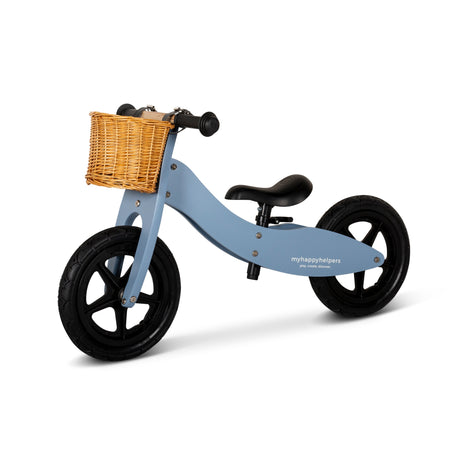
Discover balance bikes designed for babies, toddlers and young children — from first-time riders around 1 year old through to confident pre-schoolers. Every balance bike here is chosen
to be lightweight and easy to steer, so your child can sit with their feet flat on the ground and build coordination, balance and control naturally, without the frustration of training wheels. Whether you're after a baby balance bike for a 1 year old or a sturdier toddler balance bike for an older child, the right fit comes down to seat height, weight and riding stage.


What Is a Balance Bike — and Which One Suits Your Child?

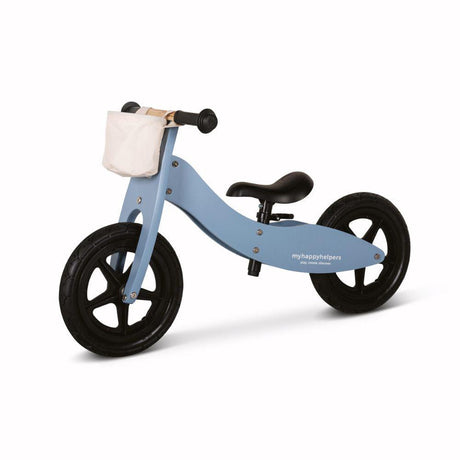
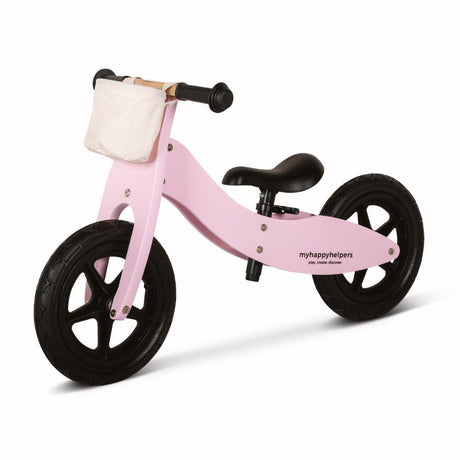
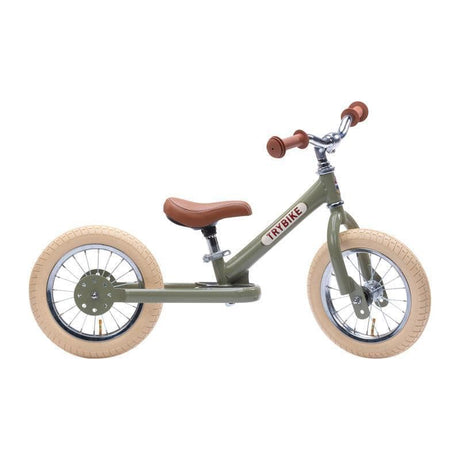
A balance bike is a pedal-free first bike that lets babies, toddlers and young children learn
balance, steering and control by pushing along with their feet. Because there are no pedals or
training wheels to get in the way, your child stays in control from the first ride. The range
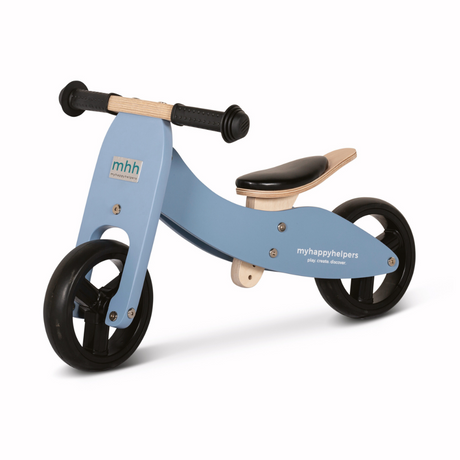
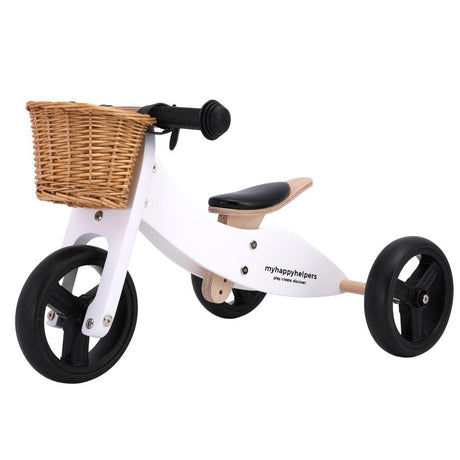
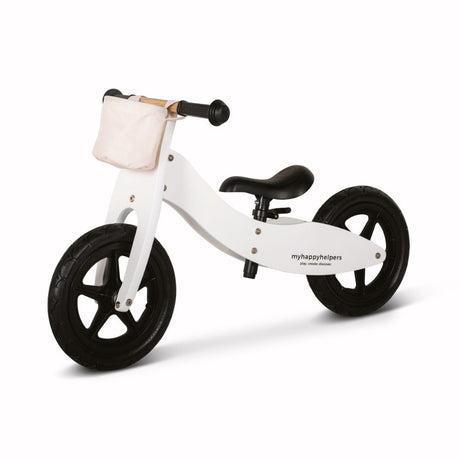
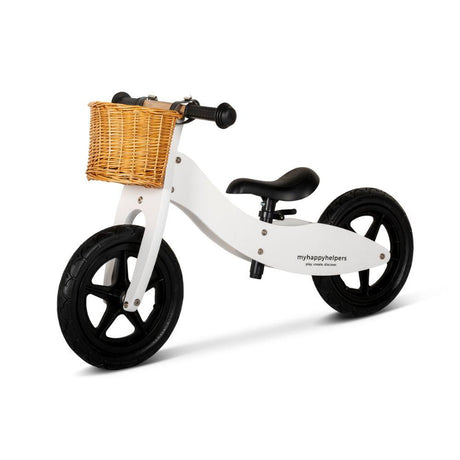
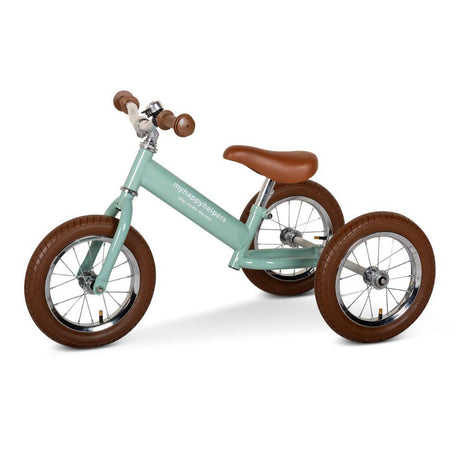
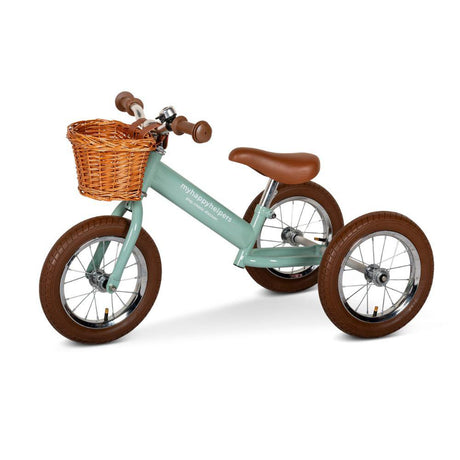
here spans baby balance bikes for a 1 year old just starting out, sturdier toddler balance bikes
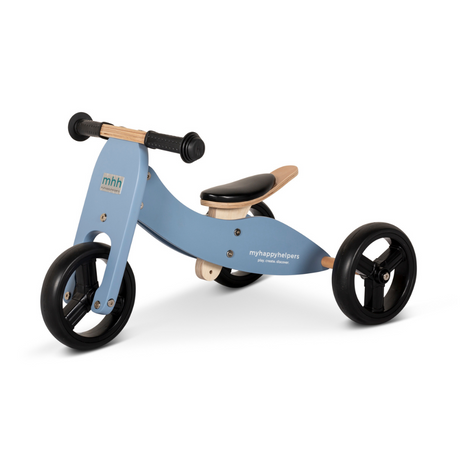
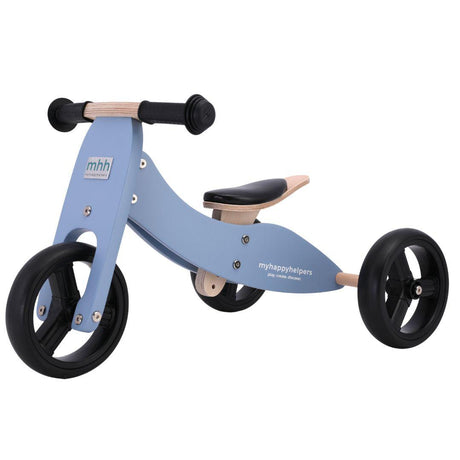
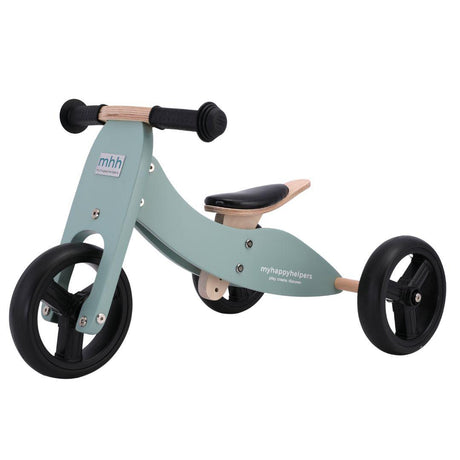
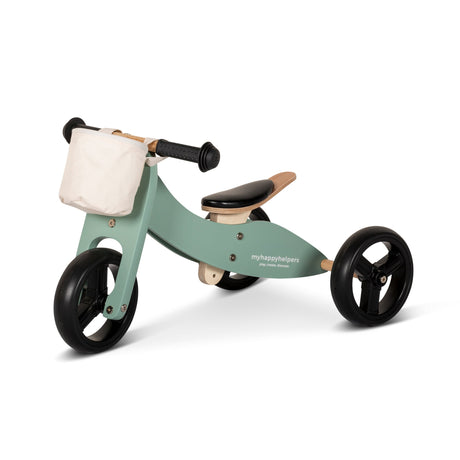
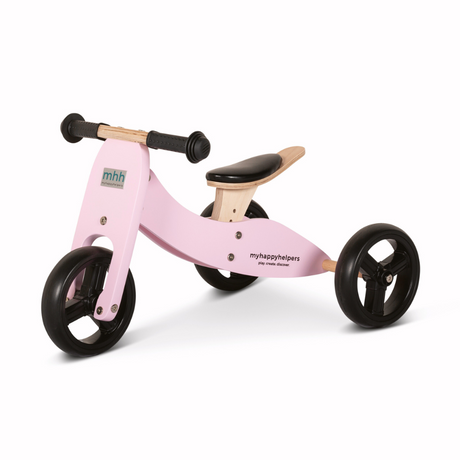
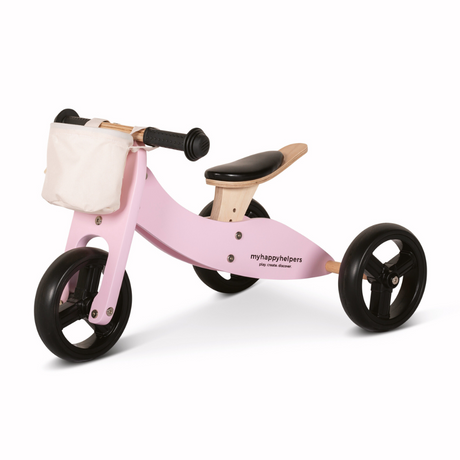
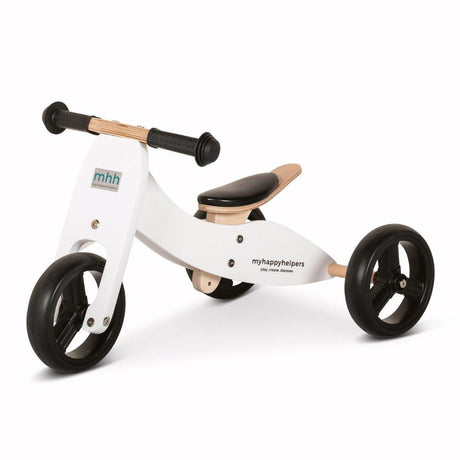
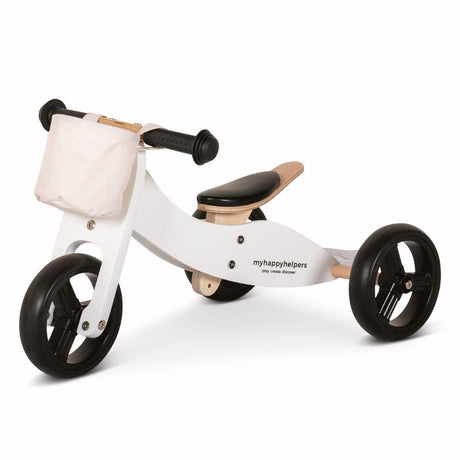
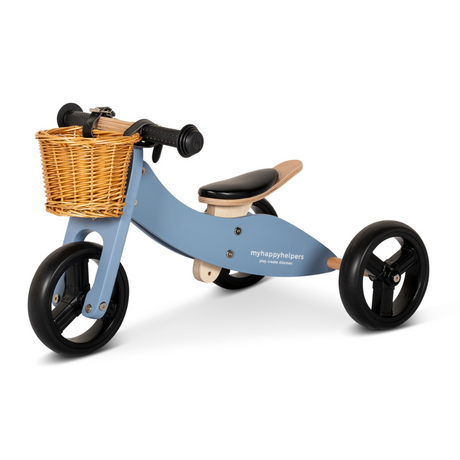
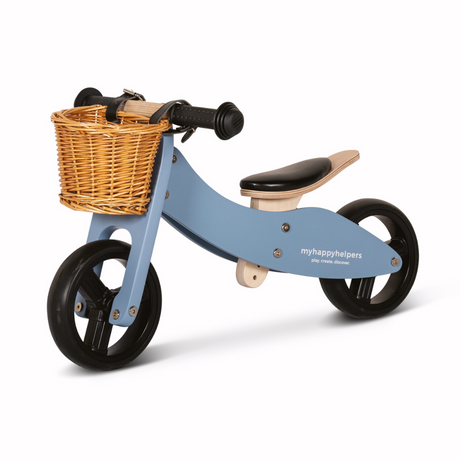
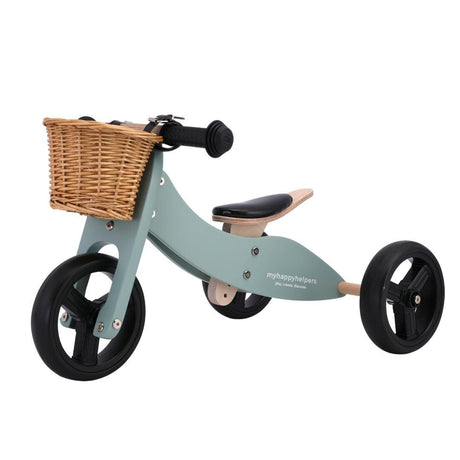
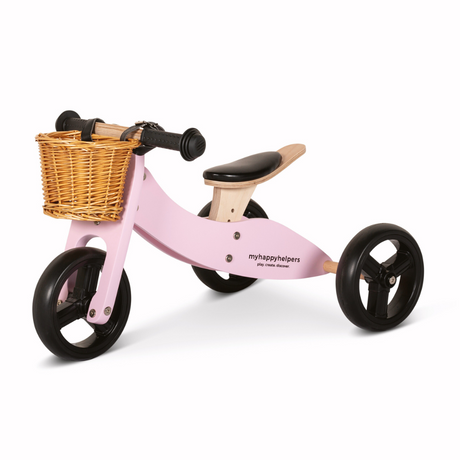
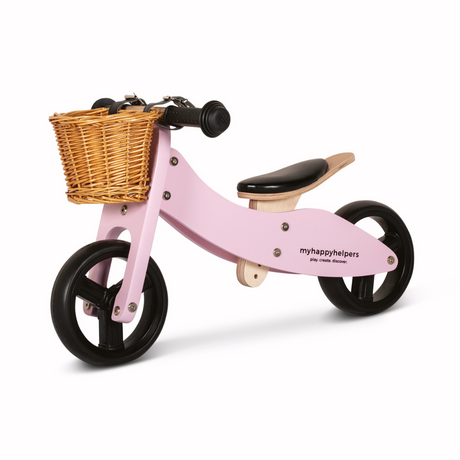
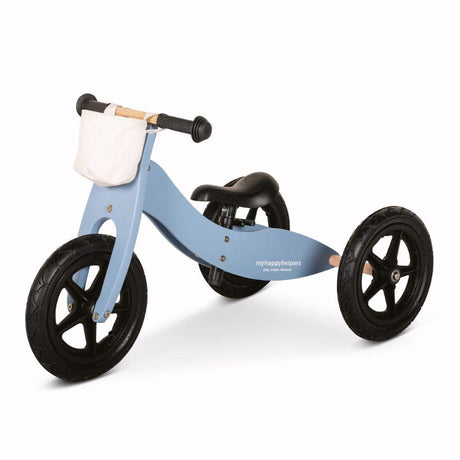
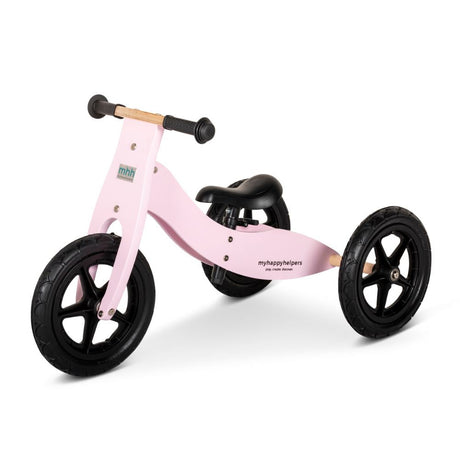
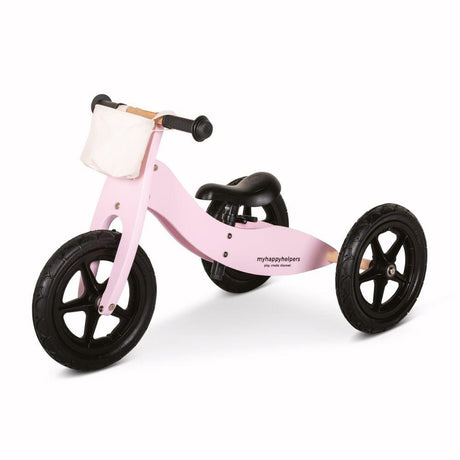
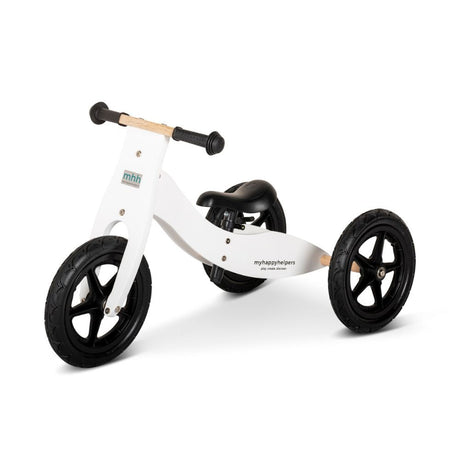
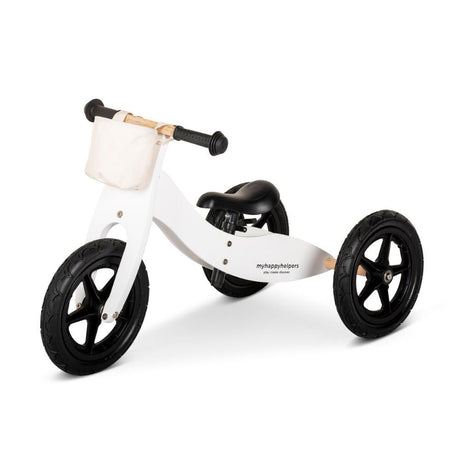
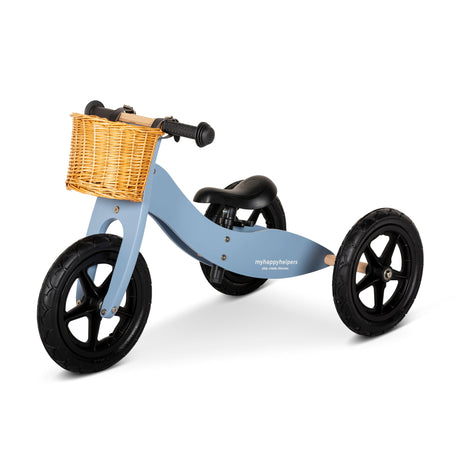
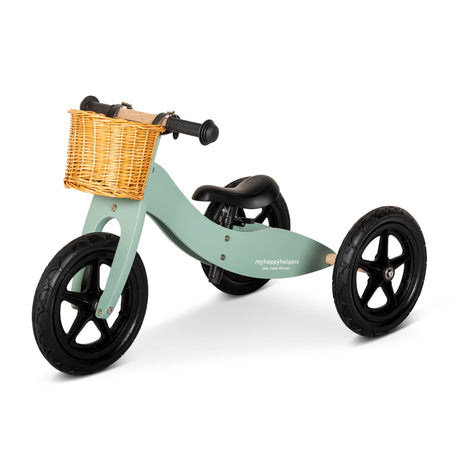
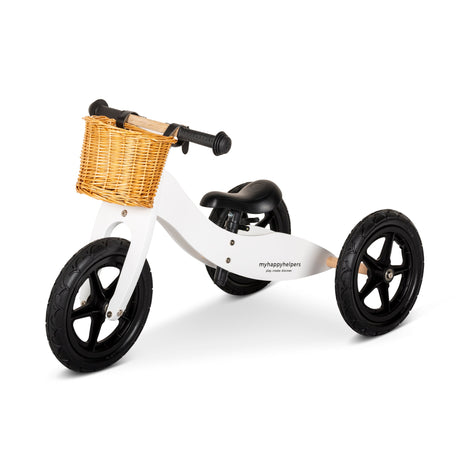
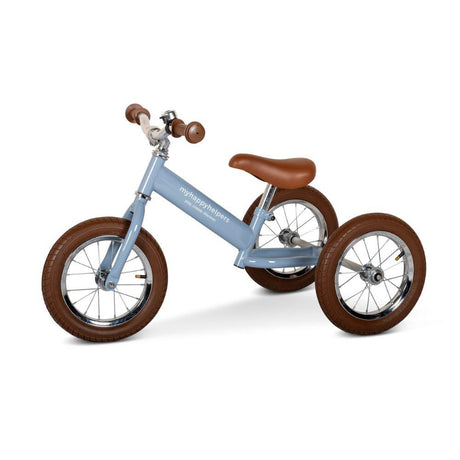
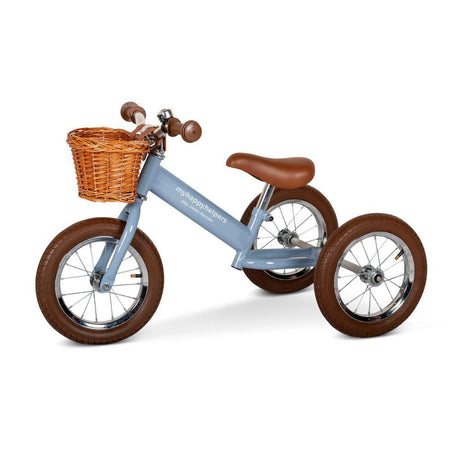
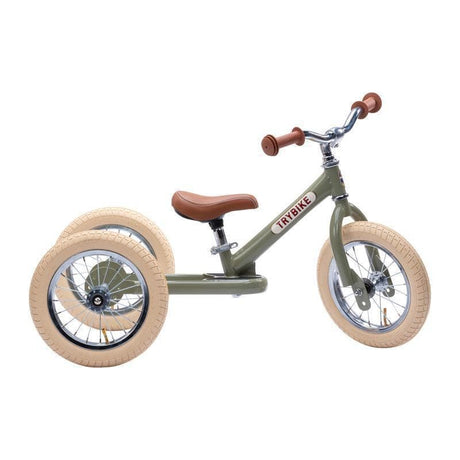
for 2 and 3 year olds, and 2-in-1 trike balance bikes that grow with your child. Choosing the
right one comes down to three things: seat height, weight, and your child's riding stage — which
is exactly what the stages and guides below help you work out.

Baby Balance Bikes Toddler Balance Bikes 2-in-1 Trike Balance Bikes Balance Bikes by Age

Easy for little riders to control

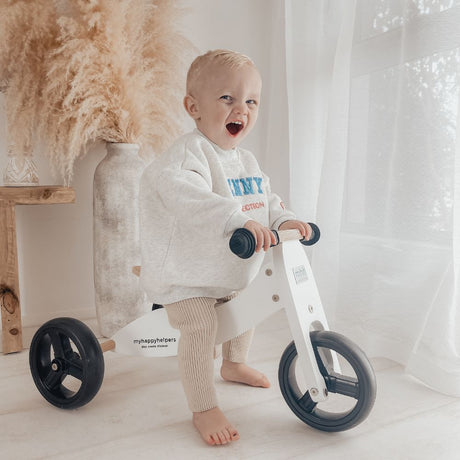
A lightweight balance bike is far easier for a baby or toddler to push, steer and pick up when
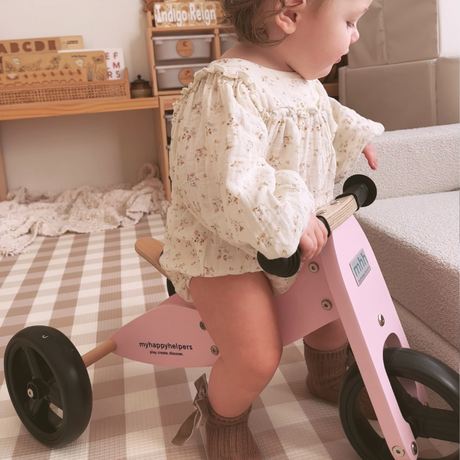
it topples. Low weight and a low seat height let your child sit with both feet flat on the
ground, which is what builds confidence in those first rides — especially for a 1 year old still
finding their balance.

Skips the training-wheels detour

Balance bikes teach the hardest part of riding first: balance itself. Children learn to glide,
steer and correct themselves naturally, so the eventual move to a pedal bike tends to be smoother
and far less frustrating than starting with training wheels.

A stage for every age

From a baby balance bike for a 1 year old to a balance bike for a 2 or 3 year old ready for
longer glides, different designs suit different stages. Matching the bike to your child's age and
confidence is what keeps it in use for years rather than weeks.

Balance Bikes for Every Stage, from Baby to Big Kid

Whether you're choosing a first balance bike for a 1 year old or a more capable ride for a
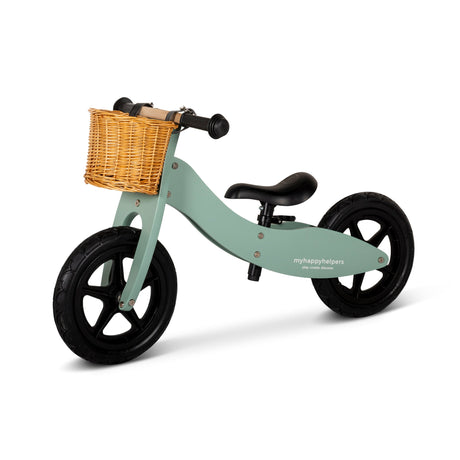
confident toddler, the right fit lets your child push off, glide and steer with both feet able to
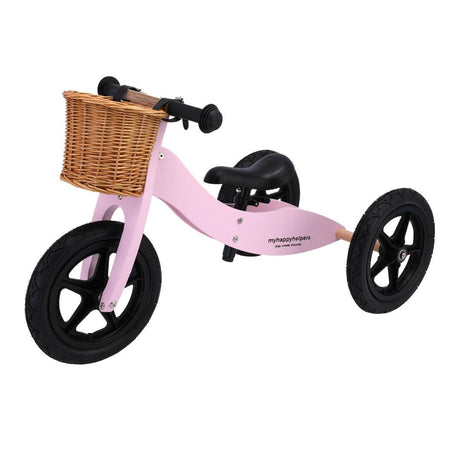
reach the ground. Comfortable proportions and a manageable weight matter more than any single
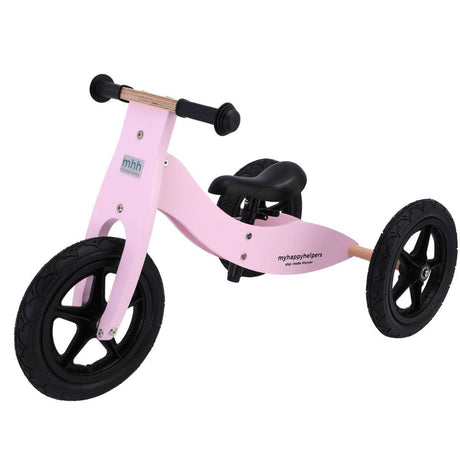
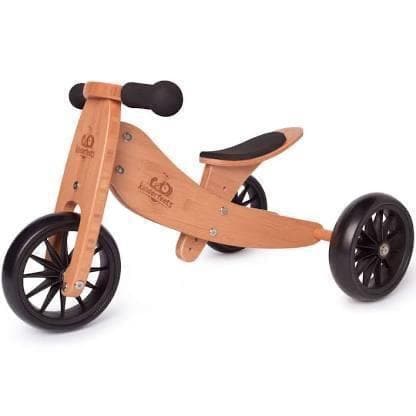
feature.

Balance Bike or 2-in-1 Trike: Which to Start With?

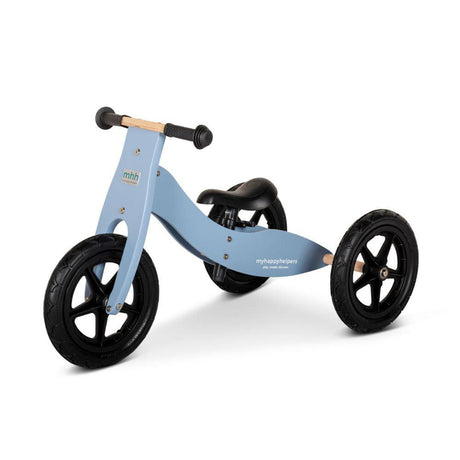
A 2-in-1 trike balance bike lets younger children start seated and pedalling before switching to
balance mode, while a classic balance bike focuses straight on coordination and steering. If
you're weighing the two, our trike vs balance bike guide breaks down which suits your child's
stage.

Choosing by age and stage

Which Balance Bike Is Right for Your Child?

The best balance bike depends on your child's age, weight and how confidently they move. Use the
quick guide below to match a baby, toddler or older child to the right stage — then check fit by
making sure both feet sit flat on the ground.

Choose a baby / starter balance bike if your child:

Is around 1 to 2 years old or new to riding

Needs the lowest possible seat height

Is still learning to walk the bike before gliding

Suits a lightweight frame that's easy to control

Benefits from a low, reassuring centre of gravity

Choose a toddler / 2-in-1 balance bike if your child:

Is a confident 2 to 4 year old

Is ready to glide, steer and ride for longer

Wants a bike with room to grow (2-in-1 trike option)

Is preparing to transition towards a pedal bike

Enjoys more active, faster riding
Many children start on a baby balance bike around their first birthday and move up to a larger
toddler balance bike or 2-in-1 as their confidence grows — so checking current fit matters more
than buying ahead.

What to look for before buying a balance bike

Focus on three things: weight, seat height and wheel quality. A lighter balance bike is easier
for a toddler to manage and less likely to be abandoned; a low minimum seat height means a 1 year
old can sit with feet flat on the ground; and smooth, well-made wheels make steering feel steady
rather than wobbly. Foam tyres are low-maintenance and convenient, while air tyres give a softer
ride outdoors. The best balance bike is the one your child can get on, control easily, and want
to use again — not the one with the longest spec list.

When a balance bike might not be the right choice yet

If your child can't yet sit with both feet flat on the ground, even the lightest balance bike may
feel unstable and discouraging — it's usually better to wait a few months than to start too big.
Likewise, a child who currently prefers a seated, pedalling ride may enjoy a 2-in-1 trike first
before switching to balance mode. Fit and readiness matter far more than age on the box.

Balance Bikes for Toddlers and Kids in Australia
A good balance bike helps children focus on balance, steering and body control before pedals are introduced — which makes those crucial first rides feel simpler, lighter and far less overwhelming. Whether you're choosing a baby balance bike for a 1 year old or a balance bike for a toddler finding their feet, fit matters more than anything else. Your child should sit comfortably, place their feet flat on the ground, and feel in control from the very first push. For many Australian families that's exactly why a balance bike becomes the natural first-bike choice: it supports confidence, coordination and a calmer transition to pedals later on. If you'd like help deciding, our Balance Bike Buying Guide and age guide walk you through fit and readiness in detail.

Frequently asked questions
Are balance bikes good for toddlers?

Yes, balance bikes can be excellent for toddlers when the fit is right. They support body awareness, confidence and independent movement in a way that often feels playful rather than pressured. The key is choosing a size your child can handle comfortably and safel

Should I choose a balance bike or a trike first?

It depends on the child and what you want them to learn first. A trike can feel familiar for sitting and pedalling, while a balance bike focuses more directly on coordination, steering and balance. If your goal is a smoother path to independent riding, many families prefer starting with a balance bike.

What makes a good first balance bike?

Look for a bike that feels lightweight, stable and easy for your child to manage. A low enough seat height, comfortable proportions and simple handling matter more than extra complexity. The best first balance bike is the one that feels approachable and confidence-building from the very beginning.

Do balance bikes really help children learn to ride faster?

Many children do transition more smoothly because they already understand balance, steering and body positioning. While every child is different, starting with a balance bike often reduces the wobble, fear and frustration that can come with learning those skills later on a pedal bike.

How do I choose the right size balance bike?

The key check is simple: when seated, your child should be able to place both feet flat on the ground with a slight bend in their knees. That gives them the stability to push off, stop safely and build confidence. A bike that is too tall usually feels intimidating and harder to control.

Are balance bikes better than training wheels?

For many children, yes. Balance bikes teach the core riding skill first: balance. Training wheels keep a bike upright artificially, so children often learn pedalling before they learn true balance and steering control. Balance bikes usually create a smoother, less frustrating move to pedals because the hardest skill is learned first.

What age is a balance bike suitable for?

Most balance bikes suit children from around 18 months to 5 years, but age is only a guide. Height, inside leg measurement, confidence and coordination matter more than a birthday alone. A younger child with the right fit may do beautifully, while an older child may need a larger frame or seat height.

How much should I spend on a balance bike?

Balance bikes range widely in price, and more expensive isn't always better for a first rider.
What you're really paying for at the higher end is lower weight, smoother wheels and steering,
and a frame durable enough to pass between siblings. For a first balance bike, prioritise a
weight your child can handle and a seat height that fits now, rather than the longest feature
list. A well-chosen mid-range balance bike that fits properly will almost always get more use
than a premium one that's too big to enjoy yet.

What is the best balance bike for a 1 year old?

For a 1 year old, the best balance bike is the lightest one with the lowest seat height, so your
child can sit with both feet flat on the ground and push along safely. At this age, look for a
low standover height and a frame light enough for a toddler to control without frustration — a
baby balance bike that's too tall or heavy usually gets left behind. Many 1 year olds begin by
walking the bike while seated before they start to glide, so stability and a reassuring low
centre of gravity matter more than speed or extra features.