Click & Collect or 24hr Dispatch*

15% Off Sitewide & Clearance*

EOFY15
Baby Activity Centres For Curious Little Learners

Baby Activity Centers

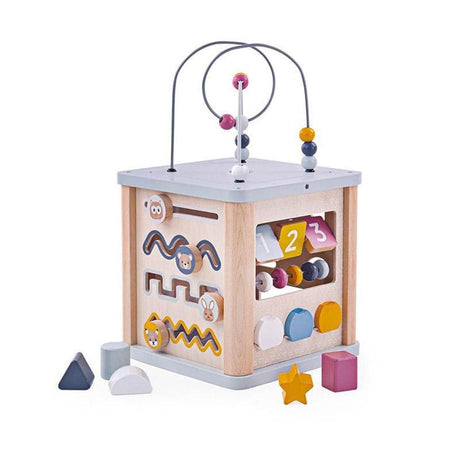
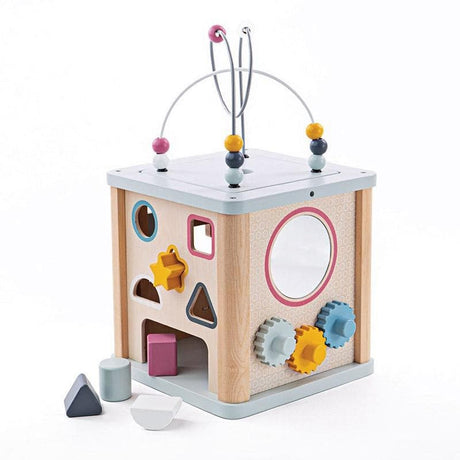
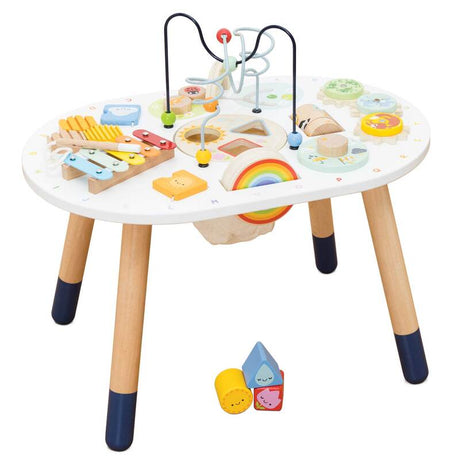
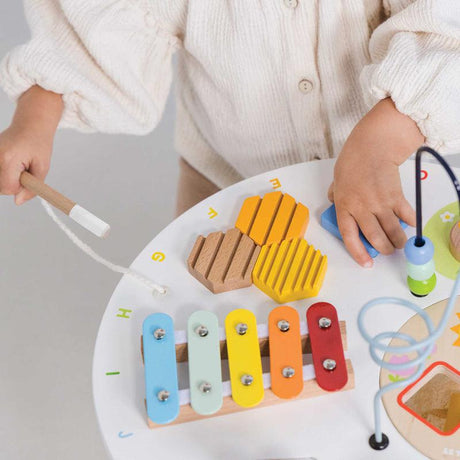
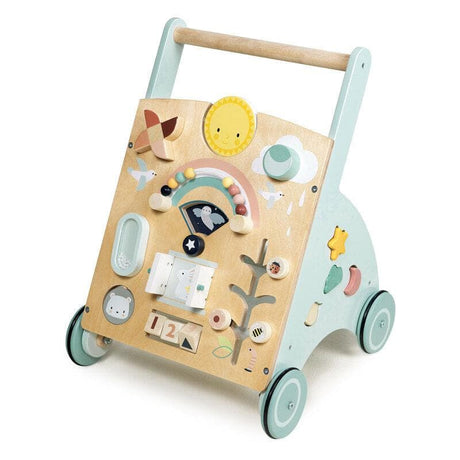
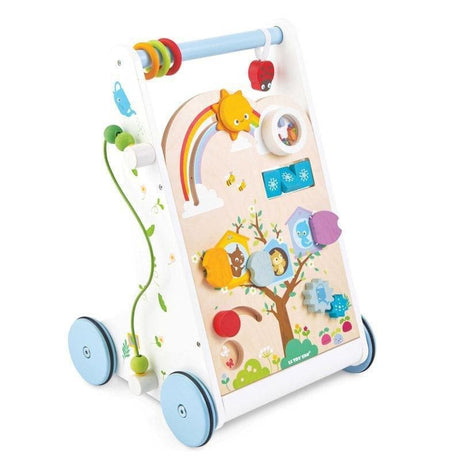
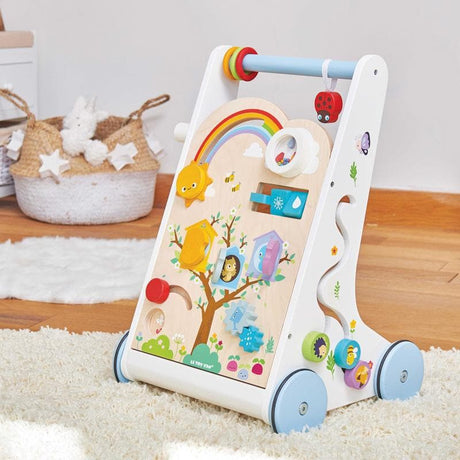
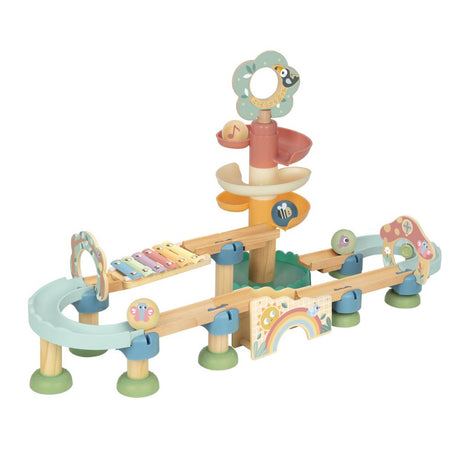
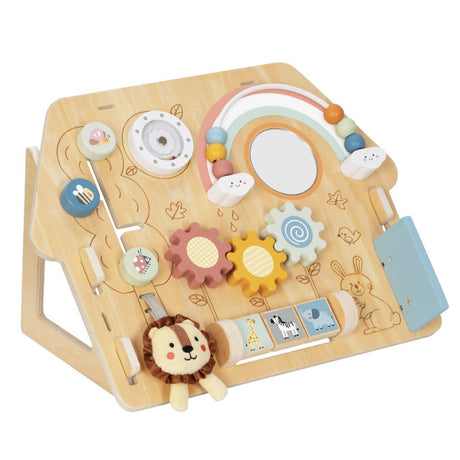
Baby activity centres combine multiple ways to play, explore and learn within a single toy. From spinning gears and shape sorters to bead mazes, locks and moving parts, these interactive activity toys give babies and toddlers countless opportunities to discover, experiment and build confidence through hands-on play.


Why Activity Centres Hold Attention Longer Than Many Other Toys

Why Baby Activity Centres Remain A Favourite For Growing Babies

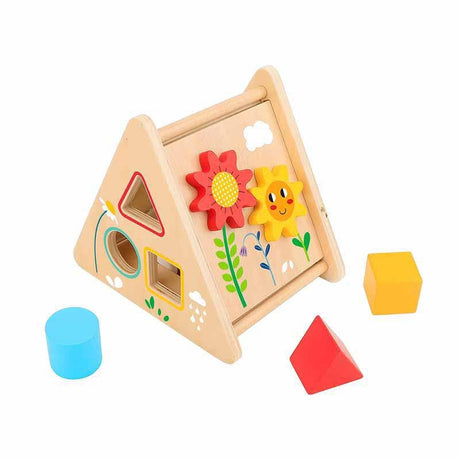
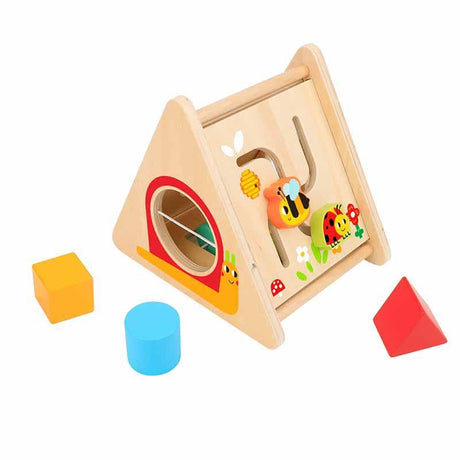
Few toys hold a child's attention quite like a baby activity centre. Unlike toys that focus on a single skill, activity centres combine multiple play experiences into one engaging space. Children can spin, slide, sort, open, close, stack, match and explore at their own pace, discovering new ways to interact every time they play. For parents, this often means longer periods of meaningful engagement without constantly introducing new toys. Whether you're choosing a wooden activity centre, activity cube, activity triangle or lock box, the appeal remains the same: one toy with many opportunities for exploration. As babies become more curious and capable, activity centres naturally grow alongside them, offering new challenges as skills develop.

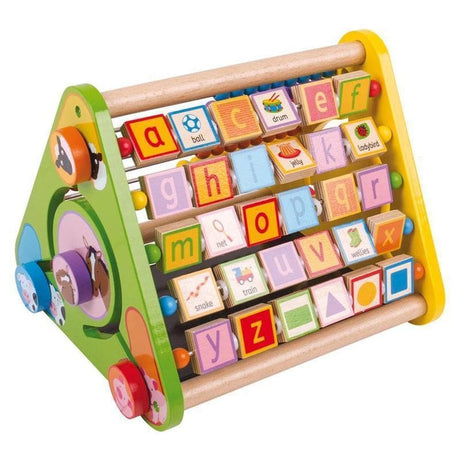
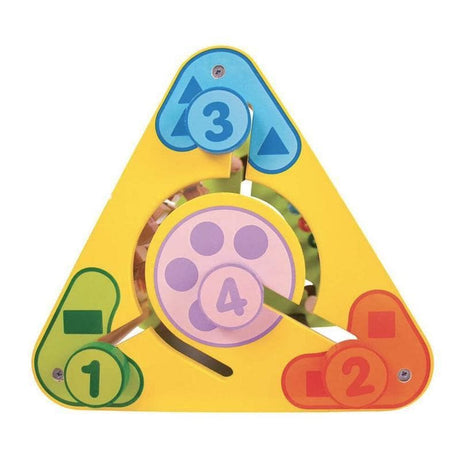
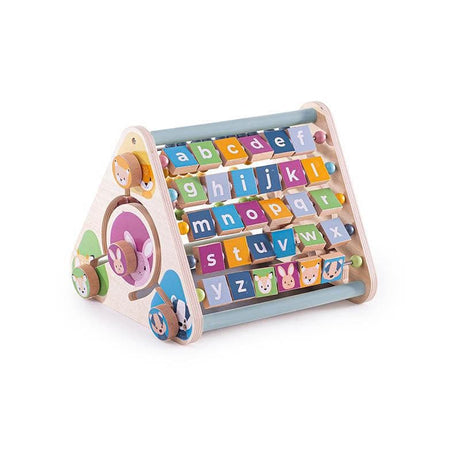
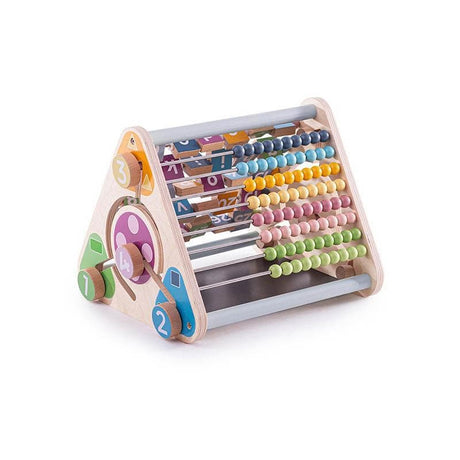
Activity Cubes Activity Triangles Lock Boxes Multi-Activity Learning Toys

Multiple Activities In One Toy


One of the biggest advantages of a baby activity centre is variety. Rather than focusing on a single activity, children can move between different challenges, helping maintain interest and encouraging longer periods of independent exploration.

Supports Growing Confidence


Activity centres allow babies and toddlers to experiment, repeat actions and gradually understand how things work. Turning gears, opening doors, sliding pieces and solving simple challenges helps children build confidence through hands-on discovery.

Designed To Grow With Your Child


Many activity centres remain engaging long after simpler toys have been outgrown. As children develop new skills, they often discover entirely new ways to interact with the same toy, extending both its play value and longevity.

Shop by need

The Best Baby Activity Centres Grow Alongside Developing Skills

A good baby activity centre doesn't become irrelevant once a child masters one activity. As babies develop greater coordination, problem-solving abilities and confidence, they naturally begin exploring different parts of the toy in new ways. A child who initially enjoys spinning gears may later become fascinated by shape sorting, locks, matching activities or simple sequencing challenges. This progression is one reason activity centres are often considered among the most versatile baby toys available.

Why Activity Centres Hold Attention Longer Than Many Other Toys

Babies and toddlers are naturally curious. Once they discover that a door can open, a gear can spin or a shape can move, they often want to repeat the experience again and again. Activity centres encourage this type of exploration by combining multiple activities within a single toy. Instead of reaching the end of a puzzle or completing a single task, children can continually move between different challenges, creating longer and more varied play sessions. This is one reason activity cubes and wooden activity centres often remain favourites long after simpler toys have been outgrown.

The Best Baby Activity Centres Grow Alongside Developing Skills

A good baby activity centre doesn't become irrelevant once a child masters one activity. As babies develop greater coordination, problem-solving abilities and confidence, they naturally begin exploring different parts of the toy in new ways. A child who initially enjoys spinning gears may later become fascinated by shape sorting, locks, matching activities or simple sequencing challenges. This progression is one reason activity centres are often considered among the most versatile baby toys available.

Choosing A Baby Activity Centre

Start With The Type Of Play Your Child Enjoys Most

Not all activity centres offer the same experience. Some focus on sensory discovery and exploration, while others introduce more advanced problem-solving opportunities. Choosing the right activity centre often comes down to how your child currently likes to play.

Choose Activity Cubes & Triangles If Your Child Enjoys

  • Exploring lots of activities at once Spinning, sliding and moving pieces Open-ended discovery Sensory exploration Independent play

Choose Lock Boxes & Interactive Activity Toys If Your Child Enjoys

  • Opening and closing objects Working out simple challenges Repeating cause-and-effect activities Problem solving More focused exploration
The best baby activity centre isn't necessarily the one with the most features. It's the one that matches how your child naturally likes to explore, investigate and learn.

Why Families Invest In Quality Activity Centres

Multiple activities within a single toy

Designed to remain engaging as children grow

Encourages independent exploration and discovery

What Makes A Great Baby Activity Centre?

The best baby activity centres offer a balance between challenge and accessibility. Activities should be simple enough to encourage success while still providing opportunities for discovery and progression. Durable construction, thoughtfully designed activities and age-appropriate challenges often create toys that remain engaging for months or even years. Many families find that activity centres become some of the most frequently used toys because they continue offering new opportunities for exploration as children grow.

Are Activity Centres Worth It?

For many families, activity centres offer exceptional value because they combine multiple play experiences within a single toy. Rather than purchasing separate toys for spinning, sorting, matching, manipulating and problem solving, parents can often provide a wide range of experiences through one well-designed activity centre. This versatility often helps activity centres remain relevant for longer than many single-purpose toys.

One Toy. Hundreds Of Opportunities To Discover.

The best baby activity centres don't entertain children by doing the work for them. They invite children to explore, experiment and discover for themselves. A spinning gear becomes a lesson in cause and effect. A lock becomes a puzzle to solve. A shape sorter becomes an opportunity to test ideas and build confidence. By bringing multiple activities together within a single toy, activity centres create an environment where curiosity leads the play. Whether you're choosing a wooden activity cube, activity triangle or interactive learning toy, the goal remains the same: giving children the freedom to explore, investigate and learn through hands-on discovery at their own pace.

Frequently asked questions
What is the best baby activity centre for long-term value?

The best baby activity centre is usually the one that offers the greatest depth of play rather than the greatest number of features. Toys that combine multiple activities, encourage repeated exploration and remain engaging across different developmental stages often provide the strongest long-term value. Parents should look for activity centres that allow children to interact in different ways as they grow. A younger child might focus on sensory exploration and simple manipulation, while an older toddler may become interested in problem solving, matching activities and more complex challenges. Durable construction also plays a significant role because activity centres often experience years of regular use. Rather than focusing solely on entertainment, the most valuable activity centres encourage curiosity, experimentation and discovery. These qualities help ensure the toy remains relevant long after the novelty of a single activity has faded.

Can activity centres encourage independent play?

One of the reasons parents often invest in activity centres is their ability to support independent exploration. Because multiple activities are available within a single toy, children can move naturally between different challenges without requiring constant adult direction. A child may spend time spinning gears, then transition to a shape sorter, then investigate a lock or bead maze, all within the same play session. This variety helps maintain engagement while encouraging children to follow their own curiosity. Independent play does not mean children should be left alone for long periods, but it does mean they can take a more active role in directing their own learning experiences. Activity centres often work particularly well because they reward experimentation. Children quickly discover that their actions produce interesting results, motivating them to continue exploring. For many families, this balance of engagement, discovery and self-directed play is one of the biggest benefits activity centres provid
What should parents look for when choosing a baby activity centre?

A quality baby activity centre should offer more than simply lots of features. Parents should look for a balance between variety, accessibility and long-term engagement. Activities should be challenging enough to encourage curiosity but not so difficult that children become frustrated. Durable construction is equally important because activity centres are often used repeatedly over several years. Many parents find it helpful to choose toys that include a mix of sensory exploration, manipulation activities and simple problem-solving opportunities. Variety allows children to return to the toy repeatedly without feeling that they have exhausted its possibilities. It is also worth considering how the activity centre will grow with the child. The best activity centres remain interesting as skills develop, offering new opportunities for exploration rather than becoming obsolete after a few weeks. This combination of longevity and versatility is often what separates exceptional activity centres from toys with only short-term appeal.

What is the difference between an activity centre and a busy board?

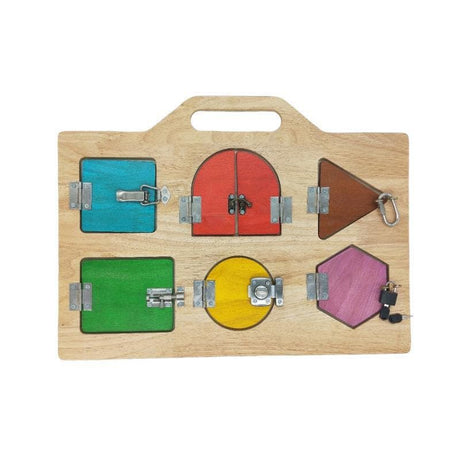
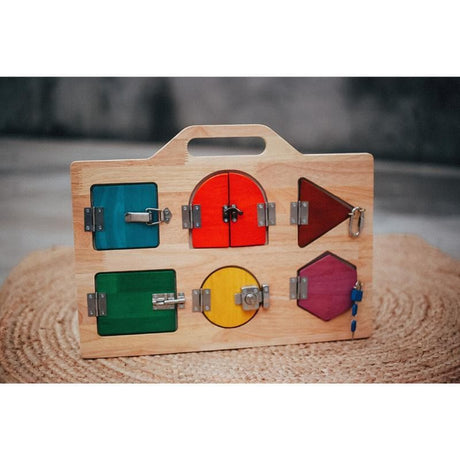
While both encourage hands-on learning, they create very different play experiences. A busy board typically focuses on practical mechanisms such as locks, latches, zips, switches and fasteners. Children spend time exploring how real-world objects work, often concentrating on one challenge at a time. An activity centre is usually broader in scope. It combines multiple activities such as shape sorting, bead mazes, gears, matching games, sensory features and manipulation tasks within a single toy. Busy boards often appeal to children who enjoy solving practical problems and mastering specific skills, while activity centres provide a wider variety of experiences that encourage ongoing exploration. Neither is inherently better. The best choice depends on the child's interests. Many families eventually own both because they complement one another well. Activity centres tend to offer greater variety, while busy boards often provide deeper engagement with mechanisms and real-world problem solving.

What skills do activity centres help children practise?

Activity centres expose children to a surprisingly broad range of learning experiences because they combine many different activities within a single toy. Depending on the design, children may practise hand-eye coordination while moving beads through a maze, develop fine motor control while manipulating locks and latches, explore cause and effect through spinning gears or strengthen problem-solving abilities through shape sorting and matching challenges. Activity centres also encourage persistence because children naturally repeat actions until they understand how a mechanism works. Importantly, these skills are rarely taught directly. Instead, children learn through experimentation and self-directed discovery. This style of play often creates deeper engagement because children feel ownership over their learning process. Rather than being shown the answer, they are encouraged to test ideas, observe outcomes and gradually build understanding through hands-on exploration. This is one reason activity centres remain a favourite among parents looking for toys that provide long-term value.

How long do babies and toddlers typically use activity centres?

One of the reasons activity centres remain popular is their ability to stay relevant across multiple developmental stages. Unlike some toys that are quickly mastered and forgotten, activity centres often evolve alongside a child's growing skills. A younger baby may spend weeks simply spinning gears, moving beads or exploring different textures. As coordination improves, children often become interested in sorting shapes, opening compartments, solving simple challenges and understanding how different mechanisms work. By toddlerhood, the same activity centre may become a source of problem solving, experimentation and imaginative play. The lifespan of an activity centre depends on its complexity, but many families find that quality activity centres remain in regular use for several years. Toys that combine multiple activities generally provide greater longevity because children can continually discover new challenges rather than reaching a point where every feature has already been mastered.

Are wooden activity centres better than plastic activity centres?

The best choice depends on what a family values most, but many parents are increasingly choosing wooden activity centres because of their durability, aesthetics and play experience. Wooden activity centres often provide a calmer, more focused environment because they rely on hands-on interaction rather than flashing lights, electronic sounds or automated features. Children are encouraged to actively manipulate gears, sort shapes, open locks and experiment with different mechanisms rather than simply pressing buttons for entertainment. Many families also appreciate that wooden activity centres tend to complement modern playrooms and living spaces while offering exceptional longevity. Plastic activity centres can provide engaging play experiences as well, particularly when they include a variety of activities and challenges. The most important factor is not the material itself but whether the activity centre encourages meaningful exploration. A well-designed wooden activity centre often remains relevant for longer because children continue discovering new ways to interact with it as their abilities develop.

What is the difference between an activity centre and an activity cube?

An activity cube is actually a type of activity centre. The term activity centre refers to any toy that combines multiple activities into a single play experience, while an activity cube specifically uses a cube-shaped design with activities positioned on different sides. Activity cubes often include bead mazes, gears, shape sorters, spinning blocks and sensory elements arranged around the toy so children can move from one activity to another. Other activity centres may use triangular, rectangular or house-shaped designs and can include features such as locks, doors, matching games, lacing activities and problem-solving challenges. The most important consideration is not the shape itself but the variety and quality of the activities provided. Some children enjoy the open-ended exploration offered by activity cubes, while others become deeply engaged with activity centres that focus on locks, mechanisms and more structured challenges. Both provide opportunities for hands-on discovery, but they offer slightly different play experiences depending on the child's interests and developmental stage.

Are activity centres good for babies?

A well-designed baby activity centre can provide an exceptional environment for exploration because it brings multiple learning experiences together within one toy. Unlike toys that focus on a single skill, activity centres encourage babies to experiment with movement, cause and effect, problem solving, coordination and sensory exploration through a variety of activities. The value comes from the child's active participation. Rather than pressing a button and watching a toy perform, children are encouraged to manipulate objects, test ideas and repeat actions until they understand how something works. This type of hands-on exploration often creates deeper engagement because children are directing the play themselves. Activity centres are particularly valuable for curious babies who enjoy investigating how things move, open, spin or connect. While no toy can replace interaction with caregivers or real-world experiences, activity centres can provide rich opportunities for independent discovery that support confidence, persistence and exploration through everyday play.

What age is best for a baby activity centre?

The ideal age for a baby activity centre depends less on a child's birthday and more on their stage of development. Many babies begin showing interest in activity centres between 6 and 12 months as they become more curious about how objects move, open, spin and interact. During this stage, babies are developing stronger hand-eye coordination, improved fine motor control and a growing desire to explore independently. Simple activities such as turning gears, sliding beads or opening doors can become fascinating because they allow children to see the immediate results of their actions. Activity centres often remain relevant well into toddlerhood because children continue discovering more complex ways to engage with the same toy. A younger baby may enjoy spinning a wheel repeatedly, while an older toddler may focus on solving a lock, completing a matching activity or working through a shape-sorting challenge. The best activity centres evolve alongside children's abilities rather than providing a single stage of play that is quickly outgrown.