
Click & Collect or 24hr Dispatch*

Further 10% Off Clearance

EXTRA10
Ready for kitchen & craft mess

Kids Aprons

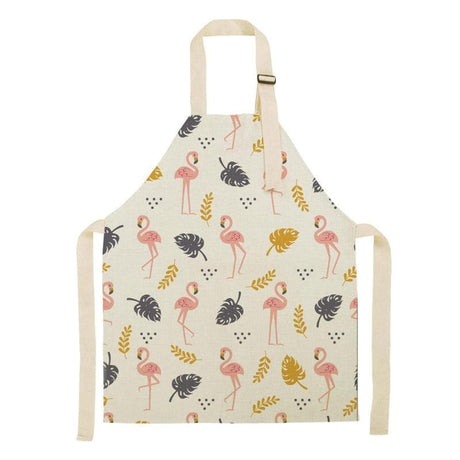
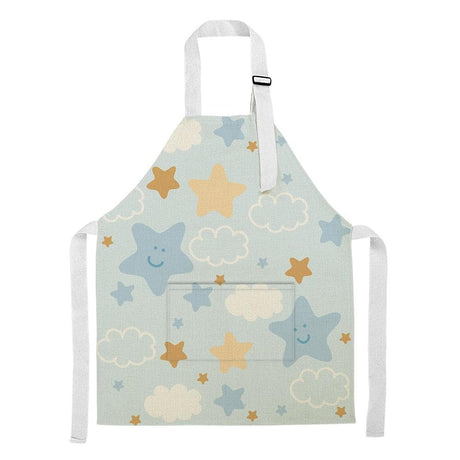
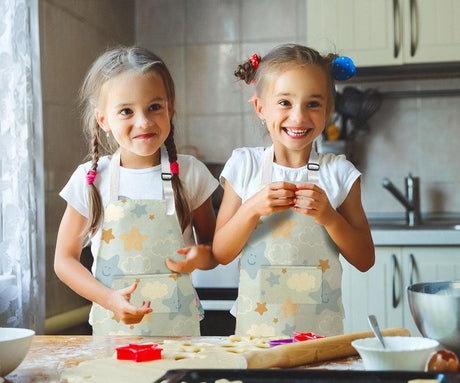
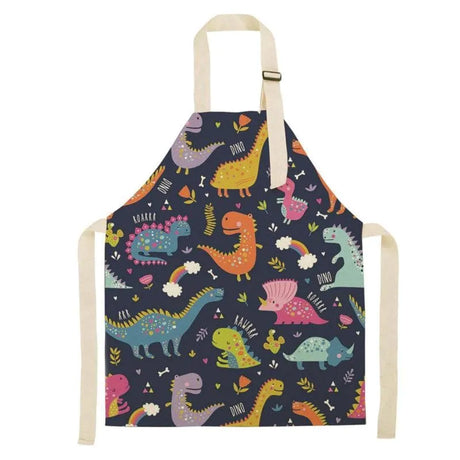
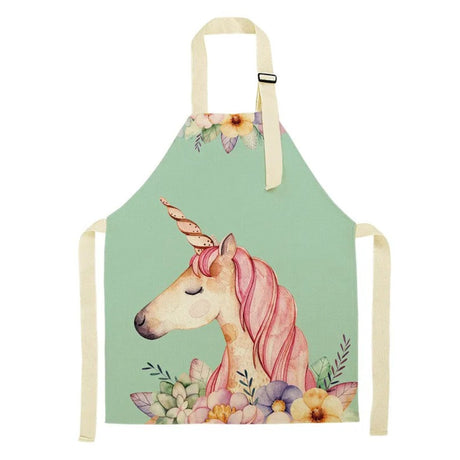
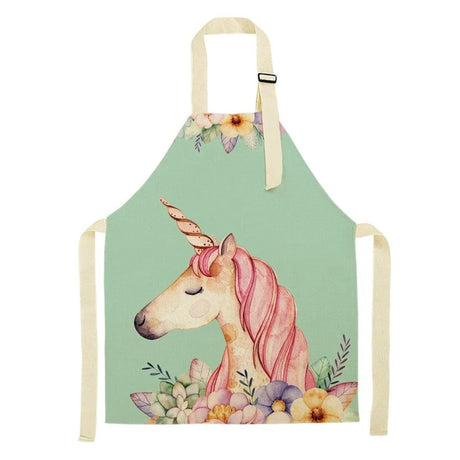
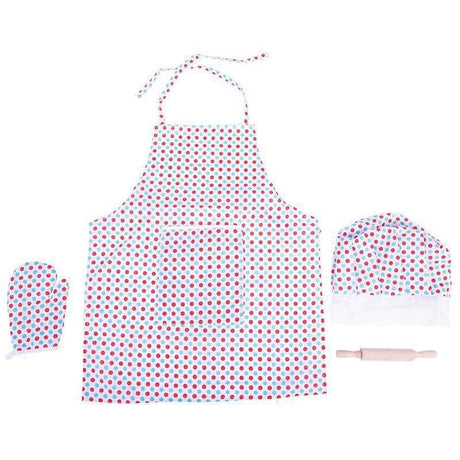
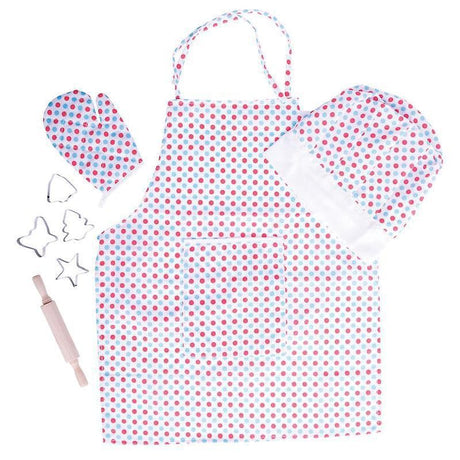
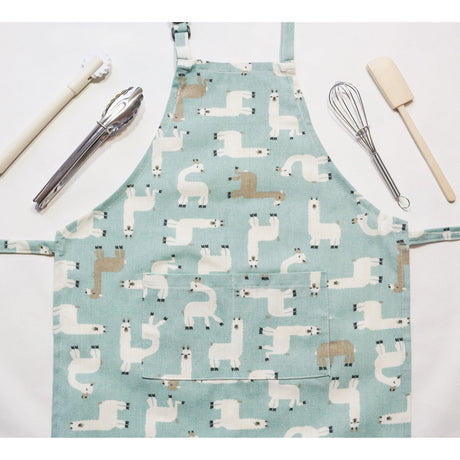
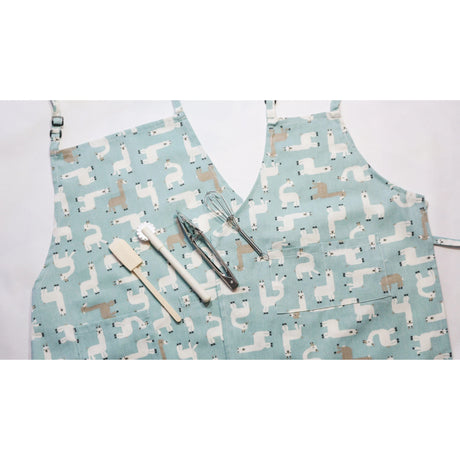
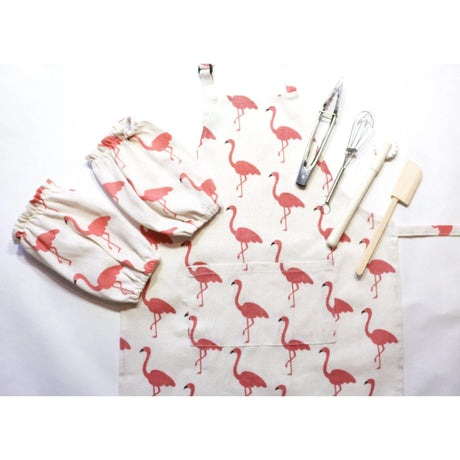
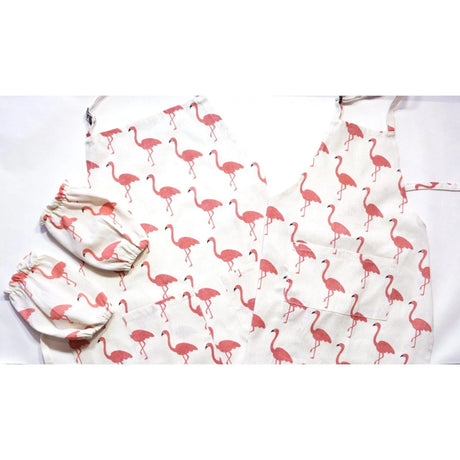
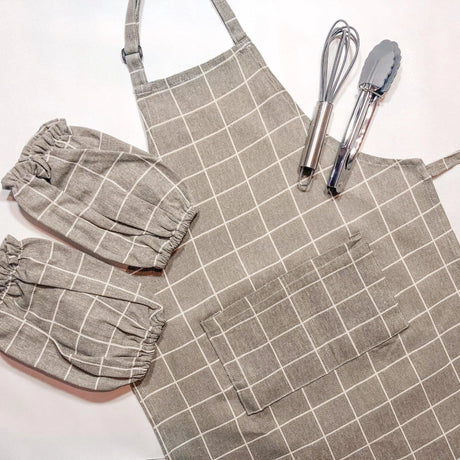
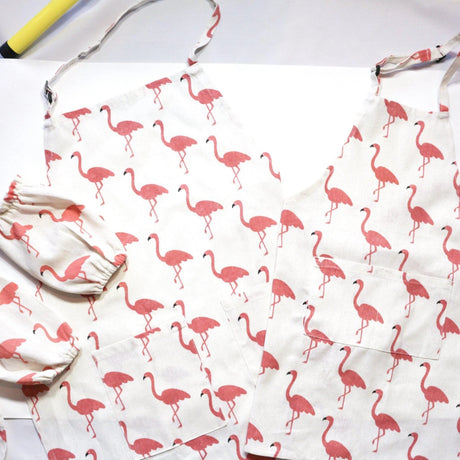
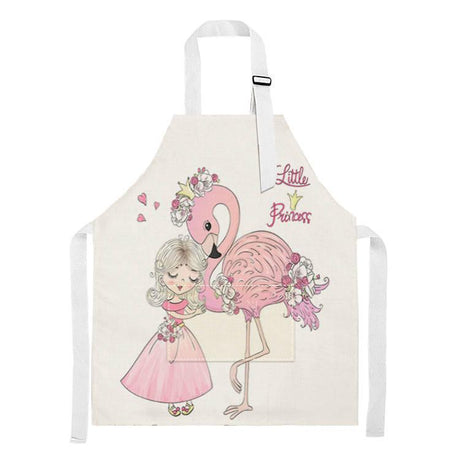
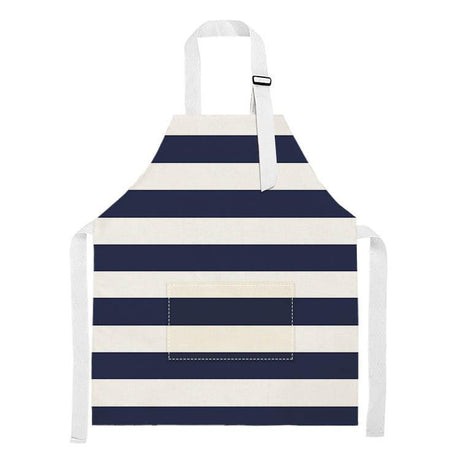
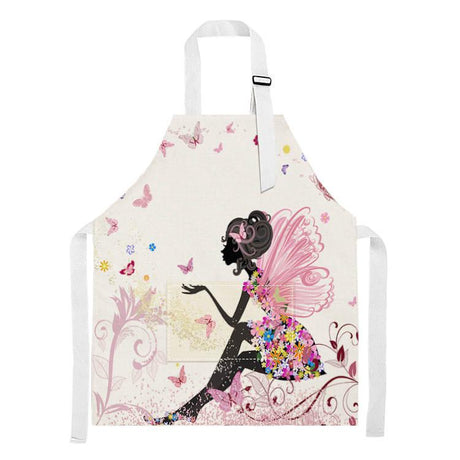
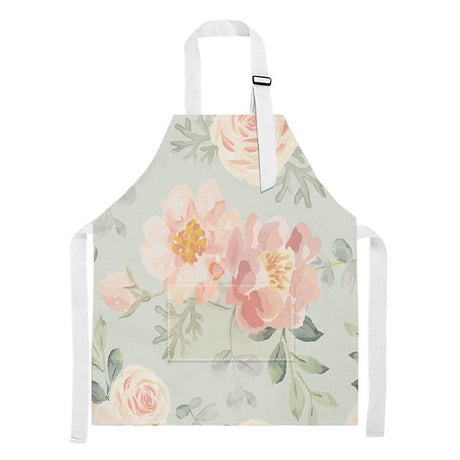
Kids aprons are for the moment they want to help — stirring at the bench, painting at the table, rinsing fruit, or tipping flour for a pretend bake. In this collection you’ll find toddler and child aprons labelled Small and Medium, everyday kitchen prints, and a few matching parent aprons and helper sets when you want to cook side by side. Some titles call out craft and cooking; others are simple cover-ups for whatever messy job comes next. Not every card is a single child apron — you’ll also see arm cuffs, a chef-style set and festive apron bundles in the grid.

Browse the aprons below. Start with size (Small versus Medium on the product title), then decide whether you want one reliable apron for everyday mess or a matching set for shared kitchen time. Use the notes underneath if you’re weighing kitchen help against craft days, or whether adjustable straps matter for how independently they dress.

Browse kids aprons
A selection of kids aprons

Shop this collection

28 products · filters and sorting below

Buying guide & FAQs ↓

Buying guide

Which kids apron will they actually keep on?

An apron earns its place when it covers enough and stays put while they move. Fit and fastening matter more than the cutest print. Match the size to your child today, then match the style to where the mess usually happens — kitchen bench, craft table, or both.

  • Small / toddler versus Medium

    Titles often say Small or Medium (and some say Toddler). Small suits shorter torsos and younger helpers; Medium gives more length for bigger kids. Check the product page for any size notes on the apron you like — sizing isn’t identical across every print.

  • Everyday apron versus matching sets

    A single apron suits regular kitchen help and craft. Parent-and-toddler sets and chef-style bundles suit families who want a shared “we’re cooking” moment. Choose a set when cooking together is the point; choose one apron when you simply need a reliable cover-up.

  • Kitchen help, baking play and craft mess

    Many aprons here are used for cooking help, pretend baking and craft. You don’t need a separate “art only” apron unless you want one. Pick a print and length they’ll wear for the messiest activity they do most often.

  • Adjustable straps and easy on/off

    Some aprons in this range describe adjustable neck straps and waist ties. If independent dressing matters, open the product page and check the fastening details before you buy — not every apron is described the same way.

Hold a sense of length from their neck to mid-thigh, then compare that to the Small versus Medium label on the product. Prefer the size they’ll keep on without constant hitching. Always read the care and size notes on the apron you choose — fabric and washing guidance sit on the product page, not as a one-size rule for the whole collection.
Play inspiration

Hang it up — putting the apron on starts the job

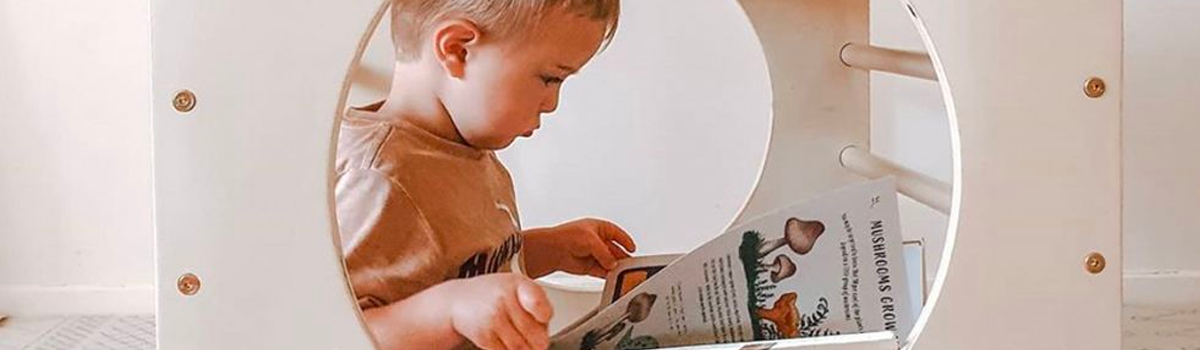
Give the apron a hook or peg at child height near the kitchen or craft table. Before flour or paint comes out, the first step is always the same: apron on. Keep the ritual short so it feels like starting work, not a lecture about mess.

If they wriggle out of ties, fasten the neck yourself and let them finish the waist — that last tug is often the bit they want to own.

  • Helper of the day

    One apron on the hook means it’s their turn to wash fruit or stir.

  • Craft table ready

    Apron on before lids come off paint or glue.

  • Matching cook-along

    If you chose a parent set, put yours on too so “we’re both cooks” is visible.

Questions

Questions parents ask

What’s the difference between Small and Medium kids aprons?

In this collection, Small and Medium are the main size labels on product titles (some also say Toddler). Small is aimed at shorter, younger helpers; Medium offers more coverage for bigger kids. Check the individual product page for any extra size notes — don’t assume every print uses the same measurements.

Do I need a different apron for cooking and for craft?

Usually no. Most kids aprons here are everyday cover-ups for kitchen help, pretend baking and craft mess. Choose for fit and how often they’ll wear it. If one activity is especially wet or paint-heavy, you may prefer a dedicated spare — that’s preference, not a rule.

Do we need an apron if we already have pretend baking toys?

Not required. Pretend baking sets are about mixing and serving play; an apron is clothing protection and the “I’m a helper” cue. Add one when real flour, water, paint or sticky craft enters the picture — or when they love the ritual of dressing for the job.

How should we care for a kids apron?

Care depends on the fabric and trim of the apron you choose. Check the product page for washing or care notes rather than assuming every apron is machine-washable or wipe-clean. Spot-clean between wears when you can, and follow the maker’s guidance on the listing.

Frequently asked questions
How do kids aprons support independence and practical life skills?

One of the greatest benefits of a kids apron is that it supports much more than cooking or baking. It helps create opportunities for children to participate in real-world activities that encourage responsibility, confidence and independence. Practical life skills are often developed through everyday experiences rather than formal lessons, and an apron can become part of those meaningful routines.

When children put on an apron, they are often preparing to contribute in some way. They may be helping prepare lunch, washing vegetables, planting seeds, creating artwork or assisting with family activities. These experiences teach children that they are capable of making meaningful contributions and that their efforts have value.

Over time, repeated opportunities to participate can help strengthen confidence and resilience. Children learn that mistakes are part of learning and that new skills develop through practice. A kids apron becomes a simple but powerful symbol of participation. It tells little ones that they are trusted, included and capable of helping. For many families, that feeling of belonging is far more valuable than the apron itself.

What is the best apron for a 4 year old?

By the age of four, many children are becoming increasingly confident in practical life activities. They often enjoy helping prepare snacks, baking simple recipes, participating in craft projects and taking on small responsibilities around the home. A quality kids apron helps support this growing independence by creating a sense of ownership and involvement.

The best apron for a 4 year old should be comfortable enough for regular use and versatile enough to move between different activities. Many children at this age use their aprons for far more than cooking. Gardening, painting, sensory play and helping with household tasks can all become opportunities to practise responsibility and participation.

What matters most is how the apron contributes to the child's experience. When children have equipment that belongs to them, they often feel more invested in the activity itself. A kids apron can help transform ordinary moments into opportunities for confidence building, learning and meaningful contribution. These small experiences often play an important role in helping children develop independence and a positive attitude towards helping others.

What is the best apron for a 3 year old?

The best apron for a 3 year old is one that helps them feel comfortable, capable and excited to participate. At this age, children are often eager to help with everyday activities but still benefit from simple routines and equipment that feels easy to manage. A well-fitting kids apron can help create positive associations with cooking, baking, craft activities and practical life experiences.

Three-year-olds are often developing a strong desire for independence. They enjoy completing tasks themselves and frequently take pride in helping adults. Wearing an apron can reinforce this sense of responsibility and make activities feel more meaningful. Whether helping wash fruit, stir ingredients, water plants or create artwork, an apron helps signal that they have an important role to play.

Rather than focusing solely on protecting clothing, parents should look for an apron that encourages participation. The most successful aprons are the ones children genuinely enjoy wearing. When a child feels comfortable and confident, they are far more likely to remain engaged, contribute enthusiastically and develop positive habits around helping and learning.

Can kids aprons be used for messy play and craft activities?

Absolutely. While many families initially purchase a kids apron for cooking or baking, they often discover it becomes useful for a wide range of activities. Painting, drawing, sensory play, gardening, clay modelling and other creative experiences can all benefit from an apron designed to help protect clothing and encourage participation.

Children often enjoy consistency, and using the same apron across different activities can help create a familiar routine. Putting on an apron signals that it is time to explore, create and participate. This simple ritual can increase excitement while helping children transition into focused play.

For many families, a kids apron becomes one of the most versatile items in the home. Rather than being limited to the kitchen, it supports creative expression, practical life learning and hands-on exploration. The ability to use one apron across multiple activities often makes it a highly practical and frequently used addition to everyday family life.

Do children need an apron for baking?

Children do not necessarily need an apron to bake, but many families find that having one significantly improves the experience. Baking can be wonderfully messy, and an apron helps reduce concerns about flour, icing sugar, chocolate, food colouring and other ingredients ending up on clothing.

More importantly, a kids baking apron helps children feel involved in the activity. Many little ones take baking more seriously when they have equipment that belongs specifically to them. Wearing an apron can increase engagement and create a stronger sense of participation throughout the process.

Baking also provides excellent opportunities for children to practise following instructions, measuring ingredients, taking turns and contributing to family traditions. An apron supports these experiences by helping children feel prepared and included. While baking is certainly possible without one, many parents find that a dedicated kids baking apron quickly becomes a favourite part of the routine.

Why do children love wearing a children's chef apron?

A children's chef apron appeals to something many little ones naturally enjoy: feeling capable and involved. Children often love copying the adults around them, especially during activities that seem important and meaningful. Wearing a chef apron helps them feel like genuine participants rather than spectators.

The appeal goes beyond appearance. A children's chef apron often becomes part of the routine and excitement of cooking, baking and preparing food. It helps children feel included in family activities while giving them a sense of responsibility and ownership. These emotional benefits are often far more important than the practical purpose of protecting clothing.

Many children also enjoy the predictability that comes with routines. Putting on an apron before cooking signals the start of an activity they enjoy and helps create positive associations with helping, learning and contributing. For this reason, a children's chef apron often becomes much more than an item of clothing. It becomes part of the experience itself.

What is the best apron for a toddler?

The best toddler apron is one that feels comfortable, easy to wear and appropriate for the activities your child enjoys. Toddlers are often enthusiastic participants but can quickly become distracted by clothing that feels restrictive, heavy or uncomfortable. A lightweight apron that allows freedom of movement will usually create the most positive experience.

At this stage, the goal is not perfection. Toddlers benefit from opportunities to explore, help and participate without pressure. Whether they are stirring cake batter, washing fruit, planting seeds or enjoying sensory play, an apron helps signal that they are involved in something important.

Many parents find that toddlers respond positively to routines. Putting on an apron before an activity creates a simple transition that helps little ones understand what comes next. Over time, these experiences support confidence, independence and growing participation in family activities. The best toddler apron is ultimately the one your child enjoys wearing and associates with positive experiences.

Is a kids apron set worth buying?

A kids apron set can be an excellent choice for families whose little ones regularly enjoy cooking, baking, crafting or practical life activities. While a standalone apron is often enough for occasional use, a complete apron set can help create a more engaging experience by providing children with equipment that feels purposeful and exciting.

Children are naturally drawn to activities that help them feel capable and included. Having their own apron and accessories can encourage greater participation because it reinforces the idea that they have an important role to play. Many families find that children become more enthusiastic about helping when they have equipment designed specifically for them.

A kids apron set can also make a thoughtful gift for birthdays, Christmas or special occasions. Unlike many toys that are quickly forgotten, practical equipment often encourages repeated use through real-life activities. The value comes not only from the products themselves but from the opportunities they create for confidence, independence and meaningful family experiences.

What is the difference between a kids cooking apron and a regular apron?

A kids cooking apron is designed specifically with children in mind. While the overall purpose remains similar to an adult apron, the sizing, fit and comfort requirements are very different. Children's aprons are intended to allow little ones to participate comfortably in cooking, baking and practical life activities without feeling restricted or overwhelmed by oversized clothing.

The best kids cooking aprons help children feel confident while remaining practical enough for real use. They are often chosen not only for cooking but also for baking, crafting, sensory play and gardening activities. This versatility makes them a valuable addition to many family routines.

More importantly, a kids cooking apron creates a sense of ownership. Children often respond positively when they have equipment designed specifically for them. This encourages participation and helps little ones feel like active contributors rather than observers. For many families, the apron becomes part of a broader effort to encourage independence, confidence and practical life learning.

What age is a kids apron suitable for?

Kids aprons can be suitable for a wide range of ages, depending on the design and how the apron will be used. Many children begin enjoying aprons between two and four years of age when they start showing an interest in helping with cooking, baking, gardening, sensory play and creative activities. At this stage, the apron often becomes a symbol of participation and involvement.

Older children continue using aprons as their confidence grows and they become more capable of completing tasks independently. Whether measuring ingredients, preparing simple snacks, painting or helping with family meals, an apron remains a useful and practical addition to many activities.

Rather than focusing solely on age, parents should consider their child's interests and readiness to participate. A child who enjoys helping and being involved in everyday activities will often gain the most benefit from having an apron of their own. The right apron should feel comfortable, encourage confidence and support meaningful participation across a variety of experiences.

Why should children wear a kids apron?

A kids apron does far more than protect clothing from spills and mess. For many children, wearing an apron creates a sense of responsibility and belonging. It signals that they are about to participate in something important, whether that means helping prepare dinner, baking with family, planting in the garden or creating artwork at the kitchen table.

Children often enjoy having equipment that belongs specifically to them. Just as adults use aprons during cooking and baking, children frequently feel more involved when they have their own apron. This simple sense of ownership can increase engagement and encourage greater participation in practical activities.

A kids apron can also help create positive routines. Putting on an apron before cooking or crafting becomes part of the experience and helps children transition into the activity. Over time, these moments support growing confidence, independence and responsibility. Rather than simply keeping clothes cleaner, a quality kids apron helps little ones feel capable, included and excited to contribute alongside trusted adults.