A learning tower is a secure, elevated platform designed to bring toddlers safely up to bench height so they can take part in everyday family life. You may also hear it called a kitchen helper, toddler tower, kitchen helper stool or child-safe step stool. While the names vary, the purpose is the same: to help young children participate more safely and independently in daily routines such as cooking, baking, washing hands, brushing teeth and creative play.
If you're looking for a safe way for toddlers to participate in kitchen activities, explore our learning towers for toddlers designed to support independence and practical life skills.
For many parents, the kitchen is one of the busiest places in the home. It is also where toddlers most want to be. A learning tower helps replace the stress of a child weaving between your legs or asking to be carried with a more practical and purposeful setup. Instead of balancing on a chair or climbing onto a basic stool, your child can stand at a comfortable height in a more stable, enclosed space while remaining close to you.
At its best, a learning tower transforms ordinary daily routines into opportunities for connection, confidence and independence. From helping prepare meals to washing fruit, brushing teeth or joining in with baking, it gives little ones a meaningful way to take part in family life.

Why families use a learning tower
A learning tower is not just about giving your toddler extra height. It is about participation. When children can see what is happening and reach the bench safely, everyday tasks become valuable learning opportunities. Pouring, stirring, peeling, rinsing vegetables, brushing teeth and wiping down the bench all become part of practical life learning.
This approach aligns beautifully with Montessori-inspired learning, which encourages children to become active participants in the home rather than passive observers. A learning tower helps toddlers feel included, capable and proud of what they can do.
- Encourages independence and confidence
- Helps children feel included in daily family routines
- Supports practical life skills through real tasks
- Creates more opportunities for connection and shared experiences
- Offers a safer alternative to chairs or ordinary step stools when used correctly and under supervision
What age is a learning tower suitable for?
Many children begin using a learning tower from around 18 months, once they are standing confidently, climbing steadily and able to follow simple guidance. Some children may be ready a little earlier and others a little later. Readiness depends on your child’s balance, coordination and overall development.
A learning tower should always be used with active adult supervision. Even the best design does not replace supervision, especially around hot drinks, cooktops, sharp utensils, water or cleaning products.

Are learning towers safe?
When thoughtfully designed and used correctly, a learning tower can be a much safer option than standing on a chair or standard step stool. The best learning towers are designed with stability, supportive proportions and an enclosed standing area to help reduce slips and wobbles during use.
To use a learning tower as safely as possible:
- Always supervise your child
- Use the tower on a flat, stable surface
- Keep it away from direct access to hot cookware and sharp utensils
- Choose a design suited to your child’s age and stage
- Assemble the product carefully according to instructions
What makes a good learning tower?
Not all learning towers are the same. The best option for your family will depend on your child’s age, the amount of space in your kitchen and how you plan to use it day to day.
When comparing options, look for features such as:
- Stability: a tower should feel secure and well balanced in daily use
- Thoughtful design: the standing area should support comfortable climbing and confident use
- Practicality: consider whether you need a compact, foldable or multi-use design
- Longevity: some families prefer options that grow with their child or convert for other uses
- Fit for your home: small kitchens, shared sibling use and multi-purpose spaces may suit different styles

Which learning tower is best for your family?
At My Happy Helpers, families can choose from a wide range of designs depending on how they want to use their tower at home.
- All Learning Towers – explore the full range
- Kitchen Helpers – ideal for everyday bench-height participation
- Convertible Learning Towers – perfect for families who want a tower that transforms into a toddler table
- Foldable Learning Towers – a practical choice for smaller kitchens or homes where space matters
- Twin Learning Towers – a great option for siblings who love to join in together
- Step Stools – useful for families wanting a lower-profile helper option
Explore Our Learning Towers
Ready to find the right fit for your family? Browse our full range of learning towers, kitchen helpers and convertible designs created to support independence, confidence and connection at home.
Shop Learning TowersEveryday ways to use a learning tower
A learning tower can become part of your daily routine in more ways than many parents expect. Popular uses include:
- Helping prepare meals and snacks
- Washing fruit and vegetables
- Mixing, pouring and baking
- Brushing teeth and washing hands at the sink
- Water play and sensory activities with supervision
- Craft, drawing or table-based activities with convertible designs
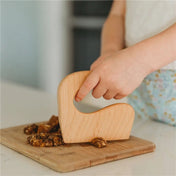
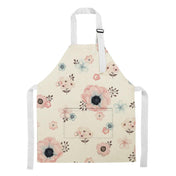
Many families also pair their tower with child-friendly kitchen accessories to make participation even more engaging. You can browse our kids baking sets and kids aprons for simple ways to turn everyday tasks into meaningful family moments.

Learning tower benefits beyond the kitchen
Although learning towers are often associated with cooking, their value goes well beyond the kitchen. They help children move from being passive observers to active participants. That shift can support confidence, language development, motor planning, routine-building and a stronger sense of belonging in the home.
For many parents, one of the biggest benefits is emotional as well as practical: daily routines often become calmer and more connected when children have a safe, purposeful place beside you rather than asking to be lifted or trying to climb independently.
Helpful related reading
If you are deciding which option is right for your family, these pages may help:
Frequently Asked Questions
What is a learning tower?
A learning tower is a secure raised platform that helps toddlers safely reach bench height so they can take part in activities such as cooking, washing hands and practical life tasks with adult supervision.
What age is a learning tower suitable for?
Many children are ready for a learning tower from around 18 months, once they are standing confidently and able to follow simple guidance. Readiness depends on the individual child and supervision is always essential.
Are learning towers Montessori?
Yes, learning towers are commonly associated with Montessori-inspired homes because they encourage independence, practical life learning and participation in real everyday tasks.
Are learning towers worth it?
For many families, a learning tower is worth it because it gives toddlers a safer and more practical way to join daily routines at bench height while supporting independence, confidence and connection.
How is a learning tower different from a step stool?
A learning tower is typically designed as a more enclosed, elevated platform for toddlers, whereas a standard step stool is usually more open and may not provide the same level of support for younger children.
Ready to make everyday moments more meaningful? Explore our full range of Learning Towers.