Click & Collect or 24hr Dispatch*

15% Off Sitewide & Clearance*

EOFY15
Build & Construct · Building Blocks

Wooden Blocks & Wooden Building Blocks

Parents rarely buy wooden blocks because they're educational. They buy them looking for the one toy that never gets "finished" — and that's exactly what blocks are. A doll's house is already a doll's house; a fire station is already a fire station. A wooden block asks one question every time a child picks it up: what do you need me to be today? Some days a bridge, some days a birthday cake, some days the wall of a castle.


Why Wooden Blocks Are the Toy That's Never Finished

Almost every shop says wooden blocks "encourage imagination." But parents don't really buy imagination — they buy possibility. What they're hoping is that this won't be another toy that's exciting for three days and then forgotten. And that's exactly how families describe wooden blocks: not as a favourite toy, but as the toy that quietly appears in everything. As one parent put it, "I never realised they weren't really playing with the blocks — they were using them to build everything else." Blocks are infrastructure, not the destination.

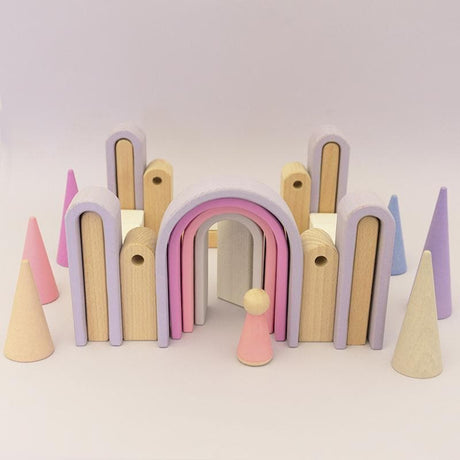
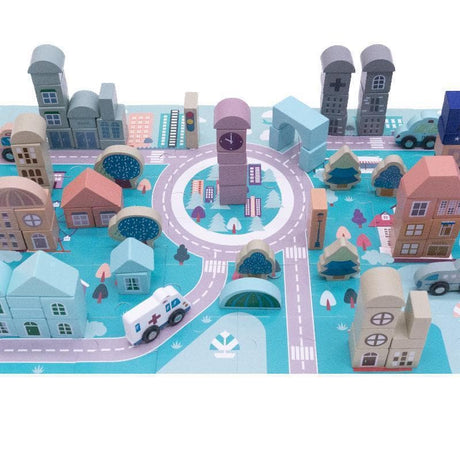
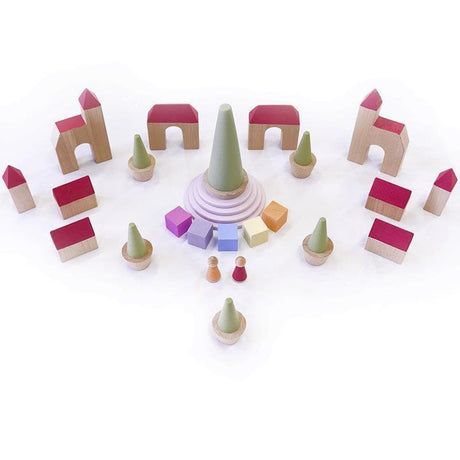
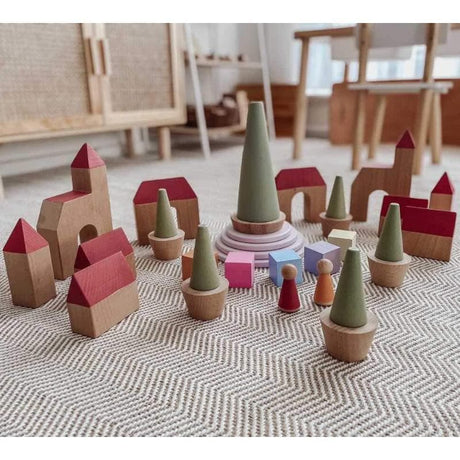
That's the real reason wooden blocks have survived for centuries while trend toys come and go: they're unfinished. The block never changes, but the child does — so the same set is a stack to topple at eighteen months, a stable and a bridge at three, a whole connected city at five, and a marble-run support or symmetrical skyscraper at school age. Give four children identical blocks and you'll get a castle, a zoo, a rocket and a car park, with nobody copying anyone, because there's no correct answer. Pair them with peg dolls, wooden rainbows and building boards and the blocks become the framework a whole imagined world is built on.

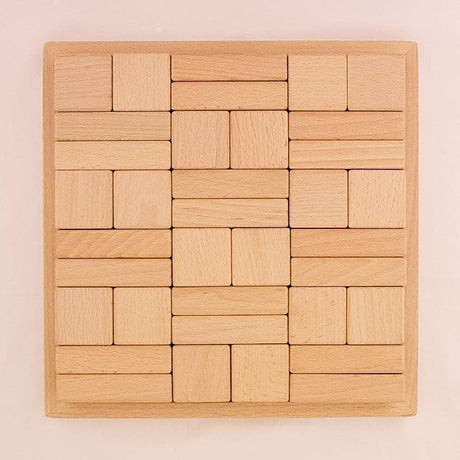
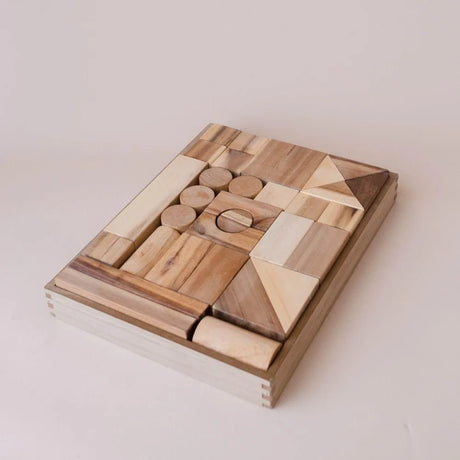
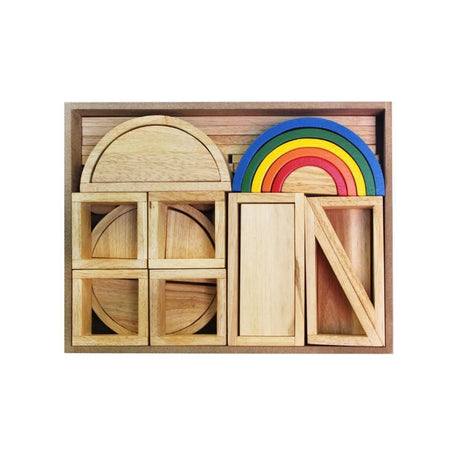
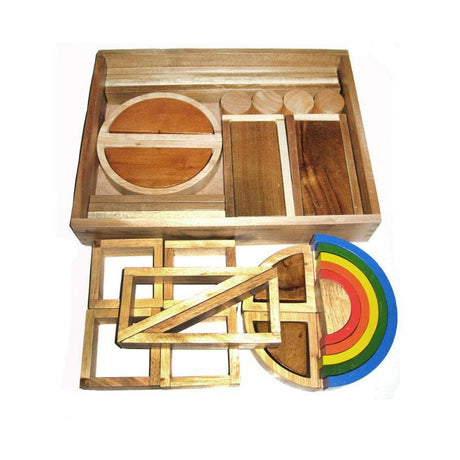
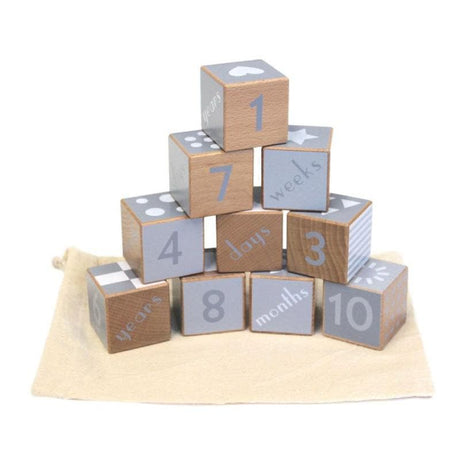
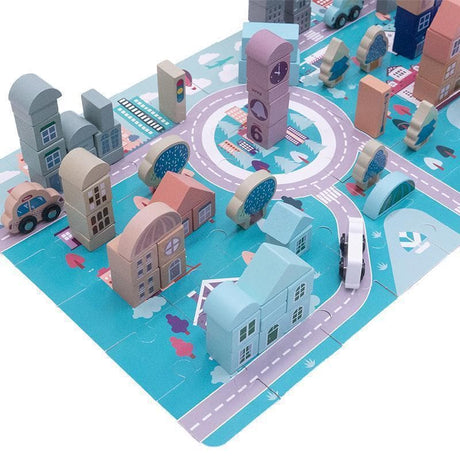
Wooden Blocks Natural & Coloured Grows With Your Child Large & Small Sets

Why Children Build the World With Wooden Blocks Before the Story Starts

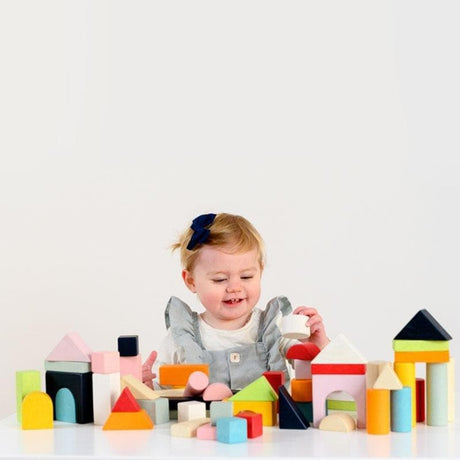
Adults watch a child with wooden blocks and think "they're building a tower." The child is usually thinking something quite different: the horse needs somewhere to sleep. So first they build the stable, the fence, the feeding trough, the bridge and the gate — and only then does the pretending begin. The building isn't preparation for the play; the building is the play. Parents are often surprised that children spend far longer creating the world than acting out the story afterwards, and that's exactly as it should be.

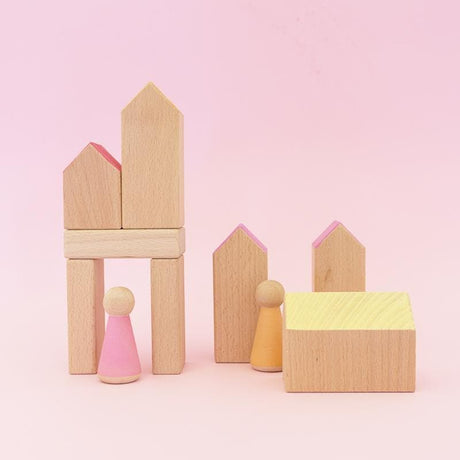
Watch a little longer and you'll see the play quietly become problem-solving. Instead of "I'm making a tower," children start asking where the animals will sleep, how the cars will cross, how to stop this falling over, how to fit a tunnel underneath. The blocks become solutions. And they rarely stay buildings — children build the details too: beds, tables, chairs, stairs, shelves, a tiny dining table and four chairs for the peg dolls before the story even starts. One set, endless purposes, all decided by the child.

The Wooden Blocks That Grow With Your Child for Years

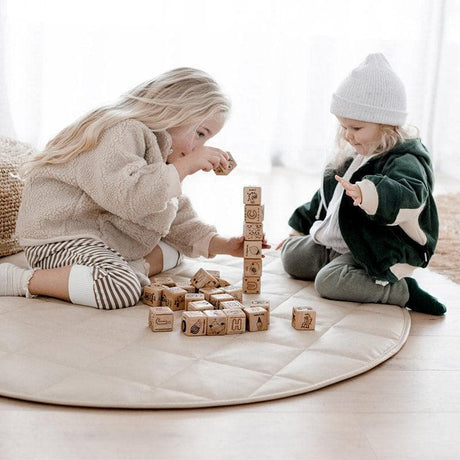
The biggest theme parents describe is that the same wooden blocks change purpose every few years. Around 12–18 months, the joy is simply in handling them — carrying, stacking, knocking down, filling and emptying containers. By two to three, blocks become towers, tunnels, bridges and simple houses as children begin solving basic structural problems. From four to six, everything changes: blocks become villages, airports, castles, train stations, restaurants and rescue headquarters, and parents often say this is when they suddenly become one of the most-played-with toys in the house.

Then at school age children get genuinely ambitious — suspension bridges, skyscrapers, domino chains, marble-run supports, symmetrical buildings — and many families are surprised the blocks still haven't been outgrown. That longevity is the whole point, and the most touching reviews come from adults who played with the same set as children and now watch their own kids or grandkids build with it. A great wooden block set isn't a toy you replace; it's a material that quietly adapts to every stage of a child's imagination, which is exactly why parents recommend blocks more passionately than almost any other toy.

What Children Learn From Wooden Blocks (Without Being Taught)

None of it feels like learning, which is precisely why it works. Knocking a tower down isn't wasted effort — the collapse is feedback. One father described his son spending forty minutes building and three seconds destroying, then laughing and starting again, having quietly learned which bases were strong and which weren't. Children discover through repeated trial and error that strong isn't always tall: sometimes wider works better, heavier works better, balanced works better. The questions you overhear get more sophisticated over time — "how can I make it stronger?", "can this hold another floor?", "what happens if I turn it sideways?"

Maths appears naturally through construction rather than worksheets, too. Without being asked, children arrange small-large-small-large, build symmetrical towers, match colours and repeat shapes. And block play gives parents a rare window into how their child thinks — one mother described simply listening over a coffee as her son talked himself through every decision: "this one needs to be stronger… no, that won't work… I need another block." It's also wonderfully collaborative: with no winner and no end point, blocks become family projects where a parent adds a bridge, a toddler moves the cars and an older sibling adds another floor.

natural wooden building blocks toy set

Large or Small Wooden Blocks — Which to Choose?

This question comes up constantly, and most experienced parents eventually recommend having both — though not for the reason you'd expect. Large wooden blocks let children build big worlds quickly: forts, giant towers, obstacle courses, roads and castles. They suit toddlers, big motor movement, collaborative play and children who love knocking things down, and because they're easier for little hands to balance successfully, they build confidence early. They're often the first blocks a young child truly succeeds with.

Smaller blocks completely change the style of play. Now children build windows, staircases, bridges, furniture, detailed houses and marble-run supports — and parents often say these become favourites as fine motor skills and patience grow. So the honest answer isn't "which is better" but "they do different jobs": large blocks for ambitious, fast, physical building; smaller blocks for detail and precision. Many families build a collection over time that includes both, plus stacking blocks for the youngest builders, because each unlocks a different kind of play.

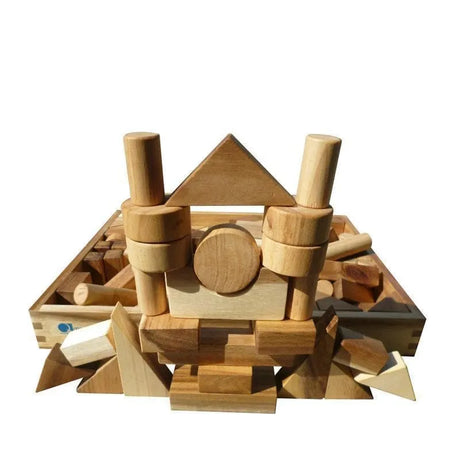
wooden blocks for kids building towers and structures

Natural or Coloured Wooden Blocks?

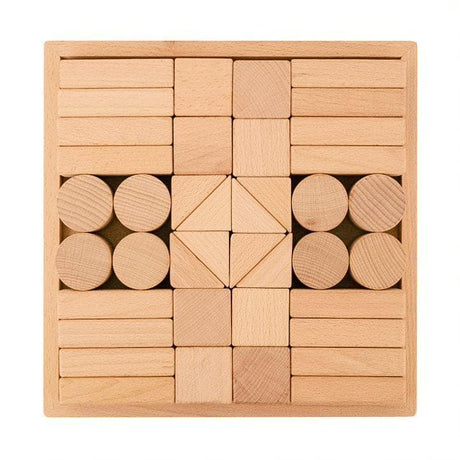
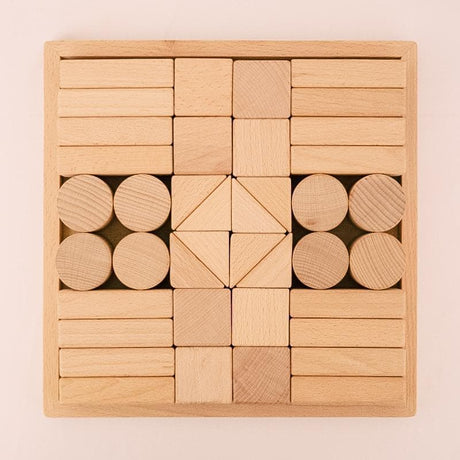
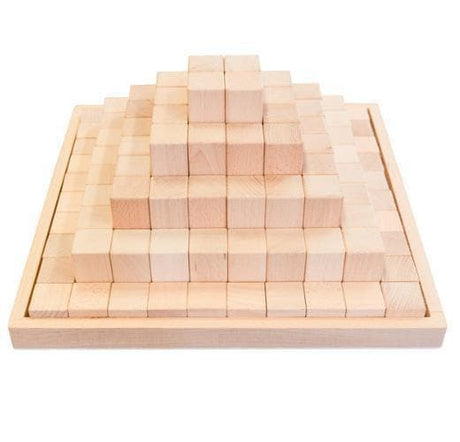
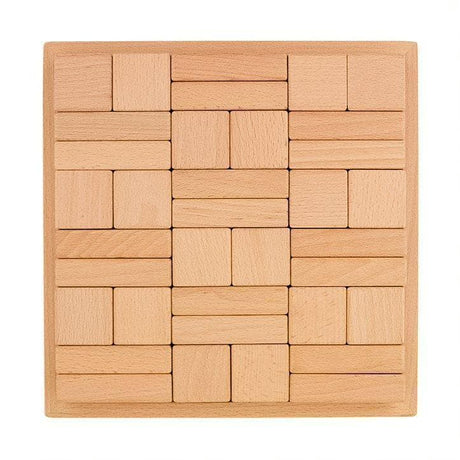
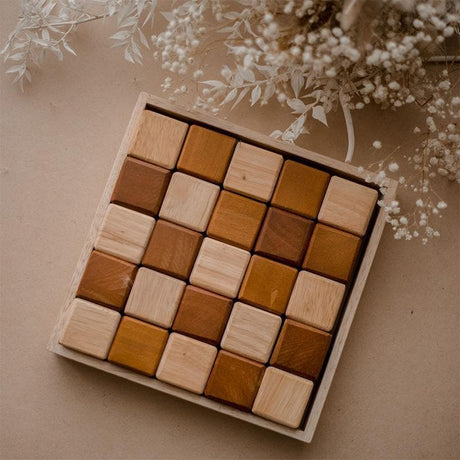
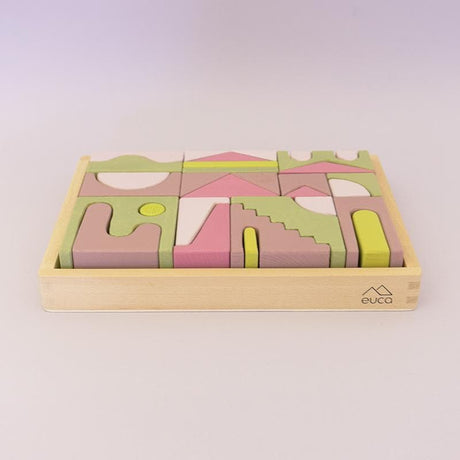
This one genuinely divides families, and after weighing both we don't think either is better — they simply encourage slightly different thinking. Parents who prefer natural timber usually want the blocks to become anything: without colour, a child stops saying "the blue block" and starts saying "the bridge," "the roof," "the fence," so function matters more than appearance. Many Montessori-inspired families also like how natural timber blends with other open-ended materials like loose parts and doesn't visually dominate the play space.

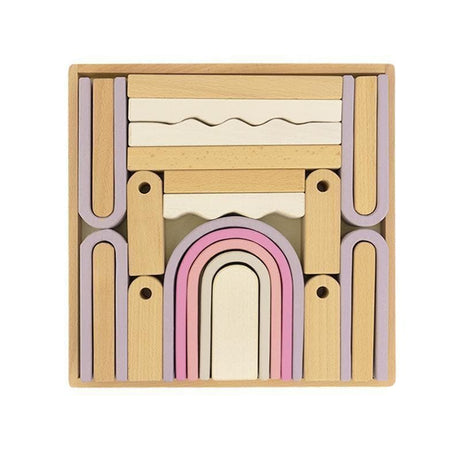
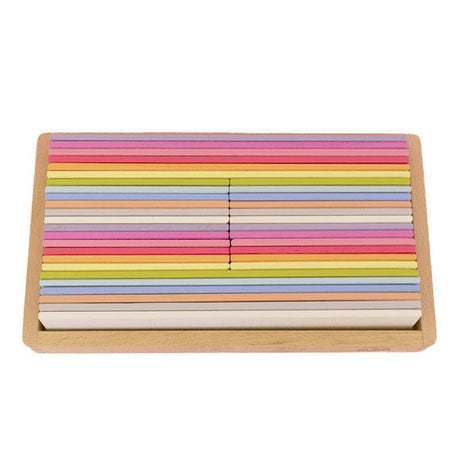
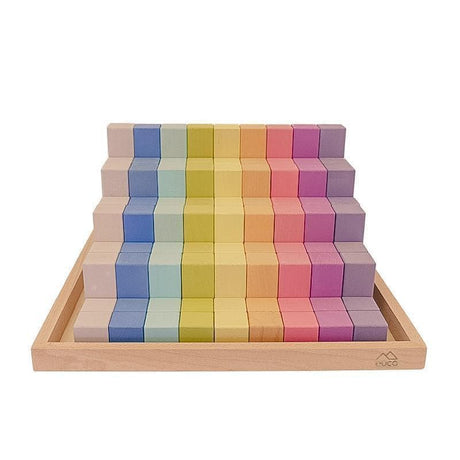
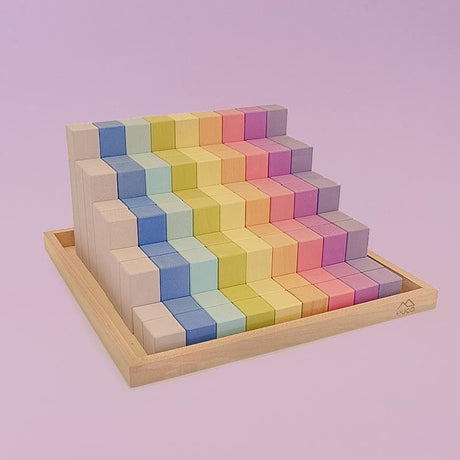
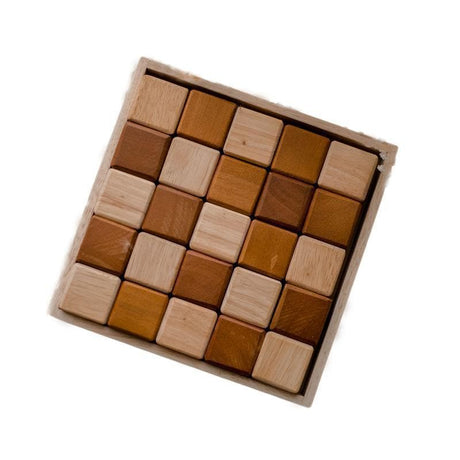
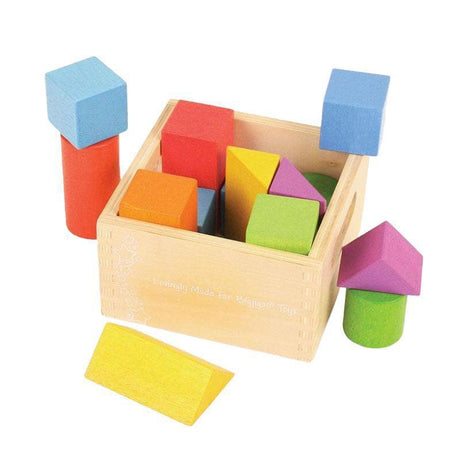
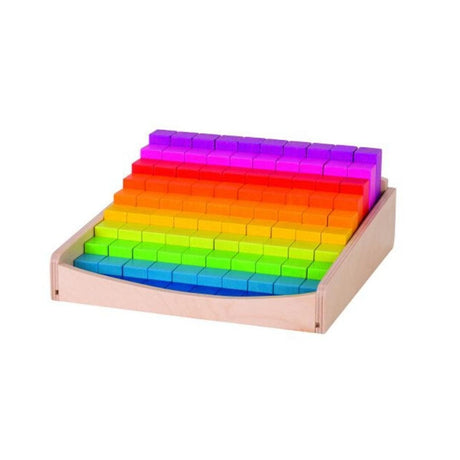
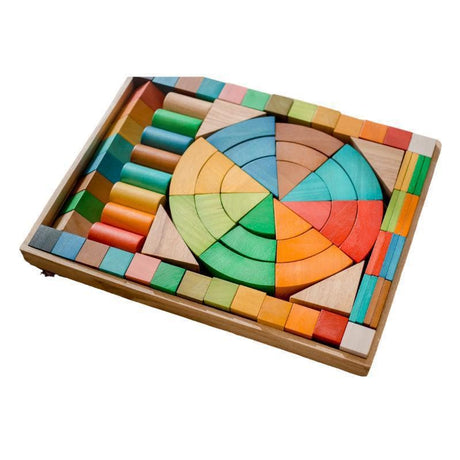
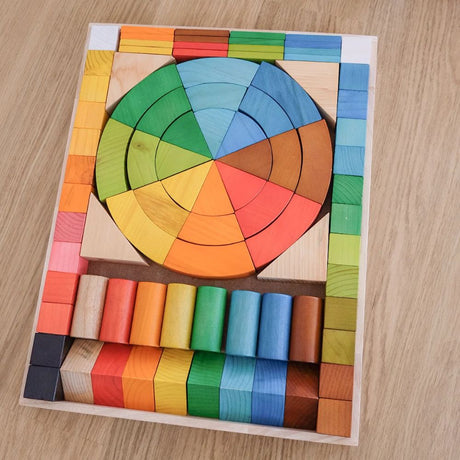
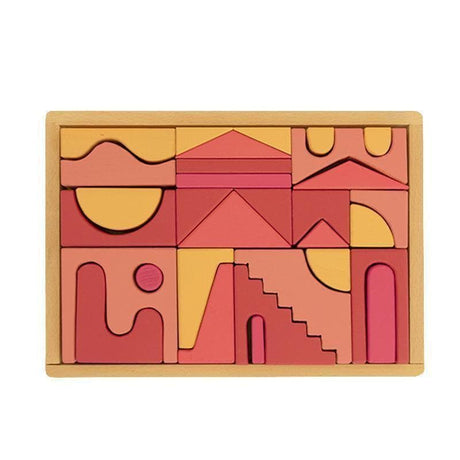
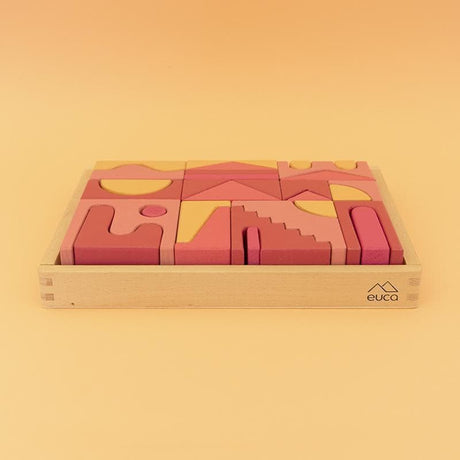
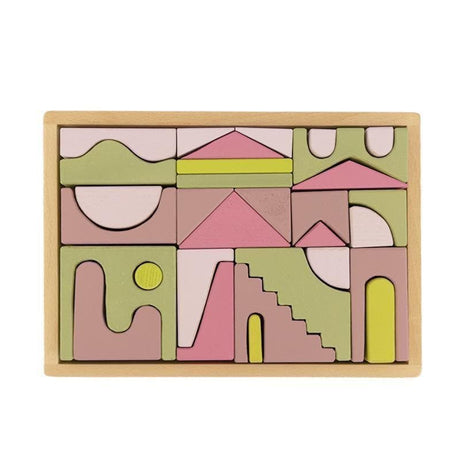
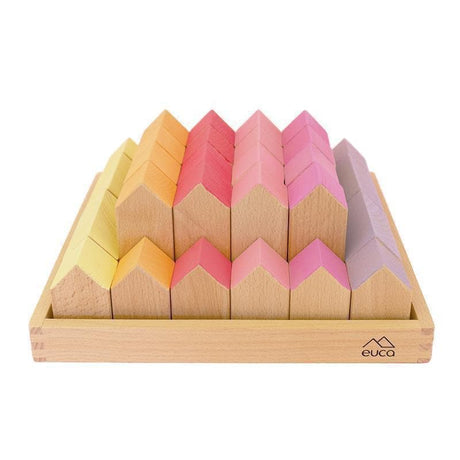
Parents who prefer coloured blocks often simply find them more inviting, and the colours naturally inspire patterns, rainbows, sorting and colour-matching — children also use colour intentionally in storytelling ("the red house belongs to the dragon"), so it becomes meaningful rather than just decorative. In short: natural blocks nudge children toward structure, function and story; coloured blocks draw attention to pattern, contrast, symmetry and design. Plenty of families eventually own both, and our range includes natural and coloured sets so you can choose whichever suits how your child likes to build — or mix the two.

Start here

Choosing the Right Wooden Block Set

Variety matters more than quantity — a thoughtfully shaped set of 40 builds richer play than 150 identical cubes.

Lean to large / natural if:

It's for a toddler building big and knocking down
You want blocks that blend with open-ended play
You value structure, function and story over colour

Lean to smaller / coloured if:

Your child builds detail — windows, stairs, furniture
You want colour for patterns, sorting and storytelling
Fine motor skills and patience are growing
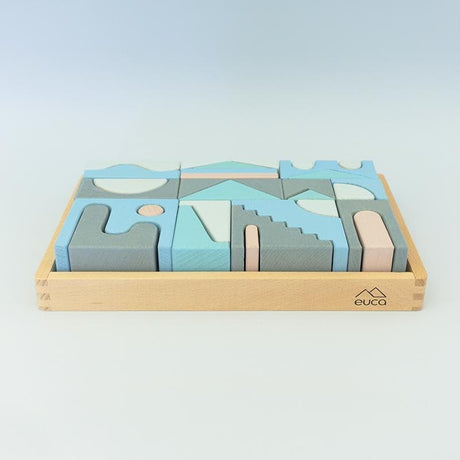
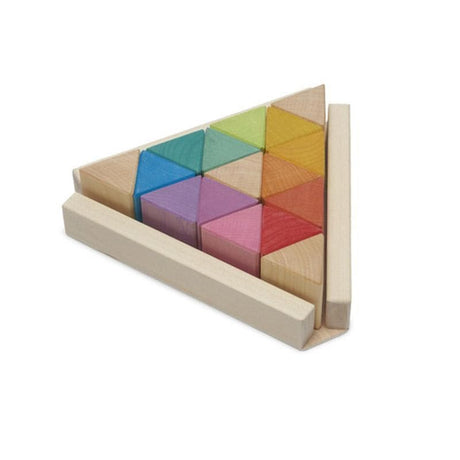
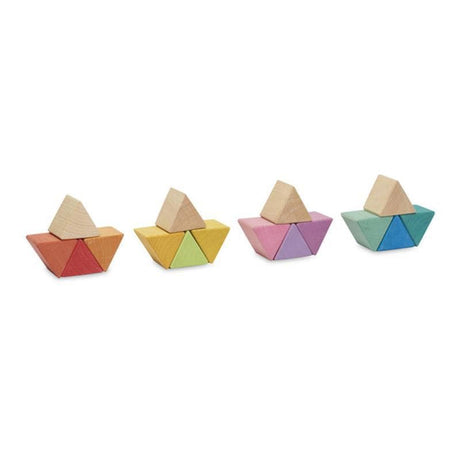
Look for varied shapes (arches, cylinders, planks, triangles), a reassuring weight, and precision cutting so pieces line up — that's what makes ambitious building possible and keeps a set in play for years.

Why Families Choose Our Wooden Blocks

Natural & coloured sets, large and small — chosen for variety, not just quantity

Precision-cut so pieces line up and towers stay stable

Own-brand sets come with our 2-year warranty & 30-day guarantee

Dispatched from Melbourne — NDIS registered provider

What Makes a Great Wooden Block Set?

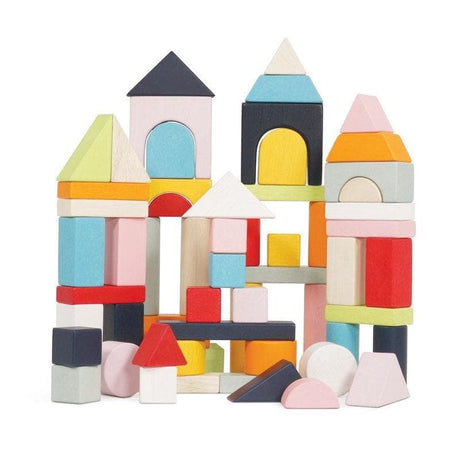
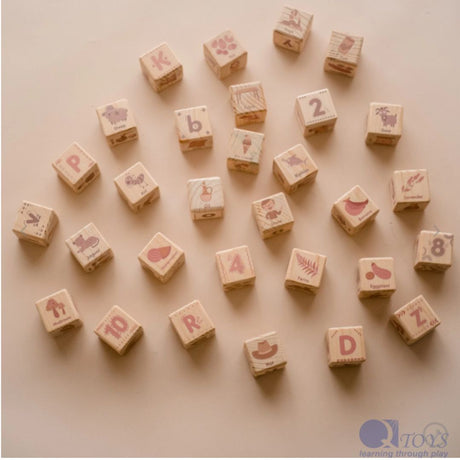
After reading hundreds of reviews, the same qualities separate a great wooden block set from a frustrating one — and "how many pieces" isn't top of the list. Variety matters more than quantity: a thoughtfully chosen set of around 40 shapes creates richer play than 150 identical cubes, because arches, cylinders, long rectangles and triangular prisms dramatically expand what a child can build. Weight matters too — blocks should feel substantial enough to build stable structures, but not so heavy that young children can't manipulate them independently.

Precision is a surprisingly common deal-breaker: poorly cut blocks create tiny gaps, uneven towers and wobbly buildings, and children notice long before adults do — one reviewer's child grew frustrated because "nothing lined up properly." Good blocks disappear into the play because they simply fit. Open shapes beyond plain cubes — arches, columns, triangles, half circles, long planks — spark far richer building. And the best sets last for years: the most touching feedback comes from families on their second or third generation with the same blocks. These are the things we look for in the sets we stock.

What Parents Really Hope Wooden Blocks Will Teach

Underneath every block-play discussion is the same emotional thread, and it's not about memorising shapes. Parents are hoping their child discovers a handful of feelings that last well beyond childhood: "I can make something from nothing," "I can fix it," "I can try again," "I don't need instructions," "I thought of that myself." Those are the quiet wins of open-ended building, and a good set of wooden blocks delivers them over and over without anyone setting out to teach a lesson.

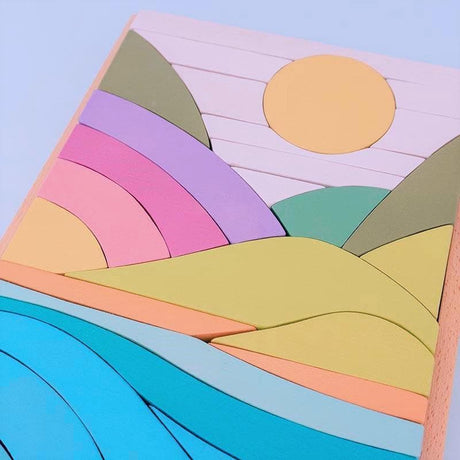
That's ultimately why blocks have outlasted almost every other toy. They don't tell a child what to make or how to make it — they simply adapt to whatever the child is imagining that day, then start fresh tomorrow. If you're building an open-ended collection, wooden blocks are the natural foundation, and they sit alongside the rest of the building blocks range beautifully. Add building boards and wooden rainbows and the same blocks reach further still — into multi-level houses, bridges and worlds a child returns to for years.

Wooden Blocks: One Set, Every Stage of Imagination
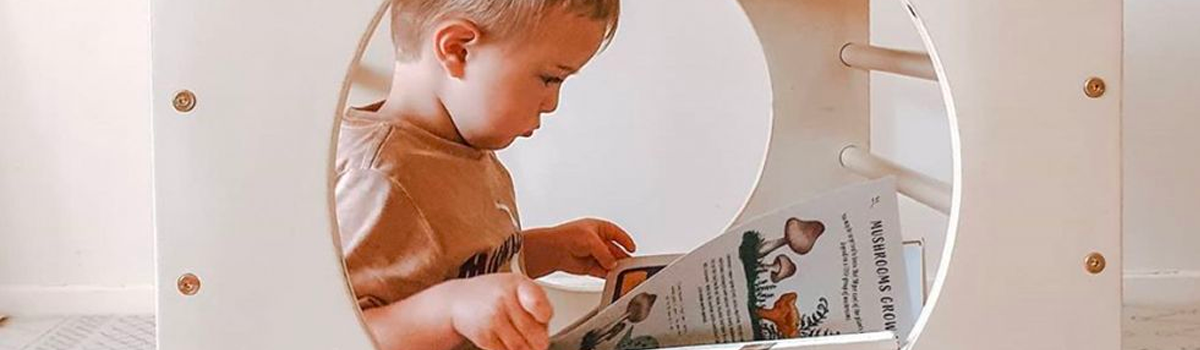
The block never changes; the child does. That's the quiet magic of wooden blocks — the same set is a tower to topple, a stable for the horse, a bakery counter and the support for a marble run, adapting to every stage of a child's imagination rather than being outgrown. They aren't a set of shapes so much as a material that becomes whatever's needed today.

Explore the range above — natural or coloured, large or small — and pair your blocks with peg dolls, wooden rainbows, building boards and loose parts so your child has both the bricks and the world to build with them. For the wider family, our building blocks range brings it all together.

Frequently asked questions
Do your wooden blocks come with a warranty?

Our range is a mix of our own-brand wooden blocks and carefully chosen third-party sets. Our own-brand sets come with our 2-year warranty and 30-day satisfaction guarantee; third-party sets carry their own brand's terms, which are noted on the product page. Whichever you choose, we select for the things that matter in block play — varied shapes, a good weight, precision cutting and durability — so the set lasts through years of building.

Do wooden blocks help children learn?

Yes, though it never feels like learning. Children discover structural ideas through trial and error — that strong isn't always tall, that wider or balanced can work better than higher — and maths appears naturally as they arrange patterns, build symmetrically and match shapes, no worksheets required. Block play also develops planning, problem-solving, language and cooperation, and gives a lovely window into how your child thinks as they talk themselves through each decision.

Are wooden blocks worth it compared to other toys?

In our experience they're one of the best-value toys you can buy, precisely because they're never 'finished'. The same set adapts from toddler stacking to school-age engineering, and rather than sitting in their own basket they get borrowed by dinosaurs, peg dolls, train tracks, marble runs and loose parts — they're infrastructure for play, not a single-use toy. A toy that stays in regular play for the better part of a decade, and is often passed down, earns its place many times over.

What makes a great wooden block set?

Variety matters more than quantity — a thoughtfully shaped set of around 40 pieces (arches, cylinders, planks, triangles) builds richer play than 150 identical cubes. Look for a reassuring weight (stable but manageable for small hands), and precision cutting so pieces line up — poorly cut blocks create gaps and wobbly towers that frustrate children. Open shapes beyond cubes spark the richest building, and a quality set should last for years. These are the qualities we look for in the sets we stock.

Natural or coloured wooden blocks — which is better?

Neither is better; they encourage slightly different thinking. Natural timber blocks nudge children toward structure, function and story — without colour, a child says 'the bridge' rather than 'the blue block' — and they blend beautifully with other open-ended materials. Coloured blocks are often more inviting and naturally inspire patterns, sorting, symmetry and intentional storytelling ('the red house belongs to the dragon'). Many families own both. Our range includes natural and coloured sets so you can choose what suits how your child builds.

Should I buy large or small wooden blocks?

Most experienced parents eventually recommend both, because they do different jobs. Large wooden blocks let children build big worlds quickly — forts, towers, obstacle courses — and are easier for toddlers to balance, which builds confidence early. Smaller blocks change the style of play toward detail: windows, staircases, furniture, bridges and marble-run supports, often becoming favourites as fine motor skills grow. If you're starting out, larger blocks suit younger children; smaller sets suit growing precision and patience.

What age are wooden blocks for?

Wooden blocks suit an exceptionally wide age range, which is why they're such good value. From around 12–18 months children enjoy handling, stacking and knocking down; two to three year olds solve basic building problems; four to six year olds build elaborate connected worlds; and school-aged children get genuinely ambitious. The same set keeps being useful for years because the child sets the complexity. Always check the recommended age, especially for the youngest children and any smaller pieces.

What can children build with wooden blocks?

Almost anything, which is the point. Younger children stack, topple and carry them; by three they build towers, tunnels, bridges and simple houses; by four to six they're making villages, castles, airports, train stations and rescue headquarters; and at school age they attempt suspension bridges, skyscrapers and marble-run supports. Children also build the details — beds, tables, furniture for peg dolls — not just big structures. There's no correct answer, so four children with identical blocks will build four completely different things.