Click & Collect or 24hr Dispatch*

15% Off Sitewide & Clearance*

EOFY15
Wooden Rocking Toys Built For Years Of Play

Rocking Toys For Toddlers & Kids

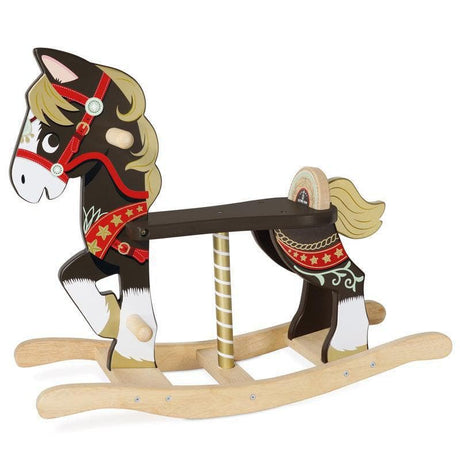
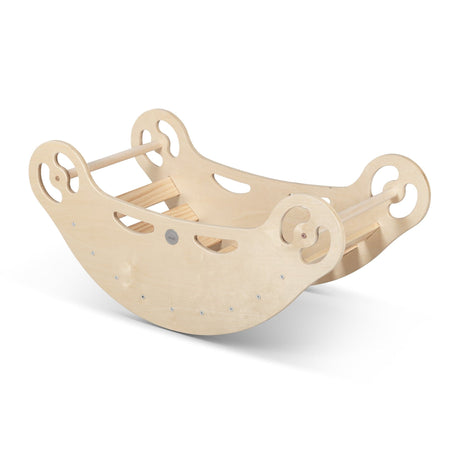
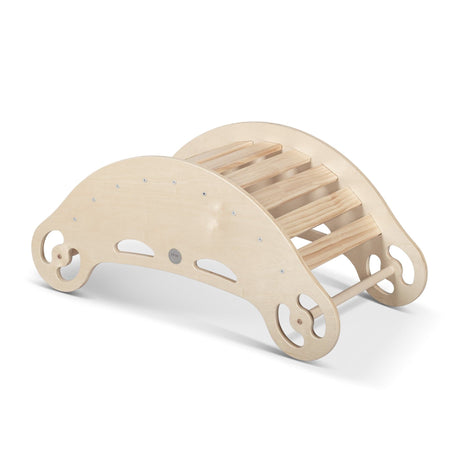
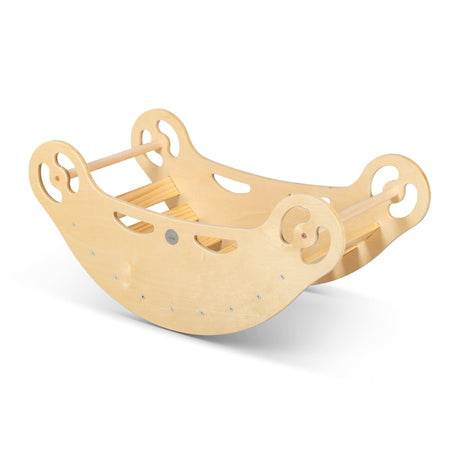
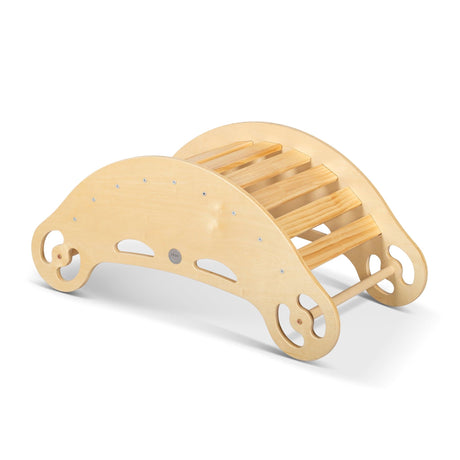
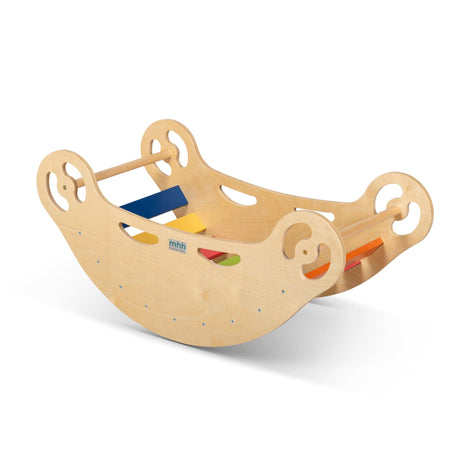
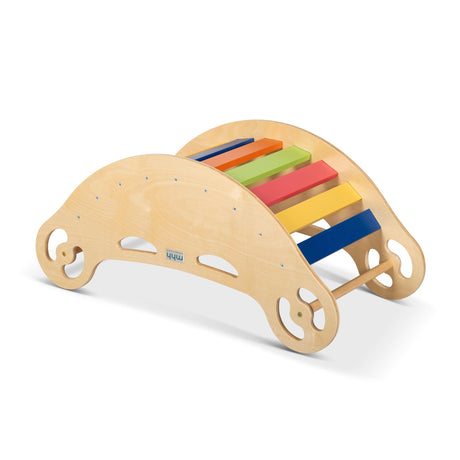
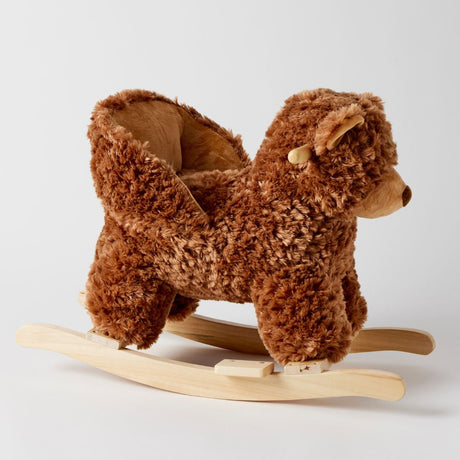
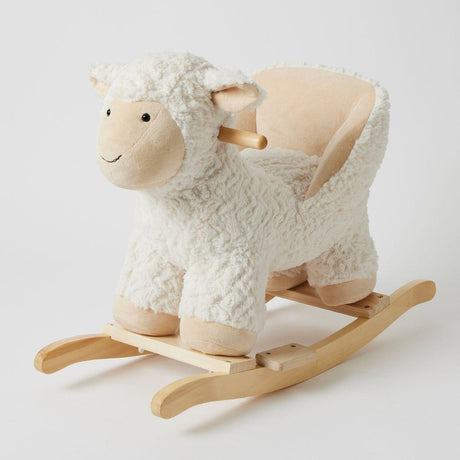
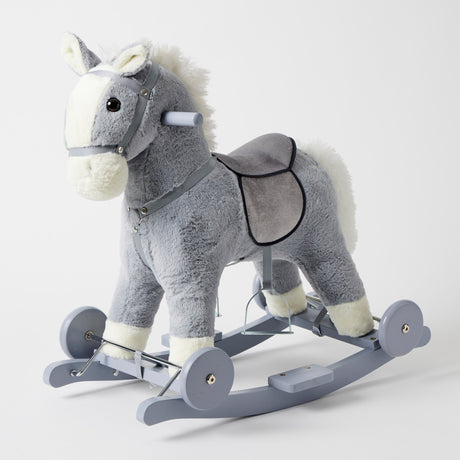
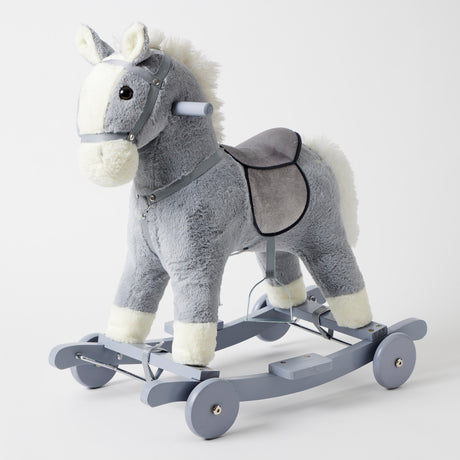
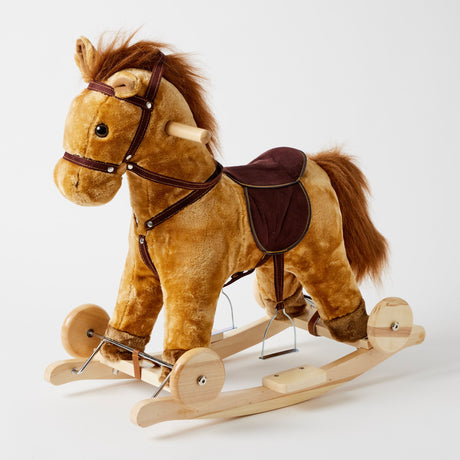
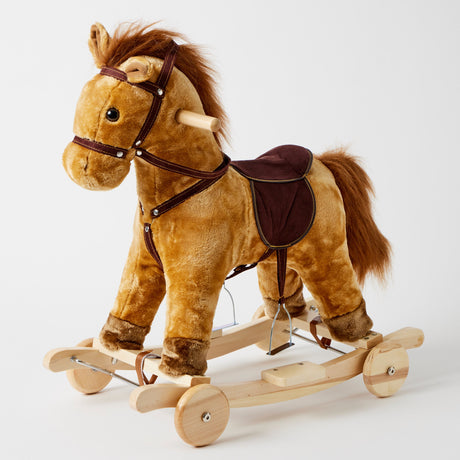
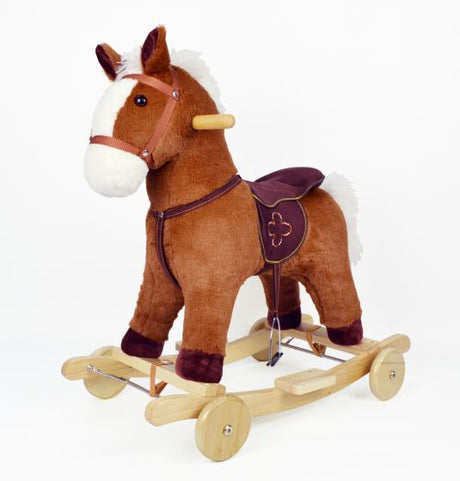
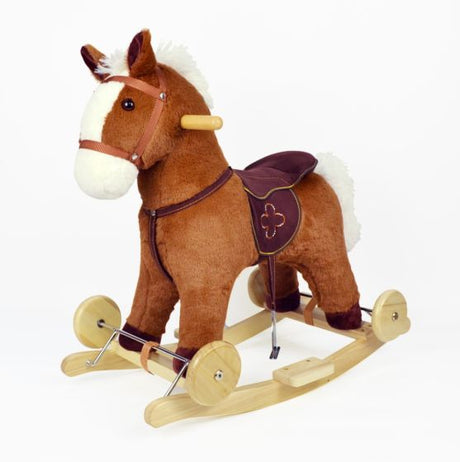
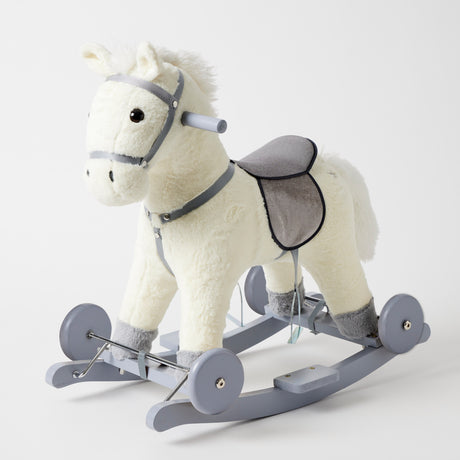
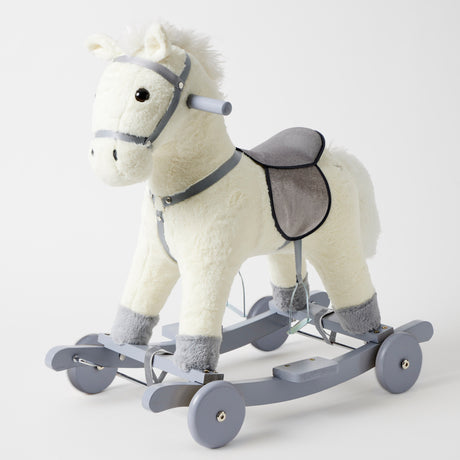
A rocking toy is the one some children come back to again and again - not to get anywhere, but because the movement itself feels good. It might sound odd coming from someone who sells them, but children don't become attached to a rocking toy because it looks like an animal. They become attached because rocking quietly becomes part of how they play: forward, back, forward, back, while they sail across an ocean or travel to Grandma's house. Our wooden rocking toys and rocking animals are built for exactly that - smooth, steady movement that fades into the background while the story takes over. This page is about how rocking toys are actually used, which child they suit, and how to choose one that lasts.


Wooden Rocking Toys, Rocking Animals & Rockers For Kids

A good rocking toy does more than entertain - it gives a young child one of the first ways they can create movement entirely by themselves. Our range of wooden rocking toys, rocking animals and toddler rockers is built around smooth, predictable movement a child can control: lean a little further, slow down, speed up, stop, begin again. Rocking is different from every other kind of movement a child seeks - it has a rhythm to it, and once a child discovers they can make that rhythm themselves, they keep returning to it. Below we walk through why rocking toys stay relevant far longer than people expect, which child they suit, and why the smoothness and stability of the rocker matter more than which animal it happens to be.

Rocking Toys Rocking Animals Wooden Rockers Toddler Rockers

One Of The First Times A Child Creates Their Own Movement

Before a toddler can climb confidently, ride a balance bike or pedal a trike, a rocking toy offers something quietly exciting: they can make themselves move. Not because an adult is pushing them, not because someone is carrying them - because they can shift their own body forward and back and create the movement themselves. That might sound like a small thing, but it isn't. It's one of the first times a child realises they can start movement, control it, stop it and begin again whenever they choose, and that feeling of control is something they return to over and over. It's also why a rocking toy suits younger children so well - it meets them right at the point they're discovering what their own body can do.

Why Rocking Toys Support Imagination, Not Just Movement

Watch a child on a rocking toy for a while and something happens: they almost stop noticing they're rocking at all. They're busy sailing across the ocean, delivering food to a hungry dinosaur, looking after a sick teddy. The movement doesn't interrupt the story - it becomes the background music to it. That's what sets rocking toys apart from other movement toys: the rhythm supports a child's imagination without taking it over. It's also why the specific animal matters far less than people think. Children stop seeing the animal surprisingly quickly - the elephant becomes a boat, the llama becomes a train, the dinosaur becomes an island. The character changes every day; what stays the same is the steady movement underneath the story.

Why Rocking Toys Last Longer Than People Expect

People often assume rocking toys are only for babies and young toddlers, and it's easy to see why - the movement looks simple. But what changes as a child grows isn't the rocking; it's the play. A younger toddler simply enjoys the movement. A preschooler turns the same rocker into a safari adventure. A five-year-old is suddenly captaining a pirate ship. The toy doesn't become more complicated - the child's imagination does. That's why a good wooden rocking toy often stays in the playroom long after people expected it to be outgrown, which is a large part of what makes a well-made one worth it: you're buying years of changing play, not a single stage.

Rocking Duck

Rocking Toys For Babies & Young Toddlers

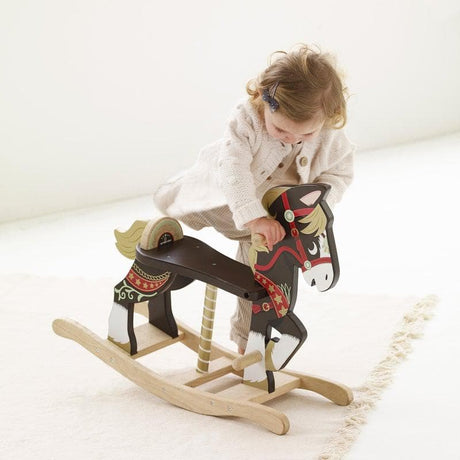
For babies and young toddlers, a rocking toy gives gentle, self-directed movement at exactly the age a child is learning they can move their own body. As a general guide, younger children do best with a low, stable rocker and supervision while they learn to climb on and balance, and with the freedom to set their own gentle rhythm rather than being rocked. A steady wooden rocker a child can get on and off by themselves builds confidence fastest, and the calm, predictable movement is often soothing as well as fun.

Rocking Animals For Imaginative Play

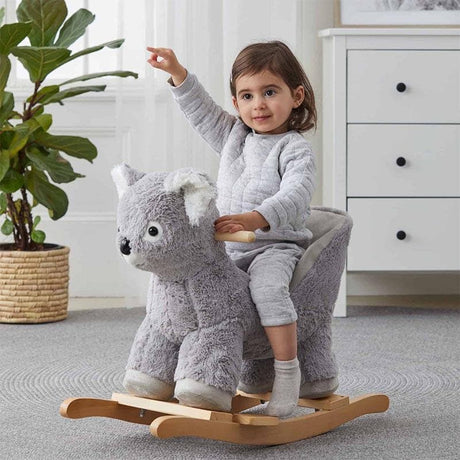
As children grow, a rocking animal becomes less about the movement and more about the story it carries. The same rocker that soothed a baby becomes a boat, a train, an island or a trusty companion on an adventure, and the rocking simply keeps the story moving. This is where a rocking toy earns its place for years rather than months - it grows with a child's imagination, and the steady, self-controlled movement works just as well for a preschooler's safari as it did for a toddler's first gentle rock.

Find The Right Rocking Toy

Which Rocking Toy Should You Choose?

The best rocking toy depends on your child's age and how they like to move. Here's the quick way to decide.

Choose A Gentle Rocker If Your Child:

Is a baby or young toddler
Is soothed by gentle, rhythmic movement
Is learning to move their own body
Needs a low, stable rocker to climb on alone

Choose A Rocking Animal For Imaginative Play If Your Child:

Is a toddler or preschooler who tells stories
Turns everything into an adventure
Will use it for years of changing play
Loves a companion to rock and imagine with
If you're unsure, a stable wooden rocker with smooth movement suits most children - soothing for a baby, and an adventure for a preschooler. Choose for smoothness and stability over the animal, and one rocking toy does years of work.

Why Families Choose Our Wooden Rocking Toys

Smooth, Steady Movement A Child Can Trust

Solid Timber, Built For Years Of Play

Grows From Baby Soothing To Imaginative Adventures

What To Look For In A Rocking Toy

When you're choosing a rocking toy, the things that matter most are easy to miss in a photo, and they're what we look at before we stock one. Children don't need dramatic movement - they need movement they can trust. When a rocking toy feels smooth and predictable, a child quickly learns how leaning further or sitting back changes the rhythm, which is what gives them the confidence to keep playing. Stability comes first: children use a rocker in ways adults rarely picture - climbing on from the side, leaning over the front, rocking with an armful of soft toys, sitting backwards - so a steady base that won't tip matters far more than how fast it rocks. Then build quality and finish: a well-made timber rocker is designed for daily, energetic, imaginative use, not for looking perfect in a photo, and it's the smoothness and sturdiness that decide whether you buy once or twice.

When A Rocking Toy Isn't The Right Choice

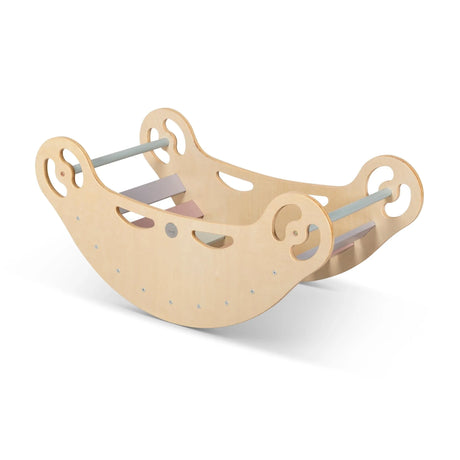
It's worth being honest that a rocking toy isn't right for every child. Some children seek bigger, more active movement - climbing, spinning, balancing - and a gentle rocker won't give them the stronger input they're after; for those children a balance board, a spinning chair or a wobble chair tends to suit better. A rocking toy is specifically for the child drawn to rhythm and gentle, self-directed movement, often a younger child or one who likes to move while they imagine and tell stories. If your child rarely settles into that kind of quiet, rhythmic play, the movement they do seek is the better place to spend. Start from how your child already moves, and the right piece becomes clear.

Choosing A Rocking Toy: The Short Version
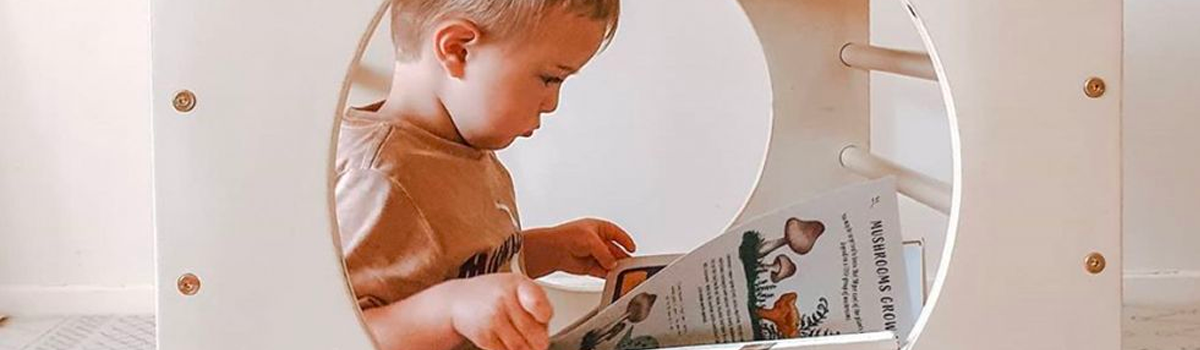
In short: a wooden rocking toy gives a young child one of their first chances to create and control their own movement, and it lasts because the play grows even though the rocking doesn't. Don't spend long on which animal it is - children stop seeing the animal quickly and turn it into a boat, a train or an island anyway. Choose instead for smooth, predictable movement and a stable, well-made base a child can climb on, lean over and trust. The best rocking toys aren't the ones a child rides once; they're the ones that quietly move alongside childhood, year after year, while the stories keep going.

Frequently asked questions
What is the difference between a rocking toy and a ride-on?

A rocking toy stays in one place and moves with a back-and-forth rhythm a child controls by shifting their body - it's about gentle, repetitive movement and imaginative play. A ride-on travels across the floor and is more about getting somewhere and building gross-motor skills. A child drawn to soothing rhythm suits a rocker; a child who wants to move around the room suits a ride-on.

Do children grow out of rocking toys quickly?

Less quickly than most people expect. The rocking looks simple, so it's easy to assume it's only for babies - but what changes as a child grows is the play, not the movement. A toddler enjoys the rock; a preschooler captains a pirate ship on the same rocker. A good rocking toy often stays in the playroom for years because the child's imagination keeps finding new uses for it.

Are wooden rocking toys better than plastic ones?

A well-made wooden rocking toy tends to offer smoother, more stable movement and a sturdier base, which matters because children use rockers hard - climbing on from the side, leaning over the front, rocking with soft toys. Timber also lasts through years of energetic play and changing imaginative use. The key isn't timber for its own sake; it's the smoothness and stability quality construction gives you.

Can rocking toys help autistic children?

For some children, yes. The predictable, repetitive rhythm of rocking can be calming and regulating for children who seek that kind of gentle movement, including some autistic children and children with sensory needs. As with anything sensory it's individual - some children love it, some don't - so it's best seen as one option for a child who's already drawn to rhythmic movement.

Are rocking toys good for sensory development?

For many children, yes. The gentle rhythmic movement provides soothing vestibular input that a lot of children find calming and regulating, which is why rocking is often one of the first movements babies are settled with. For a child who seeks gentle, repetitive movement, a rocking toy offers that input in a self-directed way they control themselves.

What age are rocking toys suitable for?

As a general guide, rocking toys suit children from around the time they can sit steadily with support, through to preschool age and often beyond. Younger babies and toddlers enjoy the gentle movement; older children turn the same rocker into imaginative adventures. A low, stable rocker with supervision suits the youngest children, and the play simply changes as they grow rather than the toy being outgrown.

What are rocking toys good for?

A rocking toy gives a young child gentle, self-directed movement - one of the first ways they can create and control movement on their own. Beyond that, the steady rhythm supports imaginative play: children quickly stop noticing the rocking and turn the toy into a boat, a train or an adventure. It's calming, it's good for early balance and body awareness, and it grows with a child's imagination.