Click & Collect or 24hr Dispatch*

Movement, Balance & Vestibular Sensory Play

Helping Children Who Constantly Seek Movement Understand Their Bodies Through Play


Some children seem to be in motion all day. They spin in circles, rock on furniture, balance on edges, tip chairs backwards or seek opportunities to move whenever they can. Vestibular play focuses on movement experiences that help children understand where their bodies are in space and how they move through the world around them.

Start here

Different movement toys support different sensory needs. Some children seek spinning movement, others need calmer rocking input, while some constantly wobble, balance, or crave active whole-body movement throughout the day.

If your child regulates more through touching, squeezing, fidgeting, or tactile sensory play rather than movement, tactile sensory toys may be a better fit.

View as

Why Some Children Constantly Seek Movement

Movement is one of the main ways many children regulate their body, attention, emotions, and sensory needs throughout the day. Some children constantly rock, spin, wobble, pace, climb furniture, tip chairs, or seek active physical play because movement gives their body sensory feedback that feels organising, calming, engaging, or physically satisfying.

Not all movement-seeking behaviour looks the same. Some children seek fast spinning movement, while others prefer slow rocking, balancing challenges, active seating, or whole-body movement play. Understanding how your child naturally moves can make it easier to choose movement toys that feel supportive rather than overwhelming.

This section helps break movement play into clearer categories so parents can identify which type of vestibular or balance movement input their child is most drawn to during everyday play, learning, calm-down routines, or active indoor movement.

Spinning & Rotation Balance & Body Awareness Active Seating Movement Whole-Body Movement
Constant Spinning

“They spin, twirl, and rotate constantly.”

Some children naturally seek rotational movement through spinning themselves, turning in circles, twisting in chairs, or constantly moving their body in circular motion. Spinning movement toys provide more purposeful ways to explore vestibular sensory input while helping children engage with movement in a safer and more controlled way indoors.

Spinning Chairs
Can’t Sit Still

“They wobble, tip chairs, and move constantly while seated.”

Children who bounce their legs, lean back on chairs, rock while sitting, or struggle to stay physically still during meals, homework, or learning often seek movement even during seated activities. Active seating and wobble chairs provide gentle movement input while helping children remain engaged in table-based routines.

Wobble Chairs
Needs Calmer Movement

“They settle best with slower rhythmic movement.”

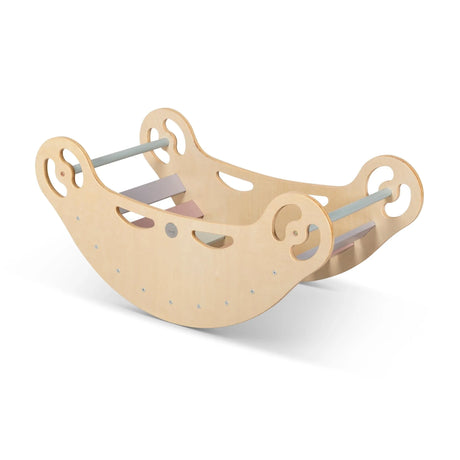
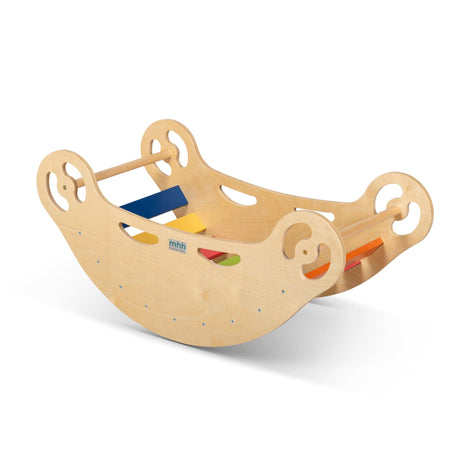
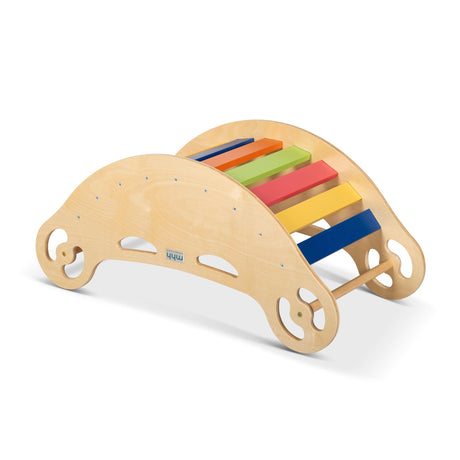
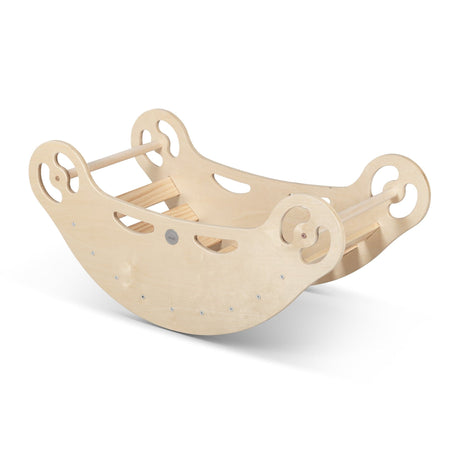
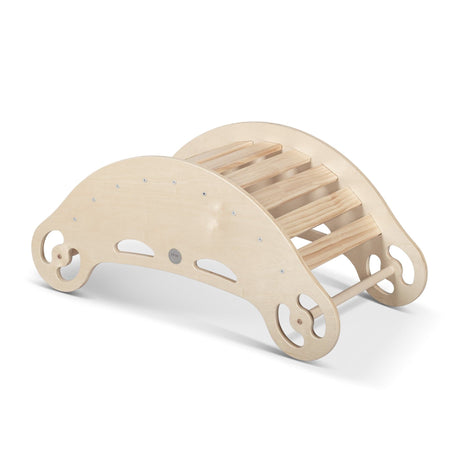
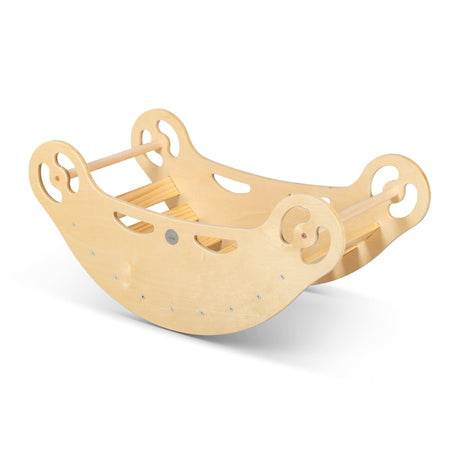
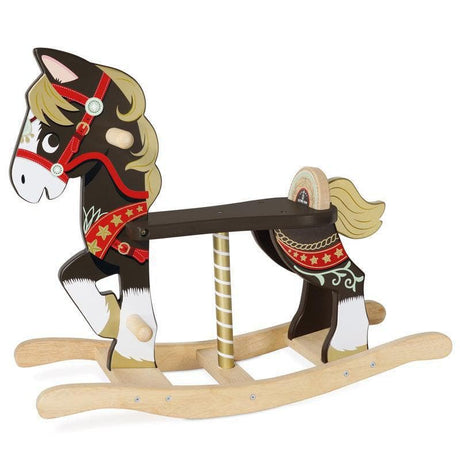
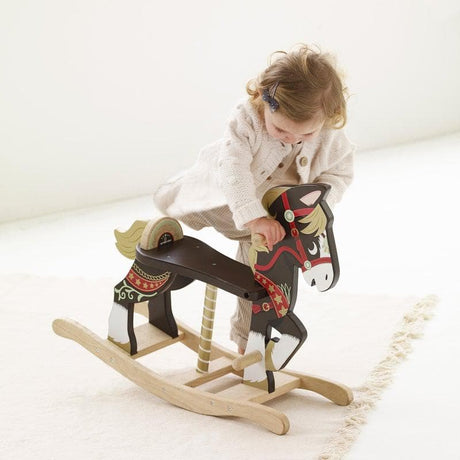
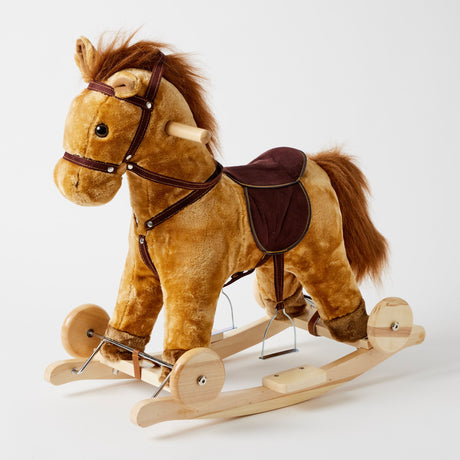
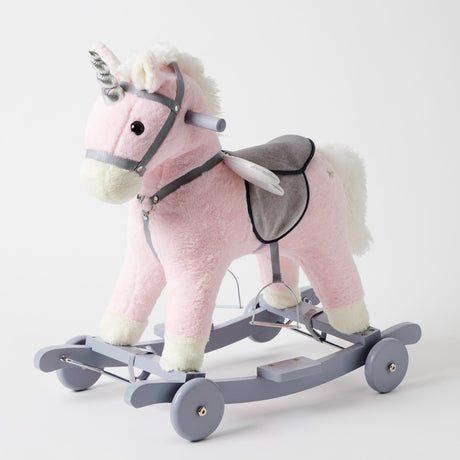
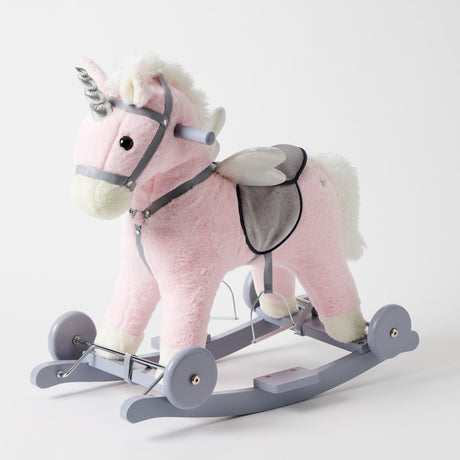
Some children naturally regulate through repetitive rocking, swaying, or slower back-and-forth movement patterns that feel calming and predictable. Rocking toys can help support quieter vestibular sensory play while creating movement experiences that feel less intense or overstimulating.

Rocking Toys
Always Moving

“They need active movement to get energy out.”


Some children constantly jump between furniture, create obstacle games, pace indoors, or seek active physical movement throughout the day. Whole-body movement toys help channel that energy into more purposeful indoor movement play that supports coordination, body awareness, and sensory regulation.


Movement Toys
Movement Isn’t The Only Sensory Need

Some Children Regulate More Through Touch Than Movement

Not every sensory-seeking child craves spinning, balancing, or active movement. Some children regulate more through squeezing, fidgeting, stretching, texture exploration, or repetitive hand-based sensory play. If your child constantly picks, taps, squeezes, twists, or seeks tactile sensory input through their hands, tactile sensory toys may feel more calming and supportive than movement-based sensory play.

Movement Seeking Is Often A Child's Way Of Understanding Their Body
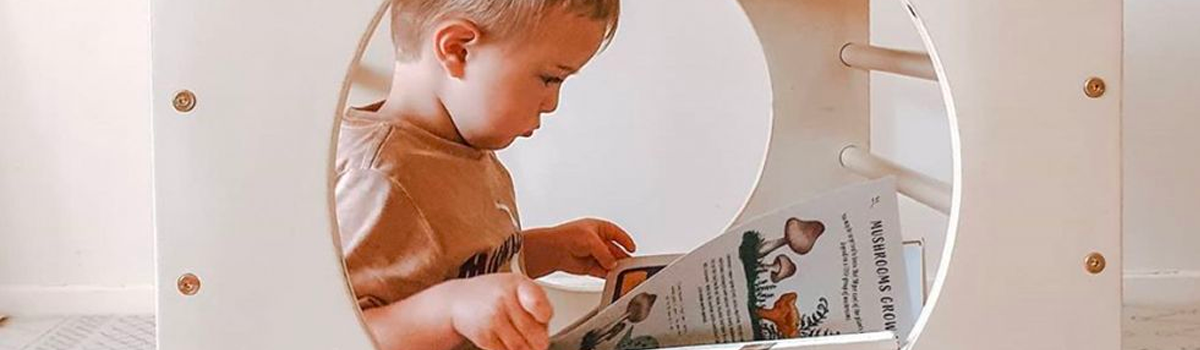
Children experience movement differently. Some seek opportunities to spin, others constantly balance, while many look for movement throughout everyday activities without even realising it. These behaviours are often less about being disruptive and more about how a child experiences and responds to their environment.

Understanding the type of movement your child naturally seeks can help reduce frustration and make everyday experiences easier to navigate. Not every child needs the same sensory experiences, and there is no single approach that suits everyone.

The goal is not to stop children moving. It is to better understand the types of movement that help them feel comfortable, organised and ready to engage with the world around them.