Click & Collect or 24hr Dispatch*

15% Off Sitewide & Clearance*

EOFY15
Helping Children Understand Movement, Construction And How Things Work Through Pretend Play

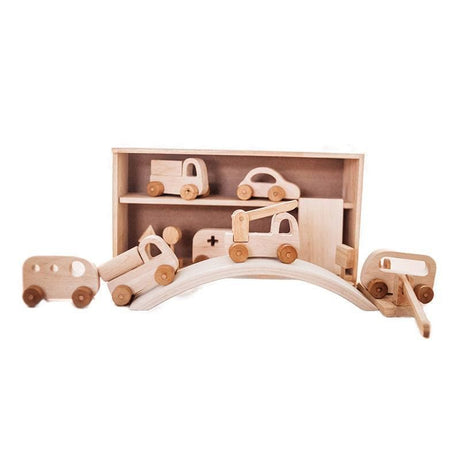
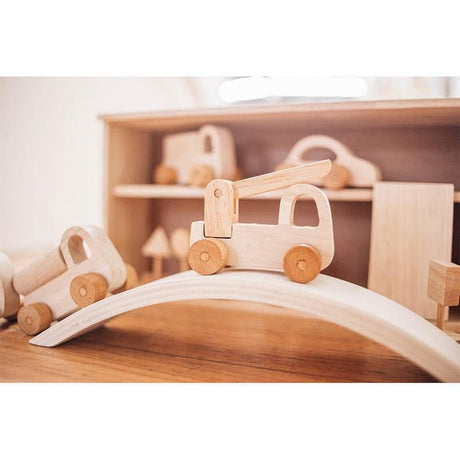
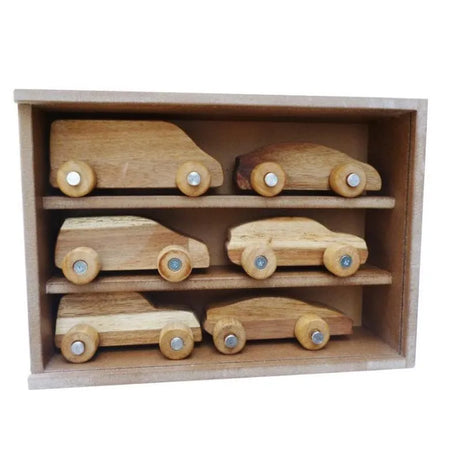
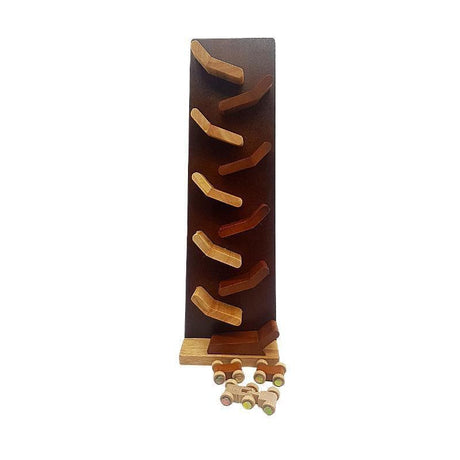
Vehicle & Worksite Play

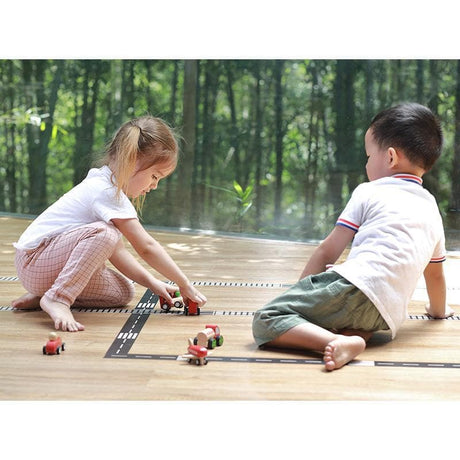
Some children are endlessly fascinated by the way things move. They create roads across the living room, build transport networks through the house, move objects from place to place and turn everyday spaces into construction sites. Vehicle and worksite play helps children make sense of movement, transport, building and adventure through imaginative play and storytelling.

Start here

Children who love vehicles are not all interested in the same things. Some are fascinated by movement and transport, while others are drawn to construction, routes, systems or adventure stories.

Understanding what captures your child's attention can help you identify the type of vehicle play they are most likely to return to again and again.

View as

Children Often Learn Through Movement And Systems

Vehicle play is rarely just about the vehicle itself. Many children become fascinated by where things go, how they connect and what happens when objects move from one place to another. Some create detailed construction sites, others build elaborate train networks, while many spend hours designing roads, tracks and transport systems. Through play, children begin making sense of movement, construction and the everyday systems they see operating around them.

Movement & Adventure Routes & Systems Construction Stories Transport Play
Sometimes The Story Matters More Than The Machine

Many Vehicle Lovers Also Create Rescue And Community Helper Stories


Some children are drawn to the jobs and people behind the vehicles rather than the movement itself. Rescue play focuses on firefighters, police officers, paramedics and community helpers responding to real-world situations.

Vehicle Play Is Often About Understanding How The World Connects

Children who are drawn to vehicles often notice patterns, movement and systems that adults take for granted. They watch roads, trains, construction sites and transport networks operating around them and begin recreating these experiences through play.

Some children focus on construction and building, while others become fascinated by routes, journeys and how different parts connect together. These interests simply reflect the aspects of the world that currently feel most interesting and meaningful to them.

There is no right way to engage in vehicle and worksite play. Whether your child is creating roads, building train networks, transporting cargo or constructing an entire worksite, these experiences help them make sense of movement, connection and the systems that shape everyday life.

Frequently asked questions

Questions parents often ask

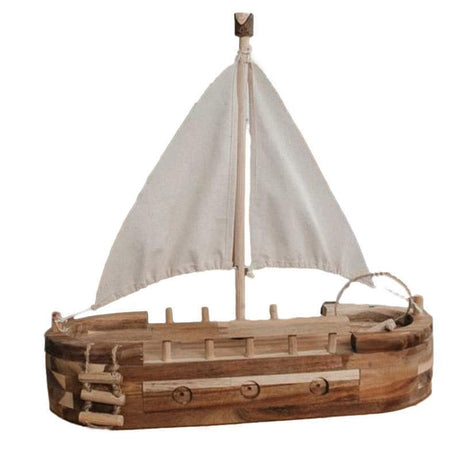
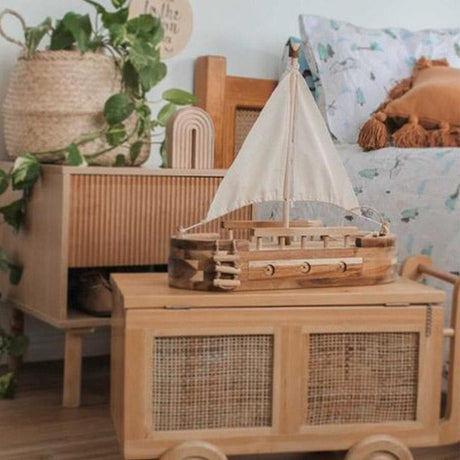
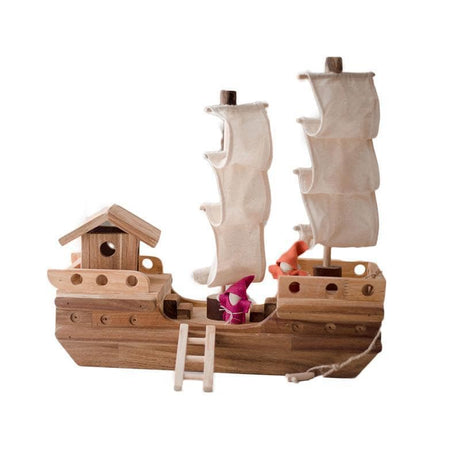
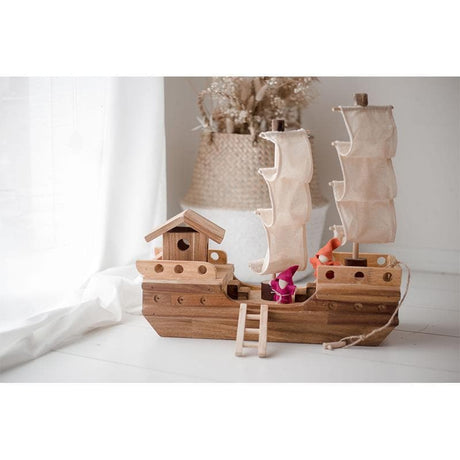
Why Do Pirate Ships Fit Within Vehicle Play?

Although pirate ships are often associated with adventure stories, they still represent journeys, transport and exploration. Like trains, trucks and cars, pirate ships move people and goods from one destination to another. The difference is that the journey itself often becomes a larger part of the story.

Many children who enjoy vehicle play are also fascinated by travel and adventure. Pirate ships allow them to create routes, discover destinations and build stories around exploration rather than construction or transport systems.

These experiences often combine movement with imaginative storytelling. Children may create islands, hidden treasure locations or sea voyages while still engaging with the same underlying themes of travel and connection that appear throughout vehicle play.

This makes pirate ships a natural extension of the broader vehicle and journey-based stories many children enjoy creating.

Why Do Some Children Spend Hours Watching Vehicles Move?

Many children are fascinated by movement itself. Watching vehicles travel along roads, tracks or pathways provides a sense of predictability and cause-and-effect that can feel highly satisfying. The movement is purposeful, easy to follow and often repeatable.

Some children become interested in speed and direction, while others focus on how vehicles interact with the environments around them. Car tracks, train routes and transport systems provide opportunities to observe movement repeatedly while making small changes and adjustments.

These experiences often allow children to experiment with ideas about distance, pathways and connection without needing complicated storylines. The journey becomes the most interesting part of the play.

For many children, repeatedly watching vehicles move is not a sign of limited imagination. It is simply a reflection of how deeply interested they are in understanding movement and how things work.

Why Do Children Enjoy Train Sets So Much?

Train play offers something many other vehicles do not. Trains travel along fixed routes, connect multiple destinations and operate within a larger transport system. This creates opportunities for children to build complex worlds where everything works together.

Many children enjoy creating stations, tracks, bridges and destinations while deciding how passengers or cargo move between locations. The predictable nature of train travel provides structure, while the possibility of expanding the network encourages creativity.

Train sets also support long-term storytelling. Children can create journeys, connect communities and build transport networks that evolve over time. This combination of order and imagination is particularly appealing to many young children.

For children who enjoy patterns, systems and connections, train play often becomes one of the most engaging forms of vehicle-based play.

What Is The Difference Between Vehicle Play And Rescue Play?

Although they often involve similar vehicles, vehicle play and rescue play focus on different interests. Vehicle play is usually centred on movement, transport, construction and machinery. Rescue play focuses on helping people, solving emergencies and supporting communities.

A child who spends time building roads and moving cargo is typically engaging in vehicle play. A child creating emergency scenarios involving firefighters, police officers or paramedics is participating in rescue play. Both forms of play are valuable, but they reflect different motivations and interests.

Some children move naturally between the two. They may begin with an interest in a vehicle and later create stories about the people who operate it. Others remain focused primarily on transport systems, construction projects or movement itself.

Understanding the distinction can help parents identify which type of play currently resonates most strongly with their child.

Why Do Children Love Construction Vehicle Play?

Construction vehicles represent visible change. Children see roads being repaired, buildings being constructed and earth being moved from one place to another. These activities often appear exciting because they involve large machines performing important jobs.

Through play, children recreate these experiences by building, digging, transporting and repairing. Construction stories provide a clear sense of purpose because there is usually a project to complete or a problem to solve. This structure helps many children remain engaged for long periods of time.

Construction-themed play also allows children to combine movement with creativity. They can create worksites, design projects and imagine how different vehicles contribute to the task. These stories often become increasingly detailed as children's understanding of the world grows.

For many children, construction play is less about the vehicle itself and more about the process of building and transforming something.

Why Do Children Build Roads, Tracks And Transport Systems?

Children often build roads and transport systems because they are trying to recreate patterns they observe in everyday life. Roads connect destinations, train tracks link locations and transport networks allow people and goods to move from one place to another. These ideas naturally capture the imagination of children who are interested in movement and connection.

Creating routes and pathways also allows children to take control of their own miniature world. They decide where vehicles travel, which destinations exist and how everything connects together. This process encourages storytelling while helping children explore ideas about journeys and transport.

Many children revisit these activities repeatedly because transport systems have clear structure and predictable rules. They can expand, modify and improve their creations over time while maintaining a sense of order within the play.

The appeal often comes from building something that works rather than simply moving a vehicle around.

What Is Vehicle And Worksite Play?

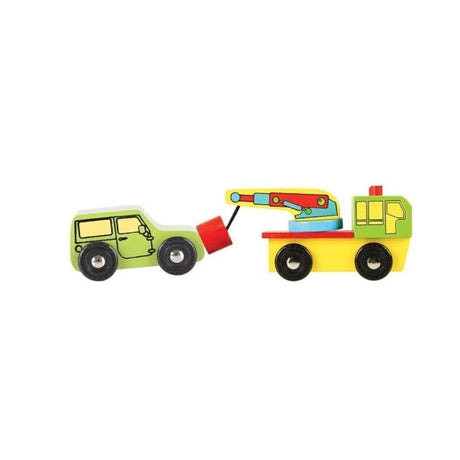
Vehicle and worksite play occurs when children use transport, construction and movement-based themes to create stories and imaginative scenarios. These experiences often involve roads, tracks, construction projects, deliveries, journeys and transport systems that mirror situations children observe in everyday life.

Many children become fascinated by the way things move and connect. They notice roads, bridges, train tracks, work vehicles and construction sites operating around them and begin recreating those systems through play. These stories help children make sense of how people, vehicles and infrastructure work together.

Unlike rescue play, which focuses on helping people and responding to emergencies, vehicle and worksite play is usually centred on movement, construction and transport. The vehicle itself often plays a much larger role in the story.

For many children, these experiences provide opportunities to experiment with planning, building and creating systems that reflect the world around them.

Why Are Some Children So Fascinated By Vehicles?

Many children are naturally drawn to movement, transport and machines. From an early age, they notice cars driving past, trucks making deliveries, trains travelling between destinations and construction equipment working on roads and buildings. These moving systems are highly visible, making them easy for children to observe and recreate through play.

For some children, the fascination is linked to movement itself. They enjoy watching objects travel, change direction and move through space. For others, the appeal lies in understanding what the vehicles do and how they contribute to the world around them.

Vehicle play often becomes much more than pushing a toy from one place to another. Children create roads, transport networks, delivery routes and construction projects while building stories around the vehicles they see every day.

The interest is rarely just about the vehicle itself. It is often about understanding movement, systems and how different parts of the world connect together.