Click & Collect or 24hr Dispatch*

15% Off Sitewide & Clearance*

EOFY15
Play That Mimics Buying, Selling, and Real-World Shops

Playing Shop

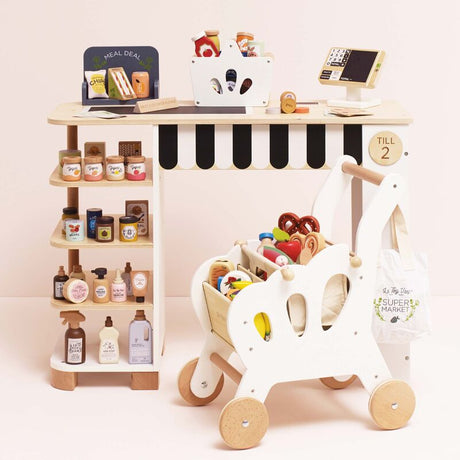
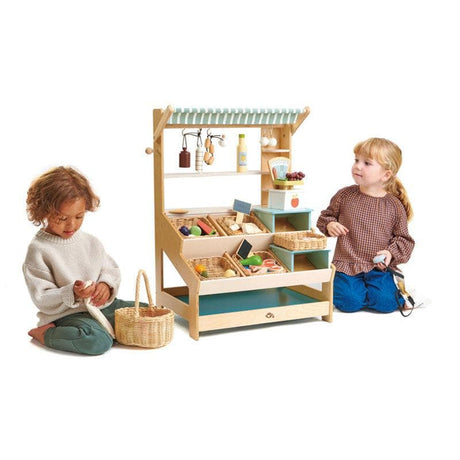
Children are surrounded by shops, supermarkets, cafés and checkouts long before they understand how they work. Through pretend play, they recreate these familiar experiences by setting up stores, filling shopping baskets, handling money and serving customers. Playing Shop helps children make sense of everyday exchanges while creating opportunities for imaginative storytelling and role play.

Start here

Shop play is not one activity. Some children love setting up stores, others focus on shopping, handling money or running the checkout.

Understanding which part of the shopping experience captures your child's attention can help you choose the type of role play that feels most engaging and meaningful.

View as

Children Often Recreate The World They See Around Them

Shopping is one of the most familiar experiences in a child's life. They watch groceries being purchased, see customers served in cafés, hand over money at checkouts and observe countless everyday exchanges. Through shop role play, children recreate these experiences in ways that help them understand how buying, selling and choosing work. These familiar scenarios often become rich sources of imaginative play because they are rooted in experiences children already recognise and understand.

Shopping Role Play Everyday Exchanges Choice & Decision Making Imaginative Storytelling
Many Shop Stories Begin With Food

Kitchen Play And Shop Play Often Work Together

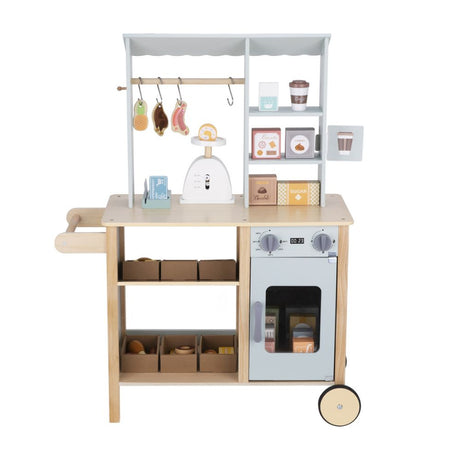
Children frequently move between preparing food and selling it. A pretend café, bakery or grocery store often combines cooking, serving and shopping into one connected role-play experience.

Shop Play Helps Children Make Sense Of Everyday Life
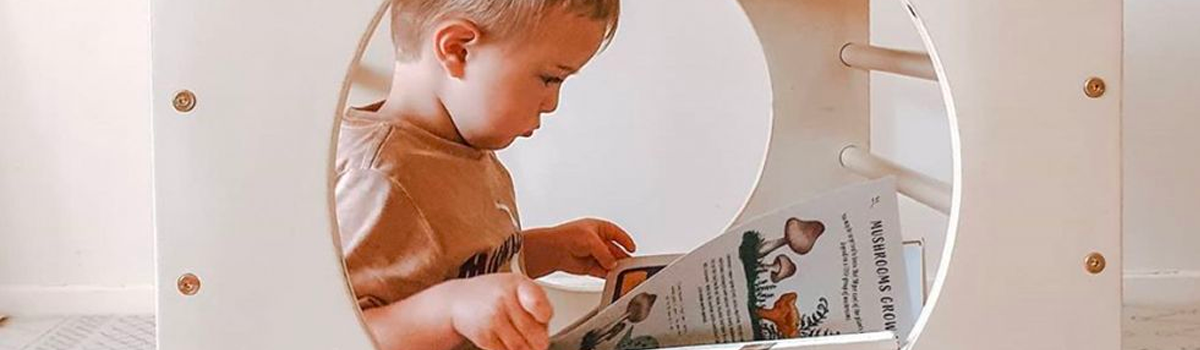
Children are naturally curious about the routines and systems they encounter every day. Shopping, buying, selling and making choices are all part of the world they observe, even if they do not yet fully understand how these experiences work.

Through pretend play, children can recreate familiar situations in ways that feel manageable and meaningful. They experiment with different roles, tell stories and revisit experiences that capture their attention. Some children enjoy setting up elaborate stores, while others are more interested in customers, money or running the checkout.

There is no right way to engage in shop play. The most valuable experiences are often the ones that allow children to follow their own interests while making sense of the world around them at their own pace.

Frequently asked questions

Questions parents often ask

Why Do Children Recreate Supermarket Experiences Through Pretend Play?

Supermarkets are one of the most familiar environments many children encounter. They accompany adults on shopping trips, observe routines and witness countless interactions between customers, staff and products. These experiences provide rich material for imaginative play.

Children often recreate supermarket visits because they contain recognisable roles, routines and stories. They know what happens when someone shops, pays for products and takes items home. This familiarity makes supermarket role play easy to understand and repeat.

Recreating these experiences allows children to process observations while experimenting with different perspectives. One day they may be the customer, the next day the cashier or store owner. These shifts help children explore how different roles contribute to the same experience.

Through repetition and imagination, supermarket role play becomes a way for children to make sense of an important part of everyday life while creating stories that feel relevant to their own experiences.

What Is The Difference Between Market Play And Shopping Play?

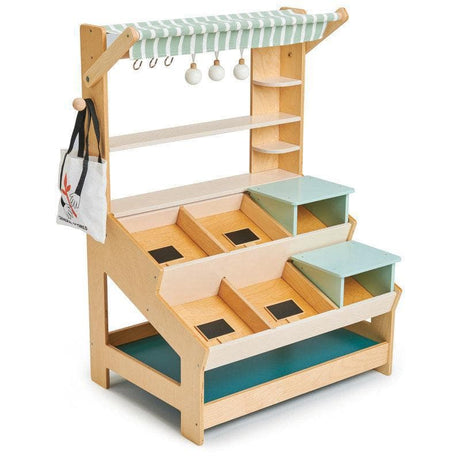
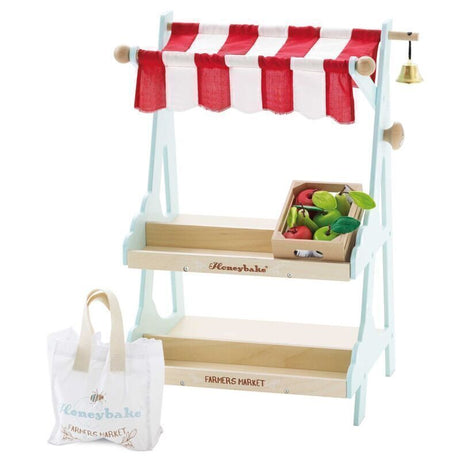
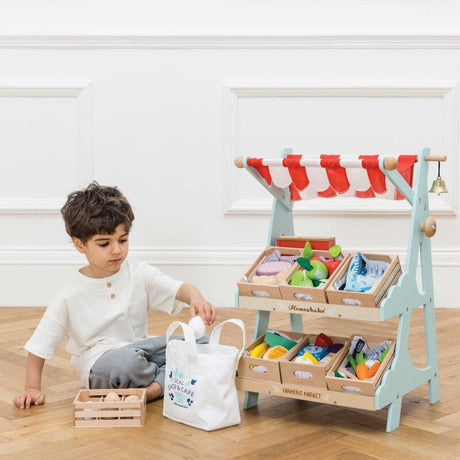
Although they often overlap, market play and shopping play focus on slightly different parts of the same experience. Market play typically centres on creating and managing a shop or stall. Children organise products, arrange displays and take ownership of the selling environment.

Shopping play focuses more on the customer experience. Children browse products, make selections, transport purchases and participate in buying activities. Both styles of play frequently occur together, but individual children may show stronger interest in one aspect than the other.

Some children enjoy setting up elaborate market displays and acting as shop owners. Others are more interested in selecting items, filling baskets and completing purchases. These preferences often reflect which parts of the shopping experience feel most engaging or familiar.

Understanding this difference can help parents identify which type of role play best aligns with their child's current interests.

Why Do Children Enjoy Cash Registers And Checkouts?

Many children become fascinated by checkouts because they represent one of the most visible parts of the shopping experience. The checkout is where purchases are completed, products are scanned and exchanges take place, making it a highly memorable part of many shopping trips.

Children often view the cashier as someone with an important role. They watch transactions occur, hear conversations and observe how purchases move from selection to completion. Through pretend play, children can step into this role and recreate the experiences they have observed.

Checkouts also provide a sense of order and routine. Items are processed one at a time, customers move through a sequence and each interaction follows a recognisable pattern. Many children enjoy these predictable structures because they make role play easier to organise and repeat.

The attraction is rarely about the register itself. Instead, children are often interested in the responsibility, interaction and storytelling opportunities associated with running the checkout.

How Does Shop Play Help Children Understand Everyday Life?

Children often use pretend play to process experiences they encounter in the world around them. Shopping is one of the most common social activities children witness, making it a natural source of inspiration for imaginative play.

Through shop play, children begin exploring how people make choices, exchange goods and interact with one another. They observe patterns and routines, then recreate them through stories and role play. These experiences help transform passive observation into active understanding.

Children also gain opportunities to experiment with different social roles. They can become customers, workers, business owners or service providers while imagining how these roles contribute to everyday life. This process encourages children to think about how communities function and how people work together.

Shop play does not need to be realistic to be valuable. The stories children create often reflect their current interests, observations and understanding of the world, making the experience highly personal and meaningful.

Why Do Children Pretend To Buy And Sell Things?

Buying and selling are activities children observe regularly, even if they do not fully understand the details involved. They see adults making choices, exchanging money, selecting products and interacting with others. Through pretend play, children begin recreating these experiences in ways that feel understandable and manageable.

Many children enjoy creating their own systems and rules around buying and selling. They assign prices, organise products and negotiate transactions while experimenting with concepts they have observed in the real world. These interactions often become part of larger stories involving shops, cafés or markets.

Pretending to buy and sell things also gives children opportunities to take on different perspectives. They can become customers, business owners or cashiers depending on the story they wish to create. This flexibility supports imaginative thinking while helping children make sense of everyday situations.

For most children, the appeal lies less in the transaction itself and more in the opportunity to recreate meaningful experiences through play.

What Is Shop Role Play?

Shop role play occurs when children recreate shopping, buying and selling experiences through imaginative play. These scenarios may involve market stalls, pretend shops, cafés, grocery stores or checkout experiences that mirror situations children encounter in everyday life.

Unlike some forms of pretend play that focus on fantasy or imaginary worlds, shop role play is rooted in familiar experiences. Children often recreate routines they have observed repeatedly, such as choosing products, paying for items, serving customers and organising displays. These activities provide opportunities to experiment with different roles while developing their own stories and ideas.

Shop role play is highly flexible. A child may become a shop owner one moment and a customer the next. They may create rules, invent products and adapt situations to match their interests. This freedom allows children to engage with real-world concepts while maintaining the creativity that makes pretend play so valuable.

Because shopping is such a visible part of everyday life, shop role play often becomes one of the most natural forms of imaginative play during early childhood.

hy Do Children Love Playing Shop?

Playing shop allows children to recreate one of the most familiar experiences in everyday life. From a very young age, children accompany parents to supermarkets, cafés, markets and stores where they observe people selecting items, making purchases and interacting with staff. Although they may not fully understand these systems, they are often fascinated by them.

Through pretend play, children can take control of these experiences and recreate them in ways that make sense to them. They become customers, shop owners, cashiers and delivery drivers while experimenting with different roles and stories. This allows them to revisit situations they see regularly and build understanding through repetition.

Many children are particularly drawn to shop play because it contains clear routines and predictable sequences. Choosing items, making purchases and serving customers all provide structure while still allowing plenty of room for imagination. This combination of familiarity and creativity often makes shop play highly engaging.

Rather than simply copying adult behaviour, children are actively processing how everyday exchanges work and how people interact within their communities.