Click & Collect or 24hr Dispatch*

Understanding Sensory Play

Sensory Toys That Support Calm, Focused, and Regulated Play

Sensory play helps children understand their bodies, process their environment, and feel more in control.

From movement and touch to deep pressure and oral input, different types of sensory play support different needs. This page helps you understand what matters — and where to start — so you can choose toys that truly support your child.

Explore the category

Start with the type that fits your family best

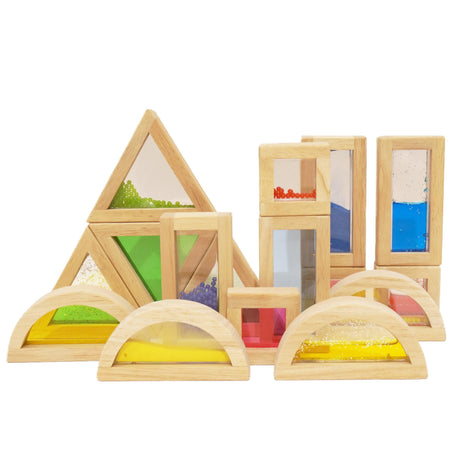
Browse the main pathways below to quickly understand what sits inside this category before you move into the product grid.


Why Sensory Play Matters

How Sensory Toys Support Play, Focus, and Regulation

Sensory toys help children explore, regulate, and understand their world through movement, touch, pressure, and oral input.

Different types of sensory toys support different needs — from calming overwhelmed children to helping others focus, move, and engage more deeply in play. Understanding how sensory toys work makes it easier to choose what your child actually needs.
Sensory toys are often used to support focus, emotional regulation, coordination, and everyday play skills. While commonly recommended for children with additional needs, sensory toys benefit all children by helping them feel more comfortable, engaged, and in control of their environment.

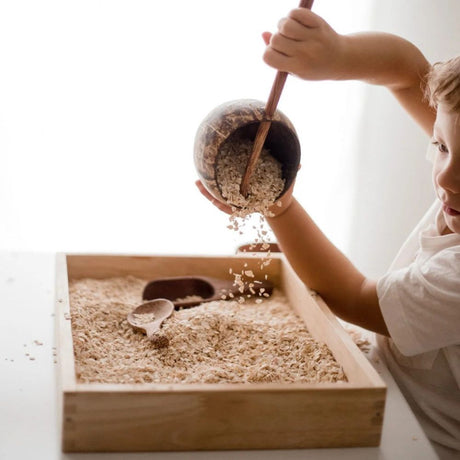
Movement & Balance Touch & Texture Body Awareness Oral Regulation

Sensory Toys Build the Foundation for Learning

Movement, touch, and body awareness sit at the base of development, supporting focus, coordination, and confidence.

Every Child Has Different Sensory Needs

Some children seek more input, while others avoid it. The goal is finding what helps your child feel regulated and engaged.

The Right Input Changes Behaviour

When sensory needs are met, children are calmer, more focused, and better able to participate in everyday play.

Explore Sensory Pathways

Start With What Your Child Needs

Different types of sensory input support different behaviours. Choose the pathway that matches how your child interacts with the world.

When Sensory Needs Are Met, Everything Changes
Regulation Through Play
Real Impact

When Sensory Needs Are Met, Everything Changes

When children receive the sensory input they need, play becomes more focused, behaviour becomes more regulated, and learning becomes easier.

This isn’t about adding more toys — it’s about understanding what your child’s body is asking for and supporting it through play.

Explore More

Continue Exploring Play

Sensory play connects with many areas of development. Explore related categories to support your child more broadly.