Click & Collect or 24hr Dispatch*

Problem Solving Through Play

Wooden Puzzles For Toddlers & Preschoolers

Wooden puzzles encourage children to slow down, observe carefully and solve challenges one piece at a time. From first peg puzzles for toddlers to more advanced wooden jigsaw puzzles for preschoolers, these hands-on activities help children develop patience, visual reasoning and confidence through repeated success. Explore wooden puzzles designed to make problem solving engaging, rewarding and age appropriate.


Wooden Puzzles For Toddlers Learning To Solve Problems Independently

Why Wooden Puzzles Remain One Of The Best Problem Solving Toys

Wooden puzzles have remained a favourite learning activity for generations because they give children a clear challenge and a satisfying solution. Each piece provides information that children must interpret, compare and test as they work towards completing the puzzle. This process encourages observation, persistence and logical thinking while helping children develop confidence through independent problem solving.

Unlike many toys that provide instant gratification, wooden puzzles reward patience and effort. Children learn that challenges can be solved by slowing down, looking carefully and trying different approaches. Over time, this creates a powerful sense of achievement that encourages children to tackle increasingly complex challenges with confidence.

Problem Solving Visual Reasoning Persistence Independent Success

Easy to succeed from the start

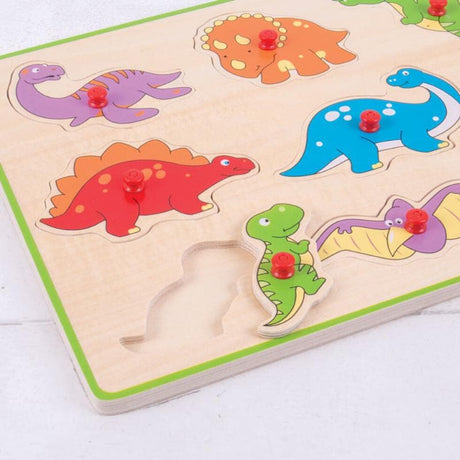
Wooden puzzles are easier to handle, easier to understand, and easier to complete. Larger pieces and clear shapes help toddlers succeed without constant help.

Progresses with your child

From simple one-piece placements to multi-piece boards, wooden puzzles naturally scale with your child’s ability — without jumping too far too fast.

Keeps toddlers engaged longer

Simple designs and tactile materials reduce distraction, helping children stay engaged long enough to complete the task and build confidence.

Shop by need

How Wooden Jigsaw Puzzles Challenge Preschoolers Differently

As children become more confident problem solvers, many transition from simple peg puzzles to wooden jigsaw puzzles that require more advanced visual reasoning. These puzzles encourage children to identify patterns, recognise relationships between pieces and hold a larger picture in mind while working towards completion.

Wooden jigsaw puzzles often introduce longer periods of concentration and more sophisticated thinking. Children begin using strategies, testing possibilities and refining their approach as they work through increasingly complex challenges. This progression helps keep puzzles engaging while continuing to strengthen problem-solving skills.

Choosing The Right Wooden Puzzle

Match The Puzzle To Your Child's Current Problem-Solving Stage

Not all wooden puzzles create the same type of challenge. Some are designed to introduce basic shape recognition and hand-eye coordination, while others require children to analyse patterns, identify visual clues and work towards completing increasingly complex images. Choosing the right level of challenge helps children stay engaged while building confidence through success.

Choose Simpler Wooden Puzzles If

  • Your child is new to puzzles They are learning shape and picture recognition They become frustrated by too many pieces Independent success is important They prefer shorter activities Confidence building is the main goal

Choose More Advanced Wooden Puzzles If

  • Your child completes beginner puzzles easily They enjoy visual challenges They stay focused for longer periods They enjoy problem solving independently They are ready for more pieces They actively seek new challenges
The best wooden puzzle should feel achievable while still encouraging children to think, experiment and persist. When children experience success through effort, they become more willing to tackle increasingly complex challenges.

Building Confidence One Piece At A Time

Smooth, child-safe finishes

Sized for small hands and easy grip

Durable construction for repeated use

Designed to support independent success

Calm, simple designs that reduce overwhelm

What Should Parents Look For In A High Quality Wooden Puzzle?

A high-quality wooden puzzle should provide a clear challenge while remaining accessible to the child using it. Younger children often benefit from puzzles with larger pieces, strong visual cues and simple images that help them understand how pieces relate to one another. As children grow, they typically become ready for puzzles that require more detailed observation, greater patience and increasingly sophisticated problem-solving strategies.

The quality of the materials also matters. Wooden puzzles are handled repeatedly, making durability an important consideration for families looking for long-term value. Well-made wooden puzzles remain enjoyable through years of use and can often be revisited as children develop new skills and approaches.

Parents should also consider progression. The best puzzle collections allow children to move gradually from simple successes towards more advanced challenges, helping them build confidence while strengthening persistence and independent thinking.

When A Wooden Puzzle May Not Be The Right Choice

Wooden puzzles are ideal for children who enjoy solving visual challenges, but they are not always the best fit for every learner. Children who are more interested in categorising and grouping information may respond better to sorting toys, while children focused on recognising relationships between pictures and concepts may prefer matching games.

Likewise, children who enjoy memory and recall challenges often engage more deeply with memory games. Those who are attracted to larger-scale visual assembly may find floor puzzles more rewarding because they focus on building a complete picture rather than solving individual piece relationships.

The goal is to match the activity to the type of thinking your child currently enjoys. When the challenge aligns with their interests, children are more likely to stay engaged and experience meaningful success

Where Persistence Turns Into Achievement

Wooden puzzles offer children something increasingly valuable in today's world: the opportunity to work through a challenge at their own pace and experience the satisfaction of solving it independently. Every piece placed correctly represents a small moment of discovery, while every completed puzzle reinforces the idea that effort and persistence lead to success.

Unlike activities that provide instant answers, wooden puzzles encourage children to observe carefully, think critically and adjust their approach when something doesn't work. These experiences help children become more comfortable with challenge while building confidence in their ability to solve problems.

Whether you're choosing a first wooden puzzle for a toddler or introducing more advanced wooden jigsaw puzzles to a preschooler, the right puzzle can help transform curiosity, patience and persistence into skills that extend far beyond play.

Frequently asked questions

Wooden Puzzle Questions Parents Ask

What makes wooden puzzles a good gift for toddlers and preschoolers?

Wooden puzzles remain one of the most popular educational gifts because they combine learning, engagement and long-term value. Unlike many toys that are quickly outgrown, quality wooden puzzles often evolve alongside the child as their abilities and confidence develop.

Puzzles also appeal to a wide range of interests. Some children enjoy the challenge of problem solving, while others are attracted to the pictures, themes or sense of achievement that comes with completion. This versatility makes wooden puzzles suitable for many different personalities and learning styles.

Parents often appreciate that puzzles encourage screen-free play while supporting skills such as concentration, observation, persistence and independent thinking. These benefits make wooden puzzles a thoughtful and practical gift that continues providing value long after the initial excitement of receiving it.

Why do children often repeat the same puzzle over and over?

Why do children often repeat the same puzzle over and over?

Are wooden puzzles good for independent play?

Wooden puzzles are one of the most effective independent play activities available for young children. Unlike games that require multiple players or constant adult guidance, puzzles allow children to work through challenges at their own pace while developing confidence in their ability to solve problems independently.
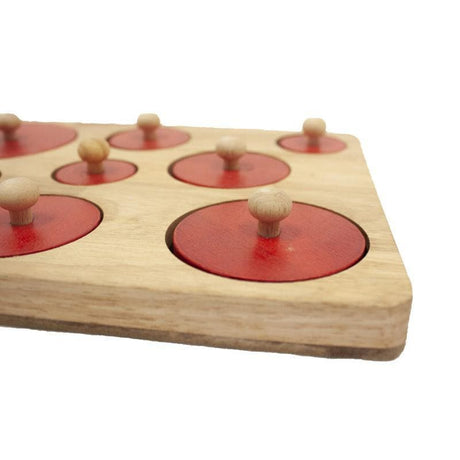
Children can experiment, make mistakes and discover solutions without relying on external help. This independence often increases engagement because children feel ownership over the process and satisfaction when they successfully complete the puzzle themselves.

Many parents appreciate wooden puzzles because they create opportunities for focused, purposeful play. Children remain engaged in a meaningful challenge while developing persistence, observation skills and self-confidence through independent achievement.

How many puzzle pieces should a child start with?

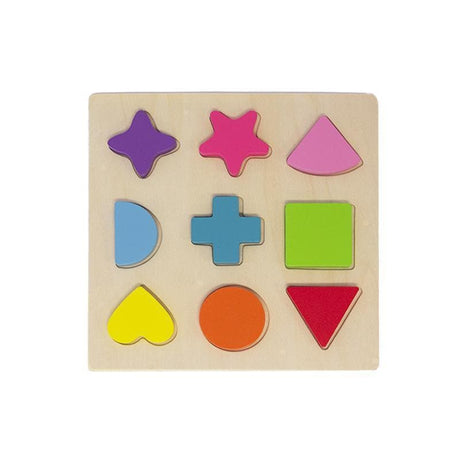
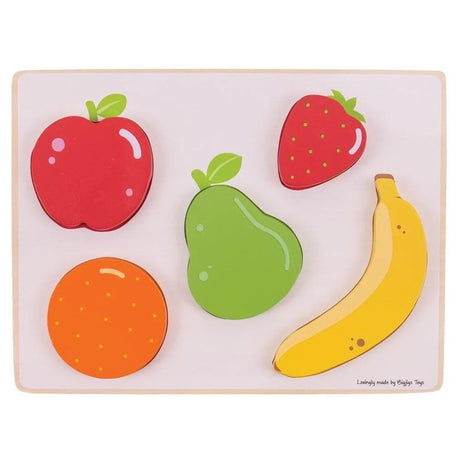
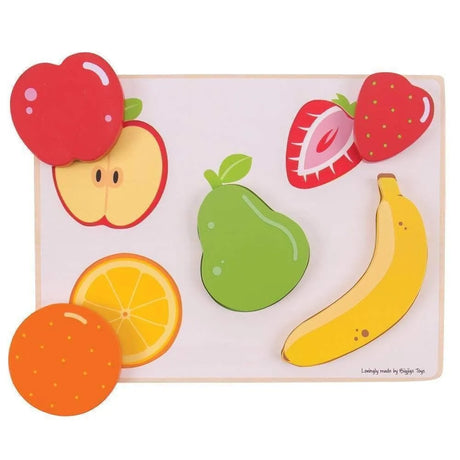
The ideal number of puzzle pieces depends on the child's experience, confidence and problem-solving ability rather than age alone. Children who are new to puzzles often benefit from simple wooden puzzles with only a few large pieces. These allow them to understand the concept of puzzle solving while experiencing regular success.

As children become more comfortable identifying shapes, recognising visual clues and testing solutions, they naturally become ready for puzzles with more pieces and greater complexity. The goal is to provide enough challenge to encourage thinking without creating frustration.
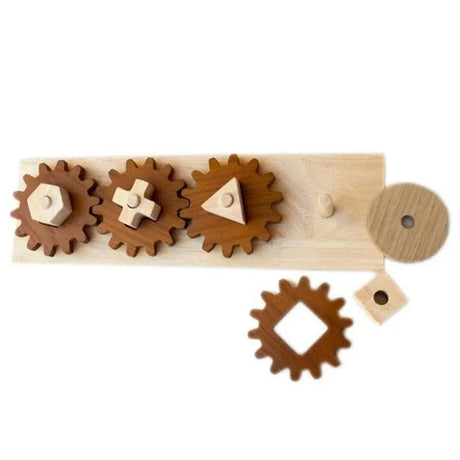
A useful guideline is to observe how your child responds. If they complete a puzzle quickly without much thought, they may be ready for a more advanced challenge. If they become overwhelmed or lose interest immediately, a simpler puzzle may provide a better learning experience. Gradual progression helps build confidence while maintaining enthusiasm for puzzle play.

Are wooden puzzles better than digital puzzle games?

Both physical and digital puzzles can provide opportunities for problem solving, but wooden puzzles offer a unique hands-on experience that many families value. Children physically manipulate pieces, explore shapes and use touch alongside visual observation as they work towards a solution.

This hands-on interaction often creates deeper engagement while helping strengthen fine motor skills and spatial awareness. Children can pick up, rotate and compare pieces directly, allowing them to learn through both movement and observation.

Many parents also appreciate that wooden puzzles encourage focused, screen-free play. The physical nature of the activity helps children remain present and engaged while experiencing the satisfaction of solving challenges independently through exploration and persistence.

How do wooden puzzles help build persistence?

Persistence develops when children encounter manageable challenges that require effort to overcome. Wooden puzzles provide exactly this type of experience. Children quickly learn that the first attempt may not always be successful, but that continued observation and experimentation often lead to the correct solution.
Every puzzle presents opportunities to make mistakes, adjust strategies and try again. These moments help children become more comfortable with challenge while reinforcing the idea that effort leads to progress. Over time, children often become more willing to tackle unfamiliar problems because they have experienced success through persistence.
This ability to continue working through difficulty is one of the reasons puzzles remain such a valuable activity. The lessons children learn often extend far beyond puzzle play and into many other areas of learning and everyday life.

What age should children start wooden puzzles?

Many children begin exploring simple wooden puzzles from around 18 months of age, although readiness varies depending on the individual child. Early puzzles often feature large pieces, familiar images and simple challenges that help children understand how puzzle solving works without becoming overwhelmed.

As children gain experience, they typically progress towards puzzles with more pieces, greater visual complexity and increasingly sophisticated problem-solving requirements. This gradual progression helps maintain confidence while continuing to strengthen reasoning and observation skills.

Rather than focusing solely on age recommendations, parents often achieve the best outcomes by choosing puzzles that match their child's current interests and abilities. A puzzle that feels achievable yet challenging is more likely to encourage engagement, persistence and enjoyment.

Why do educators often recommend puzzles for preschoolers?

Preschool years are a time when children begin developing more sophisticated reasoning and problem-solving abilities. Wooden puzzles provide an excellent way to support this growth because they require children to observe carefully, analyse information and make decisions independently.

As children work through puzzles, they learn to identify patterns, recognise relationships and develop strategies for solving challenges. These experiences encourage logical thinking while helping children understand that problems can often be solved through persistence and experimentation.

Educators frequently value puzzle play because it combines learning and engagement naturally. Children remain motivated by the challenge itself while simultaneously strengthening skills that support future learning across many areas of development.

What skills do wooden puzzles help children practise?

Wooden puzzles support a wide range of thinking skills while encouraging children to learn through exploration. One of the most important is visual reasoning, which involves recognising relationships between shapes, images and individual pieces. Children learn to identify clues, compare information and test possible solutions as they work towards completing a puzzle.

Puzzles also help strengthen concentration and persistence. Unlike activities that provide immediate results, puzzles encourage children to continue working through challenges even when the solution is not immediately obvious. This ability to stay engaged with a task often becomes increasingly valuable as children grow.

Many wooden puzzles also support fine motor development, hand-eye coordination and spatial awareness. Together, these skills help children become more confident problem solvers while creating opportunities for independent success and achievement.

Are wooden puzzles good for toddlers?

Wooden puzzles are often one of the best first problem-solving activities for toddlers because they provide clear challenges with visible outcomes. Young children naturally enjoy exploring how pieces fit together, and puzzles encourage them to slow down, observe carefully and test different possibilities. These experiences help develop patience, persistence and confidence while remaining playful and engaging.

Many wooden puzzles designed for toddlers feature larger pieces, simple images and clear visual clues that make success achievable without removing the challenge entirely. This balance is important because children build confidence when they can solve problems independently while still feeling challenged.

As toddlers become more comfortable with puzzle play, they begin developing stronger observation skills and visual reasoning abilities. Over time, these early experiences create a foundation for more advanced problem solving, making wooden puzzles one of the most valuable learning activities for young children.

What makes a premium wooden puzzle different from cheaper alternatives?

The best wooden puzzles are designed to provide meaningful challenges while remaining durable enough to withstand years of repeated use. Quality wooden puzzles often feature precise construction, sturdy pieces and thoughtfully designed images that help children focus on problem solving rather than struggling with poorly fitting components.

Premium puzzles also tend to offer more carefully considered progression. Rather than simply increasing piece counts, they create age-appropriate challenges that encourage children to build confidence and skills gradually. This helps maintain engagement while reducing frustration.

Perhaps most importantly, high-quality wooden puzzles encourage repeated use. Children return because they enjoy the challenge, the satisfaction of completion and the sense of achievement that comes from solving increasingly complex problems independently.

What's the difference between wooden puzzles and floor puzzles?

Although both involve assembling pieces into a complete image, wooden puzzles and floor puzzles create very different experiences. Wooden puzzles typically focus on individual problem solving, visual reasoning and understanding how specific pieces relate to one another. The challenge often lies in analysing shapes, identifying clues and solving piece-by-piece relationships.

Floor puzzles place greater emphasis on assembling a large-scale image. Children work with more physical space and often focus on building sections of a larger picture rather than solving individual piece relationships. This creates a different type of challenge that appeals to children who enjoy visual assembly and collaborative play.

Many families find that wooden puzzles and floor puzzles complement one another. Wooden puzzles help strengthen analytical problem solving, while floor puzzles encourage big-picture thinking and extended visual assembly.

Why do some children become deeply focused while completing wooden puzzles?

Many children experience what educators sometimes call "deep engagement" when working on puzzles. The challenge is clear, the goal is visible and every small success provides immediate feedback. This combination often encourages children to concentrate for longer periods than they might during other activities.

Wooden puzzles also create a balance between challenge and achievement. Children can see progress as they work, which helps maintain motivation and encourages them to continue. Unlike open-ended activities where success may feel subjective, puzzles provide a clear outcome that children can work towards independently.

For many children, puzzle play becomes a calming and satisfying experience because it allows them to focus on a single task while experiencing a growing sense of competence and control.

How can parents tell if their child is ready for wooden puzzles?

Many children begin showing readiness for wooden puzzles between 18 months and 3 years of age, although readiness depends more on interest than age. Children who enjoy fitting objects together, examining pictures, solving simple challenges or completing activities independently often show strong signs that they are ready for puzzle play.

One of the biggest indicators is persistence. Children who continue experimenting when something doesn't work immediately often enjoy the problem-solving process that puzzles provide. Rather than becoming discouraged, they are motivated by the challenge of finding the correct solution.

Starting with age-appropriate wooden puzzles allows children to experience success while gradually building confidence. As their visual reasoning and observation skills improve, they naturally become ready for puzzles with more pieces and greater complexity.