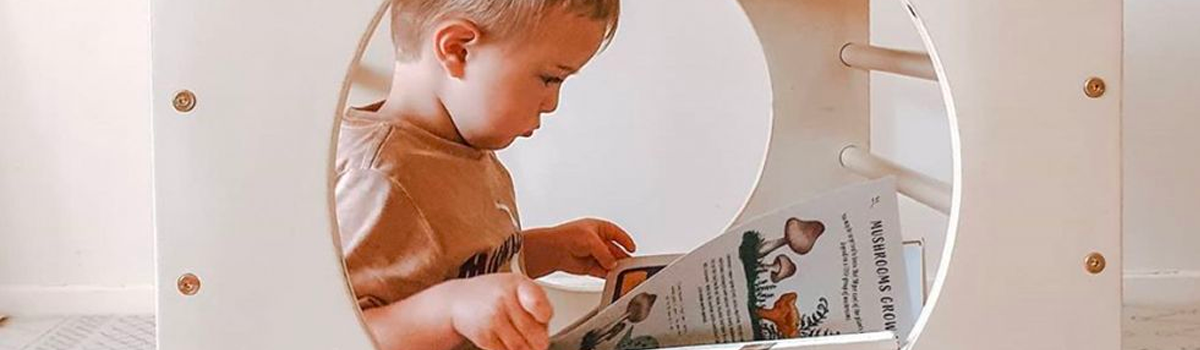
They don’t follow instructions — they build their own way
Open-Ended Building Play
Start here
Not every child wants instructions, rules or a finished outcome. Some children prefer materials they can transform, combine and reinvent as their ideas evolve. Understanding this difference can make choosing building resources much easier.
Wooden Blocks
Flexible Play Pieces
Imaginative Play Silks
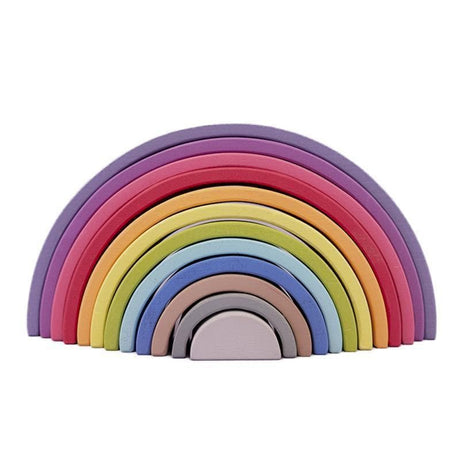
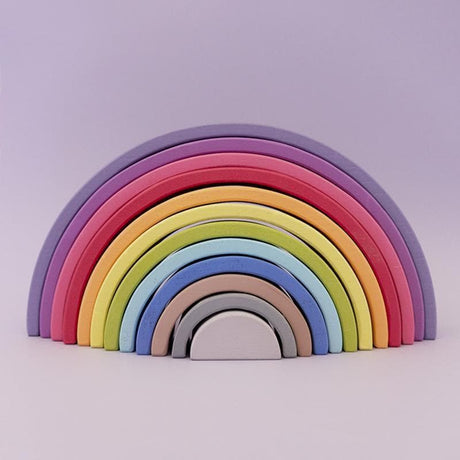
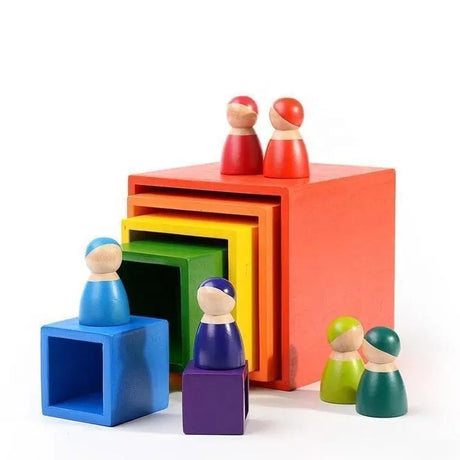
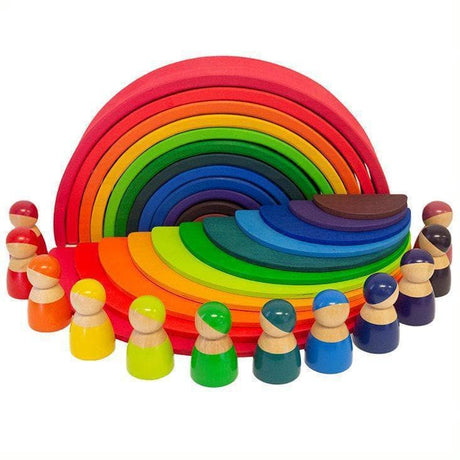
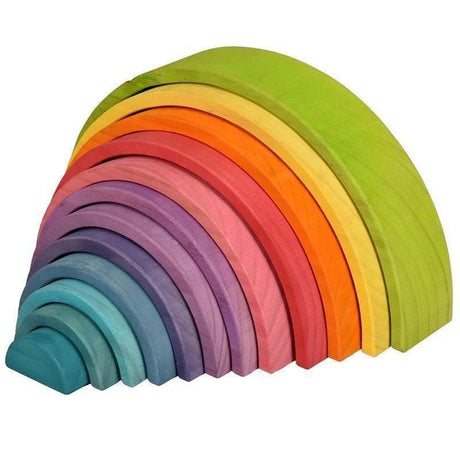
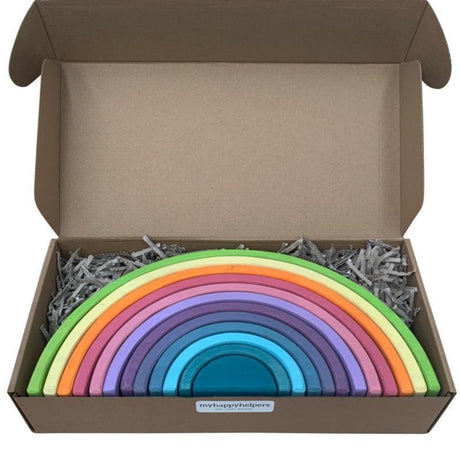
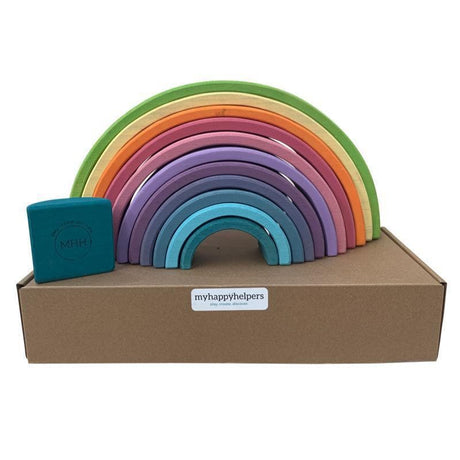
Wooden Rainbows
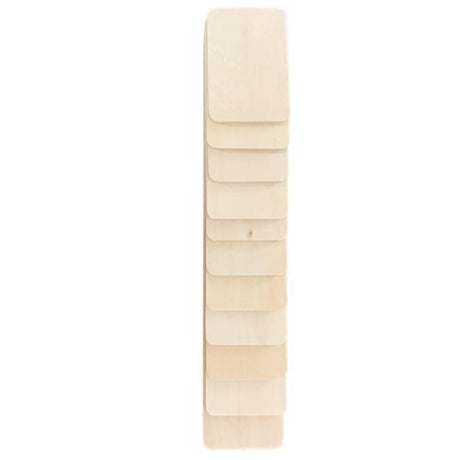
Building Boards
Peg Doll Play
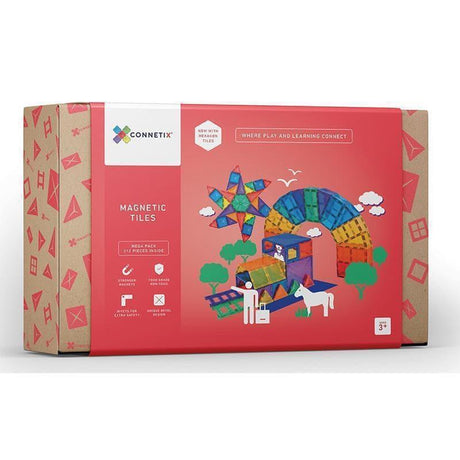
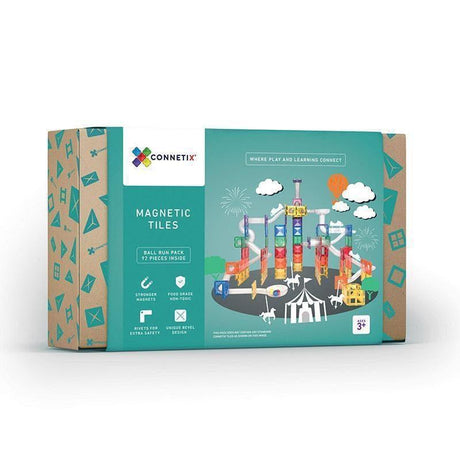
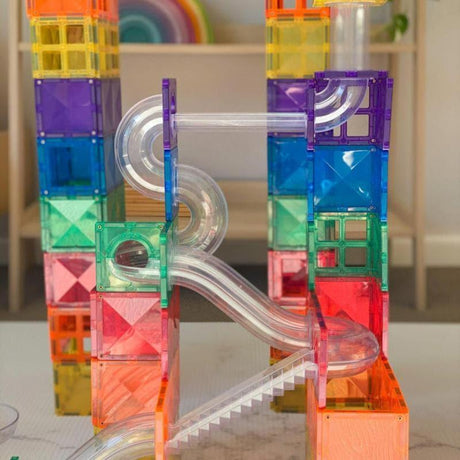
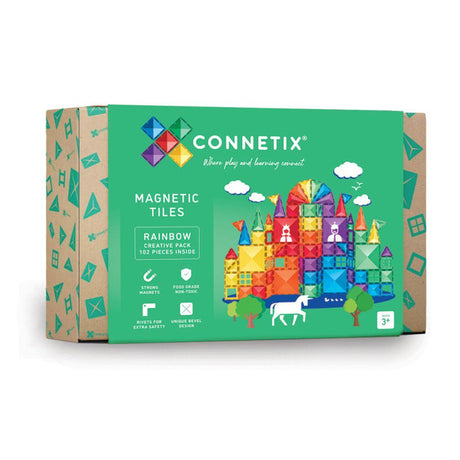
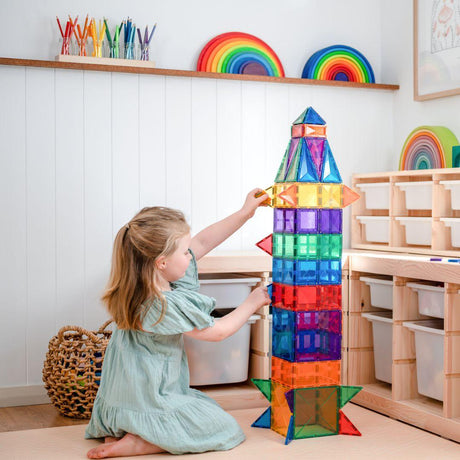
If your child is focused on creating stable structures, connected construction systems or engineering-style builds, Magnetic Building Toys may be a better fit.
-

-
 $54.95Unit price /Unavailable
 -
 $54.95Unit price /Unavailable
 -
 31% off
 -
-
-
-
![Wooden Rainbow Starter Pack]()
-
-
13% off
-
29% off
-
-
-
![Pastel Rainbow]()
-


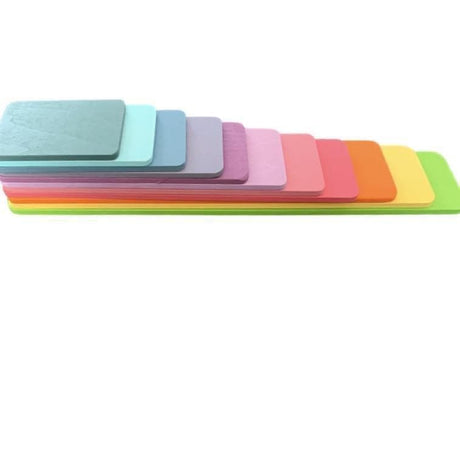
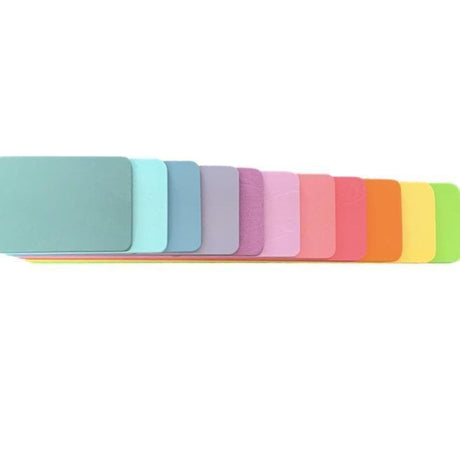

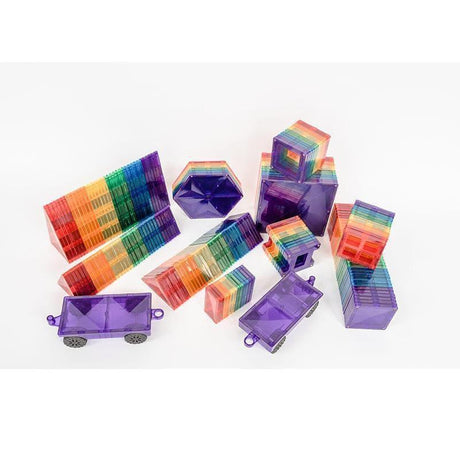
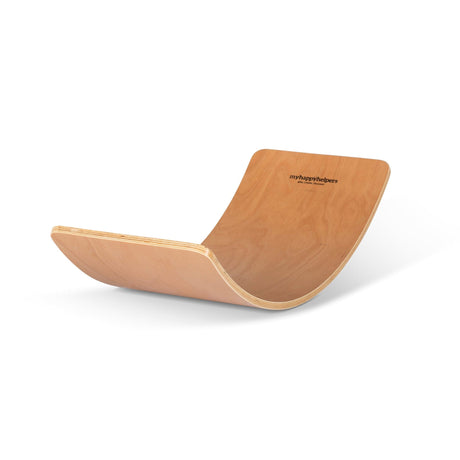
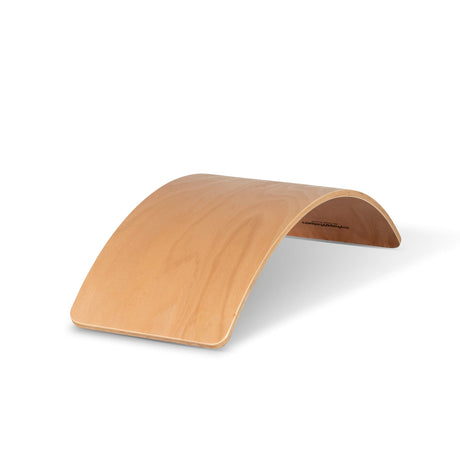
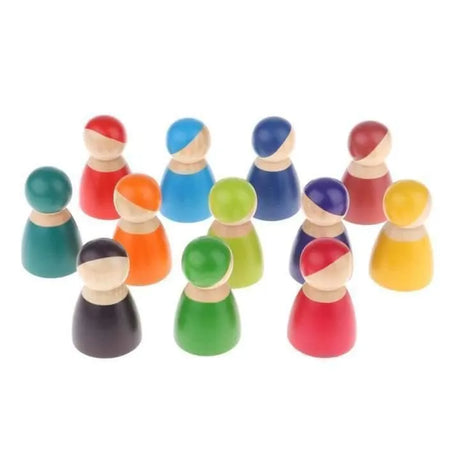



Creating Worlds Instead Of Following Instructions
Less structure, more focus
Play that lasts longer
Materials that adapt
No “right way” to use it
Uses Everything Differently
Loose Parts Play
Builds Entire Worlds
Wooden Rainbows
Always Adding More
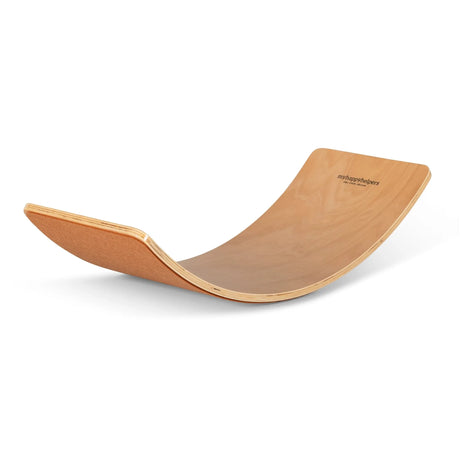
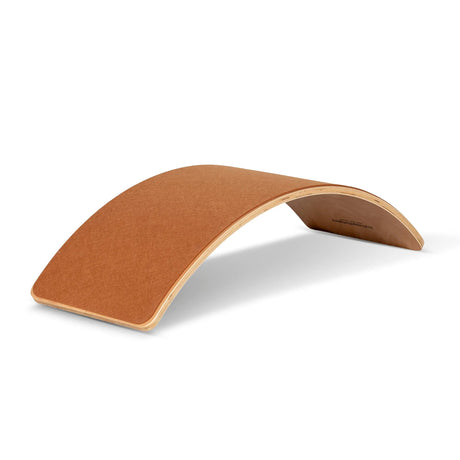
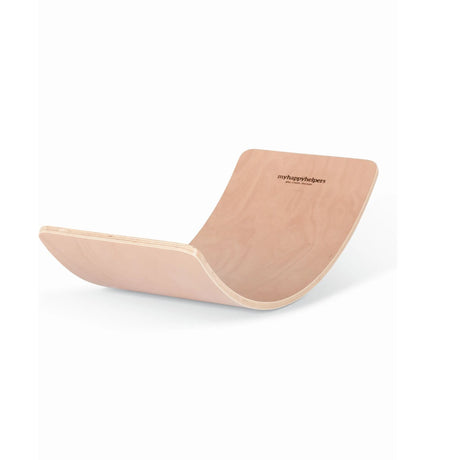
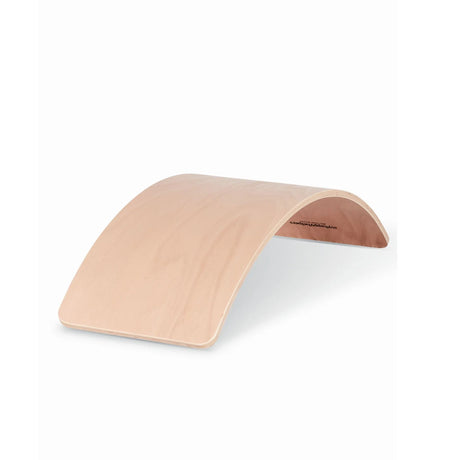
Building Boards
Imaginative Layers
Shop Play Silks
Nothing Ever Gets Used The Way It Was Intended
The Story Matters More Than The Structure
Every Creation Needs A Road, Bridge Or Platform
They turn builds into something else
When Imagination Wants Stronger Structures
Some Children Eventually Want Their Ideas To Stay Connected
There Is No Correct Way To Play