Click & Collect or 24hr Dispatch*

15% Off Sitewide & Clearance*

EOFY15
Montessori By Age

Montessori Toys For 3 Year Olds

Three-year-olds are curious, imaginative and eager to do more independently. Explore Montessori-inspired toys that encourage concentration, creativity, problem solving and purposeful play while supporting growing confidence and emerging learning skills.


Montessori Activities For 3 Year Olds Who Love Problem Solving

Why Montessori Toys Work So Well For 3 Year Olds

Around age three, many children begin moving beyond simple exploration and start seeking greater challenge. They ask more questions, solve more problems independently and become deeply engaged in activities that feel meaningful. Montessori toys for 3 year olds are designed to meet this stage by encouraging children to think, create, build, sort, organise and explore at their own pace.

Rather than relying on flashing lights or short bursts of entertainment, Montessori-inspired toys invite children to become active participants in their own learning. Whether they are completing puzzles, building structures, exploring language, developing fine motor skills or engaging in imaginative play, these experiences help children practise concentration, independence and persistence through hands-on discovery.

For many parents, the challenge is knowing which activities are appropriate for their child's current stage. The best Montessori toys provide enough challenge to remain engaging while still allowing children to experience success independently.

Problem Solving Creativity Independent Learning Concentration

Built For Curious Minds

Three-year-olds are naturally curious. They want to understand how things work, ask questions constantly and explore new ideas through hands-on experiences. Montessori-inspired toys provide opportunities for little ones to investigate, experiment and discover solutions independently rather than simply being shown the answer.

Encourages Longer Concentration

Many children around age three begin developing the ability to focus for longer periods when activities genuinely interest them. Open-ended toys, puzzles, sorting activities and practical life resources encourage children to stay engaged, work through challenges and experience the satisfaction of completing tasks independently.

Supports Meaningful Independence

Montessori learning places a strong focus on helping children do things for themselves. Activities that encourage organising, sorting, building, creating and caring for their environment help develop confidence while allowing children to experience real achievement through purposeful play.

Choosing The Right Montessori Toy

Is Your Child Seeking More Challenge Or More Creativity?

At age three, children often begin developing strong preferences in how they learn. Some enjoy solving problems and completing structured activities, while others thrive when given opportunities to create, imagine and explore freely.

Choose Problem Solving Activities If Your Child

  • Loves puzzles and challenges Enjoys sorting and matching games Likes finding answers independently Repeats activities to master them Shows strong concentration Enjoys structured learning experiences

Choose Creative Activities If Your Child

  • Loves storytelling and pretend play Enjoys building and creating Invents games independently Explores ideas through imagination Prefers open-ended play Enjoys artistic expression
Many children enjoy both approaches. The best Montessori toys for 3 year olds provide opportunities for creativity and problem solving while allowing children to explore at their own pace.

Montessori Toys Designed For Curious Three-Year-Olds
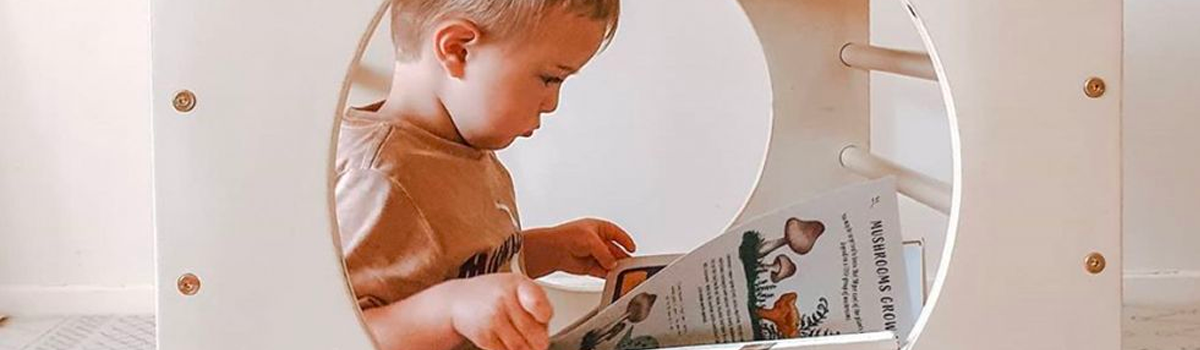
Encourages concentration through meaningful hands-on activities

Supports independent learning without pressure or overwhelm

Designed for repeat use across multiple developmental stages

What Should Parents Look For In Montessori Toys For 3 Year Olds?

The most effective Montessori-inspired toys for three-year-olds provide a balance between challenge and success. Activities should be engaging enough to encourage concentration while remaining achievable without constant adult assistance. Look for toys that encourage independent exploration, allow multiple ways to play and continue offering value as your child's skills develop. Open-ended resources, problem-solving activities and practical life experiences often remain relevant far longer than highly prescriptive toys.

When Montessori Toys For 3 Year Olds May Not Be The Best Fit

If your child is primarily seeking fast-paced entertainment, highly structured electronic games or activities with constant stimulation, Montessori-inspired toys may initially feel different. These resources are designed to encourage active participation, concentration and independent discovery. While many children quickly become engaged, the emphasis is on purposeful play rather than passive entertainment.

Montessori Toys Designed For Curious Three-Year-Olds

Three-year-olds are eager to explore, create and understand the world around them. Montessori-inspired toys provide opportunities to build confidence, develop concentration and encourage independent learning through purposeful play. Whether your child enjoys solving puzzles, creating imaginative worlds or discovering new challenges, the right Montessori toy can support meaningful engagement while making learning feel natural and enjoyable.

Frequently asked questions
How do I know if a Montessori toy is age appropriate for my 3 year old?

The best indicator is not simply the age recommendation but how your child interacts with the activity. If a toy feels too easy, children may quickly lose interest. If it feels too difficult, they may become frustrated. Age-appropriate Montessori toys provide achievable challenges that encourage children to think, experiment and persist while allowing them to experience regular success independently.

Can Montessori toys support early literacy skills?

Many Montessori-inspired language activities help children develop early literacy foundations through play. Alphabet resources, matching activities, language games, flashcards and storytelling tools encourage vocabulary development, letter recognition and communication skills. The focus is on building familiarity and confidence rather than formal reading instruction.

Do Montessori toys encourage creativity?

Yes. While some Montessori activities focus on practical skills and problem solving, many also support creativity and imagination. Open-ended building resources, loose parts, storytelling activities and creative construction toys allow children to invent, experiment and express ideas in their own unique ways. Creativity is encouraged through exploration rather than prescribed outcomes.

What if my 3 year old loses interest in toys quickly?

Children often lose interest when activities are either too easy or too difficult. Montessori-inspired toys aim to provide an appropriate level of challenge while encouraging children to think, experiment and discover solutions independently. Choosing activities that align with your child's interests and developmental stage can often lead to deeper engagement and longer periods of focused play.

What is the difference between Montessori toys and traditional toys?

Many traditional toys focus on entertainment, flashing lights or predetermined outcomes. Montessori-inspired toys are typically designed to encourage independent exploration, problem solving and self-directed learning. They often have fewer distractions and allow children to take a more active role in discovering how things work, creating their own ideas and practising real-world skills through play.

Are Montessori toys educational for 3 year olds?

Montessori-inspired toys support learning by encouraging active participation rather than passive entertainment. Through sorting, building, matching, exploring and experimenting, children develop important skills such as problem solving, concentration, language development, memory, coordination and creativity. The learning occurs naturally through purposeful play rather than formal instruction.

What Montessori toys encourage independent play?

Open-ended resources, practical life activities, matching games, sorting toys and construction materials are often excellent choices for independent play. These activities allow children to make decisions, solve problems and explore ideas without requiring constant adult direction. As confidence grows, many children begin extending their play experiences independently and creating their own challenges.

How do Montessori toys help with concentration?

Many Montessori activities are designed around a single purpose, helping children focus on one challenge at a time. Whether completing a puzzle, sorting objects or building a structure, children are encouraged to work through tasks independently and repeat activities until they feel satisfied with the outcome. This repetition naturally strengthens concentration and attention span over time.

Are Montessori toys good for preparing children for preschool?

Montessori-inspired toys can help children develop many of the skills that support a successful transition into preschool. Activities that encourage concentration, independence, communication, fine motor development and problem solving help children build confidence in their abilities while learning through play. Rather than focusing on formal academics, Montessori activities emphasise curiosity, persistence and hands-on learning experiences.

What are the best Montessori toys for 3 year olds?

The best Montessori toys for 3 year olds encourage children to think, create, explore and solve problems independently. At this age, many children enjoy puzzles, sorting activities, matching games, construction toys, practical life activities and early literacy resources. The most effective toys provide enough challenge to remain engaging while still allowing children to experience success without constant adult assistance.