Helping Children Make Sense Of Family Life Through Pretend Cooking, Meals And Everyday Routines
Kitchen Play
Start here
Kitchen play is not simply about cooking. Children often focus on different parts of family life, from preparing food and serving meals to hosting guests and recreating daily routines.
Understanding which part of kitchen role play captures your child's attention can help you choose experiences that feel meaningful and engaging.
-
 $64.95Unit price /Unavailable
 -
 $34.95Unit price /Unavailable
 -

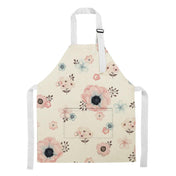
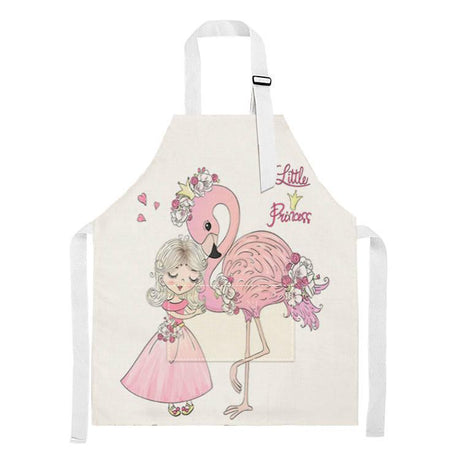
Little Princess Child Apron - Medium
$22.95Unit price /Unavailable -
 $69.95Unit price /Unavailable
 -
$49.95Unit price /Unavailable
-
$22.95Unit price /Unavailable
-
Chocolate Gateau Sliceable Cake - 8 Piece
$44.95Unit price /Unavailable -
$119.95Unit price /Unavailable
-
$399.95Unit price /Unavailable
-
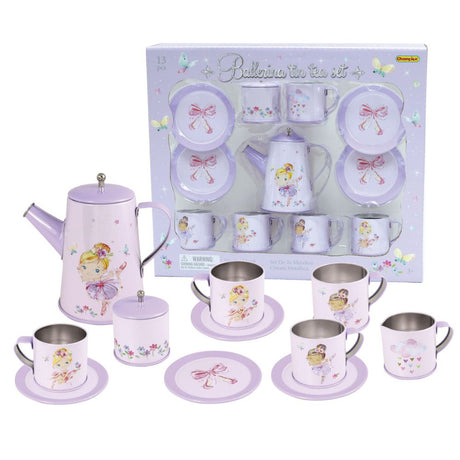
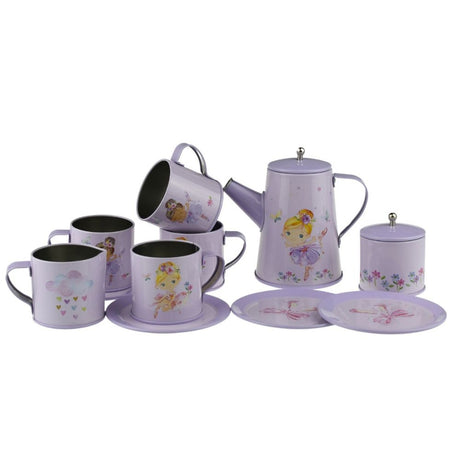
Ballerina Tin Tea Mug Set 13pcs
$39.95Unit price /Unavailable -
 $99.95Unit price /Unavailable
 -
$169.95Unit price /Unavailable
-
$29.95Unit price /Unavailable
-
$29.95Unit price /Unavailable
-
$49.95Unit price /Unavailable
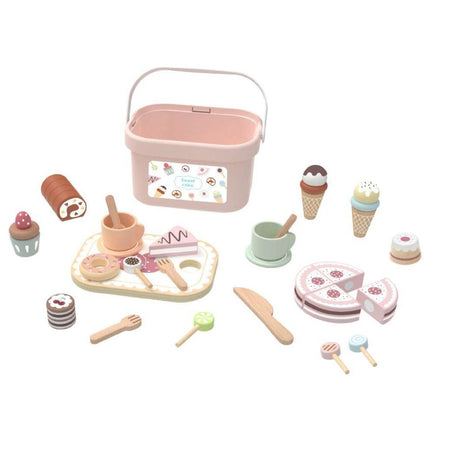
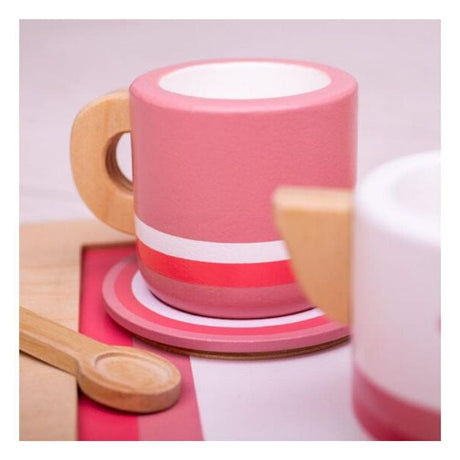


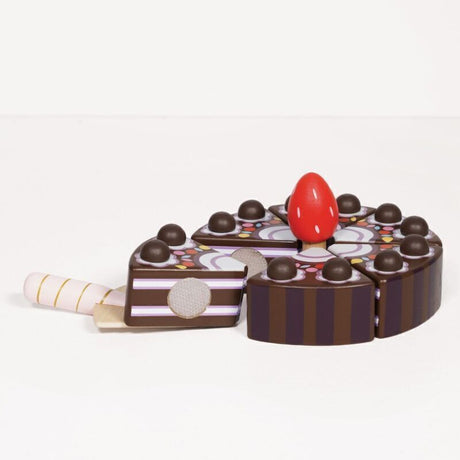
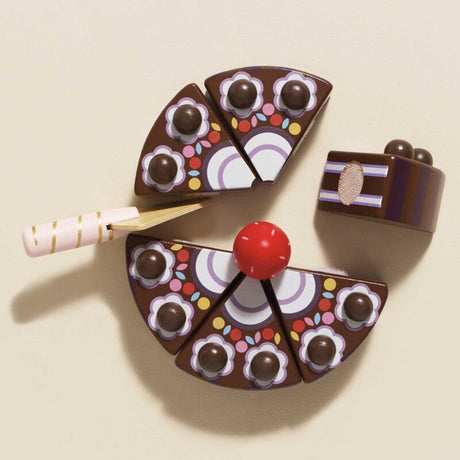
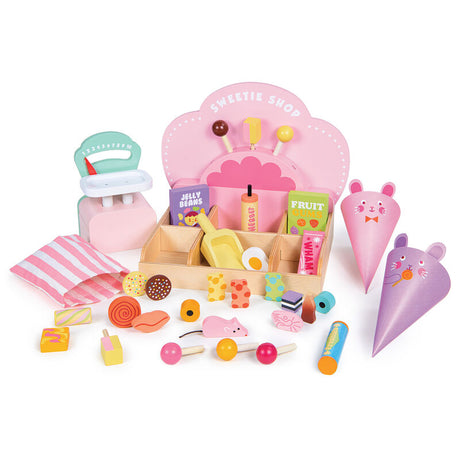
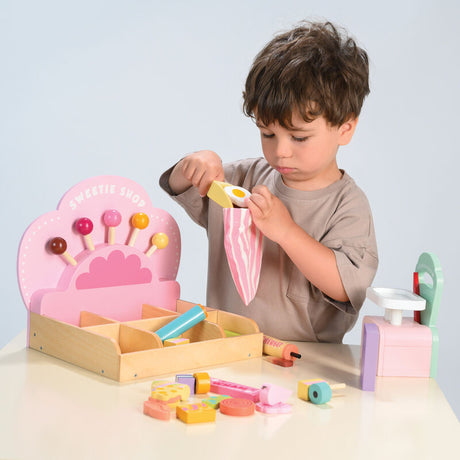




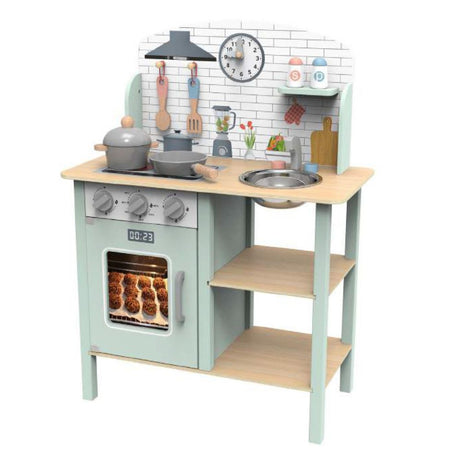


Children Often Recreate The Moments That Matter Most
Family Routines
Pretend Cooking
Everyday Experiences
Social Role Play
Food Often Leads To Bigger Stories
Many Kitchen Play Scenarios Naturally Become Shop Play
Kitchen Play Is Often About More Than Food