Click & Collect or 24hr Dispatch*

Create Spaces For Creativity, Learning & Play

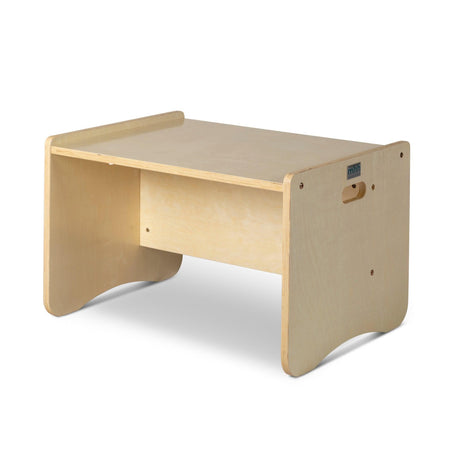
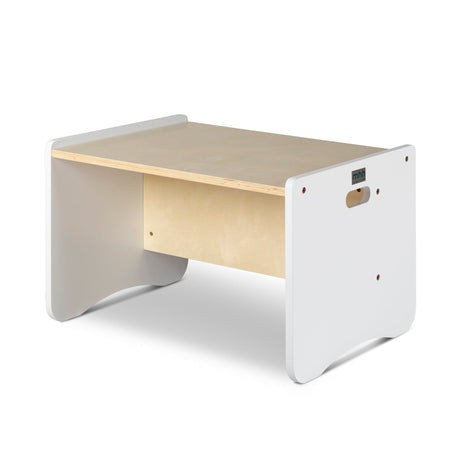
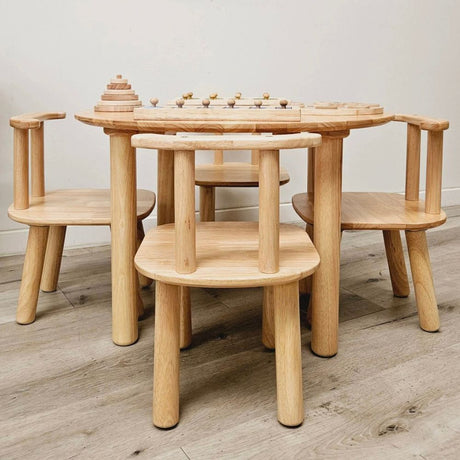
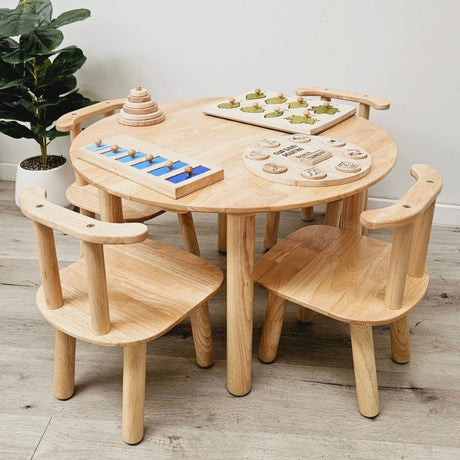
Activity Tables and Kids Tables

A great activity table becomes the centre of childhood. It's where artwork is created, puzzles are solved, blocks are built and imaginative ideas come to life. Whether your child loves drawing, crafting, sensory activities or independent play, a dedicated kids activity table helps create a comfortable space designed around the way children naturally learn and explore. Discover premium activity tables that bring organisation, creativity and everyday practicality to family homes.


Activity Tables For Crafts, Drawing & Creative Projects

Why Families Love Dedicated Activity Tables

Many families begin searching for a kids activity table once everyday activities start taking over the dining table, kitchen bench or living room floor. Drawing supplies, craft materials, puzzles, sensory play and building activities all need space, and children often engage more confidently when that space is designed specifically for them.

Unlike a standard kids table, an activity table is chosen with purpose in mind. It becomes a dedicated area where children can create, experiment, build, colour, learn and play independently. For parents, that often means better organisation and easier clean-up. For children, it means having a familiar space that encourages focus, ownership and creativity.

Whether you're creating a playroom, upgrading a learning space or simply looking for a practical place for everyday activities, the right kids activity table can become one of the most-used pieces of furniture in the home.

Everyday Use Learning Activities Sensory Exploration Creative Play

Designed For More Than Just Sitting


While standard children's tables provide a surface for meals and general use, activity tables are often chosen to support specific play and learning experiences. Drawing, puzzles, crafts, construction activities and sensory play all benefit from having a dedicated workspace that children can return to throughout the day.

Encourages Longer Independent Play


Children are more likely to revisit activities when materials are easily accessible and the environment feels designed for them. A dedicated activity table creates a familiar place where projects can continue, ideas can develop and children can engage independently without constantly needing activities packed away between sessions.

Helps Keep Family Spaces Organised


One of the biggest reasons parents invest in a kids activity table is practicality. Creating a dedicated zone for creative play helps contain materials, reduce clutter and make daily transitions easier. Instead of activities spreading throughout the home, children have a space that naturally supports the way they like to learn, build and create.

Activity Tables For Crafts, Drawing & Creative Projects

Many children naturally return to activities that allow them to create something of their own. Whether it's drawing, colouring, painting, cutting, sticking or building, creative projects often require more space and organisation than parents initially expect. A dedicated activity table for crafts provides children with a place where projects can remain set up, materials stay accessible and ideas can develop over time.

This is particularly valuable for children who enjoy revisiting unfinished work. Rather than constantly packing activities away or moving between rooms, a dedicated workspace encourages deeper engagement and allows children to return to projects independently. Families looking for an activity table for drawing or creative play often find that children spend longer periods immersed in activities simply because the environment feels easier to use and more inviting.

How Activity Tables Help Children Engage In Independent Play

One of the biggest challenges parents face is creating opportunities for independent play that don't require constant setup and supervision. Children are far more likely to engage independently when activities are visible, accessible and connected to a familiar space within the home.

A dedicated play and learning table helps establish this routine. Whether children are completing puzzles, building with blocks, exploring sensory materials or working on simple learning activities, having a dedicated area creates a sense of purpose and ownership. Many families searching for an activity table for independent play discover that the table itself becomes a cue for engagement, helping children transition more easily into focused, self-directed activities throughout the day.

Choosing The Right Activity Table

Which Type Of Activity Space Suits Your Family Best?

The best activity table depends less on your child's age and more on how the space will be used. Some families need a dedicated area for crafts and creative projects, while others are looking for a practical place for learning activities, sensory play or everyday independent play. Understanding your child's habits and your family's routines will usually make the right choice obvious.

An Activity Table May Be Right For You If

  • Your child regularly enjoys drawing, crafts or creative projects Activities often take over the dining table or kitchen bench You want a dedicated space for puzzles, construction toys or sensory play Your child enjoys returning to activities throughout the day Organisation and storage are important considerations You want a flexible space that supports multiple activities

You May Want To Explore Other Options If

  • You primarily need seating rather than a dedicated workspace You are looking for a simple children's table for meals and general use You need a complete table and chair solution Your child rarely engages in table-based activities Space is extremely limited You are furnishing a formal study or desk area
For many families, an activity table becomes one of the most frequently used pieces of furniture in the home. It creates a dedicated place where creativity, learning, sensory exploration and independent play can happen naturally every day.

Designed For Everyday Family Life

Durable surfaces built for drawing, crafts, puzzles and daily activities

Practical designs that help keep creative spaces organised

Child-friendly proportions that encourage independent use

What Should Parents Look For In A Quality Activity Table?

The best activity tables are designed around the way children actually use them. While appearance and size matter, the most important consideration is whether the table supports the activities your child naturally returns to throughout the day. Drawing, colouring, puzzles, crafts, sensory play, construction toys and learning activities all place slightly different demands on a workspace.

A quality activity table should provide enough space for children to spread out materials comfortably while remaining accessible and inviting. Many families also appreciate practical features such as storage, durable surfaces and designs that make it easy to transition between different activities. These details may seem small initially, but they often determine whether the table becomes a daily-use item or simply another piece of furniture.

It's also worth considering how the space will evolve over time. Children rarely use activity tables for just one purpose. Today's colouring station often becomes tomorrow's puzzle area, LEGO building zone, craft table or homework space. Choosing a versatile table that supports changing interests usually provides greater long-term value than focusing on a single activity or stage.

When A Standard Kids Table May Be A Better Fit

Not every family needs a dedicated activity table. If you're primarily looking for a simple surface for meals, occasional colouring or general everyday use, a standard kids table may be all that's required. Similarly, families seeking a complete furniture solution may find a kids table and chair set better suited to their needs.

Activity tables are most valuable when children regularly engage in creative, educational or sensory-based activities that benefit from having a dedicated workspace. They are particularly useful for families who want to create a defined area for projects, materials and independent play.

The goal isn't simply to buy another table. It's to create a space that genuinely supports the way your child likes to learn, build, create and explore. If those activities already form part of your family's daily routine, an activity table often becomes one of the most heavily used pieces of furniture in the home.

Create A Space They'll Return To Every Day
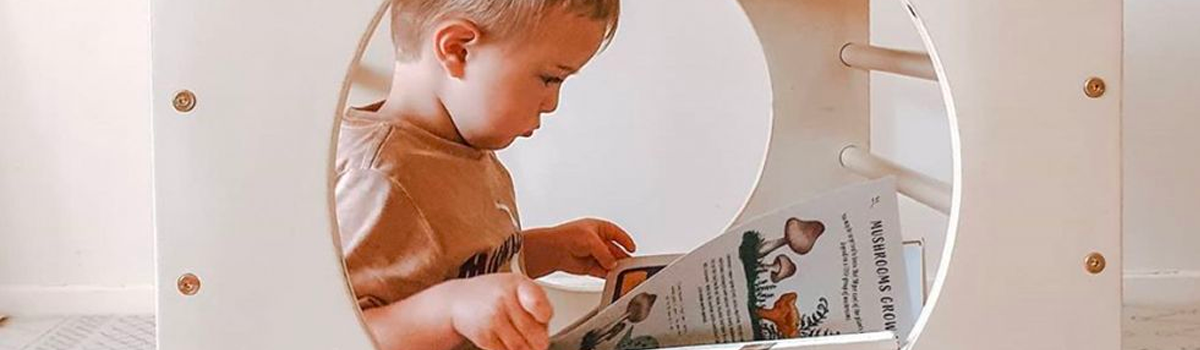
Children are naturally drawn to spaces that feel inviting, accessible and designed for them. A quality activity table creates a place where creativity can flourish, projects can continue and everyday activities can happen comfortably. Whether it's a quick colouring session before dinner, a rainy afternoon craft project or an ambitious building creation that takes days to complete, the right activity table gives children a dedicated place to explore their interests.

For parents, activity tables bring structure and organisation to activities that might otherwise spread throughout the home. For children, they create opportunities for greater independence, ownership and engagement. Explore our collection of kids activity tables and discover furniture designed to support the way children naturally play, learn and create.

Frequently asked questions
Why do activity tables often become one of the most-used furniture pieces in a home?

Many parents purchase an activity table expecting it to be used primarily for drawing or crafts. What often surprises them is how quickly the table becomes a central part of everyday family life. Children naturally gravitate towards spaces that feel familiar, accessible and connected to activities they enjoy.

An activity table can support an extraordinary range of experiences. One child may use it for puzzles and construction projects, while another uses it for colouring, sensory play, reading, pretend play or learning activities. Because the space is dedicated and predictable, children know exactly where to go when they want to engage with these activities independently.

This consistency is what gives activity tables their long-term value. Rather than serving a single purpose, they evolve alongside children's interests and become a place where countless moments of creativity, concentration and exploration occur. For many families, the activity table eventually becomes far more than furniture. It becomes the setting for some of childhood's most memorable everyday experiences.

What is the best activity table for preschoolers?

Preschoolers often use activity tables differently from toddlers. While younger children may move rapidly between activities, preschool-aged children are increasingly capable of spending longer periods drawing, building, creating and working through more complex projects. This means the best activity table for preschoolers is often one that provides flexibility and enough workspace to support growing interests.

Many preschoolers enjoy activities that involve multiple materials, such as craft projects, construction toys, early writing experiences, puzzles and imaginative play setups. A dedicated activity table gives them the room to organise these materials and revisit projects over multiple sessions. This is particularly valuable because children at this stage often develop strong interests that can become deeply immersive.

Parents looking for the best activity table for a 3, 4 or 5 year old should think beyond immediate needs and consider how the table will be used over the next few years. A versatile design that supports creativity, learning and independent play usually provides greater long-term value than furniture designed around a single activity or short developmental stage.

What makes a Montessori-inspired activity table different?

A Montessori-inspired activity table is designed around accessibility, independence and purposeful use. Rather than focusing on entertainment features or complex designs, the emphasis is placed on creating an environment where children can engage with activities confidently on their own.

The table itself is only one part of the equation. What makes a Montessori activity space effective is how it supports self-directed exploration. Materials are often organised within easy reach, activities are presented clearly and children are encouraged to choose, begin and complete tasks independently. The furniture simply helps make these experiences possible by providing a comfortable and appropriately sized workspace.

Many families searching for a Montessori activity table are really looking for ways to encourage greater independence at home. A dedicated activity area can help children take ownership of creative projects, puzzles, practical life activities and learning experiences without relying on constant adult assistance. Over time, this often leads to greater confidence and a stronger willingness to engage independently with meaningful activities.

The goal is not perfection or strict adherence to a philosophy. It's creating an environment where children feel capable, comfortable and motivated to explore their interests.

Can an activity table work in a small playroom or apartment?

Absolutely. In fact, families with limited space often benefit the most from a well-chosen activity table because it creates a defined area where multiple activities can happen without taking over the entire home. When space is limited, versatility becomes more important than size.

A quality activity table can function as a drawing station, puzzle area, sensory play space, craft table and learning zone all within the same footprint. This allows families to maximise the usefulness of a single piece of furniture rather than trying to accommodate separate areas for every activity. Many parents living in apartments, townhouses or smaller homes discover that a dedicated activity table helps create structure and organisation in spaces that need to serve multiple purposes.

The key is choosing a table that matches both your available space and the types of activities your child enjoys most. A thoughtfully designed activity area often feels larger and more functional than a bigger space without clear purpose. For many families, creating a dedicated activity zone helps reduce clutter while giving children a place where creativity and independent play can happen every day.

Are activity tables with storage worth it for families with young children?

For many families, storage is one of the most valuable features an activity table can offer. Children rarely use activity spaces for a single purpose. One day the table may be covered in crayons and paper, the next it might be filled with puzzles, construction toys, sensory materials or craft supplies. Without dedicated storage, these materials often end up scattered throughout the home, making both setup and clean-up more challenging.

An activity table with storage helps create a more organised environment where children can access materials independently and return them when they are finished. This is particularly helpful for families trying to encourage greater responsibility and self-directed play. When materials are visible and easy to reach, children are often more likely to initiate activities themselves rather than waiting for an adult to prepare everything.

Many parents initially view storage as a convenience feature, but over time it often becomes one of the biggest reasons the table is used consistently. By reducing clutter and making favourite activities easier to access, activity tables with storage help create a play environment that feels calmer, more inviting and easier to maintain throughout busy family life.

Is an activity table helpful for sensory play?

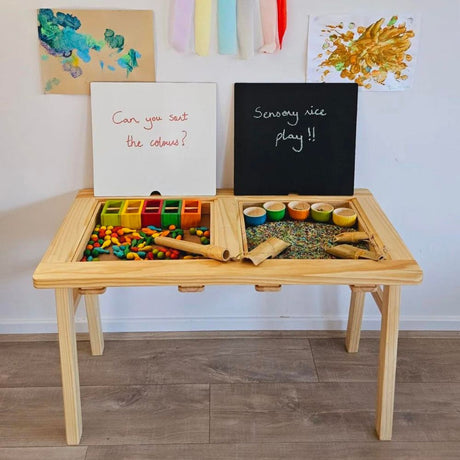
A dedicated activity table can be an excellent addition to sensory play setups because it provides a defined space where children can explore different materials without those experiences taking over the entire home. Water play, kinetic sand, sensory bins, loose parts, natural materials, play dough and creative sensory activities all become easier to manage when there is a dedicated area designed for hands-on exploration.

Many children are naturally drawn to sensory experiences because they provide opportunities to investigate textures, movement, cause and effect relationships and imaginative scenarios. A dedicated sensory activity table helps create an environment where this exploration feels purposeful and accessible.

For parents, the benefits are often equally significant. Sensory activities can be prepared more efficiently, materials remain organised and children have a familiar place where they know sensory experiences are encouraged. This reduces friction and makes it more likely that sensory play becomes a regular part of family routines rather than an occasional special event.

The most successful sensory play spaces are rarely complicated. They simply provide children with a comfortable, accessible area where exploration can happen freely and repeatedly.

Are activity tables good for arts, crafts and creative projects?

Activity tables are particularly valuable for children who enjoy arts and crafts because they provide a dedicated workspace where creative projects can develop naturally over time. Unlike dining tables, which often need to be cleared quickly, a dedicated activity table allows children to leave projects partially completed and return to them later.

This can have a surprisingly positive impact on creative confidence. Children who know they don't need to finish everything immediately are often more willing to experiment, take creative risks and spend longer periods immersed in their work. Drawing, painting, colouring, collage, construction projects and open-ended creative activities all benefit from having a consistent workspace.

Parents searching for an activity table for crafts often underestimate how much organisation influences creativity. When materials have a designated home and children know where activities happen, the barrier to getting started becomes much lower. Instead of waiting for an adult to set everything up, children can begin creating independently.

For families with creative children, a quality activity table often becomes one of the most frequently used furniture pieces in the home because it supports countless different forms of expression and exploration.

Why do children often engage longer when they have a dedicated activity table?

Children thrive when they have environments that feel predictable, accessible and designed around their interests. A dedicated activity table creates a sense of place that helps children transition into focused play more easily than constantly moving between different areas of the home.

When materials are accessible and activities can remain partially completed, children are often more willing to revisit projects and continue exploring ideas. This is particularly noticeable with puzzles, drawing projects, building activities, crafts and imaginative play scenarios that develop over several sessions rather than being completed all at once.

Many parents searching for an activity table for independent play are really trying to solve a behavioural challenge. They want children to engage more deeply with activities without requiring constant setup, supervision or redirection. A dedicated activity space helps achieve this by making it easier for children to initiate play independently.

Over time, the table itself often becomes associated with creativity, exploration and concentration. Rather than asking what activity to do next, many children naturally return to their activity space and continue engaging with materials that are already available to them.

What is the best activity table for toddlers?

The best activity table for toddlers is one that balances accessibility, durability and flexibility. Toddlers use tables very differently from older children. They move between activities quickly, experiment constantly and often use the same space for drawing, building, sensory exploration, snacks and imaginative play.

A quality toddler activity table should feel approachable and easy to use independently. Children are far more likely to engage with activities when furniture is scaled appropriately for their size and allows them to sit, stand and move around comfortably. Tables that feel too large or formal can sometimes discourage spontaneous play and experimentation.

Many families searching for an activity table for toddlers are also looking for a practical solution to everyday mess. Having a dedicated place for colouring, puzzles, play dough, crafts and construction toys can help contain activities within one area while giving children a familiar environment where they can play confidently.

Rather than focusing solely on age recommendations, consider how your child currently spends their time. The best activity table is one that supports the activities they naturally gravitate towards and remains useful as those interests continue to evolve.

What is the difference between an activity table and a regular kids table?

While they may look similar at first glance, activity tables and kids tables are often purchased for very different reasons. A standard kids table is typically used as a general-purpose surface for meals, occasional colouring, games or everyday family activities. An activity table, on the other hand, is usually chosen to support specific forms of play, creativity and learning that occur regularly throughout the week.

Many parents begin searching for a kids activity table when they notice projects taking over the dining table, craft supplies spreading throughout the home or children struggling to find a consistent place to draw, build and create. Activity tables are often designed to support longer engagement with activities such as puzzles, sensory play, arts and crafts, construction toys and imaginative projects.

The difference is less about the furniture itself and more about the role it plays within the home. An activity table creates a dedicated destination for creativity and independent play. For families with children who love hands-on activities, this dedicated space often encourages greater organisation, fewer interruptions and more opportunities for children to return to unfinished projects throughout the day.