Click & Collect or 24hr Dispatch*


What Parents Are Really Buying in a Science Kit

People assume science kits teach science. The good ones don't, exactly — they teach children that questions are worth investigating, and the facts come afterwards. That's a very different, and far more valuable, mindset. It shows in the reviews parents actually write: not "my child now understands polymers," but "she wouldn't stop asking questions afterwards," "he wanted to do another experiment," "it was the first time we'd done something together that didn't involve a screen." Parents aren't buying chemistry. They're buying wonder. As one homeschooling parent put it, the best science kits feel like play first and learning second.

That's exactly the lens we use to choose the science kits for kids here. We look for kits that actually work (nothing kills curiosity faster than an experiment that flops because of poor instructions), that feel like play rather than homework, and that inspire more than one afternoon — the kind a child returns to, changing one variable at a time. A good science kit shifts a child from asking "what's the answer?" to asking "can we test it?", and that small shift is enormous. New to choosing them? Our guide to the best build & construct and STEM toys for kids can help you match a kit to your child.

Science Kits for Kids Hands-On Experiments Slime, Crystals & Volcanoes Curiosity, Not Curriculum

The Science Kit That Gets Kids Saying "Let's Try It"

The strongest pattern parents describe isn't a child reciting facts — it's a child who stops asking "what's the answer?" and starts asking "can we test it?" That tiny shift is the whole point of a good science kit. Children become investigators rather than receivers of information, and a fizzing reaction or a growing crystal is simply the hook that grabs their attention before the real thinking begins. Educators sometimes dismiss flashy experiments, but parents know better: the "WOW!" moment is what opens the door, and the "why?" walks straight through it.

And the science rarely stays in the box. Parents consistently describe the experiments escaping the kit entirely — after a simple density experiment, every drink in the fridge becomes a potential science project; suddenly the child wants to know will vinegar work on this, can we freeze that, can we grow another crystal. The kit becomes permission to experiment everywhere, and the kitchen quietly turns into the most exciting room in the house. That's exactly what parents hope for: not a finished worksheet, but a child collecting questions faster than anyone can answer them.

Science Kits for the Child Who Doesn't Like Worksheets

Several parents make the same observation: children who seem to lose interest in science at school often become completely absorbed the moment they can touch, pour, mix and observe. It's usually not that they dislike science — they dislike only reading about it. A hands-on science kit feels like a different activity entirely. And the best kits lean into that: as one parent put it brilliantly, "if my children think they're doing school, I've already lost." The right kit blurs the line between play and learning, so a child thinks they're just making slime, growing crystals or launching a rocket — and the understanding follows naturally.

You'll notice the scientific process appearing without anyone naming it. Children start saying "I think it'll float," "I think it'll turn blue," "I think this one will grow faster" — predicting, then testing, exactly as scientists do. They'll repeat a favourite experiment not because they forgot it, but because they changed something: more water, less salt, a warmer room. They're exploring variables instinctively. None of it feels like homework, which is precisely why it works — the curiosity stays switched on because the child never realises they're "learning."

Where the Real Pride Comes From

Ask parents what expression they see most during a science kit and it isn't excitement or surprise — it's pride. "I figured it out." "I made it work." "I knew that would happen." Those moments matter far more than memorising any scientific vocabulary, because the pride comes from discovery rather than from being told. And children rarely keep it to themselves: they tell Dad, Grandma, the neighbours, their teacher — explaining what happened, why it happened, and what surprised them. The experiment becomes a story they perform, and a science kit quietly becomes the source of family conversations.

Science kits also teach a couple of lessons that sneak up on you. They build patience differently from building toys — instead of patience through construction, it's patience through waiting: for crystals to form, seeds to sprout, reactions to finish. Children discover that some answers don't arrive immediately, and that the waiting is part of it. And when an experiment doesn't go to plan, children rarely say "it failed." They ask "what did we do differently?" — learning, almost by accident, one of science's biggest truths: an unexpected result is still useful information.

Start here

Choosing the Right Science Kit for Your Child

The best science kit isn't the most advanced — it's the one that matches an interest your child already has.

Start with a themed kit if:

Your child already loves a topic (space, slime, volcanoes, bugs)
It's a first science kit
You want quick, satisfying 'WOW' experiments to hook curiosity

Choose a broader / reusable kit if:

They already love experimenting and asking why
You want experiments they can repeat and vary
You'd like real equipment they can reuse across activities
Whatever you choose, prioritise kits that actually work and inspire more than one experiment — interest comes before education, and reusability is the clearest sign of lasting value.

Why Families Choose Our Science Kits

Chosen because they actually work — well-tested, clear instructions

Play first, learning second — never homework

Real equipment and themes children already love

Dispatched from Melbourne — NDIS registered provider

What Makes a Great Science Kit?

Across hundreds of parent reviews, the same five things separate a great science kit from a disappointing one. First and most important: it actually works — nothing loses a family faster than an experiment that fails because of poor instructions or unreliable materials, so well-tested activities with clear directions matter enormously. Second, it uses real equipment — beakers, pipettes, magnifying glasses, goggles — because feeling like a real scientist gives a child ownership of the experience.

Third, it encourages more than one experiment: the most-loved kits inspire variations, follow-up questions and repeat investigations, so reusability is a strong marker of value. Fourth, it explains without overwhelming, answering "why?" in simple language after the fun rather than interrupting it. And fifth, it matches the child's interests — a themed kit around something they already love (dinosaurs, space, slime, crystals) almost always beats the generically "best" kit. These are exactly the criteria we use when deciding which science kits to stock.

Science Kits vs STEM Building Toys: Which Curiosity?

These two categories satisfy genuinely different kinds of curiosity, and it's worth knowing which suits your child. STEM building toys essentially ask "can you design a solution?" — the child creates, builds and engineers. Science kits ask "can you discover why this happens?" — the child investigates, predicts and observes. One leans toward creating, the other toward investigating. A child who wants to make things often gravitates to building; a child who wants to find out why things happen often loves science kits.

Plenty of families end up loving both, because the two scratch different itches and feed into each other — a child who builds a marble run and asks why the marble speeds up is doing both at once. If you're not sure which way your child leans, that's completely fine; our Advanced Building & STEM sub-hub brings science kits, building toys and marble runs together so you can explore the whole spectrum of hands-on, curious play.

Science Kits That Keep Curiosity Alive
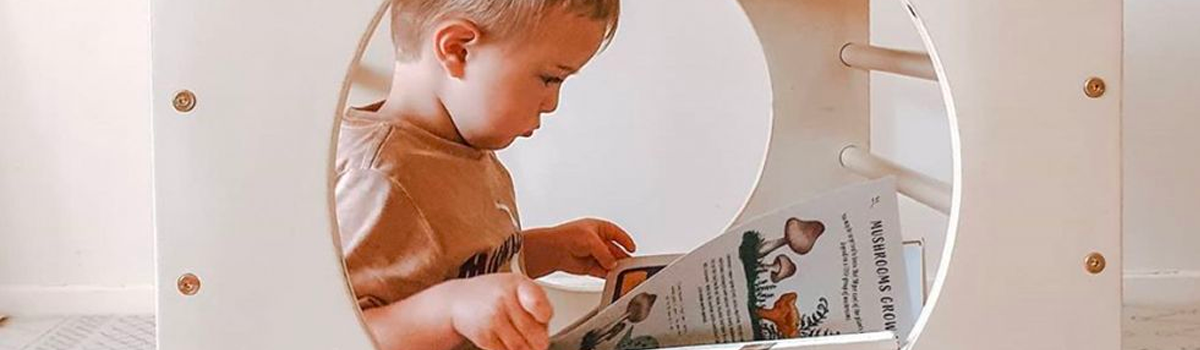
Every preschooler asks hundreds of questions. As children get older, many start worrying about having the right answer instead. The quiet magic of a good science kit is that it reminds a child that asking a great question can be just as exciting as finding the answer — that the world is something they can investigate for themselves. That's the real value of the category, and it's worth far more than any single fact a kit might teach.

Explore the science kits above and choose around what already lights your child up, then pair them with STEM building toys and marble runs so their curiosity has room to grow. To go deeper, read the day my child stopped asking me for the answer.

Frequently asked questions
Do you make your own science kits?

Our science kits are carefully chosen third-party brands rather than an own-brand range. We curate them against what parents tell us matters most — kits that genuinely work, use real equipment, inspire repeat experiments, explain simply and come in themes children already love. Specific brand details, contents and age guidance are listed on each product page so you can choose the right fit.

Do science kits need a lot of parent involvement?

Less than many parents fear, which is part of their appeal. A good kit has everything prepared, tested and explained, so you don't need to feel confident in science yourself — that anxiety is exactly what a well-made kit removes. Typically an adult reads the instructions at first, then children gradually lead the experiments themselves, and eventually start inventing their own. That progression toward independent, self-directed curiosity is what most parents are hoping for.

What's the difference between a science kit and a STEM building toy?

They satisfy different kinds of curiosity. STEM building toys ask 'can you design a solution?' — the child creates and engineers. Science kits ask 'can you discover why this happens?' — the child investigates and observes. One leans toward creating, the other toward investigating. Many children love both, since they feed into each other, and our Advanced Building & STEM range covers both if you're not sure which way your child leans.

What makes a great science kit?

Five things come up again and again: it actually works (reliable materials and clear directions), it uses real equipment like beakers and magnifying glasses so children feel like real scientists, it encourages more than one experiment (reusability is a key marker of value), it explains without overwhelming, and it matches your child's interests. A kit that ticks these keeps curiosity alive rather than denting it with a flopped experiment.

How do I choose the right science kit?

The most practical tip from hundreds of parents: match the kit to an interest your child already has, rather than buying the 'best' one. A space-mad or slime-obsessed child will dive into a themed kit far faster. Beyond that, look for a kit that actually works (clear, well-tested instructions), uses real equipment, inspires more than one experiment, and explains 'why?' simply. Interest comes before education every time.

Are science kits actually educational, or just fun?

Both — and the fun is what makes them educational. The best science kits feel like play first and learning second, so a child thinks they're just making slime or launching a rocket while the understanding follows naturally. They quietly teach the scientific process (predicting, testing, observing, exploring variables) and bigger lessons like patience and that unexpected results are still useful. As one parent put it, 'if my children think they're doing school, I've already lost.'

What age are science kits for?

There are science kits for a wide range of ages, from simple, supervised experiments for preschoolers through to more involved kits for primary-aged children (some are specifically designed for 5 year olds and up). The right kit depends more on your child's interests and how much they enjoy hands-on activity than their exact age. Always check the recommended age and any safety guidance on each kit, and supervise younger children.

What is a science kit for kids?

A science kit for kids is a hands-on set of materials and instructions for doing real experiments at home — things like growing crystals, making slime, erupting a volcano or exploring density. The best ones aren't really about teaching facts; they're about showing a child that questions are worth investigating. The experiment is the hook that grabs attention, and the curiosity it sparks is the real value.