Click & Collect or 24hr Dispatch*

25% Off Euca

EUCA25

Whole-body movement play

Active Play

For the child who turns steps, cushions, hallways and furniture into places to climb, balance, crawl, ride and try again.

Movement-as-play for children using their whole body and large muscle groups, where the movement itself is the point.

Explore the pathways


Introduction

Active Play is play in which a child uses the whole body and large muscle groups, and where the movement itself is the point. It includes movements such as climbing, running, jumping, balancing, swinging, riding, throwing, kicking, crawling through obstacles and chasing games.

You may also hear this called gross motor play. That simply means play using the larger muscles of the trunk, arms and legs, rather than the smaller movements of hands and fingers. We use Active Play because it is the clearer parent-facing name for movement-as-play.

Active Play equipment is not a requirement. Children can climb stairs, walk along kerbs, carry the washing basket, run at the park or turn the couch into an obstacle course. Equipment can be useful when it gives movement a clear place at home, especially when weather, space or the week itself makes outdoor movement harder.

Active Play equipment gives children a useful place to practise the kinds of movement they already seek — climbing, balancing, riding, crawling, jumping and moving their whole body. It does not replace everyday movement or outdoor play. It complements it.

Why It Matters

Movement is a natural part of childhood, and for many little ones, play is where much of that movement happens. Climbing, jumping, balancing, riding, throwing and navigating obstacles all ask children to use their bodies in different ways.

We don't think a piece of equipment needs to promise a developmental outcome to be worthwhile. What matters is what children actually get to do with it. They judge distance, adjust their movements, decide whether to try again and often return to the same challenge until they're ready for something new.

For us, the value of Active Play is much simpler: giving children space and opportunity for the movement they are already seeking.

Learning Themes

Judging, planning and adjusting

Climbing, balancing and obstacle play can involve judging distance, choosing a route, adjusting movement and working out what to do differently next time.

Trying visible challenges

Some Active Play is solitary practice. Some needs another person, such as chase, rough-and-tumble or games together. In this context, confidence simply means a child deciding whether to try a visible challenge; it is not something a purchase creates.

The ordinary language around movement

Active Play often comes with simple, useful words: higher, wait, my turn, too fast, slippery, again. That language belongs naturally to the play, but Active Play should not be bought as a vocabulary lesson.
A thoughtful place to begin

Start with the movement your child already seeks

Parents often start with a product type. We think it is more useful to start with the child.

Watch the movement they already return to. A child who is always climbing the furniture is asking for something different from a child who wants to ride, or find a wobble, or jump and tumble close to the floor.

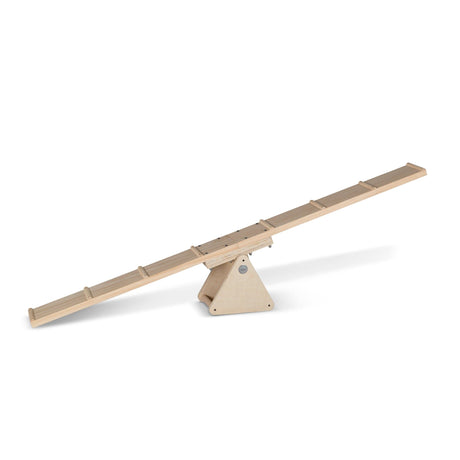
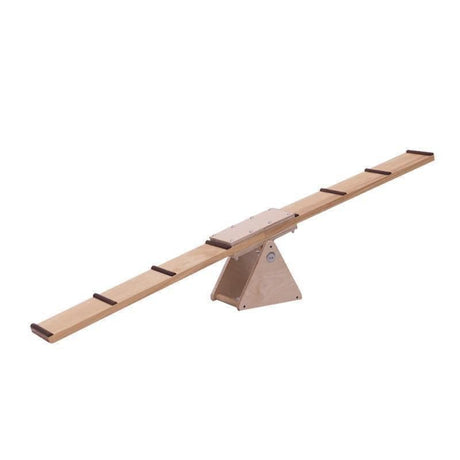
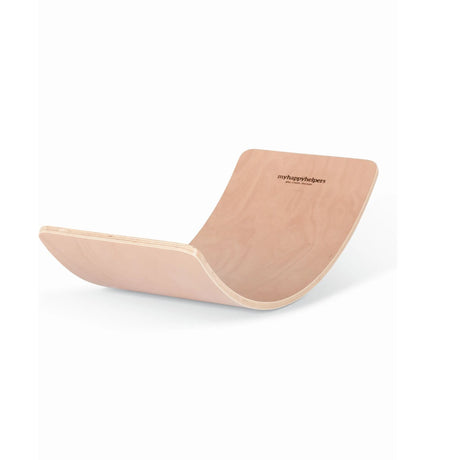
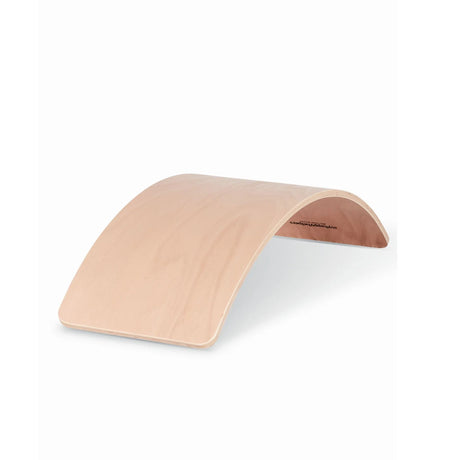
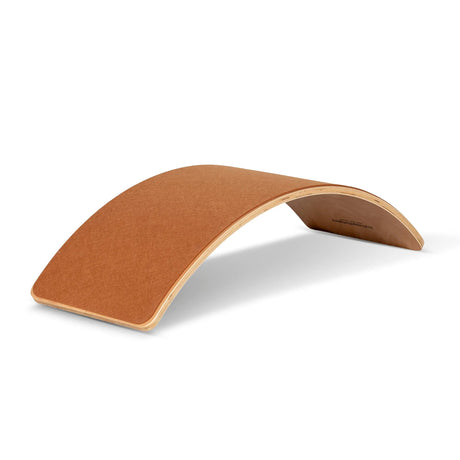
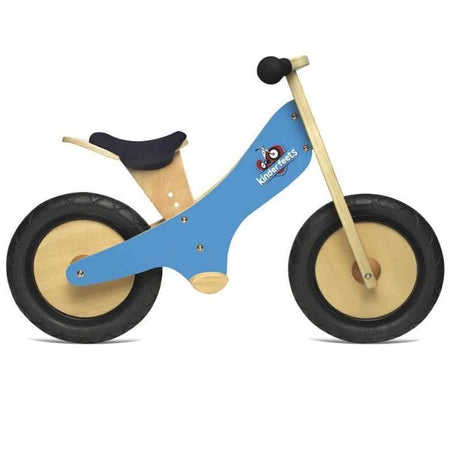
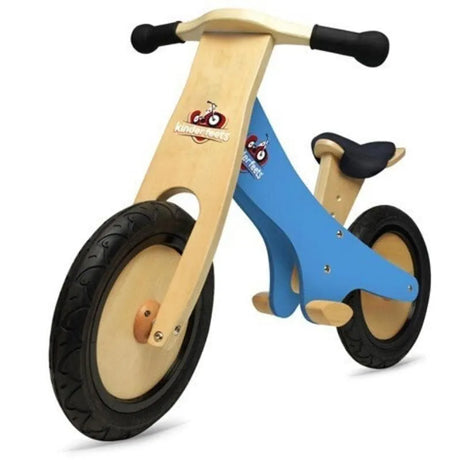
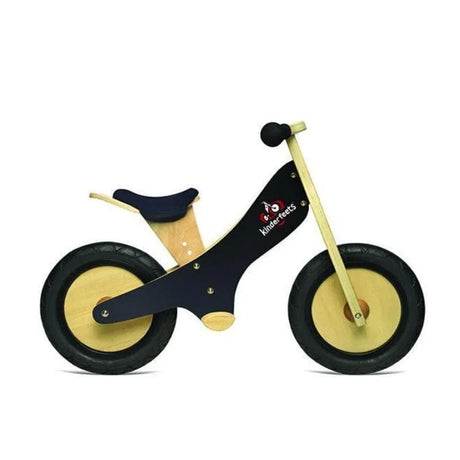
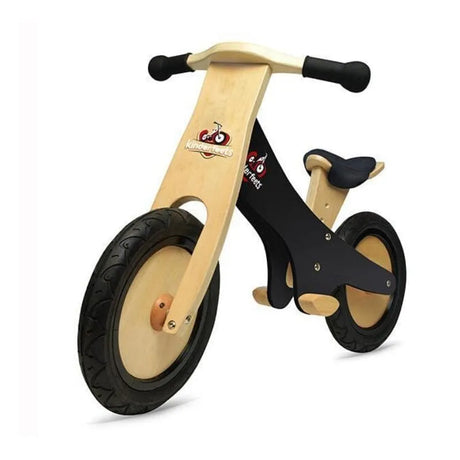
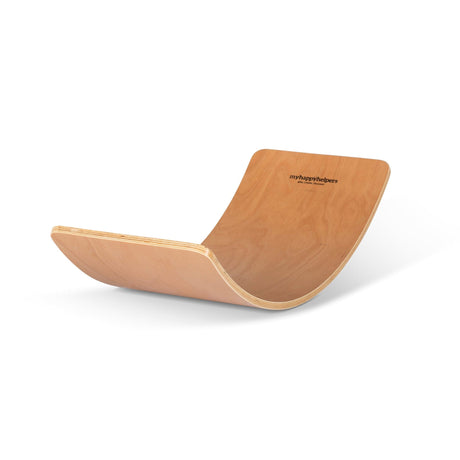
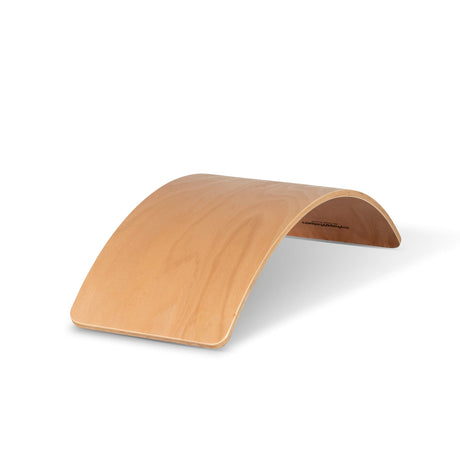
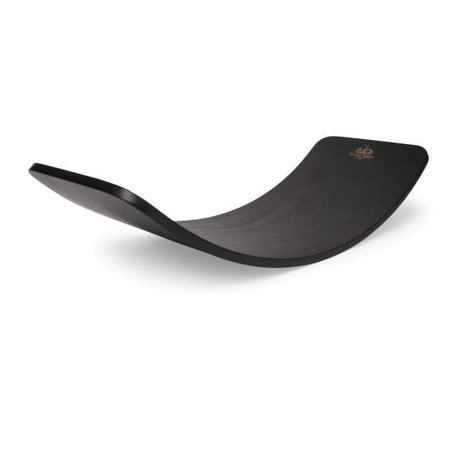
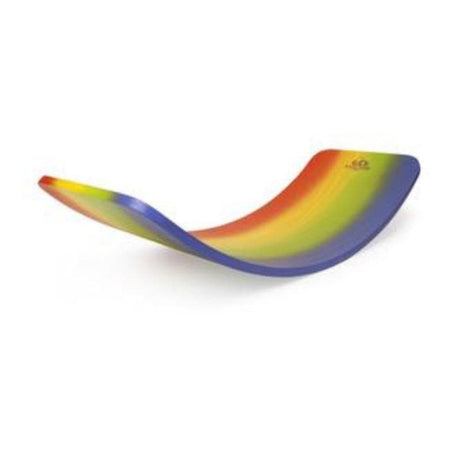
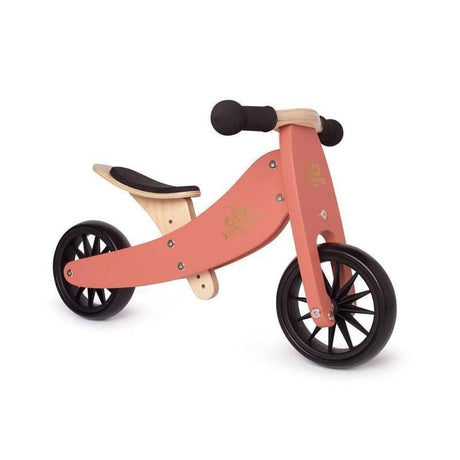
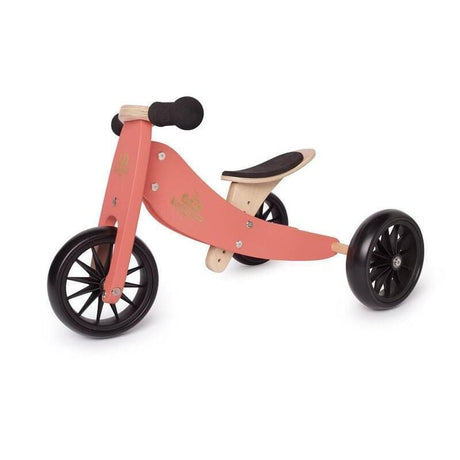
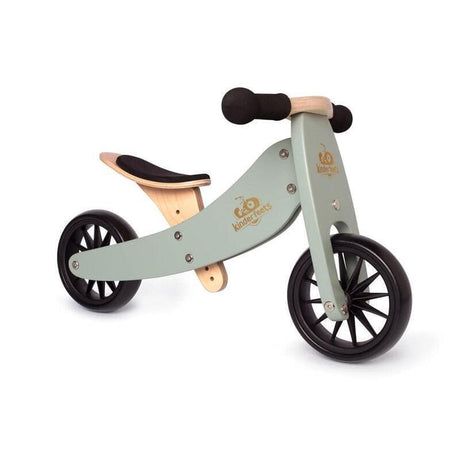
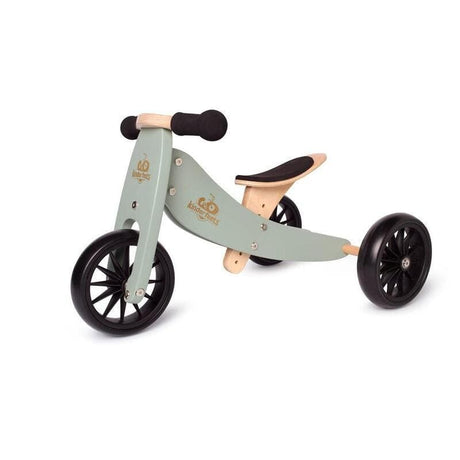
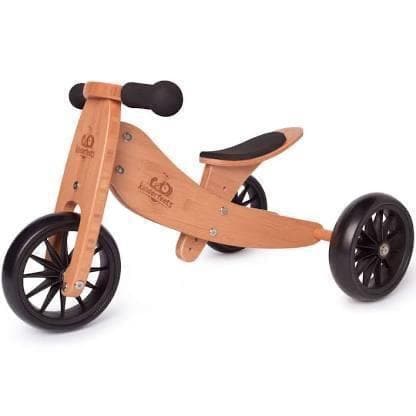
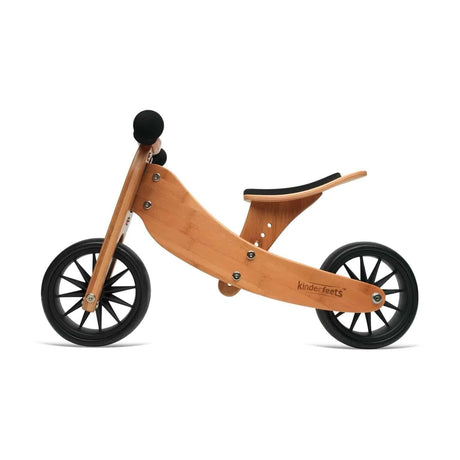
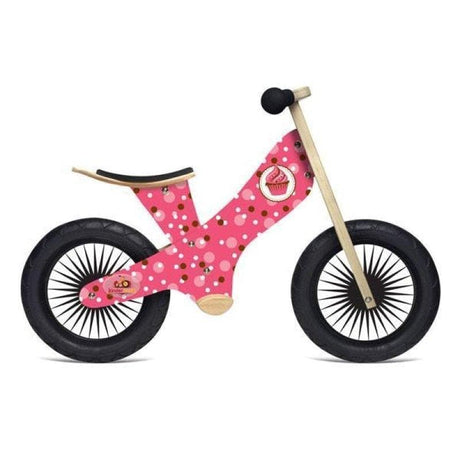
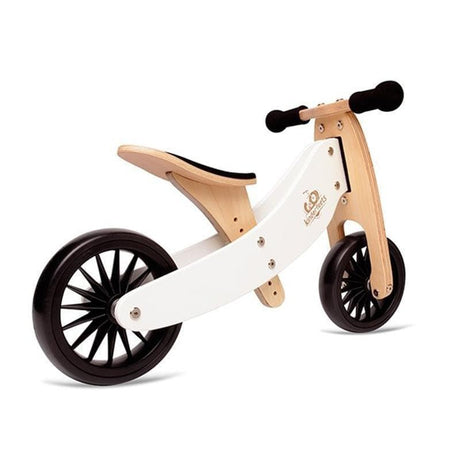
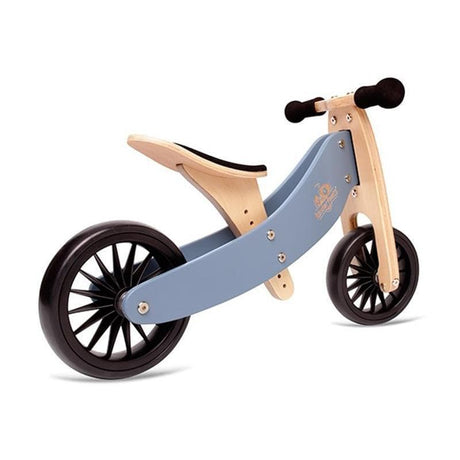
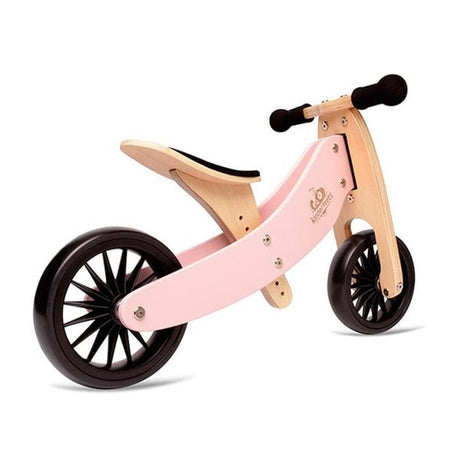
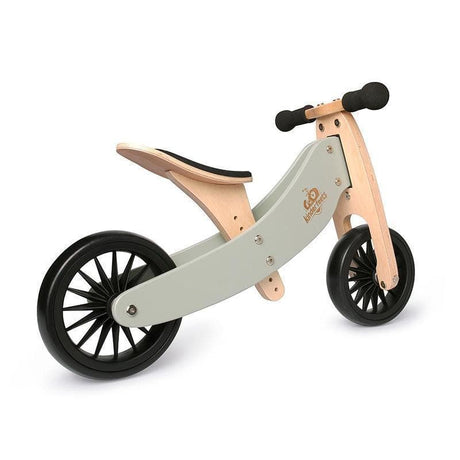
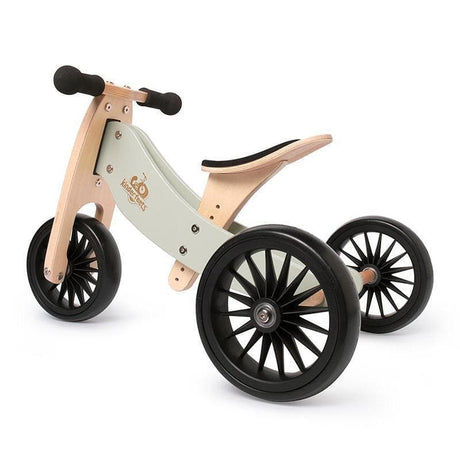
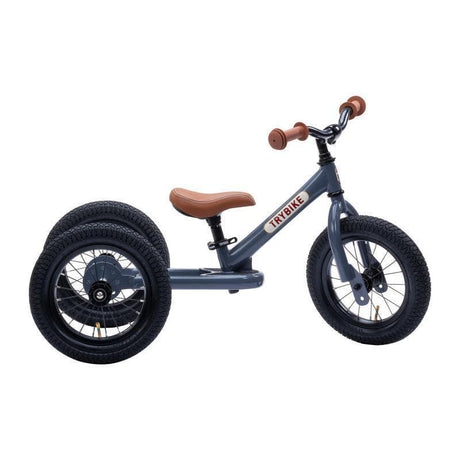
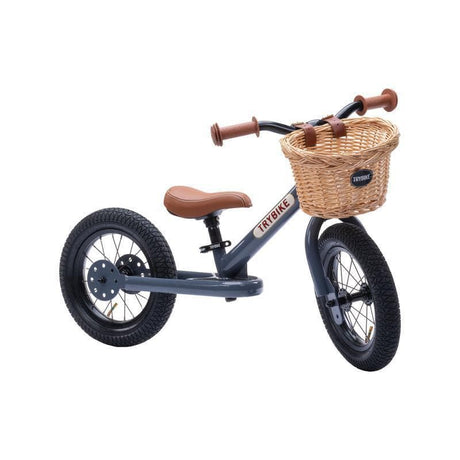
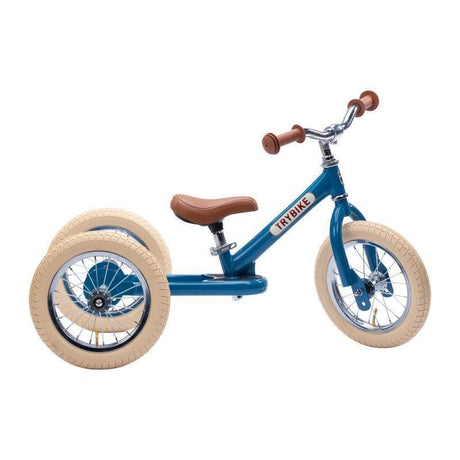
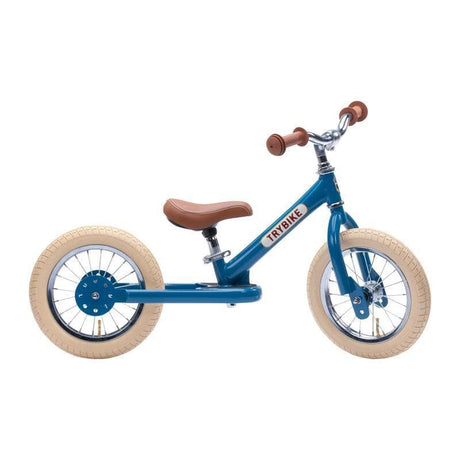
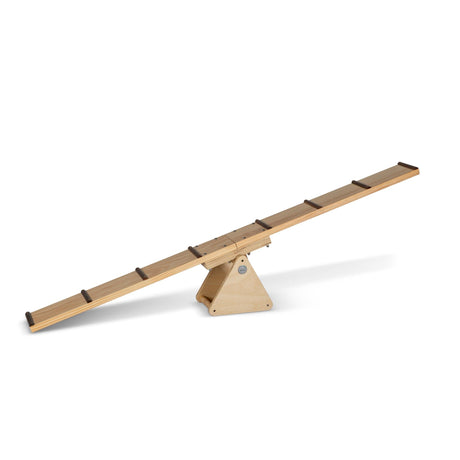
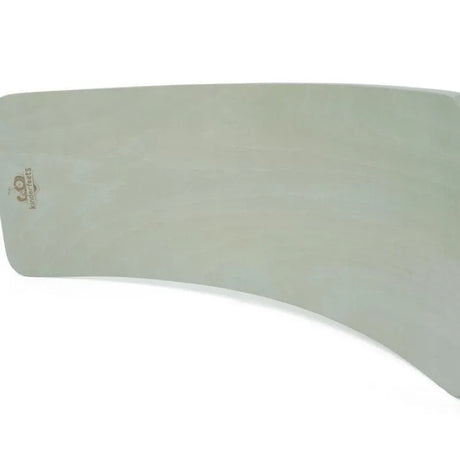
Once you can see that pattern, choose a piece that gives it a useful place to happen. That might be climbing or Pikler equipment. It might be stepping stones or a balance board. It might be a first ride-on. Or it might be soft, low movement play if they are not ready for a tall frame yet.

You do not need a whole set of equipment. Notice the movement that is already there, then give it a place.

Parent Guidance

Start by watching what your child already does. Do they climb the furniture, walk along every edge, hang from your arm, crawl under tables or want to move while listening? Those patterns are clues, not diagnoses.

You do not need to build a playground at home. Fewer pieces, more space around them, and permission to use ordinary household movement often works better than filling a room. If something gets ignored, try moving it closer to family life, changing what sits around it, or joining for ten minutes without directing the game. Children also return to things later.

Active Play will often be loud and in the way. Some of that can be managed with storage, rotation and where things live. Some of it is simply part of this kind of play.

Supervision matters, especially around heights, wheels, water, roads and equipment that can tip, trap fingers or be used outside its guidance. Check age markings, weight limits, surfaces and landing space. These are usage guides, not promises that something is safe in every home.

Choosing Guidance

Begin with the child, not the catalogue.

Ask what movement they already return to. Climbing, balancing, crawling, riding, jumping and carrying all point in different directions. You are not trying to manufacture a new interest; you are making room for one that is already there.

Then look at the home you actually have. Measure the footprint, the clearance around it, the landing space and where it will live when nobody is using it. Active Play equipment often feels larger in a living room than it does in a photograph.

Choose one versatile anchor before building an entire setup. A piece that can become something else tends to stay useful in more kinds of play. Versatile pieces can also leave more room for children to decide how they want to use them and what challenge comes next.

Finally, ask whether some of the real version can happen too. If they want to climb, where else can they climb? If they want to carry, what can they carry? If they want to walk the whole way, can the day stretch enough to allow it?

Equipment and real movement do not need to compete. We think they are better together.

Frequently asked questions

Questions parents often ask

At what age does Active Play begin?
Earlier than many parents expect. Early movement can include floor time, tummy time, rolling, pushing up, pulling to stand and cruising along furniture.

Active Play changes shape as children grow: early movement becomes walking and climbing, then running, jumping, riding and games with other children. Children reach these points on different timelines. If you have a specific concern about your child’s movement, a GP, child health nurse or paediatric physiotherapist is the right person to ask.
We live in an apartment. Is Active Play realistic for us?
Yes, but it changes what you choose and how you use the space.

Apartment-friendly Active Play usually means thinking carefully about storage, clearance and noise. Floor-level movement, crawling, balancing, climbing and rough-and-tumble can work indoors more easily than anything that needs a long run-up.

It is also worth being deliberate about where the outdoor part of the week comes from, rather than leaving it to whatever days happen to be free.
Does my child need Active Play equipment?
No. Children can find opportunities for Active Play almost anywhere — walking, running, climbing at the park, carrying things, balancing along a low edge or turning cushions into an obstacle course.

Equipment can simply give that movement a more obvious place at home. If you're choosing something, start with the kind of movement your child already seeks and the space you realistically have for it.
What’s the difference between Active Play and sport?
Both involve movement, but the structure is different.

In Active Play, the child usually sets the challenge: how high, how fast, when to stop, whether to try again. There is no score and no single correct way to do it.

Sport adds adult rules, coaching, teams and often a result. Sport can be a great fit for some families, but Active Play does not need to lead to sport to be worthwhile.
What’s the difference between Active Play and Sensory Play?
Active Play is movement-as-play: climbing, balancing, riding, crawling, chasing and using the whole body because the movement itself is the game.

Sensory Play is a different journey when the main purpose is sensory input or sensory exploration. Some objects and movements can sit near both worlds, especially rocking, spinning or balancing. The difference is the main reason you are looking: movement play belongs here; sensory-input needs sit in the sensory journey.