Click & Collect or 24hr Dispatch*

15% Off Sitewide & Clearance*

EOFY15
Understanding How Babies Learn Through Play During The First Year

Baby Toys

Play looks very different during the first year of life than it does later in childhood. Babies are not focused on building, pretending or following instructions. Instead, they are learning through observation, repetition, movement and sensory exploration. This guide helps parents understand how play develops during the first year and how different types of toys support babies as they begin discovering the world around them.

Start here

The most appropriate toys are not determined by trends or popularity. They are determined by what your baby is currently noticing, exploring and learning through play.

Babies develop rapidly throughout the first year. Understanding how play changes during this period can help parents choose experiences that feel engaging, appropriate and meaningful.

View as

Babies Learn Through Interaction, Not Entertainment

Many parents feel pressure to find the "right" toys during the first year, but babies are often far more interested in interaction than entertainment. They learn by watching faces, tracking movement, repeating actions and exploring the world through touch, sound and movement. As babies grow, their play gradually becomes more intentional. They begin reaching, grasping, shaking, chewing, observing cause and effect and interacting with their surroundings in increasingly purposeful ways. Understanding these changes can help parents focus less on having more toys and more on choosing experiences that align with their baby's stage of development.

First Play Experiences Learning Through Repetition Growing Curiosity Development Through Interaction
What Comes Next?

Play Changes Quickly During The Early Years

As babies become more mobile, curious and independent, their play often expands beyond simple exploration into sensory experiences, movement and early problem-solving. Understanding these next stages can help parents continue supporting development with confidence.

There Is No Perfect Toy For Every Baby

During the first year, babies develop at their own pace and often show very different interests from one another. Some spend long periods observing and watching, while others are eager to reach, grasp and explore every new object they encounter. These differences are entirely normal and reflect the unique ways children learn about the world around them.

Rather than focusing on having the most toys or constantly introducing new experiences, it can be helpful to pay attention to what your baby is currently interested in. Repetition, familiarity and simple opportunities for exploration often provide more value than an overflowing toy basket.

The goal is not to keep babies constantly entertained. It is to create opportunities for interaction, curiosity and discovery that align with their stage of development and growing understanding of the world around them.

Frequently asked questions

Questions parents often ask

Why Do Babies Sometimes Prefer Everyday Objects To Toys?

Parents are often surprised when a baby shows more interest in a wooden spoon, measuring cup or tissue box than a carefully chosen toy. While this can feel frustrating, it is also completely normal.

Babies are naturally curious about the world around them. They do not automatically categorise objects as toys and non-toys. Instead, they are interested in exploration. Everyday objects often provide interesting textures, shapes, sounds and opportunities for investigation that feel just as engaging as purpose-built toys.

Part of the appeal also comes from observation. Babies spend much of their time watching adults interact with everyday objects. This naturally increases curiosity and interest. Objects that adults frequently use can appear especially fascinating because they seem important within the child's environment.

This does not mean toys are unnecessary. Rather, it highlights that babies are motivated by exploration and discovery. Understanding this can help parents focus less on finding the perfect toy and more on creating safe opportunities for curiosity, interaction and learning through play.

Do Babies Need Lots Of Toys To Support Development?

The idea that babies need large numbers of toys to develop successfully is a common misconception. While appropriate play experiences are important, development is influenced by much more than the number of toys available.

Babies learn through relationships, movement, observation and interaction with their environment. Conversations, facial expressions, songs, routines and everyday experiences all contribute to development alongside play. Toys can support these experiences, but they do not replace them.

Many families find that fewer, thoughtfully chosen toys often create calmer and more engaging play environments than large collections of products. Too many options can sometimes make it difficult to identify what genuinely captures a baby's attention and interest.

Rather than focusing on quantity, it can be helpful to think about whether toys encourage meaningful exploration and interaction. Babies often benefit more from opportunities to engage deeply with a small number of appropriate experiences than from constantly rotating through large numbers of toys.

What Makes A Toy Appropriate For A Baby?

A toy does not need to be complicated to be appropriate for a baby. In fact, some of the most engaging toys for infants are often the simplest. Appropriate toys typically align with a baby's stage of development and support the ways they naturally interact with the world.

Babies learn through observation, touch, movement and exploration. Toys that encourage these experiences often feel more meaningful than those that overwhelm with excessive stimulation. The best toys for one stage may not be appropriate for another, which is why understanding developmental readiness can be helpful when making choices.

Safety is also an important consideration. Babies frequently explore objects using their hands and mouths, making suitability and age appropriateness essential factors. Beyond safety, however, parents can often benefit from asking a simple question: does this toy support the way my baby currently learns and explores?

Appropriate toys help create opportunities for interaction and discovery without expecting babies to engage in activities beyond their developmental stage. Matching experiences to readiness often leads to more meaningful play.

Why Do Babies Learn Through Repetition?

Many parents notice that babies seem content doing the same thing over and over again. Whether it is dropping an object repeatedly, shaking the same toy or returning to a familiar activity, repetition plays an important role in how babies learn.

Unlike adults, babies are encountering experiences for the first time. Repeating actions helps them understand patterns, develop predictability and build confidence in their abilities. Every repeated movement provides new information about how objects behave, how their bodies move and how their actions influence the environment around them.

What may appear simple or repetitive from an adult perspective is often highly engaging for a baby. Repetition allows them to refine skills, strengthen neural pathways and gradually build a deeper understanding of cause and effect. This process forms an important foundation for future learning.

Parents sometimes feel pressure to constantly provide new experiences, but babies often benefit just as much from revisiting familiar ones. Repetition helps transform curiosity into understanding and supports many of the developmental processes occurring throughout the first year.

How Does Play Change During A Baby's First Year?

Play evolves dramatically throughout the first year of life. What captures a newborn's attention is very different from what engages an older baby approaching their first birthday. Understanding these changes can help parents make more informed decisions about the experiences they introduce.

During the earliest months, babies are primarily observing. They watch faces, respond to voices and begin noticing movement, light and contrast. As they develop greater control over their bodies, they become increasingly interested in reaching, grasping and interacting with objects around them. These simple actions often mark the beginning of intentional play.

Later in the first year, babies typically become more curious about cause and effect. They may enjoy dropping objects repeatedly, shaking items to create sounds or exploring different textures and materials. What can appear repetitive to adults is often an important part of learning and development.

Understanding how play changes helps parents focus on meeting their baby where they are now rather than introducing experiences designed for a later stage. This often creates more meaningful and engaging opportunities for exploration.

What Toys Do Babies Actually Need During The First Year?

One of the most common questions new parents ask is whether their baby needs lots of toys to support development. In reality, babies often need far fewer toys than many families expect. During the first year, babies are not looking for complex activities or endless entertainment. They are learning through observation, repetition, movement and interaction with the people around them.

The most valuable play experiences are often those that match a baby's current stage of development. As babies grow, they gradually become interested in tracking movement, reaching for objects, exploring textures, repeating actions and understanding simple cause-and-effect relationships. Toys that support these natural behaviours often provide far more value than products packed with lights, sounds and multiple functions.
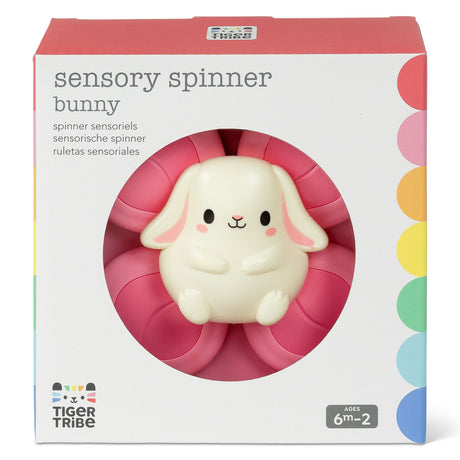
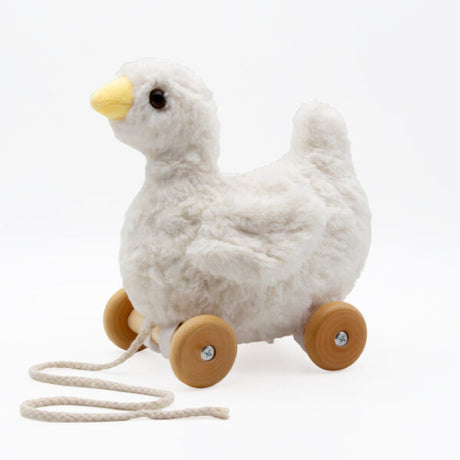
Many parents feel pressure to constantly introduce new toys, but babies frequently learn best through repetition. Returning to familiar objects allows them to build confidence and deepen their understanding of how the world works. Rather than focusing on quantity, it is often more helpful to think about whether a toy encourages interaction, exploration and engagement that feels appropriate for your baby's current stage of development.