Click & Collect or 24hr Dispatch*

15% Off Sitewide & Clearance*

EOFY15
Baby Rattles Designed For Little Hands And First Discoveries

Baby Rattles

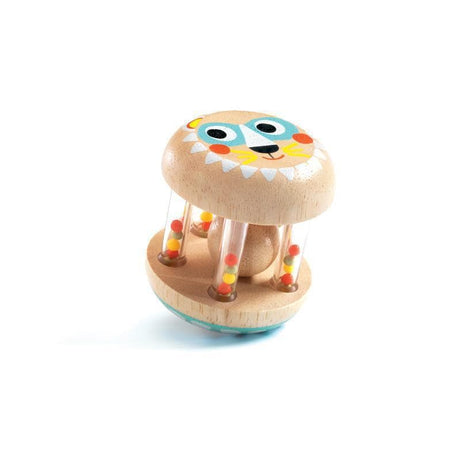
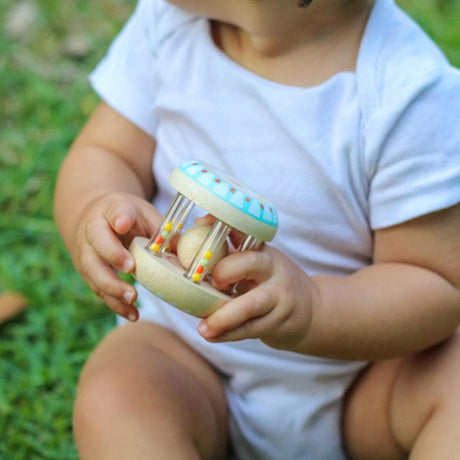
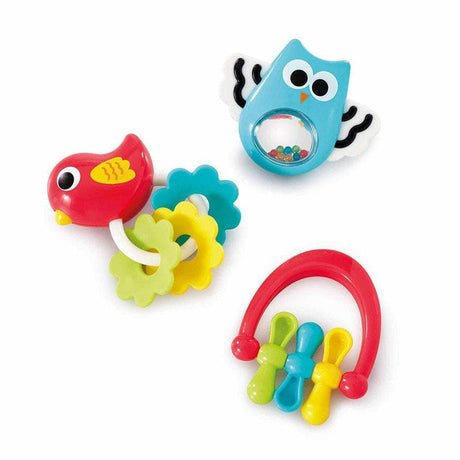
Few toys play a bigger role in a baby's early months than a simple rattle. As babies begin reaching, grasping and experimenting with movement, rattles help them discover that their actions can create a response. Whether you're searching for a first baby rattle, an infant rattle toy or a wooden baby rattle, choosing the right design helps build confidence during the earliest stages of independent play.


Why Baby Rattles Remain A First Favourite

Long before babies can stack blocks, complete puzzles or engage with more complex toys, they begin learning through simple movements. A baby rattle gives children immediate feedback for their actions. They move their hand, the rattle makes a sound. They shake it again and the same thing happens. This simple connection helps babies understand cause and effect while practising important skills like grasping, hand control and coordinated movement. The best baby rattles are easy to hold, comfortable to explore and suited to a child's current stage of development.

Easy To Hold Simple Cause & Effect Built For Early Grasping Suitable For Daily Play

Babies Learn Through Repetition


Many adults underestimate how much learning happens when babies repeat the same action again and again. Shaking a rattle repeatedly helps children understand that their actions create predictable outcomes, building confidence through repetition.

Grasping Comes Before Complex Play


Before babies can manipulate more advanced toys, they need opportunities to practise holding, transferring and controlling objects. Rattles provide an accessible way to build these early movement patterns.

Simple Toys Often Hold Attention Longer


Because rattles are easy to understand, babies can focus entirely on practising movement rather than figuring out how a toy works. This often results in longer engagement during the earliest stages of play.

Choosing An Infant Rattle For Babies Learning To Grasp

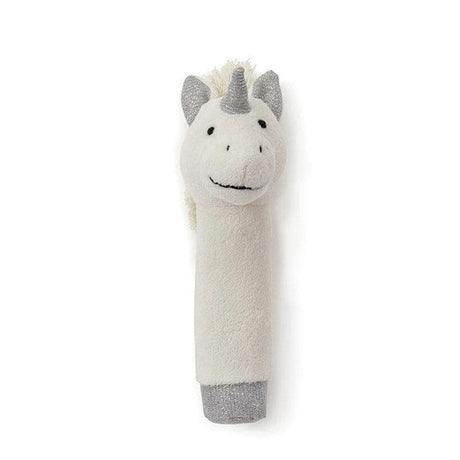
One of the biggest milestones in early play is when babies begin intentionally reaching for and holding objects. An infant rattle should feel manageable rather than challenging. Lightweight shapes, comfortable grip points and balanced designs help babies experience success more often, encouraging repeated practice. If your child is still learning how to hold toys independently, choosing an easy-grip infant rattle often leads to longer engagement and less frustration.

Wooden Baby Rattles Or Multi-Sensory Rattles: Which Suits Your Child?


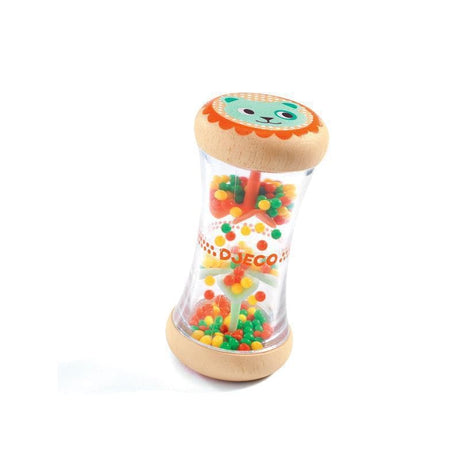
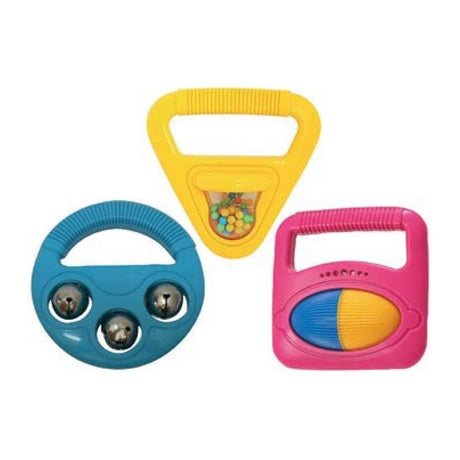
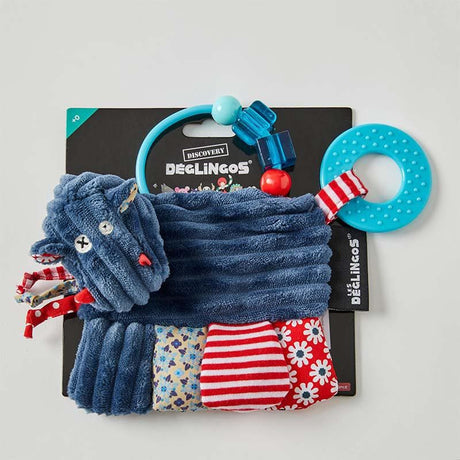
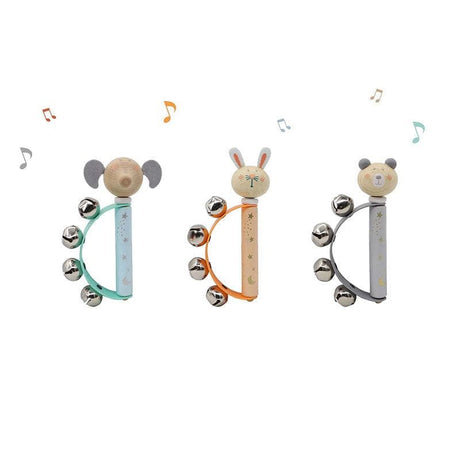
Some babies are captivated by simple wooden baby rattles that allow them to focus entirely on movement and sound. Others are drawn to rattles with multiple textures, colours or sensory elements. Neither option is better. The right choice depends on whether your baby is currently exploring simple cause-and-effect play or seeking a wider variety of sensory experiences during play sessions.

Choosing The Right Baby Rattle

Start With How Your Baby Uses Their Hands

The best baby rattle isn't determined by age alone. Watching how your child reaches, grasps and interacts with objects provides valuable clues about which style will be most engaging.

Choose First Rattles If Your Baby

  • Is beginning to reach for toys Drops objects frequently Needs lightweight designs Is practising grasping skills Enjoys simple movement Is learning hand control

Choose Interactive Or Sensory Rattles If Your Baby

  • Holds toys confidently Intentionally shakes objects Enjoys different textures Seeks varied sensory input Explores toys for longer periods Wants more than simple movement
A rattle should feel achievable for your child. Toys that match current abilities tend to be used more often and create more positive play experiences than those that feel too difficult or too basic.

Why Families Continue Choosing Baby Rattles

Easy for small hands to grasp

Supports early cause-and-effect discovery

Available in simple and sensory-rich designs
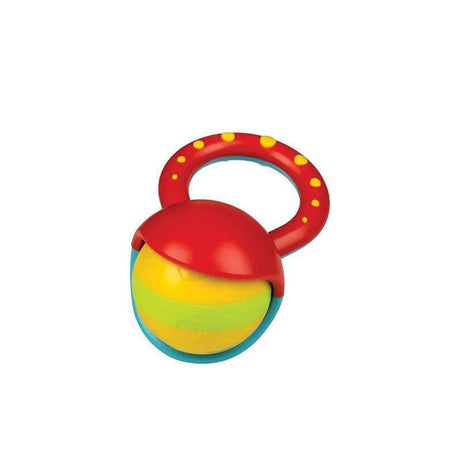
What Makes A Good Baby Rattle?


The most effective rattles are usually the easiest for babies to use independently. Consider weight, grip design, sound level and durability. A quality baby rattle should feel comfortable in small hands while encouraging repeated movement, exploration and experimentation.
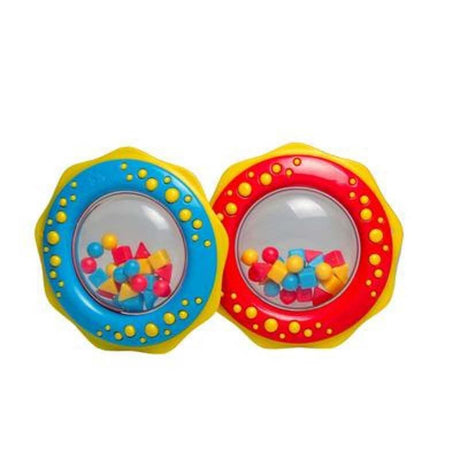
Not The Right Choice If...

If your baby is primarily chewing objects, exploring with their mouth or looking for gum relief, teething toys may be a better fit. If you're searching for broader sensory experiences or toys that support multiple developmental stages, Newborn Toys may provide a more suitable starting point.
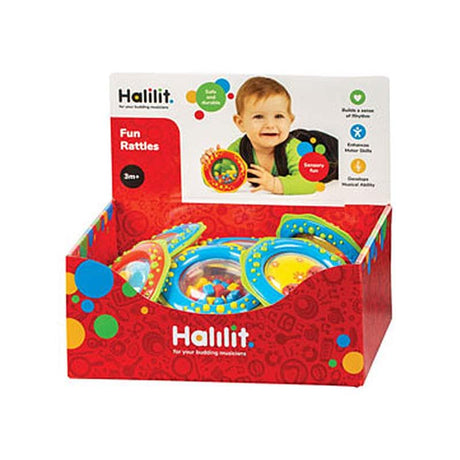
Choosing The Right Baby Rattle Starts With Your Child's Stage
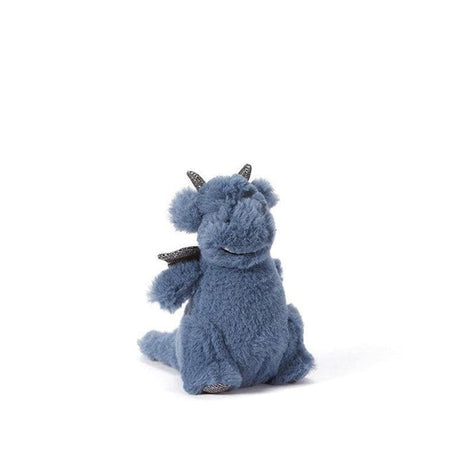
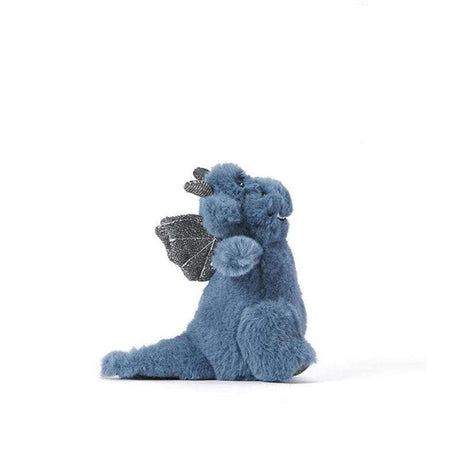

From first baby rattles for newborns through to more interactive infant rattle toys, the best choice depends on how your child is currently reaching, grasping and exploring. Some babies thrive with simple wooden baby rattles, while others prefer sensory-rich designs that encourage longer periods of interaction. By focusing on how your baby uses their hands rather than simply choosing by age, it becomes much easier to find a rattle toy that feels engaging, achievable and genuinely useful during the early months of development.

Frequently asked questions
Will my baby outgrow rattles quickly?

Most babies use rattles for longer than parents expect, although the way they interact with them changes over time. A newborn may simply watch or grasp a rattle. A six-month-old may shake it intentionally, transfer it between hands or combine it with other play activities. Because rattles support several stages of development, they often remain relevant throughout much of the first year. Choosing a well-designed rattle that matches your baby's abilities gives it the best chance of becoming a toy they return to regularly rather than one that gets ignored after a few weeks.

How do parents choose between a simple rattle and a sensory rattle?

The decision usually comes down to how your baby currently plays. Babies who are still learning to hold objects often benefit from simple rattles that focus on movement and grip. Once children become confident graspers, sensory rattles can introduce additional textures, sounds and interactive features that encourage longer periods of exploration. The goal is not choosing the most advanced toy. It is choosing the toy that feels achievable and rewarding for your baby's current stage.

Can rattles help babies learn cause and effect?


Cause-and-effect learning begins long before children can solve problems or follow instructions. A rattle provides one of the clearest examples. When babies move the toy and hear a sound, they begin recognising a connection between their actions and what happens next. Over time, this encourages experimentation, persistence and curiosity. Cause-and-effect play is one of the reasons rattles have remained popular for generations despite the introduction of increasingly complex toys.

Why do babies shake rattles repeatedly?


What looks repetitive to adults is often fascinating experimentation for babies. Every shake provides feedback about movement, sound and timing. Babies are learning that they can intentionally create an outcome through their own actions. Repetition helps strengthen these connections and builds confidence as babies realise they have some control over their environment. This is one reason rattles often remain engaging long after adults expect children to lose interest.

Do wooden baby rattles encourage different play than plastic rattles?


The biggest difference is often the play experience rather than the developmental outcome. Wooden baby rattles tend to offer simpler visual stimulation and encourage babies to focus on movement, grip and sound. Many parents choose wooden rattles because they appreciate the natural materials and timeless design. Plastic rattles may include additional textures, colours or moving components that create different sensory experiences. Neither option is inherently better. The best choice is the one that matches your baby's interests and stage of exploration.

Why do some babies keep dropping their rattles?


Dropping a rattle is often a sign of learning rather than frustration. Babies are still developing grip strength, hand control and the ability to coordinate movement. They may successfully grasp a rattle one moment and accidentally release it the next. This process is completely normal. In fact, repeatedly picking up, dropping and re-grasping toys forms an important part of how babies learn to control their hands. Lightweight rattles are often easier for younger babies because they require less effort to hold and manipulate.

What makes a good rattle toy for newborn babies?


The best newborn rattle toys focus on simplicity rather than features. Newborns are still learning how to track objects visually, coordinate movements and hold toys for short periods of time. Lightweight rattles with easy-grip shapes tend to be far more successful than oversized or heavily featured designs. A good newborn rattle should feel manageable in small hands and encourage repeated attempts to reach, grasp and explore independently.

Why are rattles often recommended as a baby's first toy?


Rattles are one of the first toys that allow babies to experience independent success. Unlike many toys that require advanced motor skills, rattles respond immediately to simple movements. A baby moves their hand, hears a sound and quickly begins connecting their actions with the result. This makes rattles one of the earliest introductions to cause-and-effect play. For many babies, a rattle becomes the first toy they can intentionally control, making it a valuable stepping stone before more complex toys are introduced later.

What's the difference between an infant rattle and a baby rattle?

In practice, there is very little difference between the two terms. Parents often search for infant rattles during the first six months, while baby rattles tends to be used more broadly across infancy. What matters most is whether the rattle suits your child's current abilities. An infant rattle should be lightweight, easy to grasp and comfortable for babies who are still developing hand strength and coordination. As babies become more confident, they often move towards larger or more interactive rattles with additional textures, sounds or movement features

How can parents tell when their baby is ready for their first rattle?


Many babies show signs they are ready for a first rattle before they can intentionally grab one. If your baby has started watching their hands, batting at toys hanging overhead or attempting to reach for objects, they are beginning to develop the coordination needed for rattle play. The best first baby rattles are lightweight, easy to grip and simple to manipulate. At this stage, success matters more than stimulation. Babies who can easily hold and move a rattle are more likely to repeat the action, building confidence and strengthening early hand control through everyday play.