Click & Collect or 24hr Dispatch*

Supporting Development, Comfort And Confidence Through The Early Years

Baby & Early Years

The early years are a time of extraordinary growth, discovery and change. As babies become toddlers and toddlers become confident young children, their needs evolve across play, movement, sensory exploration, sleep, feeding and everyday routines. This hub helps parents understand the different pathways that support development during the early years so they can confidently choose experiences and resources that align with their child's stage, interests and needs.


Frequently asked questions

Questions parents often ask

Why does my baby or toddler lose interest in toys so quickly?

It is completely normal for babies and toddlers to move rapidly between interests and activities. During the early years, children are developing at an extraordinary pace, which means their curiosity, abilities and developmental needs can change surprisingly quickly.

Losing interest in a toy does not necessarily mean something is wrong with the toy. In many cases, children simply become ready for new challenges or different types of exploration. A toy that was highly engaging a few months ago may no longer provide enough novelty, challenge or developmental relevance.

Children are also naturally drawn to real-life experiences. Everyday activities such as exploring the environment, watching adults, moving around the home and interacting with family members often compete successfully with traditional toys because they provide rich opportunities for learning and discovery.

Parents can support ongoing engagement by offering variety, rotating toys and focusing on experiences rather than constantly purchasing new products. Sometimes a child's changing interests simply reflect healthy development as they move through new stages of curiosity, confidence and exploration.

How can I avoid buying too many toys for my baby or toddler?

The early years industry can make parents feel as though children need an endless supply of products, activities and developmental resources. In reality, many babies and toddlers thrive with a smaller collection of carefully chosen toys and experiences that encourage exploration and engagement.

One helpful approach is to focus on quality rather than quantity. Toys that support multiple forms of play, encourage creativity or evolve alongside a child's abilities often provide more long-term value than novelty items designed for a single purpose. Rotating toys rather than constantly introducing new ones can also help maintain interest while reducing clutter.

Parents may also benefit from considering what role a toy plays in their child's development. Rather than purchasing multiple products that serve the same purpose, it can be helpful to create a balanced collection that supports different experiences such as sensory exploration, movement, problem-solving and imaginative play.

Children rarely benefit from being overwhelmed with options. A simpler environment often allows them to engage more deeply, concentrate for longer and make better use of the resources already available to them.

How does sensory play support babies and toddlers?

Sensory play plays an important role in early childhood because it helps babies and toddlers learn about the world through direct experience. Young children naturally explore through touch, sound, sight, movement and, in many cases, taste. Sensory experiences provide opportunities for children to process information, make connections and develop a deeper understanding of their environment.
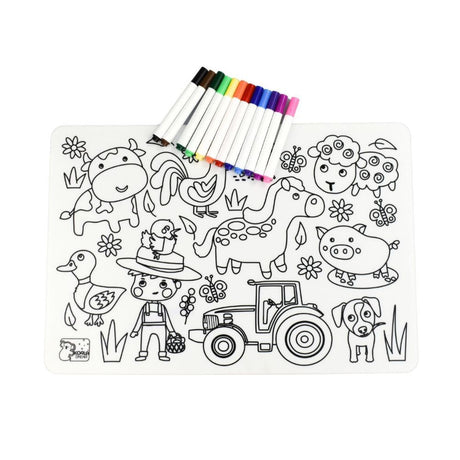
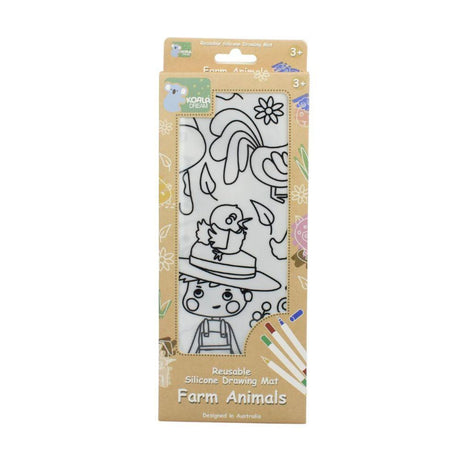
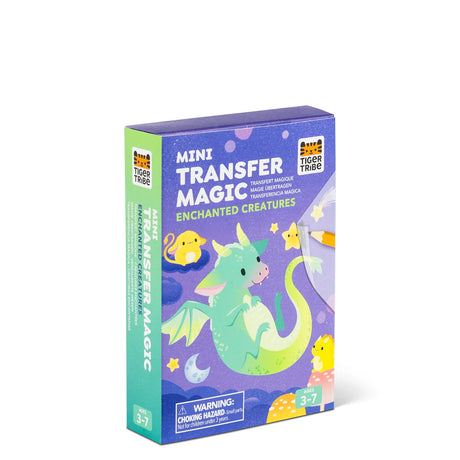
For babies, sensory exploration often begins with simple experiences such as listening to sounds, observing movement, feeling different textures and exploring objects with their hands. As children become toddlers, sensory play frequently becomes more active and intentional as they experiment with materials, investigate cause and effect and seek new experiences.

Sensory activities can also support concentration, curiosity and confidence by allowing children to explore at their own pace. Many sensory experiences encourage children to actively engage with their environment rather than simply observing it.

While sensory play is often associated with specific activities, it is important to remember that sensory learning occurs throughout everyday life. Movement, outdoor exploration, bath time, creative activities and daily routines can all contribute to sensory development during the early years.

What is the difference between baby toys and toddler toys?

Although baby toys and toddler toys are often grouped together, they are designed to support very different stages of development. During infancy, children are primarily learning through sensory exploration, movement and simple cause-and-effect experiences. Babies spend much of their time discovering how their bodies work, responding to sounds, exploring textures and developing foundational skills such as reaching, grasping and tracking objects visually.

Toddlers, on the other hand, are becoming increasingly independent and curious about the world around them. They often seek opportunities to experiment, solve simple problems, imitate everyday activities and engage in more purposeful play. As their confidence grows, they begin exploring movement, language, creativity and social interaction in more complex ways.

This shift means that toys and activities often evolve from simple sensory experiences towards resources that encourage imagination, problem-solving, coordination and independent exploration. Understanding the difference between these stages can help parents make more confident decisions while ensuring children continue to encounter experiences that feel engaging, appropriate and developmentally supportive.

What toys do babies actually need in the first year?

One of the most common concerns for new parents is whether they are providing enough stimulation and learning opportunities during the first year. The good news is that babies need far less than many marketing messages suggest. During the early months, babies learn primarily through relationships, movement, sensory experiences and everyday interactions with the people around them.

Rather than needing large numbers of toys, babies often benefit most from a small collection of age-appropriate resources that encourage exploration through sight, sound, touch and movement. As babies grow, they become increasingly interested in cause and effect, grasping, reaching, problem-solving and discovering how their actions influence the world around them.

Parents often feel pressure to constantly introduce new products, but development during the first year is driven more by opportunities for exploration than by quantity. Simple sensory experiences, tummy time, movement opportunities and engaging play interactions can all contribute significantly to learning and development.

The goal is not to provide endless entertainment. It is to support curiosity, confidence and discovery through experiences that evolve alongside a baby's rapidly changing abilities.

How do I know if a toy is appropriate for my child's age?

One of the most common concerns for new parents is whether they are providing enough stimulation and learning opportunities during the first year. The good news is that babies need far less than many marketing messages suggest. During the early months, babies learn primarily through relationships, movement, sensory experiences and everyday interactions with the people around them.

Rather than needing large numbers of toys, babies often benefit most from a small collection of age-appropriate resources that encourage exploration through sight, sound, touch and movement. As babies grow, they become increasingly interested in cause and effect, grasping, reaching, problem-solving and discovering how their actions influence the world around them.

Parents often feel pressure to constantly introduce new products, but development during the first year is driven more by opportunities for exploration than by quantity. Simple sensory experiences, tummy time, movement opportunities and engaging play interactions can all contribute significantly to learning and development.

The goal is not to provide endless entertainment. It is to support curiosity, confidence and discovery through experiences that evolve alongside a baby's rapidly changing abilities.