
Click & Collect or 24hr Dispatch*

Further 10% Off Clearance

EXTRA10
Build anything today

Wooden Blocks for Kids & Toddlers

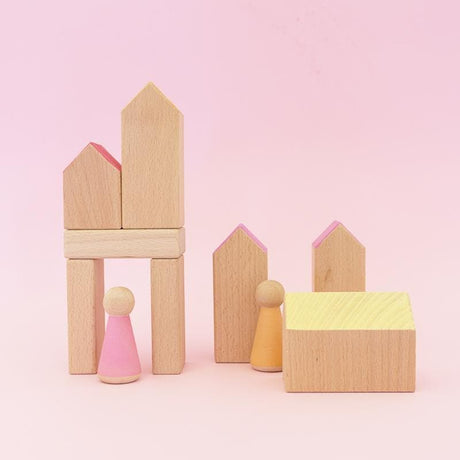
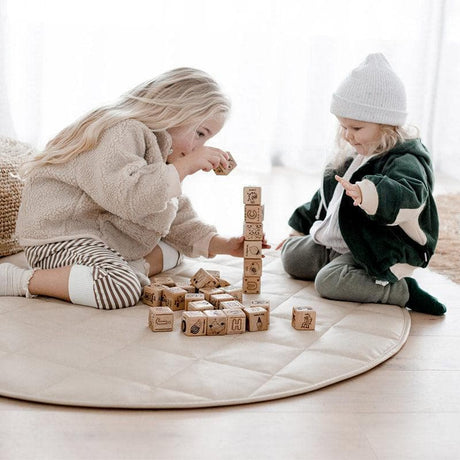
Parents rarely buy wooden blocks because a label says “educational.” They buy them looking for the one toy that never gets finished — and that’s exactly what wooden building blocks are. A wooden block asks one question every time a child picks it up: what do you need me to be today? Some days a bridge, some days a birthday cake, some days the wall of a castle.

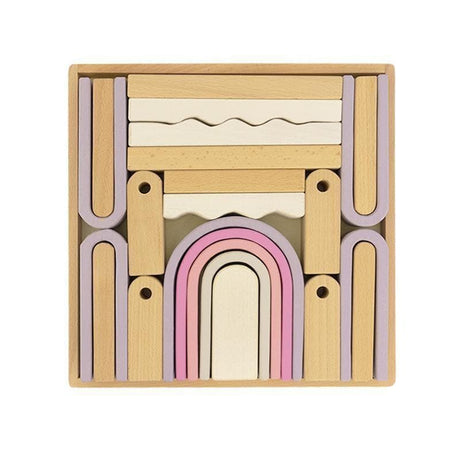
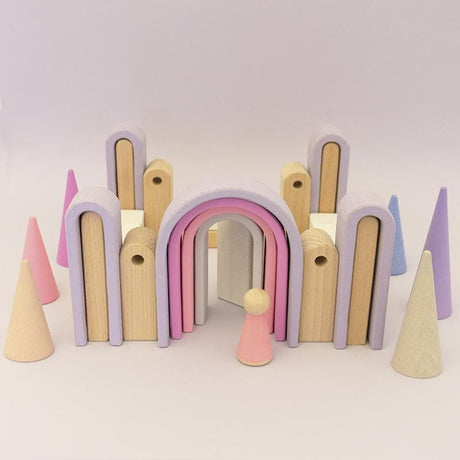
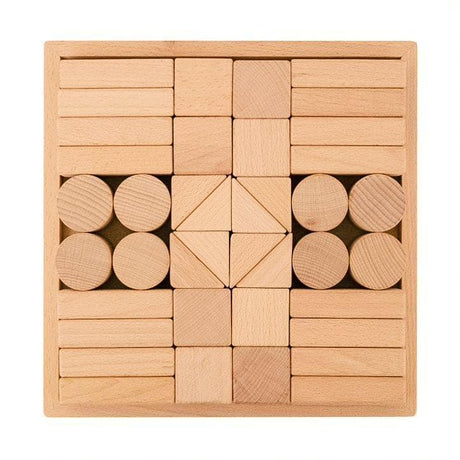
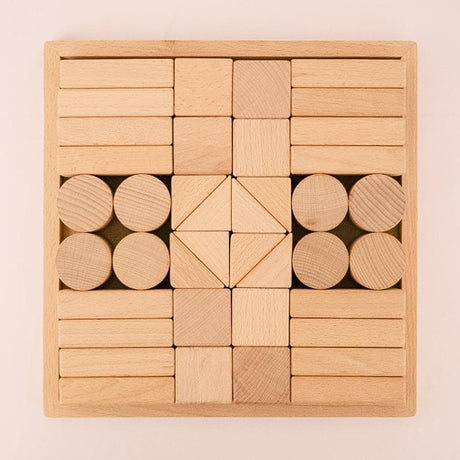
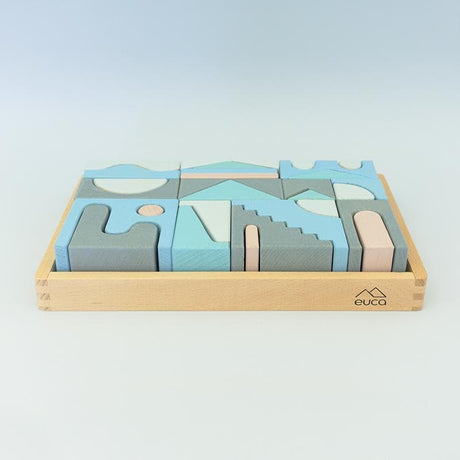
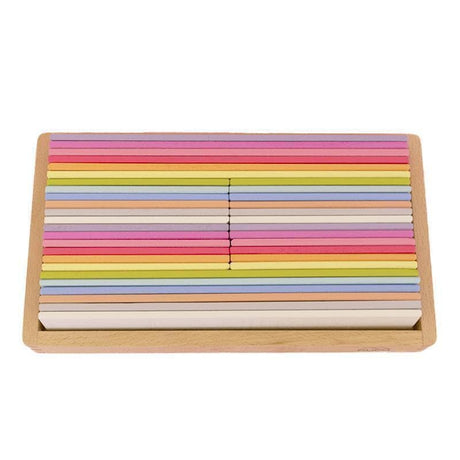
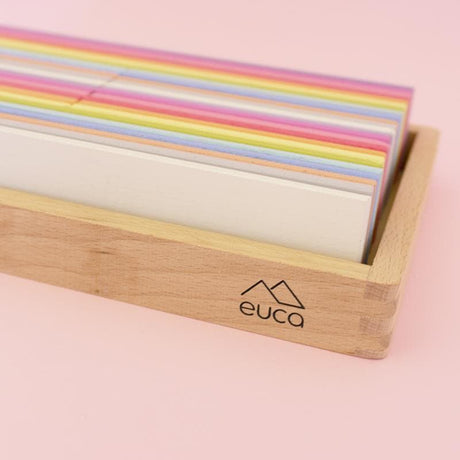
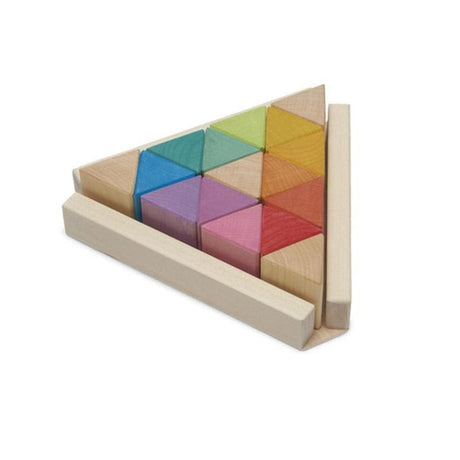
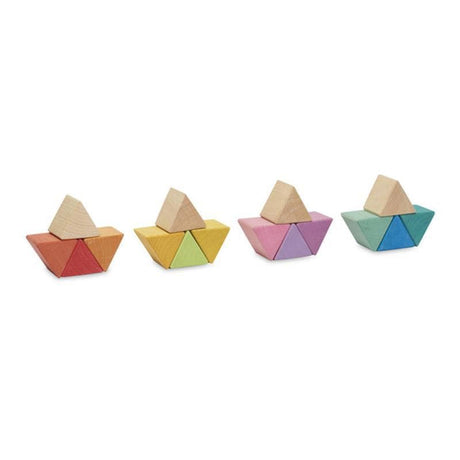
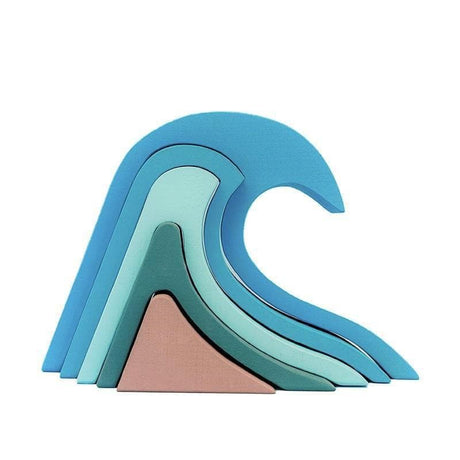
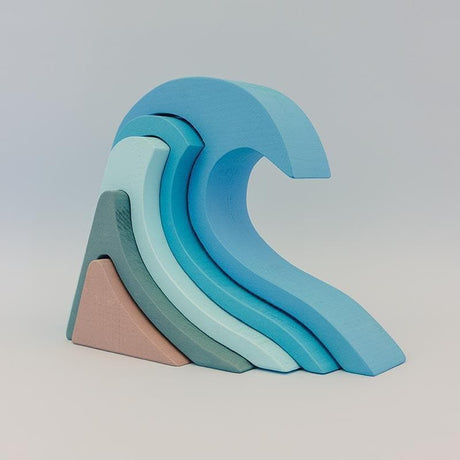
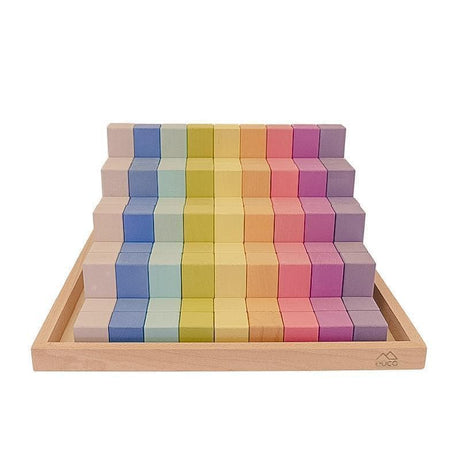
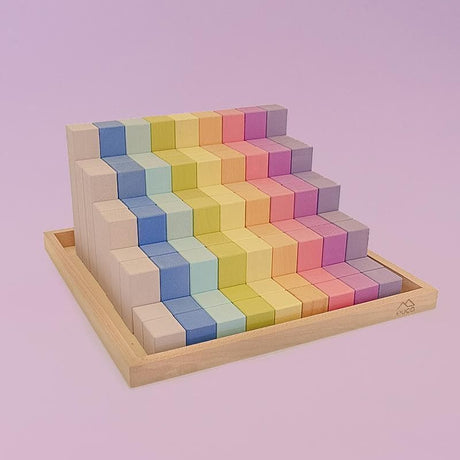
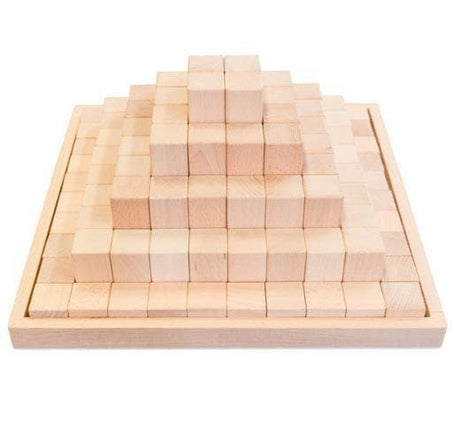
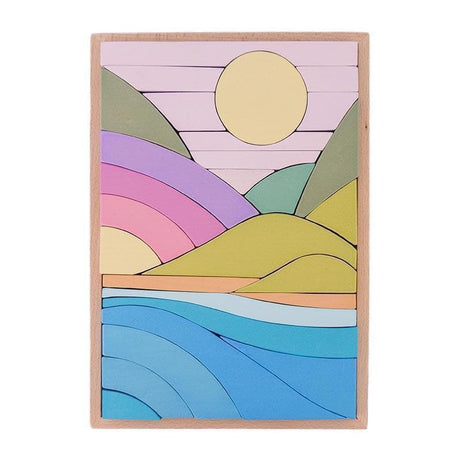
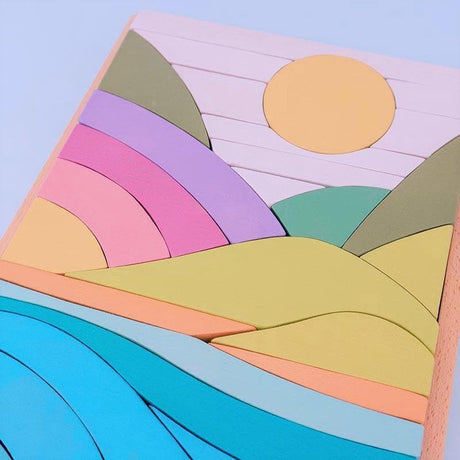
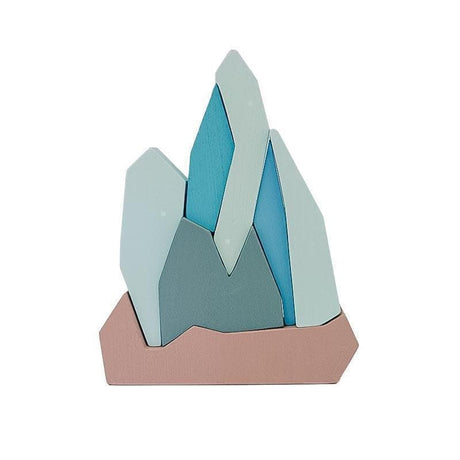
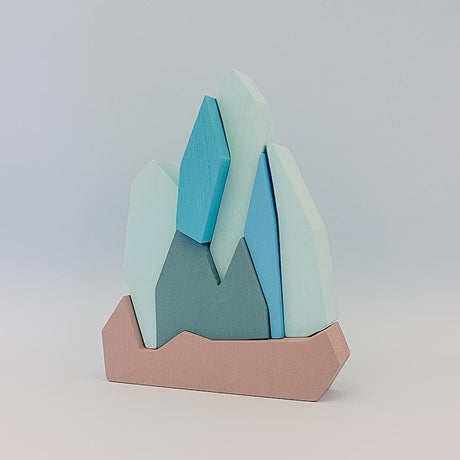
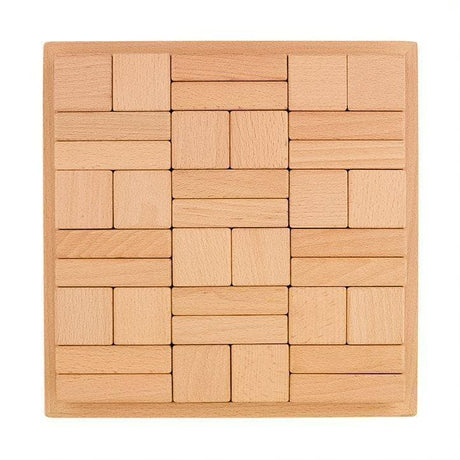
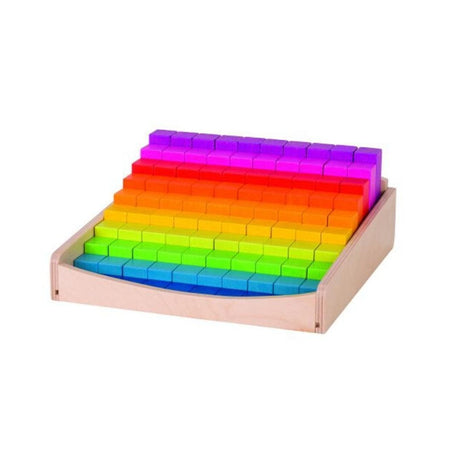
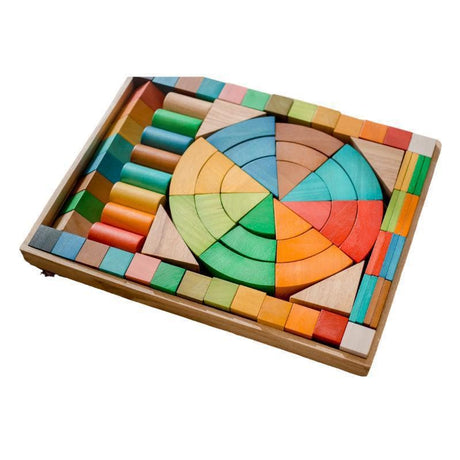
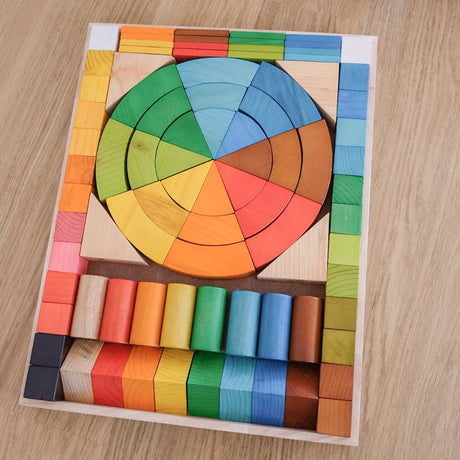
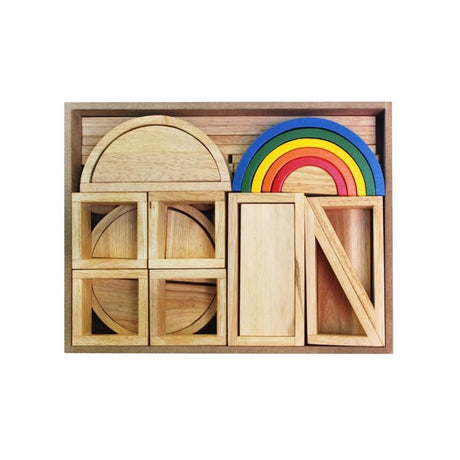
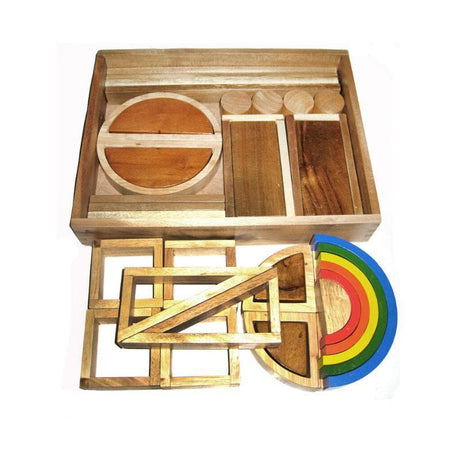
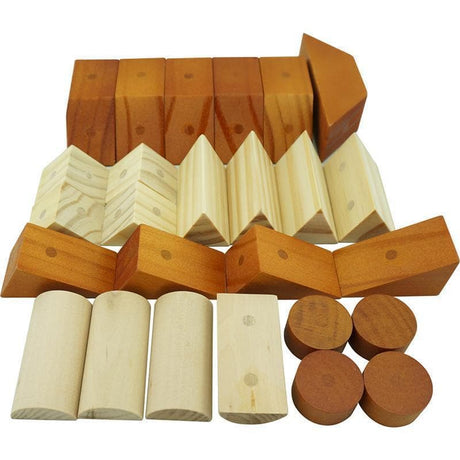
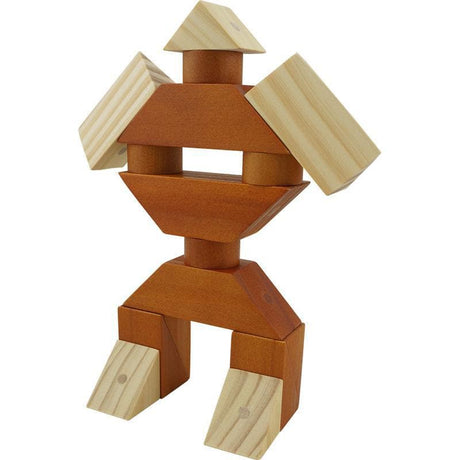
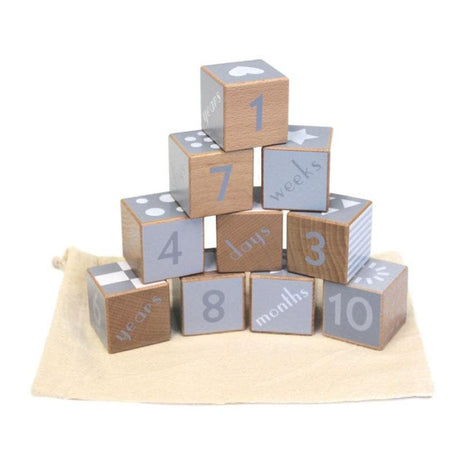
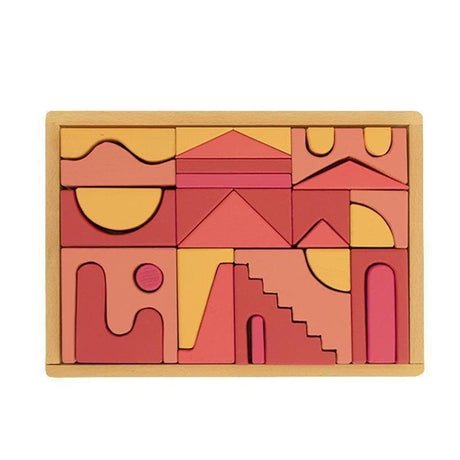
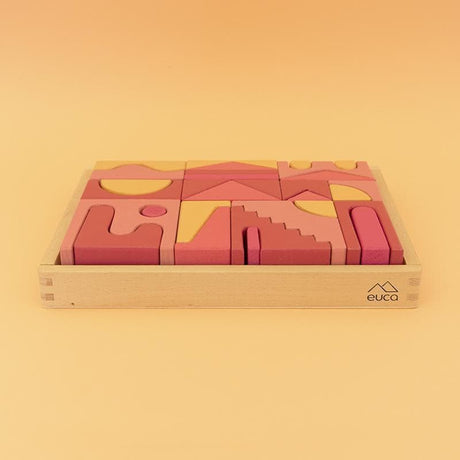
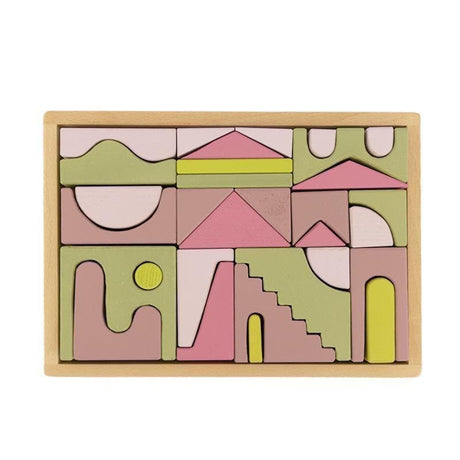
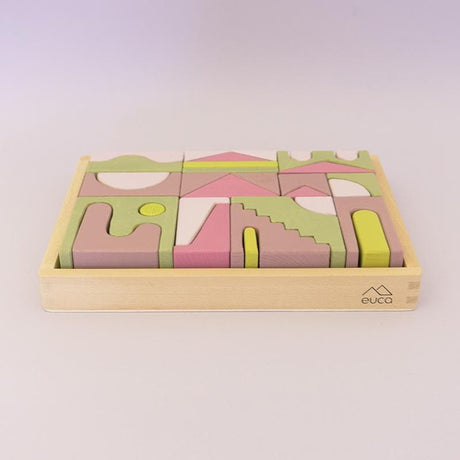
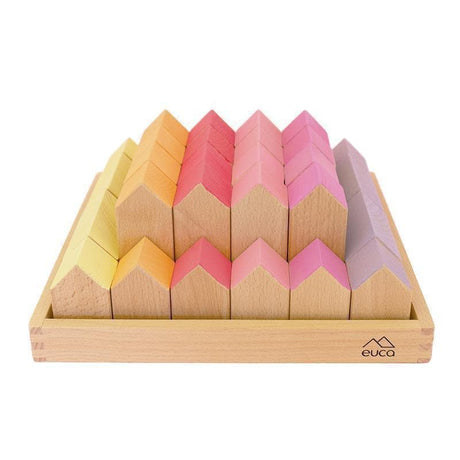
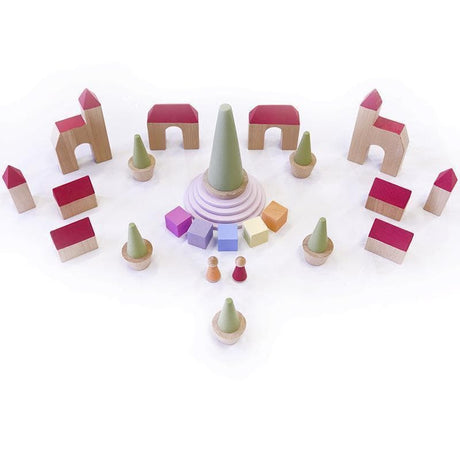
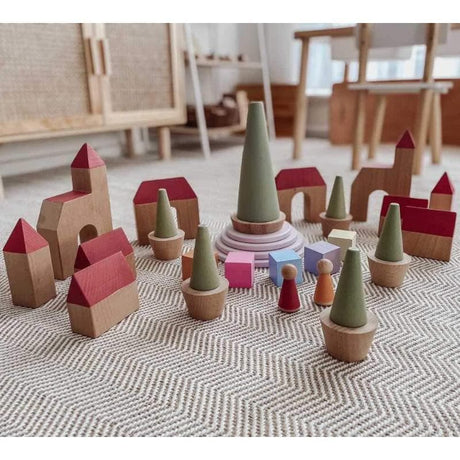
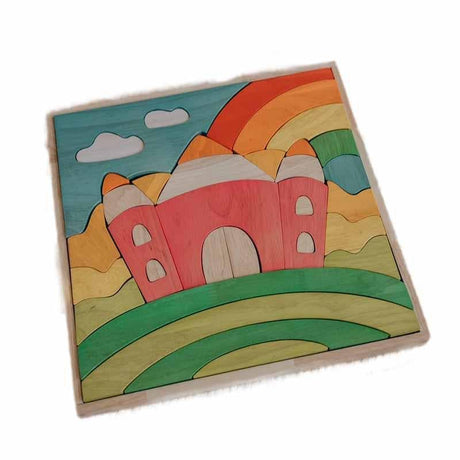
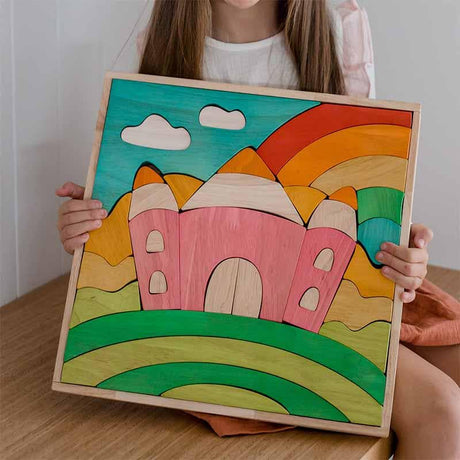
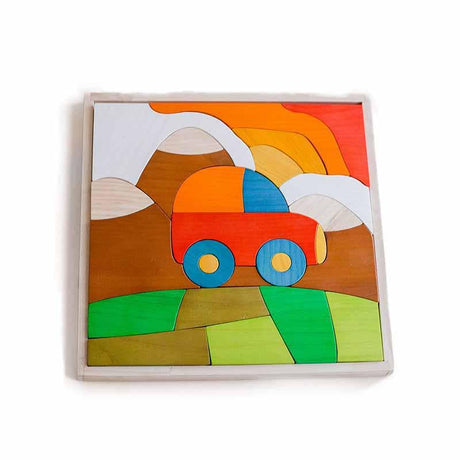
In this collection you’ll find starter sets for first stacking, larger wooden block sets for ambitious builds, natural finishes and coloured or rainbow pieces for pattern and story play, plus a few shaped and hollow formats that sit beside classic unit-style blocks. Not every card is a plain cube set — you’ll also see stackers, stepped pyramids and other open-ended wooden pieces in the grid.

Browse the wooden blocks for kids and toddlers below. Start with how they build today — big knock-down towers or careful little windows — then use the notes underneath if you’re weighing a natural set against a coloured one, or a smaller tray versus a jumbo pile.

Browse wooden blocks
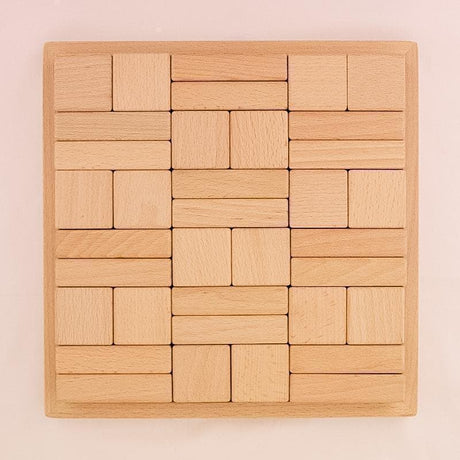
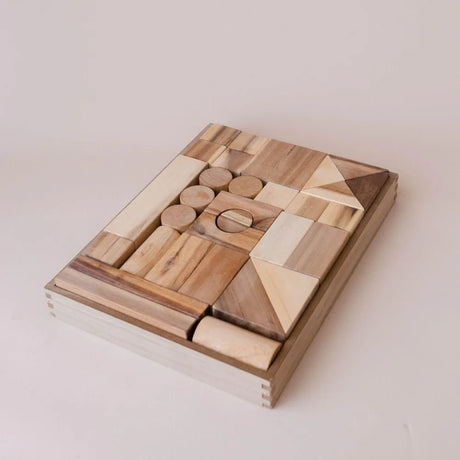
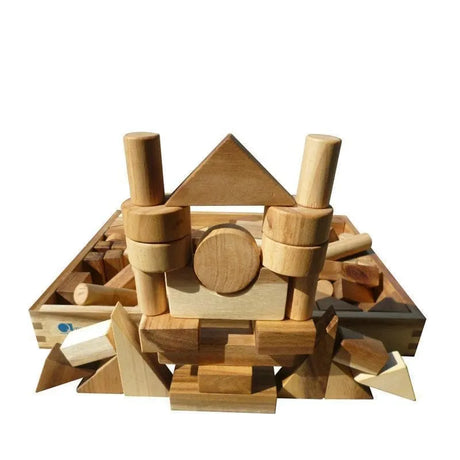
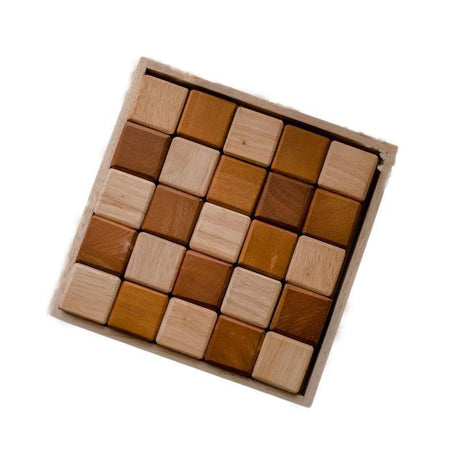
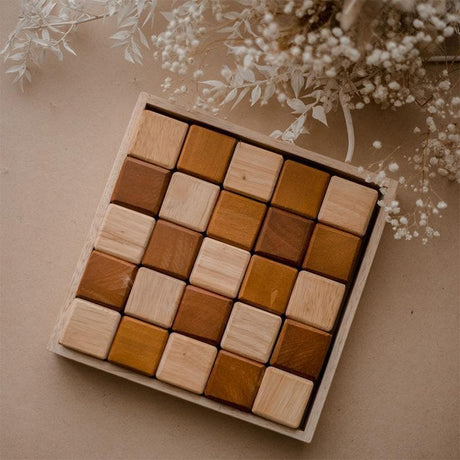
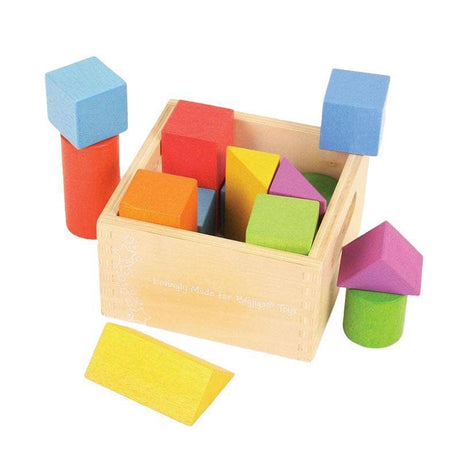
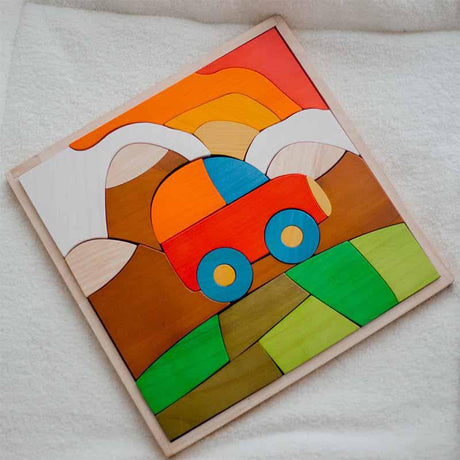
A selection of wooden blocks

Shop this collection

44 products · filters and sorting below

Buying guide & FAQs ↓

Buying guide

Choosing the right wooden block set

Variety often matters more than a huge count of identical cubes. A thoughtfully shaped set can build richer play than a bag of same-size bricks. Match the set to how your child builds now — and leave room for the set to grow with them.

  • First stacking and knock-down play

    Chunkier starter sets and first building blocks suit children who love stacking high and cheering the crash. Look for pieces that are easy to grasp and forgiving to balance. Check the product page for any age or small-parts notes on the set you choose.

  • Bigger builder sets for longer sessions

    Larger counts and mixed shapes suit children who stay with a build — walls, bridges, rooms, whole little towns. Jumbo and project-style sets earn their place when the floor becomes a worksite for an afternoon.

  • Natural finishes versus coloured and rainbow sets

    Natural wood blends into open-ended play and looks calm on a shelf. Coloured and rainbow sets invite patterns, sorting and storytelling by hue. Neither is “more wooden blocks” than the other — choose the finish they’ll actually tip out again tomorrow.

  • When Classic Building or large-scale sets are a better next step

    If you want the wider building family (stacking blocks, large block sets, magnetic options), continue to Classic Building after you’ve chosen a wooden set here. Large hollow or floor-scale blocks are for whole-body builds — different job from a tabletop wooden block set.

Give blocks a low shelf or a tub they can tip and reset themselves. The reset is part of the play — a set that lives in a heap under the sofa gets used less than one with a clear home.
Play inspiration

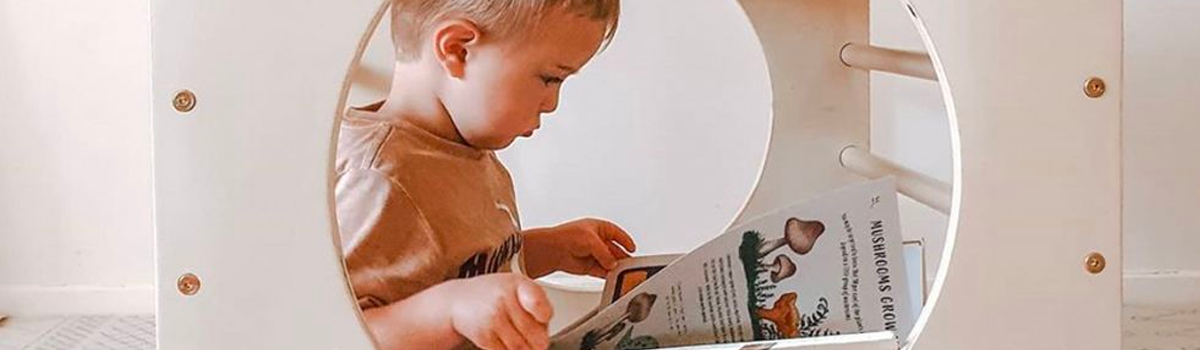
Tower — bridge — small world

Start with one job for the blocks today, not a blueprint. Three short invitations beat one complicated plan.

If the tower falls, cheer the crash — then ask what they want it to be next.

  • Tallest tower

    Count the blocks as they go up; celebrate the tip.

  • Bridge for a car

    Two stacks and a long piece across.

  • Room for a peg doll

    Four walls and a doorway; furniture from leftover cubes.

Questions

Questions parents ask

What can children build with wooden blocks?

Almost anything — which is the point. Younger children stack, topple and carry; later they make towers, tunnels, bridges and houses; then villages, castles and the odd marble-run support. There’s no correct answer, so the same wooden building blocks become different worlds each day.

What age are wooden blocks for?

Wooden blocks suit a wide age span because the child sets the complexity. Younger children handle and stack; older children attempt connected worlds and detail. Always read the recommended age and any small-parts notes on the product you choose — especially for the youngest builders.

Should I buy large or small wooden blocks?

They do different jobs. Larger pieces help big, fast builds and early confidence; smaller pieces favour windows, stairs and fine detail. Many families end up with both. If you’re starting out, match the first set to how they play today, not to a “complete” collection.

How is this different from stacking toys or magnetic blocks?

This collection is for open-ended wooden blocks and wooden building blocks. Stacking rings and dedicated stacking toys live in stacking destinations; magnetic blocks and tiles are a different hold-together system. Related links below point to those paths if that’s the play you want.

Frequently asked questions
Do your wooden blocks come with a warranty?

Our range is a mix of our own-brand wooden blocks and carefully chosen third-party sets. Our own-brand sets come with our 2-year warranty and 30-day satisfaction guarantee; third-party sets carry their own brand's terms, which are noted on the product page. Whichever you choose, we select for the things that matter in block play — varied shapes, a good weight, precision cutting and durability — so the set lasts through years of building.

Do wooden blocks help children learn?

Yes, though it never feels like learning. Children discover structural ideas through trial and error — that strong isn't always tall, that wider or balanced can work better than higher — and maths appears naturally as they arrange patterns, build symmetrically and match shapes, no worksheets required. Block play also develops planning, problem-solving, language and cooperation, and gives a lovely window into how your child thinks as they talk themselves through each decision.

Are wooden blocks worth it compared to other toys?

In our experience they're one of the best-value toys you can buy, precisely because they're never 'finished'. The same set adapts from toddler stacking to school-age engineering, and rather than sitting in their own basket they get borrowed by dinosaurs, peg dolls, train tracks, marble runs and loose parts — they're infrastructure for play, not a single-use toy. A toy that stays in regular play for the better part of a decade, and is often passed down, earns its place many times over.

What makes a great wooden block set?

Variety matters more than quantity — a thoughtfully shaped set of around 40 pieces (arches, cylinders, planks, triangles) builds richer play than 150 identical cubes. Look for a reassuring weight (stable but manageable for small hands), and precision cutting so pieces line up — poorly cut blocks create gaps and wobbly towers that frustrate children. Open shapes beyond cubes spark the richest building, and a quality set should last for years. These are the qualities we look for in the sets we stock.

Natural or coloured wooden blocks — which is better?

Neither is better; they encourage slightly different thinking. Natural timber blocks nudge children toward structure, function and story — without colour, a child says 'the bridge' rather than 'the blue block' — and they blend beautifully with other open-ended materials. Coloured blocks are often more inviting and naturally inspire patterns, sorting, symmetry and intentional storytelling ('the red house belongs to the dragon'). Many families own both. Our range includes natural and coloured sets so you can choose what suits how your child builds.

Should I buy large or small wooden blocks?

Most experienced parents eventually recommend both, because they do different jobs. Large wooden blocks let children build big worlds quickly — forts, towers, obstacle courses — and are easier for toddlers to balance, which builds confidence early. Smaller blocks change the style of play toward detail: windows, staircases, furniture, bridges and marble-run supports, often becoming favourites as fine motor skills grow. If you're starting out, larger blocks suit younger children; smaller sets suit growing precision and patience.

What age are wooden blocks for?

Wooden blocks suit an exceptionally wide age range, which is why they're such good value. From around 12–18 months children enjoy handling, stacking and knocking down; two to three year olds solve basic building problems; four to six year olds build elaborate connected worlds; and school-aged children get genuinely ambitious. The same set keeps being useful for years because the child sets the complexity. Always check the recommended age, especially for the youngest children and any smaller pieces.

What can children build with wooden blocks?

Almost anything, which is the point. Younger children stack, topple and carry them; by three they build towers, tunnels, bridges and simple houses; by four to six they're making villages, castles, airports, train stations and rescue headquarters; and at school age they attempt suspension bridges, skyscrapers and marble-run supports. Children also build the details — beds, tables, furniture for peg dolls — not just big structures. There's no correct answer, so four children with identical blocks will build four completely different things.