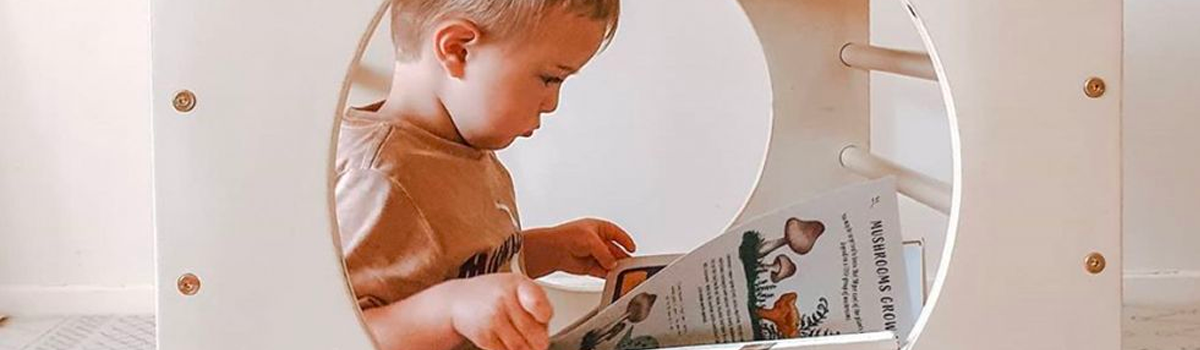
Magnetic letters, alphabet toys, early writing, reading and flashcards
Language Development
-

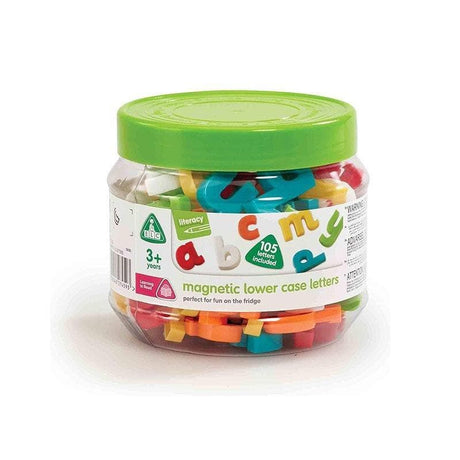
Lowercase Letters - Two Tones - 26pcs
$29.95Unit price /Unavailable -

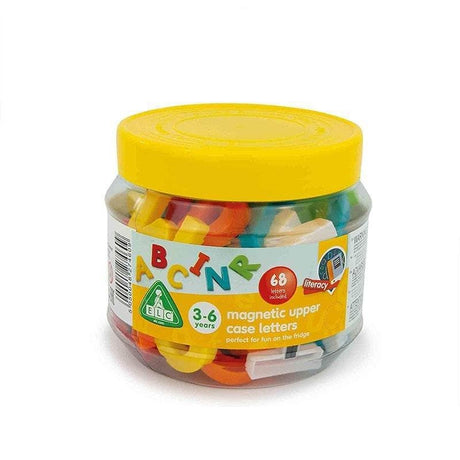
Capital Letters - Two Tones - 26pcs
$29.95Unit price /Unavailable -
40% off$29.95
$49.95Unit price /Unavailable -
$59.95Unit price /Unavailable
-
32% off$16.95
$24.95Unit price /Unavailable -
![Close-up detail of the Magnetic Letters]() $32.95Unit price /Unavailable
$32.95Unit price /Unavailable -
$59.95Unit price /Unavailable
-
Movable Playbook - African Safari
$15.95Unit price /Unavailable -
Movable Playbook - Fairy Kingdom
$15.95Unit price /Unavailable -
Gumnut Babies Board Book: Meet Snuggle Pot & Cuddle Pie
$12.95Unit price /Unavailable -
$34.95Unit price /Unavailable
-
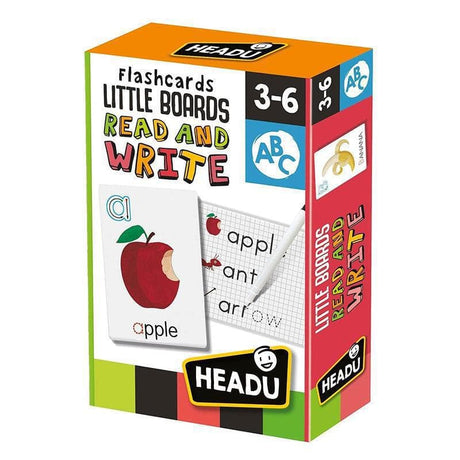
Flashcards Little Boards Read and Write
$24.95Unit price /Unavailable -
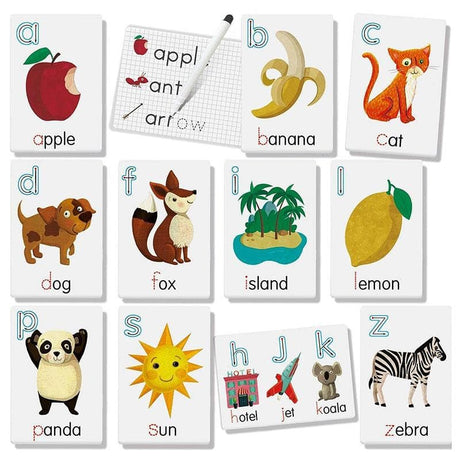
First Reading and Writing Words Flash Cards
$29.95Unit price /Unavailable -
$24.95Unit price /Unavailable
-
Movable Playbook - Magical World
$15.95Unit price /Unavailable
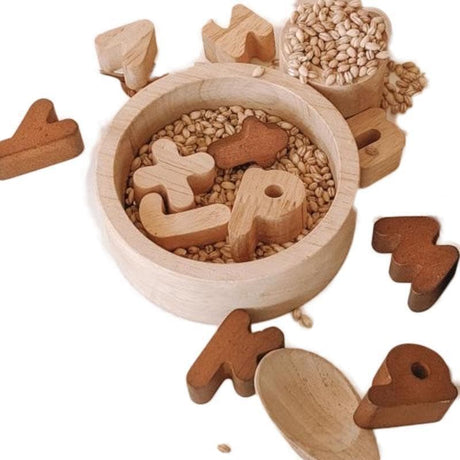
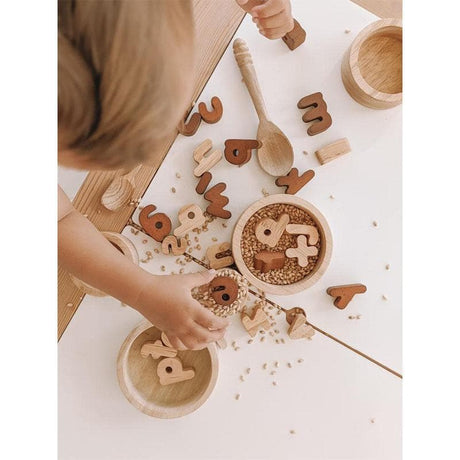
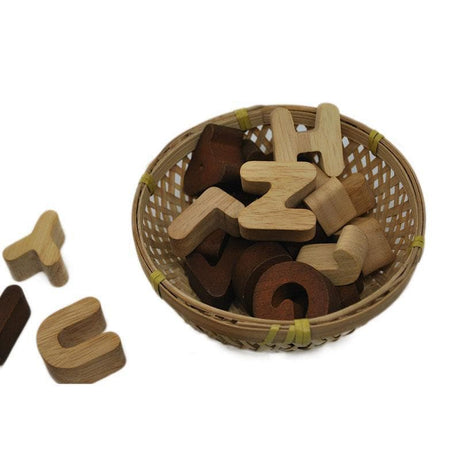









How Do I Choose Language Development Toys?
Early LiteracyReading ReadinessGrowing VocabularyCommunication Skills

Language Development Changes Rapidly Across Childhood
Frequently asked questions
Questions parents often ask
What is the difference between Magnetic Letters and Alphabet Toys?
What are Early Writing Tools?
What is the difference between Early Reading Activities and Flashcards?
How do I choose a Language Development toy for my child?