





Click & Collect or 24hr Dispatch*

Build & Construct

Building Play That Inspires Creativity, Problem Solving And Independent Thinking

Building play allows children to create, experiment, solve problems and bring their ideas to life through hands-on exploration. From magnetic construction and classic block play through to open-ended building and STEM challenges, construction activities help children develop creativity, concentration and confidence while encouraging independent discovery. This hub helps families understand the different pathways within building play so they can confidently choose experiences that match their child's interests and stage of development.

Find Your Building Pathway

Children Build, Create And Solve Problems In Different Ways

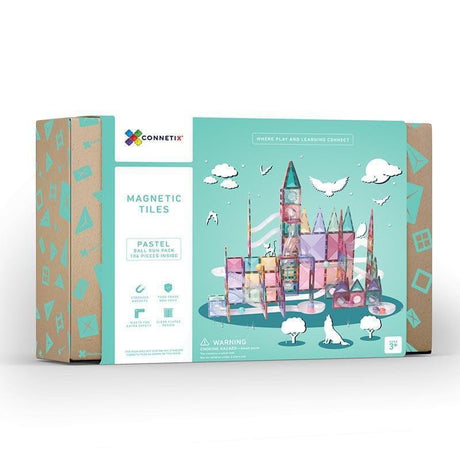
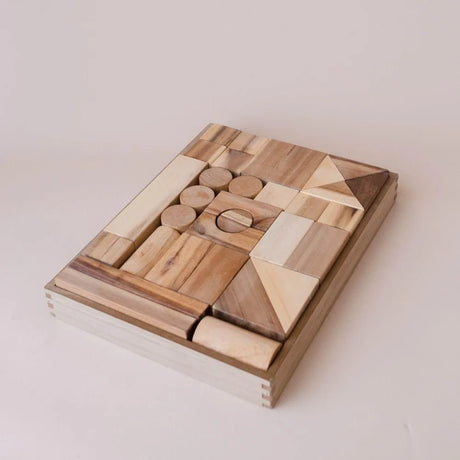
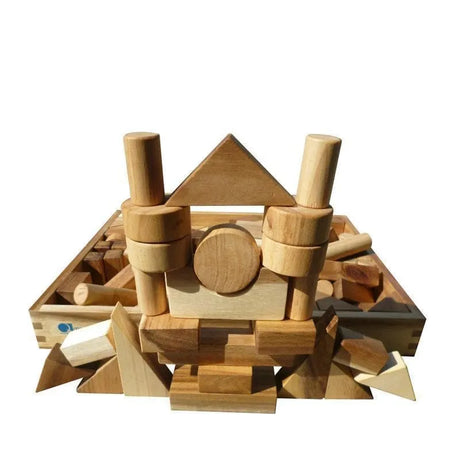
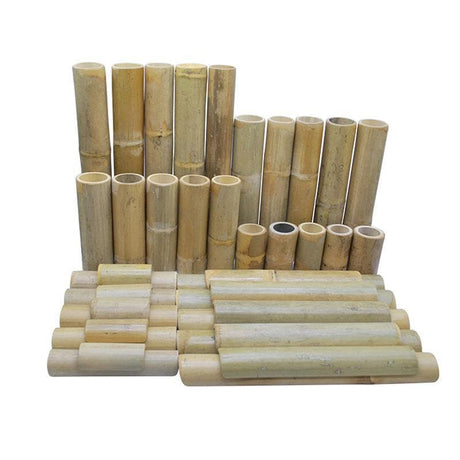
For some children, building is about creating imaginative worlds and bringing ideas to life. For others, it is about solving challenges, experimenting with structures or discovering how things work. From magnetic construction and classic block play through to open-ended creativity and STEM exploration, different building experiences support different styles of thinking. Explore the pathways below to discover construction activities that encourage creativity, confidence and independent discovery through hands-on building play.


Why Building Play Matters

Building Play Encourages Children To Think, Create And Solve Problems

Building play is one of the few forms of play that naturally grows alongside a child. Young toddlers begin by stacking and connecting simple pieces, while older children gradually create more complex structures, solve increasingly challenging problems and experiment with new ideas. Through building, children learn how to plan, adapt, test solutions and persist through challenges. Different forms of construction play support different types of learning, which is why understanding the available pathways can help families choose experiences that genuinely match their child's interests and stage of development.

Creative Thinking Problem Solving Independent Play Open-Ended Exploration

Building Develops More Than Construction Skills

Every structure, design and experiment encourages children to think critically, solve problems and explore new possibilities through hands-on learning.

Children Build In Different Ways

Some children love magnetic construction, others prefer classic blocks, imaginative loose parts or engineering-style challenges. Different pathways support different interests.

Building Play Grows With Children

Unlike many toys that are quickly outgrown, quality building resources continue evolving alongside children as their creativity, confidence and problem-solving abilities develop.

Explore Building Play Pathways

Find The Construction Experiences That Suit Your Child

Whether your child enjoys magnetic construction, traditional block play, open-ended creativity or STEM-focused challenges, these pathways can help you discover building experiences that align with their interests and abilities.

Building Play Grows Alongside A Child's Imagination
Creativity Through Construction
Building For Life

Building Play Grows Alongside A Child's Imagination

One of the unique strengths of building play is its ability to evolve as children grow. A toddler may begin by stacking and connecting simple pieces, while older children design complex structures, solve engineering challenges and create imaginative worlds of their own. Building encourages children to experiment, test ideas, learn from mistakes and develop confidence through discovery. The value is not found in the finished structure itself, but in the thinking, creativity and problem-solving that happens throughout the process. These experiences help children become confident learners who are willing to explore, create and persist when faced with new challenges.

Continue Exploring

Discover More Building And Construction Play

From first building experiences through to advanced construction challenges, these collections help children explore creativity, problem-solving and imaginative design through hands-on building play.

Frequently asked questions

Questions parents often ask

Are building toys good for independent play?

Building toys are often among the strongest resources for encouraging independent play because they naturally allow children to take ownership of the experience. Rather than relying on instructions, fixed outcomes or adult direction, many construction activities give children the freedom to decide what they want to create and how they want to approach the task.

Independent building play encourages children to make decisions, solve problems and persist through challenges without immediately seeking assistance. These experiences can help strengthen confidence while allowing children to develop their own ideas and creative thinking skills.

Construction activities also tend to be highly adaptable. Children can revisit familiar resources repeatedly while creating entirely new structures, designs and imaginative scenarios. This flexibility often helps maintain engagement over longer periods compared with activities that offer only one way to play.

For parents seeking activities that support concentration, creativity and self-directed learning, building play can be particularly valuable. Many children become deeply engaged in construction projects because they are able to follow their own interests while working towards goals that feel personally meaningful and rewarding.

What is the difference between building toys and STEM toys?

Building toys and STEM toys often overlap, but they are not always the same thing. Building toys generally focus on creating, constructing and experimenting through hands-on play. Children may build structures, design creations or explore open-ended construction without necessarily following a specific educational objective.

STEM toys are designed to encourage exploration of concepts related to science, technology, engineering and mathematics. Many construction activities naturally support these areas because children experiment with balance, stability, design, cause and effect, measurement and problem-solving while they build.

The overlap occurs because building play frequently introduces engineering-style thinking in an engaging and accessible way. Children learn by testing ideas, observing outcomes and making adjustments based on what they discover. This mirrors many of the processes used in scientific inquiry and engineering design.

Parents do not necessarily need to choose between building toys and STEM toys. Many construction experiences provide opportunities for both creative exploration and STEM learning. The most valuable activities often combine imagination, experimentation and problem-solving in ways that feel enjoyable and meaningful to children.

How do construction toys help develop problem-solving skills?

Construction play naturally encourages children to become problem-solvers because building rarely follows a perfectly predictable path. Children constantly encounter small challenges as they create structures, balance pieces, connect materials and test new ideas. Each challenge provides an opportunity to think critically, make adjustments and experiment with different solutions.

Unlike activities that focus on finding one correct answer, building play often presents multiple possibilities. Children learn to evaluate options, test theories and adapt their approach based on what works and what doesn't. This process encourages flexible thinking and helps children become more comfortable with trial and error.

Construction activities also support planning and sequencing skills. Children frequently need to consider what they are building, how different parts fit together and what steps may be required to achieve their goal. These experiences strengthen both logical thinking and creative problem-solving.

Perhaps most importantly, building play teaches persistence. Structures collapse, ideas change and plans need adjusting. Through these experiences, children learn that setbacks are a normal part of learning and that problems can often be solved through patience, experimentation and creativity.

At what age should children start playing with construction toys?

Children can begin exploring simple forms of construction play from a very young age, although the way they engage with building activities naturally changes as they develop. Younger toddlers often begin by stacking, connecting, balancing and experimenting with basic cause-and-effect relationships. These early experiences help children understand concepts such as size, stability and spatial relationships through hands-on exploration.

As children grow, construction play often becomes more imaginative and purposeful. Preschoolers may begin creating structures, designing environments and incorporating storytelling into their building activities. Older children frequently move towards increasingly complex construction projects that require planning, experimentation and problem-solving.

The best building experiences are those that align with a child's developmental stage while still providing opportunities for challenge and growth. Rather than focusing solely on age recommendations, parents can often look for activities that encourage curiosity, creativity and exploration while allowing children to build confidence through success.

Construction play remains valuable throughout childhood because the complexity of the activity can continue evolving alongside the child's abilities, interests and imagination.

What are the benefits of building toys for children?

Children can begin exploring simple forms of construction play from a very young age, although the way they engage with building activities naturally changes as they develop. Younger toddlers often begin by stacking, connecting, balancing and experimenting with basic cause-and-effect relationships. These early experiences help children understand concepts such as size, stability and spatial relationships through hands-on exploration.

As children grow, construction play often becomes more imaginative and purposeful. Preschoolers may begin creating structures, designing environments and incorporating storytelling into their building activities. Older children frequently move towards increasingly complex construction projects that require planning, experimentation and problem-solving.

The best building experiences are those that align with a child's developmental stage while still providing opportunities for challenge and growth. Rather than focusing solely on age recommendations, parents can often look for activities that encourage curiosity, creativity and exploration while allowing children to build confidence through success.

Construction play remains valuable throughout childhood because the complexity of the activity can continue evolving alongside the child's abilities, interests and imagination.