Play That Mimics Buying, Selling, and Real-World Shops
Playing Shop
Start here
Shop play is not one activity. Some children love setting up stores, others focus on shopping, handling money or running the checkout.
Understanding which part of the shopping experience captures your child's attention can help you choose the type of role play that feels most engaging and meaningful.
-
 $39.95Unit price /Unavailable
 -
Sold out$69.95Unit price /Unavailable
-
Groceries Set & Scanner - 15 Piece
$74.95Unit price /Unavailable -
 $249.95Unit price /Unavailable
 -
$229.95Unit price /Unavailable
-
Cheese & Dairy Wooden Market Crate - 8 Piece
$34.95Unit price /Unavailable -
Farm Eggs Wooden Market Crate - 7 Piece
$34.95Unit price /Unavailable -
Sold out
-
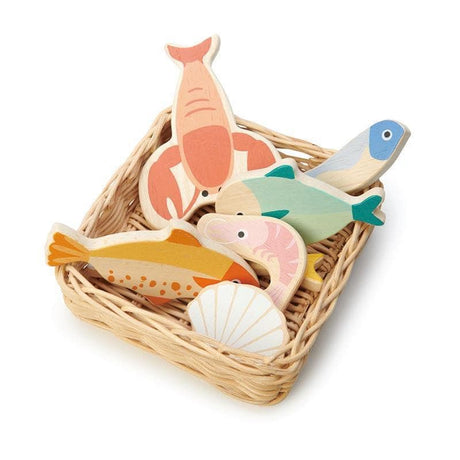
Market Fish Wooden Play Food Crate - 7 Piece
$37.95Unit price /Unavailable -
$34.95Unit price /Unavailable
-
-
$289.95Unit price /Unavailable
-
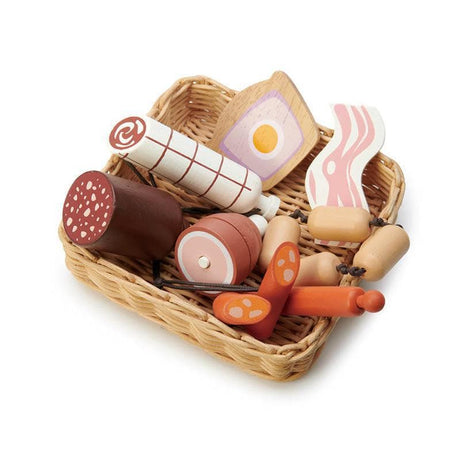
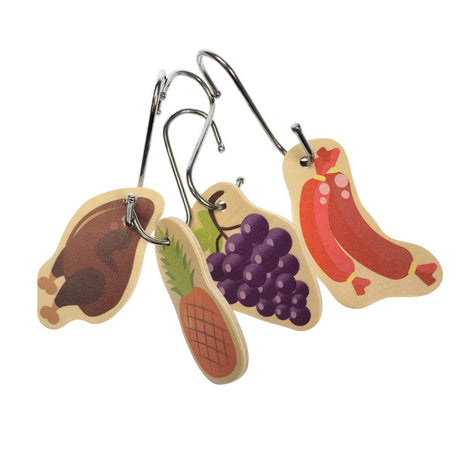
Butchers Meat Wooden Market Crate - 7 Piece
$29.95Unit price /Unavailable -
$184.95Unit price /Unavailable
-
Orchard Fruits Wooden Market Crate - 7 Piece
$39.95Unit price /Unavailable
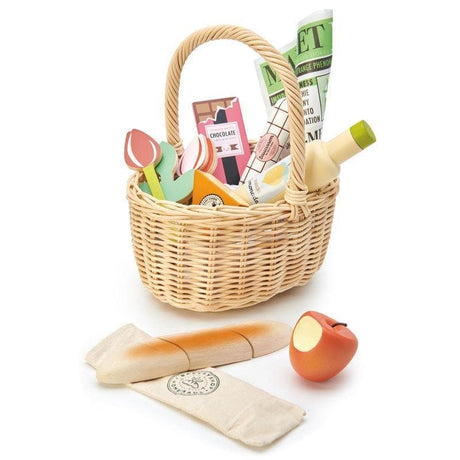
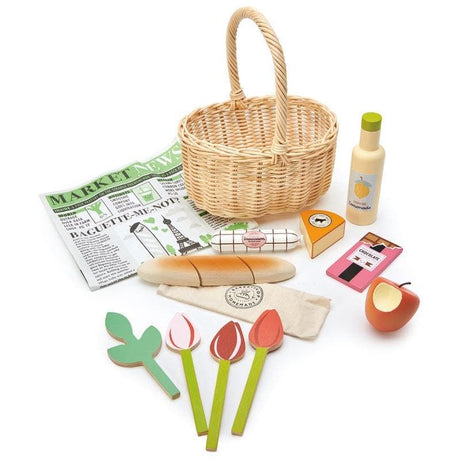
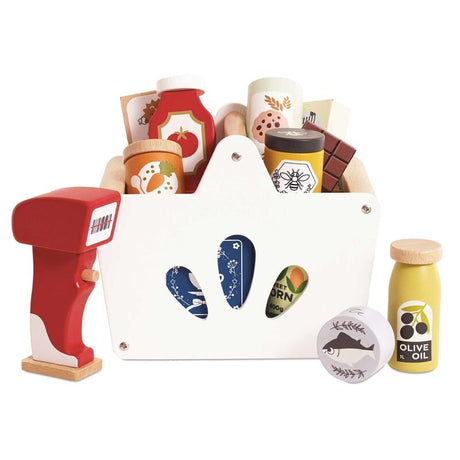
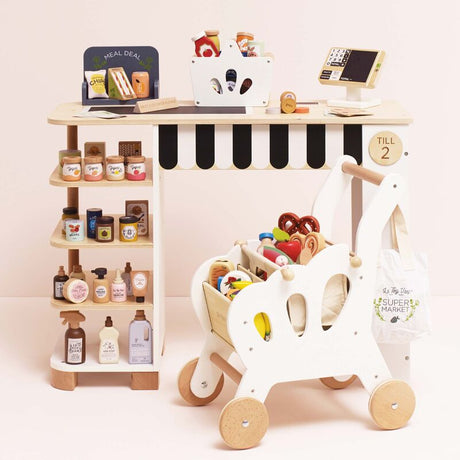
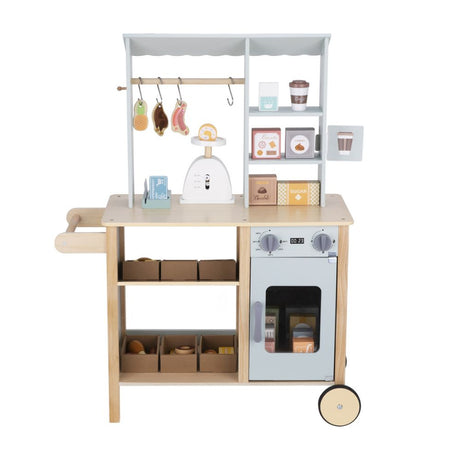
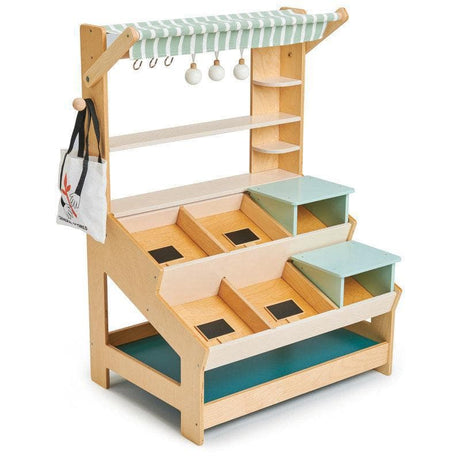
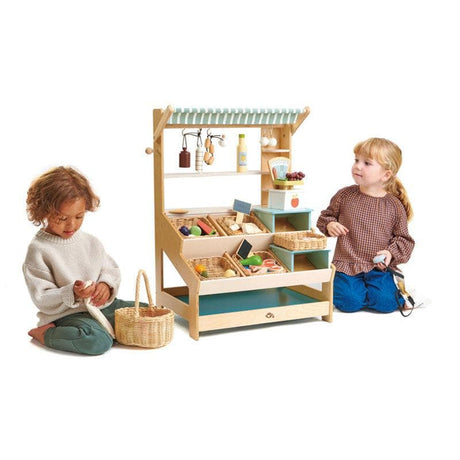








Children Often Recreate The World They See Around Them
Shopping Role Play
Everyday Exchanges
Choice & Decision Making
Imaginative Storytelling
Setting Up Shop
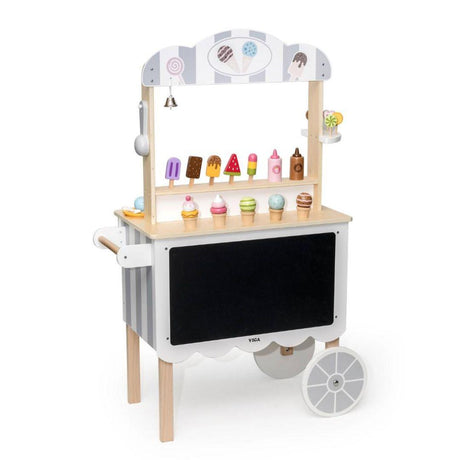
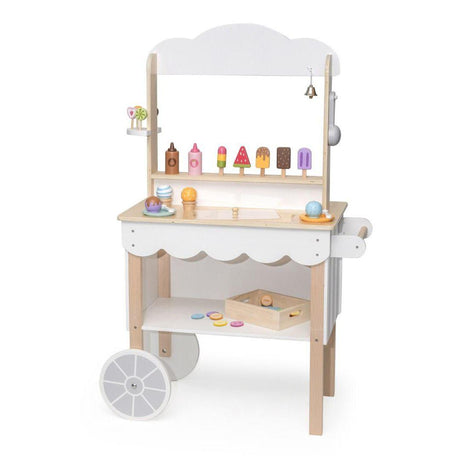
Market Stalls
Everything Has A Price
Play Money
Running The Checkout
Cash Register Toy
Always Shopping
Shopping Trolley
My Child Loves Organising And Displaying Everything
My Child Constantly Buys And Sells Things
My Child Wants To Be In Charge Of The Register
Every Trip To The Shops Becomes Part Of Play
Shop Play Helps Children Make Sense Of Everyday Life