Click & Collect or 24hr Dispatch*

First Steps Into Independent Problem Solving

Shape Sorters

Shape sorters help young children make the transition from simple exploration to purposeful problem solving. By matching shapes to the correct openings, toddlers begin learning how observation, trial and error, persistence and spatial awareness work together. Whether you're choosing a first shape sorter for a baby or a more advanced shape sorting toy for a confident toddler, discover shape sorters designed to build confidence through achievable success.


No products found

Shape Sorters For Toddlers Learning Through Trial And Error

Why Shape Sorters Remain One Of The Most Valuable Early Learning Toys

Many early learning toys entertain children. Shape sorters actively encourage children to think. Every shape sorter presents a simple challenge: identify the correct shape, understand how it fits and successfully place it into the matching opening. While this seems simple to adults, it represents an important developmental milestone for young children.

Unlike more advanced puzzles, shape sorters create opportunities for repeated success without overwhelming children. They encourage observation, experimentation and persistence while remaining accessible enough for toddlers to enjoy independently. This balance between challenge and achievement is one reason shape sorters have remained a favourite early childhood toy for generations.

For many children, a shape sorter becomes their first true problem-solving toy, creating confidence that later supports puzzles, construction toys, sorting activities and more complex learning experiences.

Shape Recognition Trial & Error Learning Independent Success Early Problem Solving

A Gentle Introduction To Problem Solving

Shape sorters help children discover that problems can be solved through observation and experimentation. Every successful match reinforces the idea that persistence leads to success, encouraging children to keep trying even when solutions are not immediately obvious.

Built For Small Hands And Growing Confidence

The best shape sorters are designed to feel achievable. Pieces are easy to grasp, manipulate and explore, helping children focus on understanding how shapes work rather than struggling with overly complex challenges.

Creates Foundations For Future Learning

Many of the skills children use with shape sorters later appear in puzzles, construction toys, sorting activities and early mathematics. Shape sorters provide an accessible way for children to begin exploring relationships, patterns and spatial reasoning through play.

Shop by need

How Shape Sorters Help Children Who Are Not Ready For Puzzles Yet

Parents often wonder whether they should choose a shape sorter or a puzzle. The answer usually depends on where their child is in their learning journey. Shape sorters are often ideal for children who are beginning to recognise differences between objects but are not yet ready for the complexity of traditional puzzles.

Unlike puzzles, which require children to understand how multiple pieces connect together, shape sorters focus on a single challenge at a time. Children only need to identify the correct opening and work out how the shape fits. This creates a more accessible problem-solving experience that feels manageable for younger learners.

For many children, shape sorters become an important stepping stone between simple exploratory play and more advanced puzzle solving. The confidence gained through matching shapes often helps children approach future challenges with greater enthusiasm and persistence.

Choosing The Right Shape Sorter

How To Choose A Shape Sorter Your Child Will Enjoy Using

The best shape sorter is not necessarily the one with the most shapes or the most complicated design. Young children learn best when challenges feel achievable. Choosing a shape sorter that matches your child's current confidence level will usually create more engagement and more opportunities for independent success.

Start With Simpler Shape Sorters If

  • Your child is new to shape matching activities They are still learning to manipulate objects confidently They become frustrated when challenges feel too difficult You want to encourage independent success They are beginning to recognise basic shapes Simple cause-and-effect activities are still highly engaging

Choose More Advanced Shape Sorters If

  • Your child already enjoys shape matching They confidently complete simple shape sorters They enjoy puzzles and problem-solving activities They are ready to sort multiple shapes and categories They enjoy experimenting independently You want to introduce more complex challenges
A great shape sorter should encourage curiosity rather than frustration. When children experience repeated success, they become more confident exploring new ideas, testing solutions and approaching future learning opportunities with enthusiasm.

Built For Early Problem Solvers

Shapes sized for toddler hands

Easy insertion without frustration

Safe, non-toxic materials

Durable for repeated use

Clear cause-and-effect play

What Should Parents Look For In A Quality Shape Sorter?

The best shape sorters balance challenge and success. They should be difficult enough to encourage thinking but simple enough to allow children to experience achievement independently. Piece size is particularly important for younger children. Large, easy-to-hold shapes allow children to focus on solving the challenge rather than struggling with manipulation.

Parents should also consider the progression offered by the toy. Some shape sorters introduce only a few basic shapes, while others include more complex matching opportunities that remain engaging as children grow. Choosing a toy that can adapt to increasing confidence often provides greater long-term value.

Durability is another important consideration. Shape sorters are designed to be explored repeatedly, often through trial and error. Quality materials help ensure the toy remains enjoyable through years of play while continuing to support shape recognition, matching skills and independent problem solving.

When A Shape Sorter May Not Be The Right Choice

While shape sorters are excellent first problem-solving toys, they are not always the best fit for every child. Children who have already mastered shape recognition and confidently complete matching challenges may be ready for more advanced activities such as wooden puzzles, floor puzzles or memory games.

Likewise, if your child is more interested in sorting colours, sizes or categories rather than matching shapes to openings, dedicated sorting toys may provide a more engaging experience. Understanding your child's current interests and abilities will help you choose a challenge that feels both motivating and rewarding.

The goal is not simply to introduce educational play. It is to provide an activity that encourages children to think, experiment and experience success independently.

Small Successes That Build Big Confidence
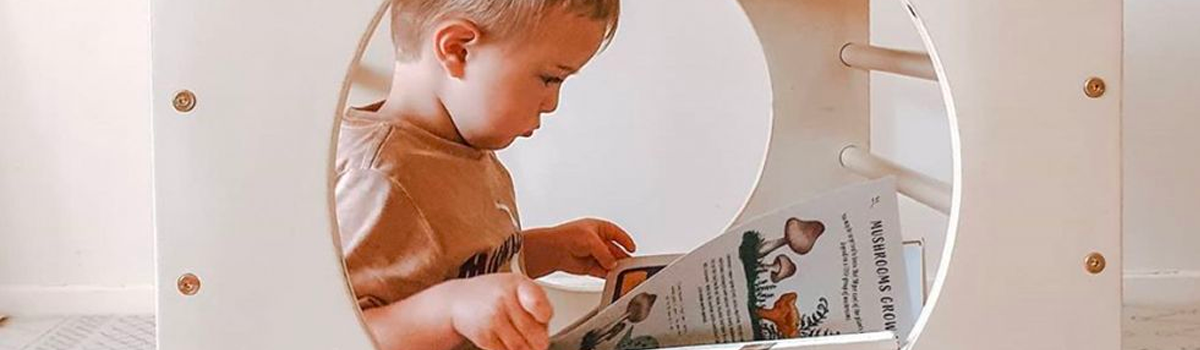
Some of the most important learning experiences begin with simple discoveries. A child turning a shape until it finally fits, recognising a familiar pattern or solving a challenge independently may seem like a small moment, but these experiences help build confidence that extends far beyond play.

Shape sorters create opportunities for children to explore, experiment and succeed at their own pace. The challenges are approachable, the feedback is immediate and the sense of accomplishment is genuine. These qualities make shape sorters one of the most enduring early learning toys for babies and toddlers.

Whether your child is just beginning to recognise shapes or is confidently exploring more complex matching challenges, the right shape sorter can help transform curiosity into confidence and exploration into independent problem solving.

Frequently asked questions

Shape Sorter Questions Parents Ask

How do shape sorters help prepare children for more advanced puzzles and problem-solving toys?

Shape sorters introduce many of the same thinking skills children later use with puzzles, construction toys, memory games and other problem-solving activities. Before children can solve complex challenges, they first need to understand basic concepts such as matching, spatial relationships, visual discrimination and persistence. Shape sorters provide an accessible way to explore these ideas.

As children manipulate shapes and experiment with different solutions, they begin developing strategies for approaching challenges. They learn to observe details, compare options, test hypotheses and adjust their approach when something doesn't work. These habits become valuable foundations for future learning.

Many families naturally progress from shape sorters to wooden puzzles, floor puzzles and memory games as confidence grows. Because children have already experienced success through independent problem solving, they often approach these more advanced activities with greater curiosity and persistence. In this way, shape sorters become much more than a toy. They often represent the beginning of a child's lifelong relationship with learning through exploration and discovery.

Are shape sorters a good screen-free activity for children who become frustrated easily?

Many children become frustrated when activities feel unpredictable or when success seems impossible to achieve. Shape sorters are often a strong option because they provide a challenge that feels manageable while still encouraging persistence. The task is clear, the goal is obvious and children can immediately see when they are making progress.

Unlike more complex puzzles or games, shape sorters allow children to focus on solving one small problem at a time. They can experiment freely without worrying about getting everything right immediately. This creates a lower-pressure learning environment where mistakes become part of the process rather than a sign of failure.

For children who are sensitive to frustration, success often comes from choosing an appropriate level of challenge. A shape sorter with manageable shapes and achievable matching tasks can help children build confidence gradually. Over time, these positive experiences often encourage greater resilience and a stronger willingness to persist when faced with new challenges.

Why do shape sorters remain popular even when educational toys continue to change?

Many educational toys come and go, yet shape sorters have remained a favourite for generations. Their lasting appeal comes from the fact that they tap into a universal stage of childhood development. Young children are naturally curious about how objects relate to one another and are constantly exploring concepts such as fit, space, shape and cause and effect.

Shape sorters provide a simple but powerful way for children to investigate these ideas. The challenge is clear, the feedback is immediate and success feels meaningful. Unlike toys that rely on flashing lights, sounds or novelty features, shape sorters keep children engaged through discovery and achievement.

Parents also appreciate their simplicity. A quality shape sorter encourages concentration, experimentation and independent play without becoming overstimulating. Because the challenge is based on understanding rather than entertainment, children often continue returning to shape sorting activities long after the novelty of many other toys has faded.

Can shape sorters support independent play for toddlers?

Shape sorters are often one of the first toys that genuinely encourage independent problem solving. Unlike activities that require ongoing adult instruction, shape sorting presents children with a challenge they can explore, test and eventually solve on their own. This sense of ownership is one reason many toddlers return to shape sorters repeatedly.

The activity naturally encourages concentration because children receive immediate feedback. If a shape does not fit, they can experiment with rotation, try another opening or reconsider their approach. This process allows children to learn through discovery rather than relying on constant correction or guidance.

For parents seeking screen-free independent play activities for toddlers, shape sorters can be particularly valuable because they combine exploration, movement and thinking in a way that feels purposeful. Many children become deeply engaged as they work towards solutions, creating opportunities for quiet concentration while developing confidence in their ability to solve problems independently.

What makes a high-quality wooden shape sorter different from cheaper alternatives?

A high-quality wooden shape sorter is designed around the child's experience rather than simply providing shapes and holes to match. While many shape sorters appear similar at first glance, differences in construction, design and usability often have a significant impact on how children engage with the toy.

Well-designed shape sorters typically feature shapes that are easy for small hands to grasp, openings that provide an achievable challenge and durable materials capable of withstanding years of repeated use. The goal is to create enough difficulty to encourage thinking while still allowing children to experience success regularly.

The best wooden shape sorters also grow with children. A toddler may initially explore the shapes through sensory play and object manipulation before progressing to matching, sorting and more deliberate problem solving. This layered approach often provides far greater long-term value than toys designed around a single skill. For many families, a premium shape sorter remains relevant well beyond the initial shape-matching stage because children continue discovering new ways to interact with it over time.

Why do some children struggle with shape sorters even when they know their shapes?

Recognising a shape and successfully placing it into the correct opening are actually two different skills. Many children can confidently identify circles, squares and triangles but still struggle with shape sorting because the activity requires spatial reasoning and object manipulation as well as shape recognition.

Children must understand how a shape is oriented, rotate it when necessary and recognise why it does or doesn't fit. This process often involves repeated trial and error, which can feel challenging even when the correct answer is already known. In fact, many of the learning benefits of shape sorters come from this experimentation rather than shape recognition itself.

Parents should remember that frustration is not always a sign a toy is too difficult. Productive struggle often helps children develop persistence and problem-solving confidence. The goal is not immediate perfection but gradual improvement through exploration and repeated attempts.

Are shape sorters still valuable once a child learns basic shapes?

Many parents assume shape sorters lose their value once children can identify common shapes, but this is rarely the case. While shape recognition is an important part of the experience, shape sorters also encourage spatial reasoning, observation, hand-eye coordination and independent problem solving.

As children become more familiar with shapes, they often begin experimenting with speed, accuracy and strategy. They learn to identify visual clues more quickly, recognise relationships between shapes and openings and solve challenges with increasing confidence. These skills continue developing long after the names of shapes have been mastered.

More advanced shape sorting toys can also introduce additional concepts such as colours, counting, sequencing and categorisation. This allows the toy to remain engaging while supporting new learning opportunities. For many children, shape sorters evolve from simple matching toys into versatile tools for exploration and experimentation.

hat's the difference between a shape sorter and a wooden puzzle?

Although both encourage problem solving, shape sorters and wooden puzzles teach different skills and are often suited to different stages of development. Shape sorters focus on matching a single object to a corresponding opening. The challenge is understanding shape recognition, orientation and fit. This makes them particularly suitable for babies and younger toddlers who are still learning how objects relate to one another.

Wooden puzzles introduce additional complexity. Children must often identify where pieces belong within a larger picture while considering colour, image cues and relationships between multiple pieces. This requires more advanced observation and visual reasoning skills.

Many families find that shape sorters act as a natural stepping stone towards puzzles. The confidence children gain from successfully matching shapes often helps them approach wooden puzzles with greater persistence and curiosity. Rather than competing with one another, shape sorters and puzzles frequently form part of a developmental progression that supports growing problem-solving confidence.

Why do toddlers often repeat shape sorting activities over and over again?

Parents sometimes worry when children repeatedly complete the same shape sorting toy, but repetition is actually one of the most powerful ways young children learn. Each attempt strengthens their understanding of shapes, spatial relationships and problem-solving strategies while helping them develop confidence in their abilities.

Toddlers are naturally motivated by mastery. When they successfully match a shape to its correct opening, they experience a sense of achievement that encourages them to repeat the process. Over time, they become faster, more accurate and more confident, which reinforces their willingness to tackle future challenges.

Repetition also supports memory and pattern recognition. Children begin noticing subtle differences between shapes, understanding how rotation affects fit and recognising visual clues that help them solve problems more efficiently. What appears repetitive to adults is often a sophisticated learning process for young children. Shape sorters provide a safe and rewarding environment where children can build skills through repeated success.

How can parents tell if their child is ready for a shape sorter?

Many children are ready for a shape sorter between 12 and 24 months, but readiness is usually determined by behaviour rather than age alone. Children who enjoy placing objects into containers, experimenting with cause and effect or exploring how things fit together often show strong interest in shape sorting activities.

One of the clearest signs is persistence. A child who repeatedly tries to solve simple physical challenges, even when they don't succeed immediately, is often ready for their first shape sorter. These children are beginning to understand that actions produce results and that problems can be solved through experimentation.

Shape sorters are particularly valuable because they provide immediate feedback. If a shape doesn't fit, children can try again, rotate the piece or test a different opening. This trial-and-error process helps develop confidence and encourages children to approach challenges independently. For many toddlers, shape sorters become one of the first toys that allows them to experience genuine problem solving without needing constant adult assistance.